Skip to content

Your cart is empty

Continue shopping

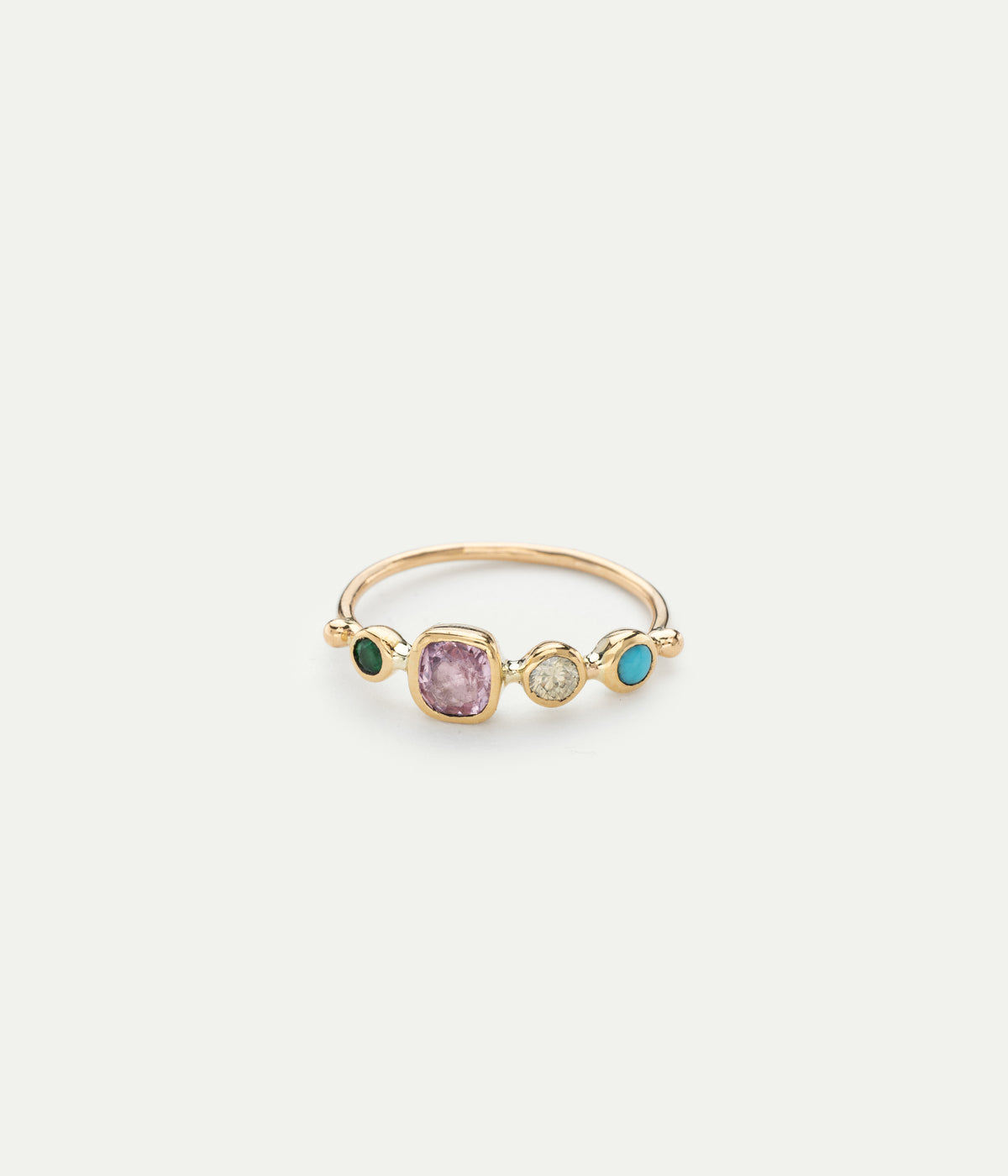
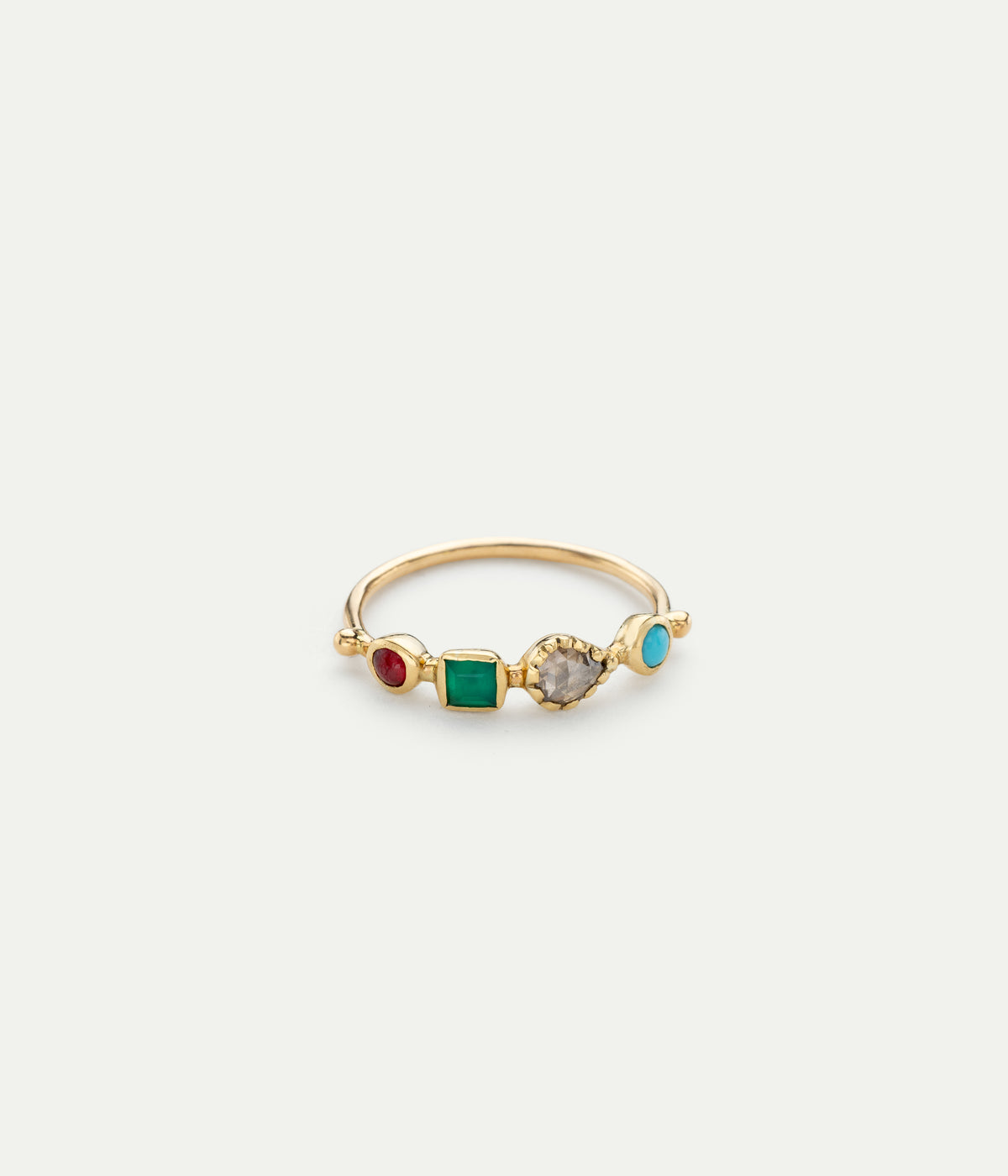
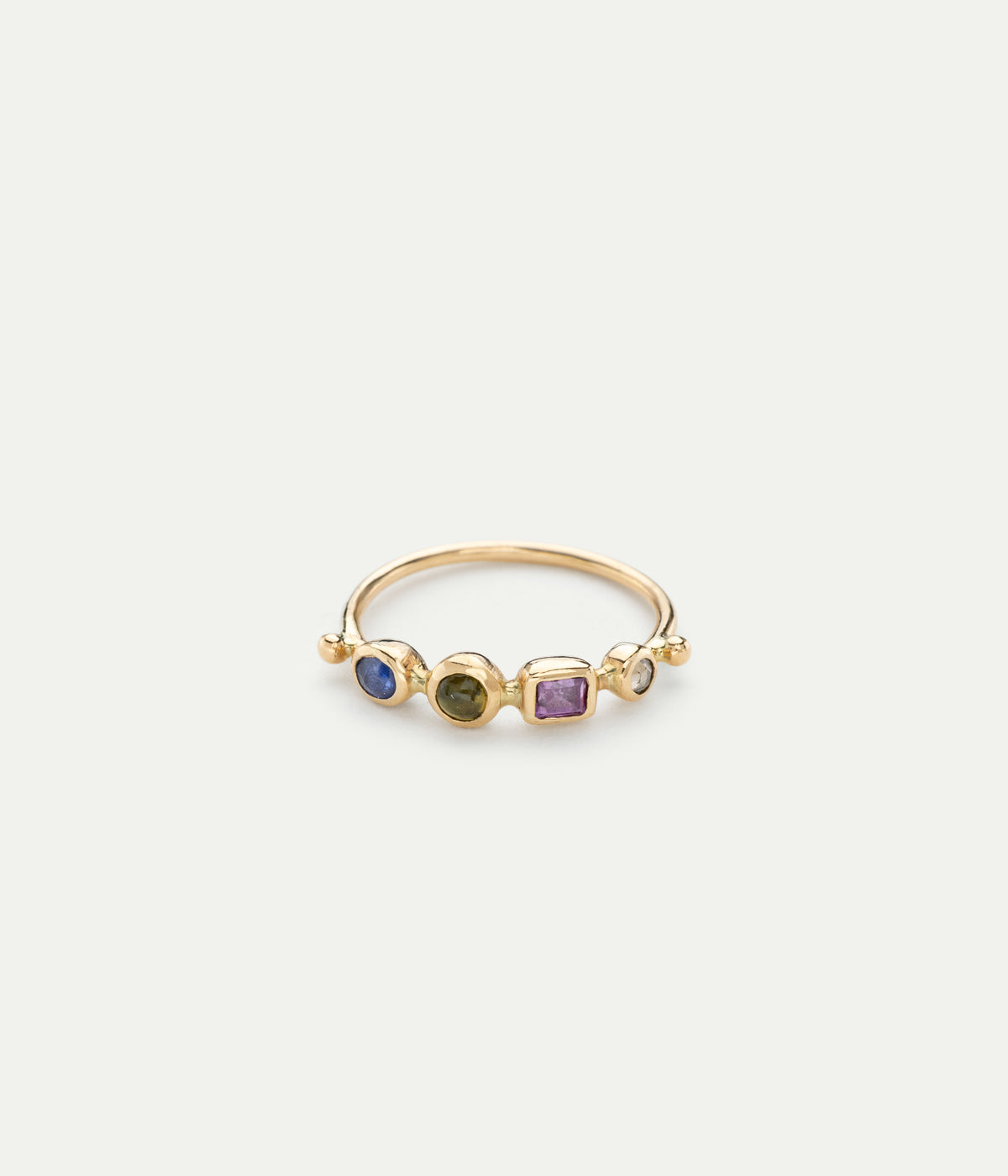
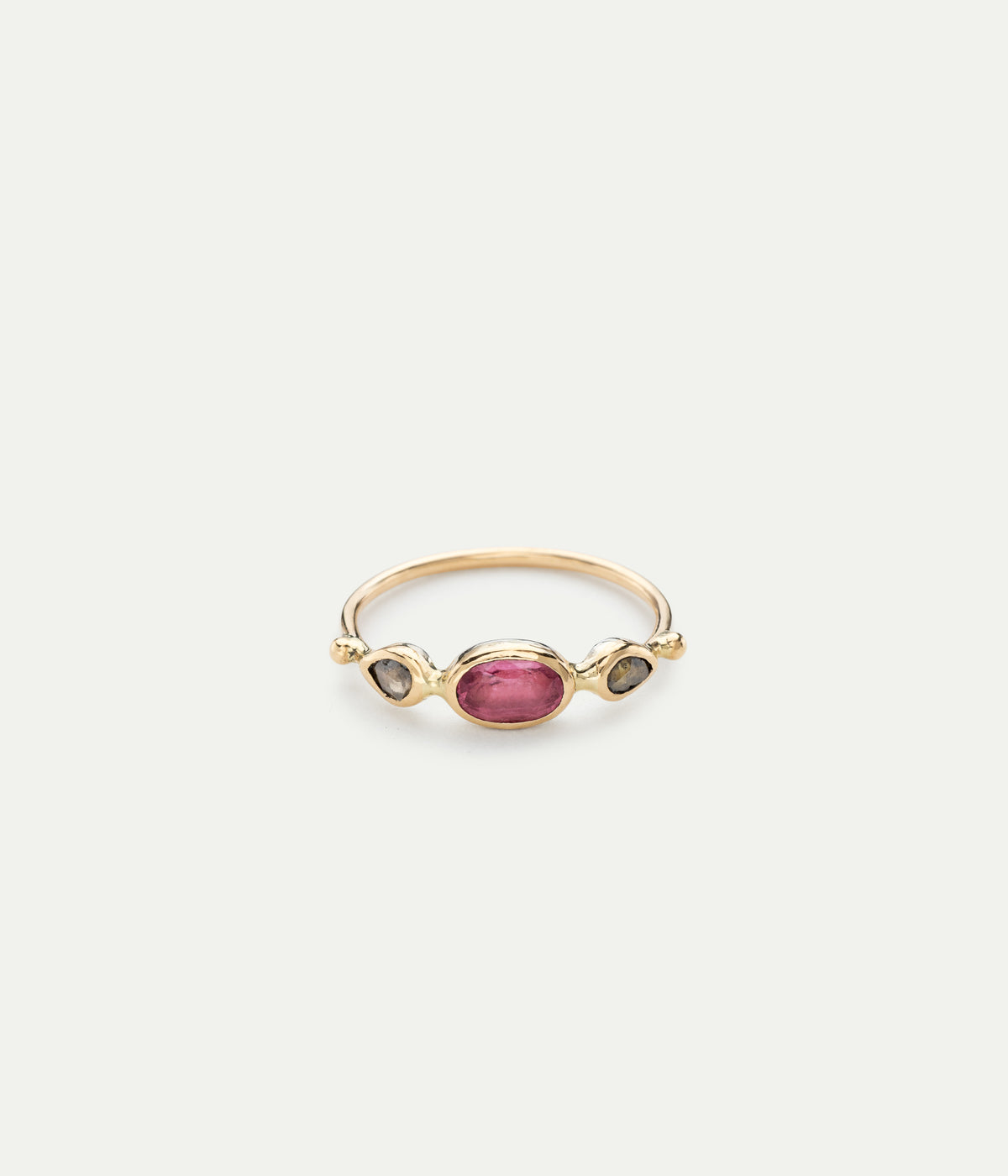
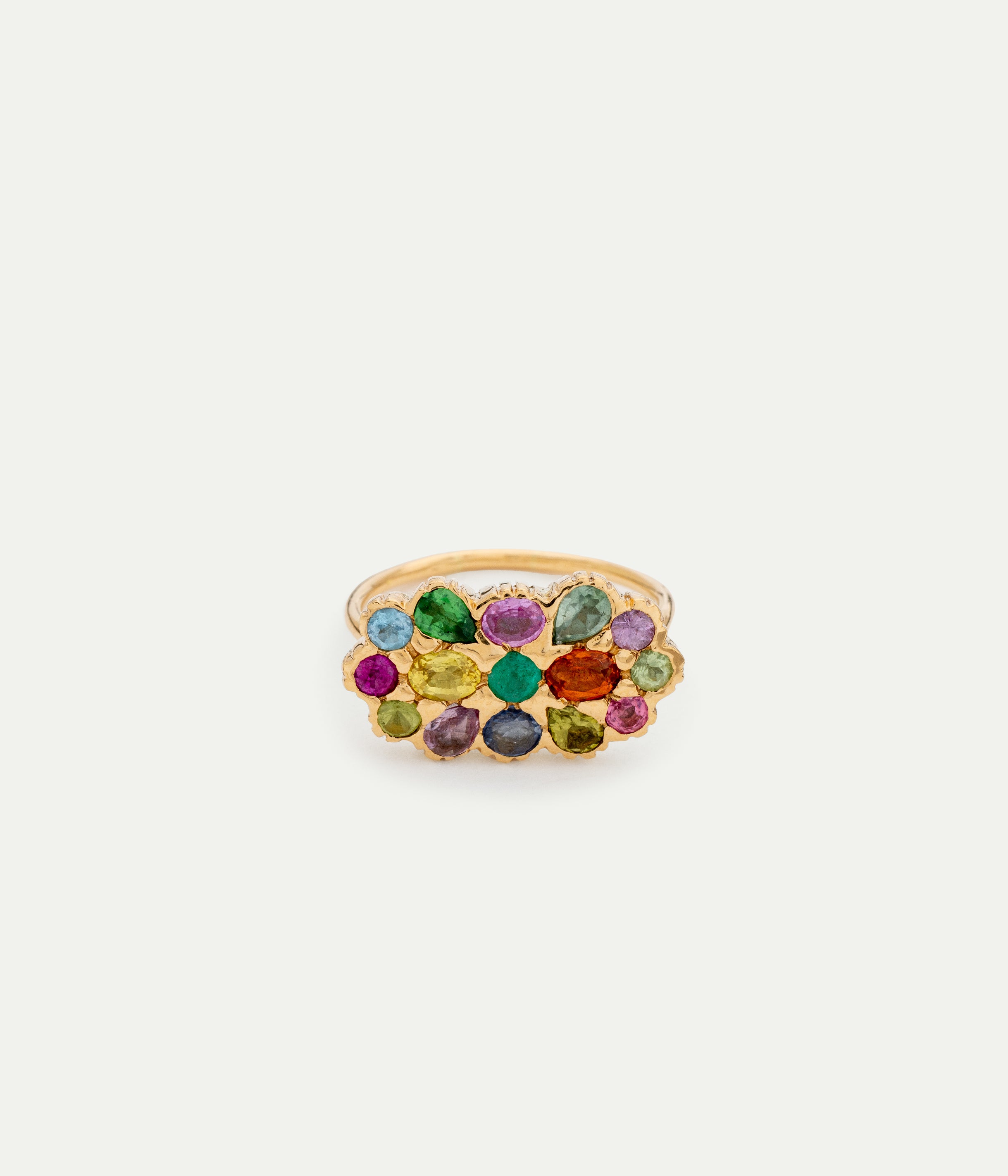
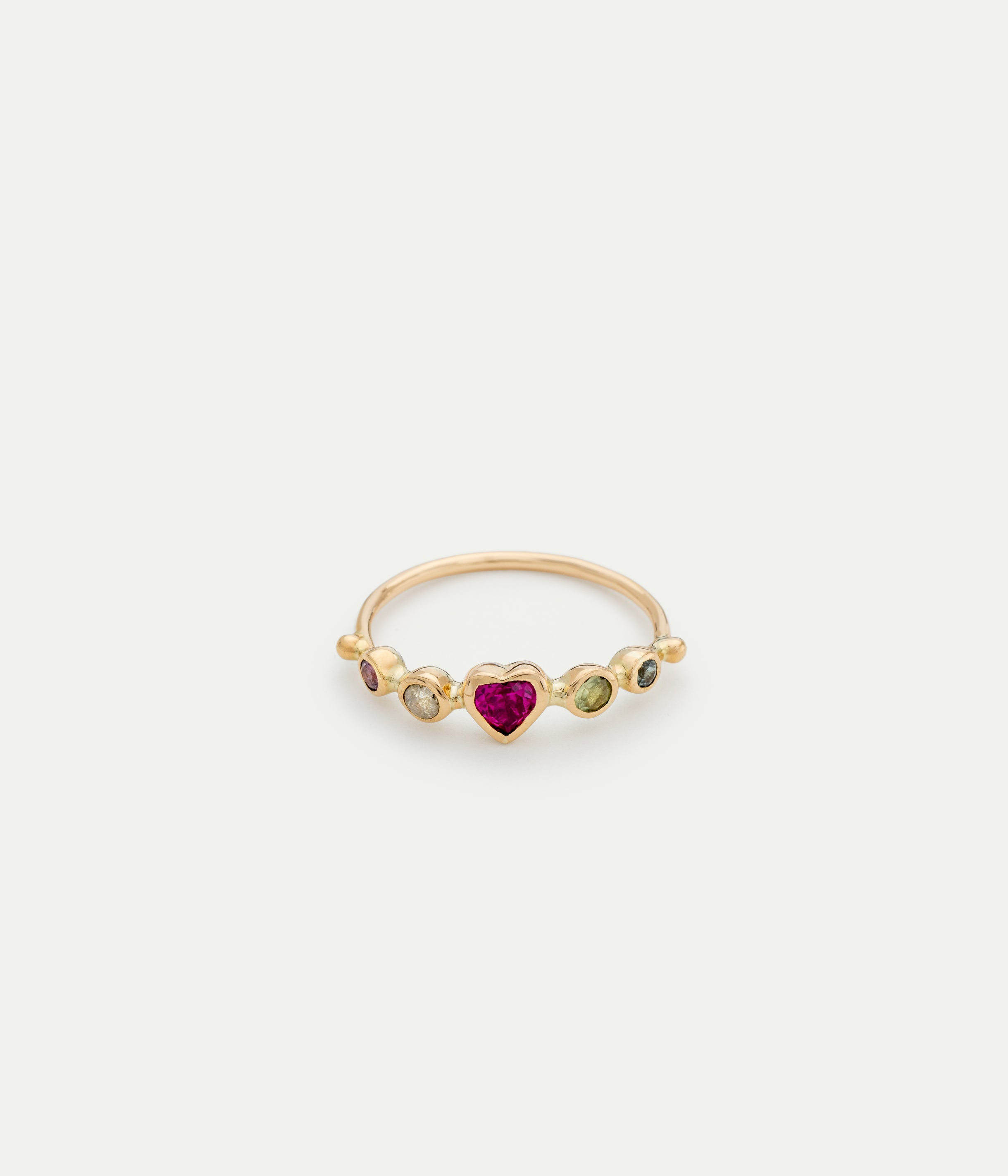
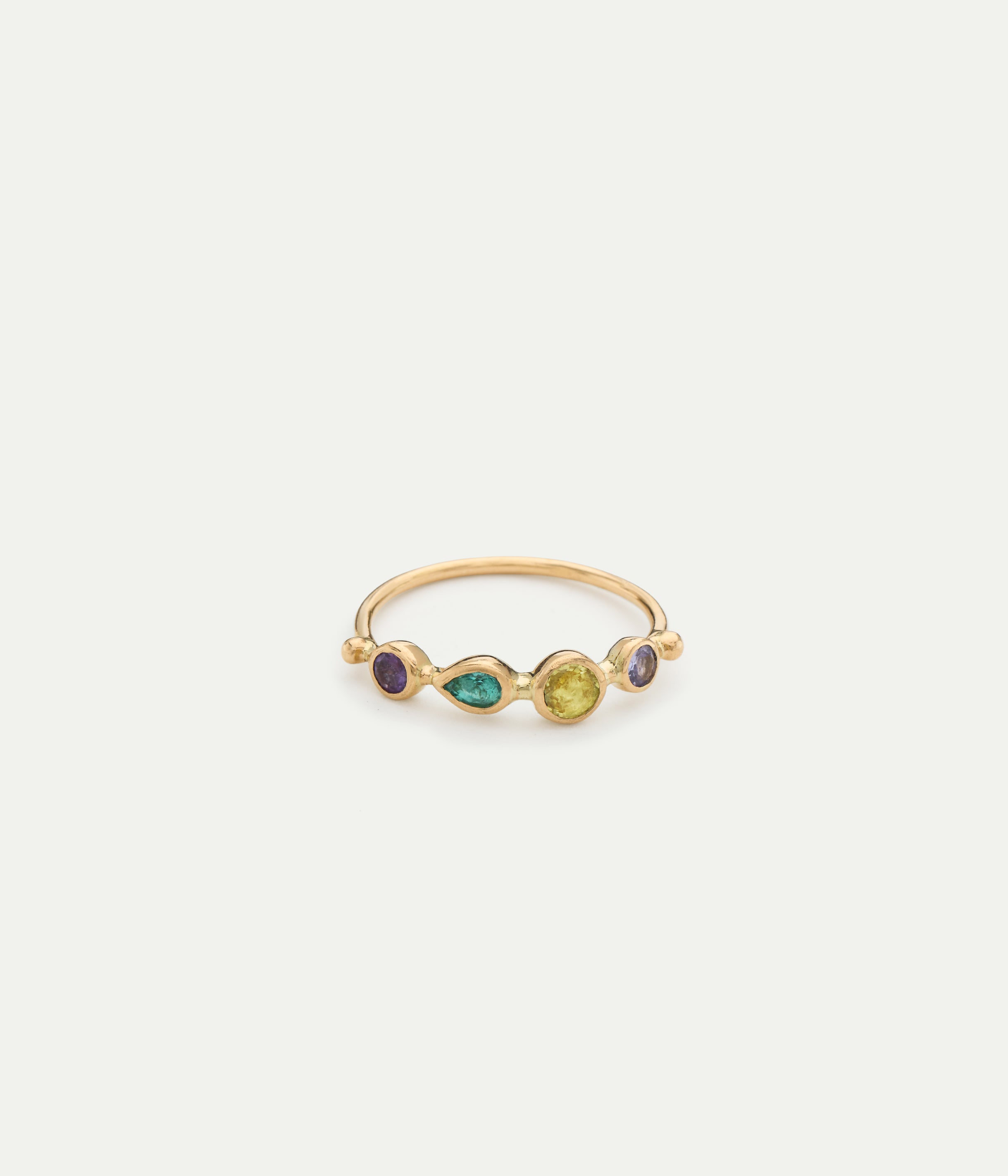
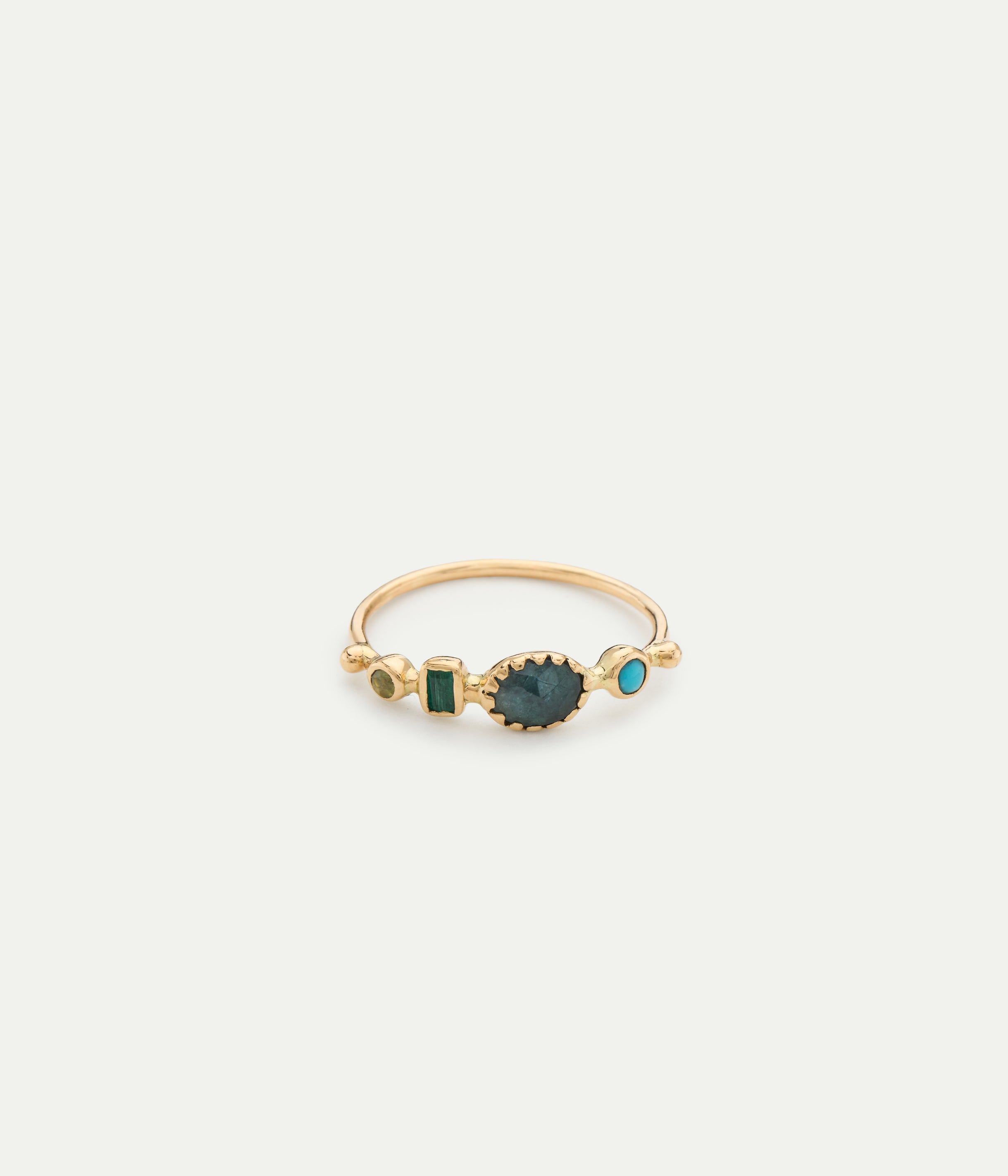
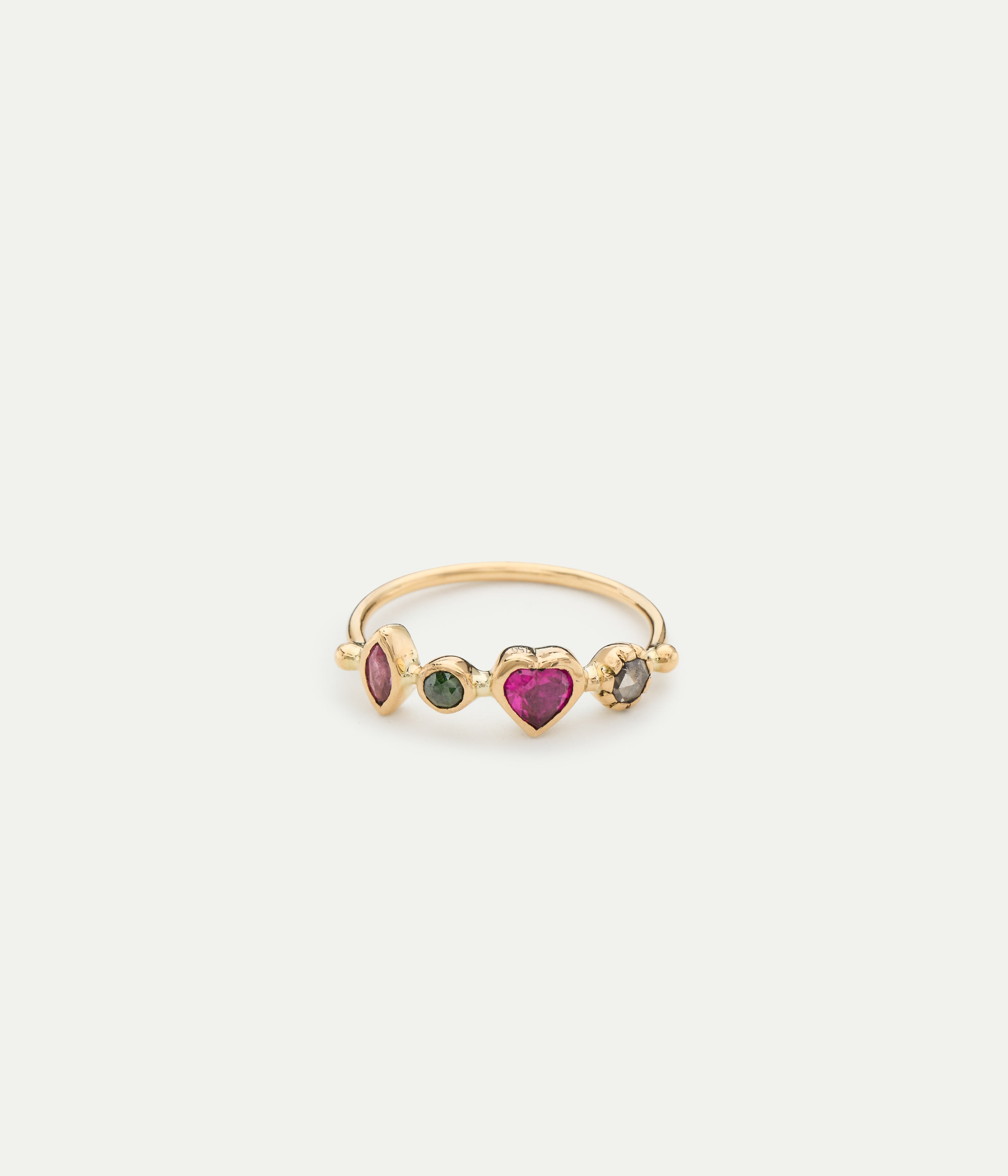
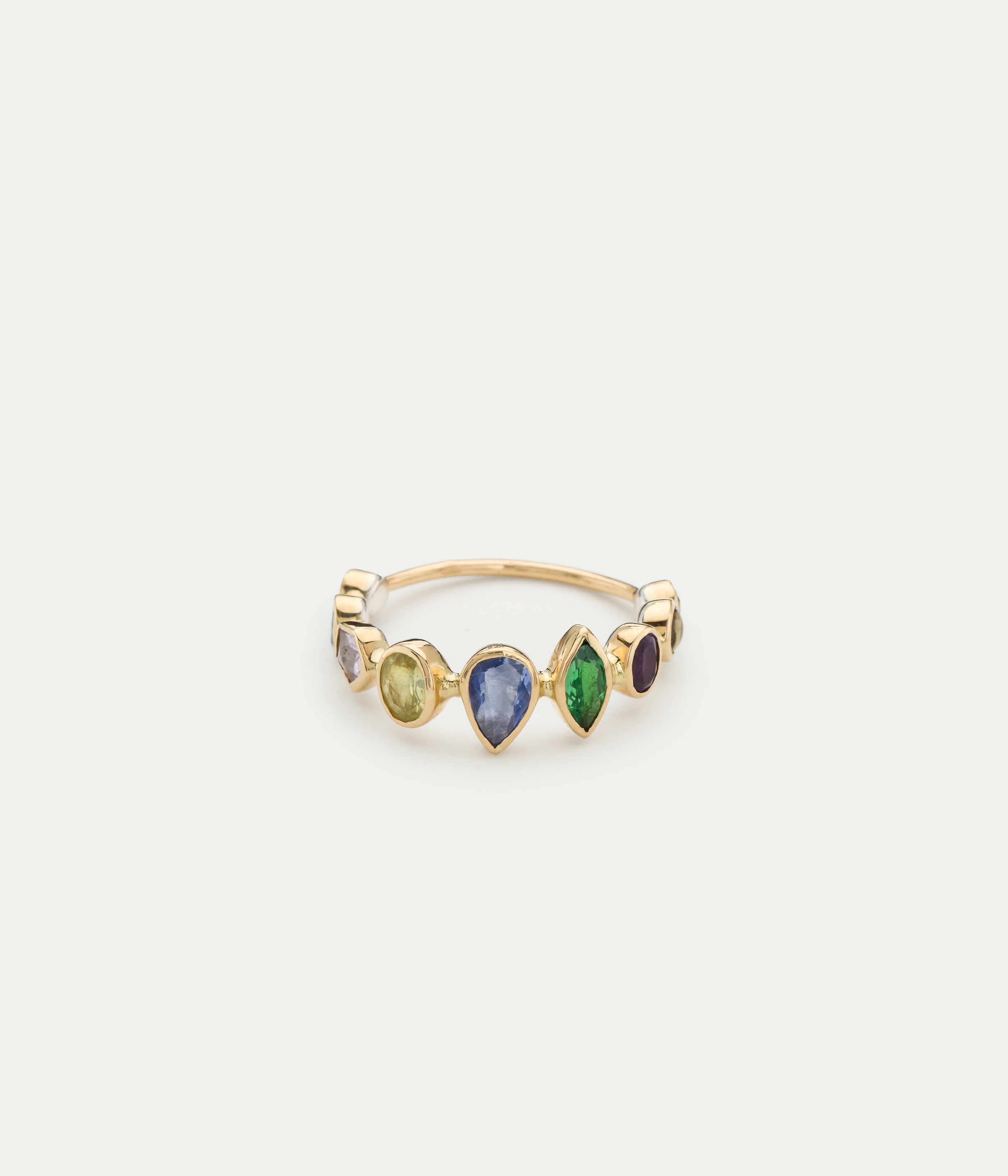
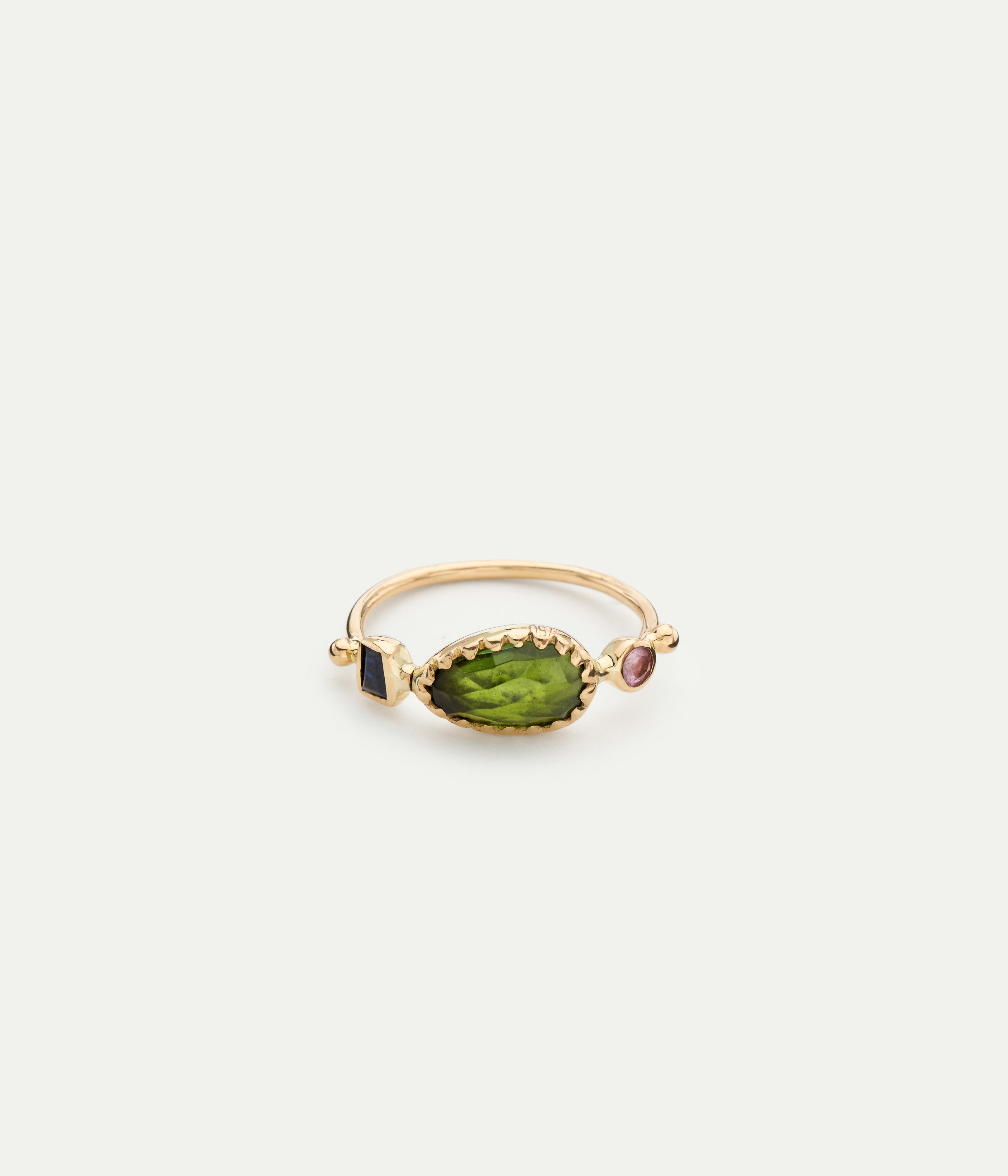
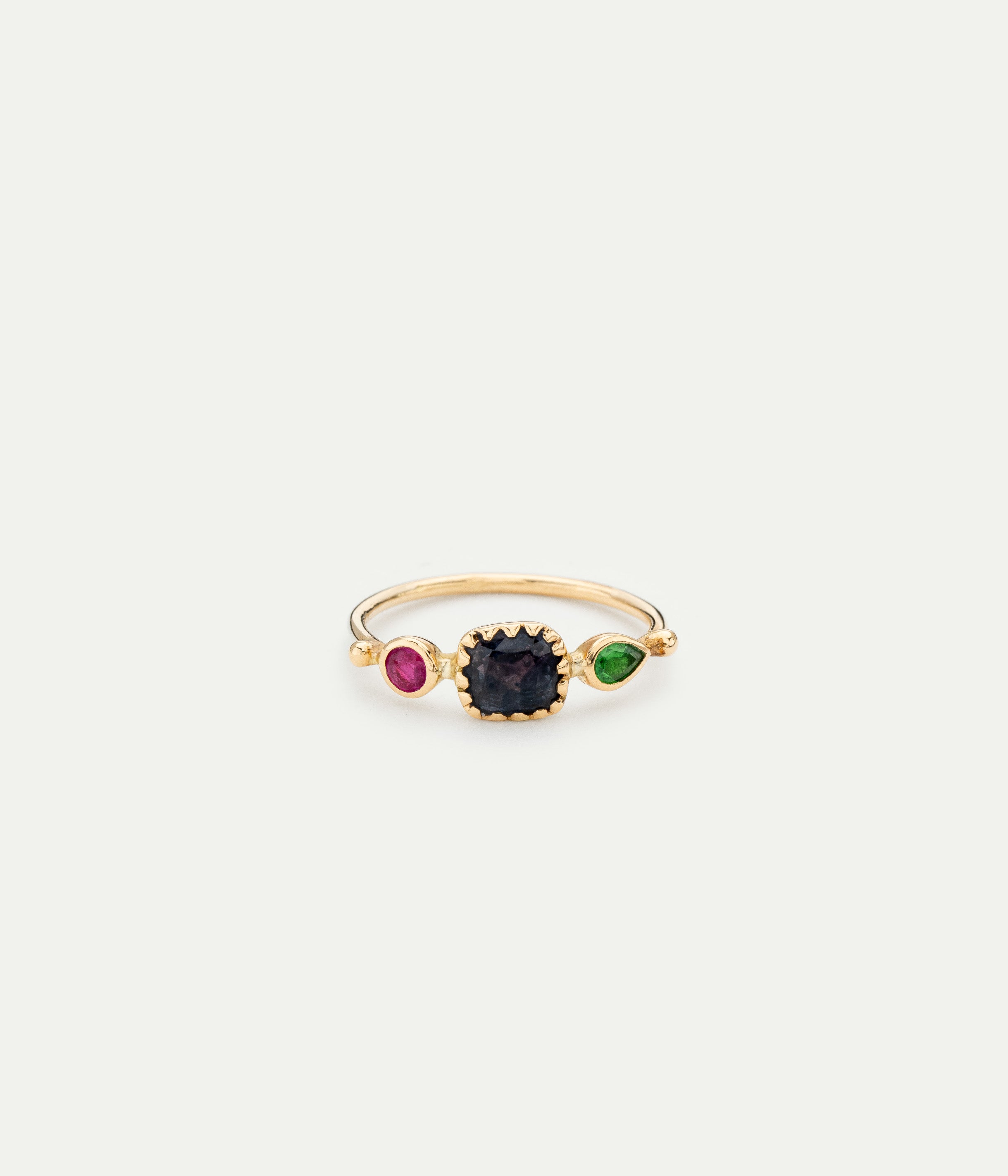
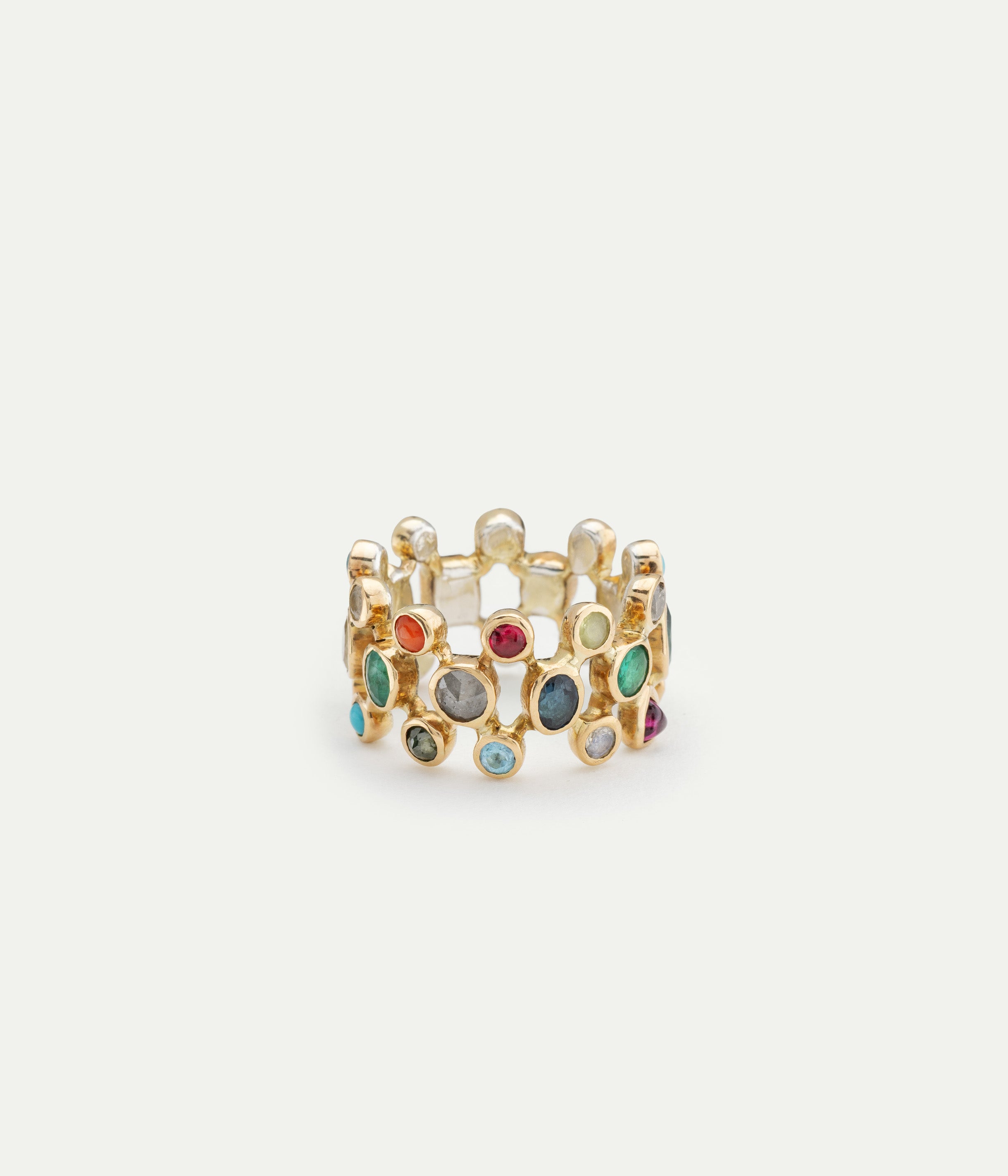
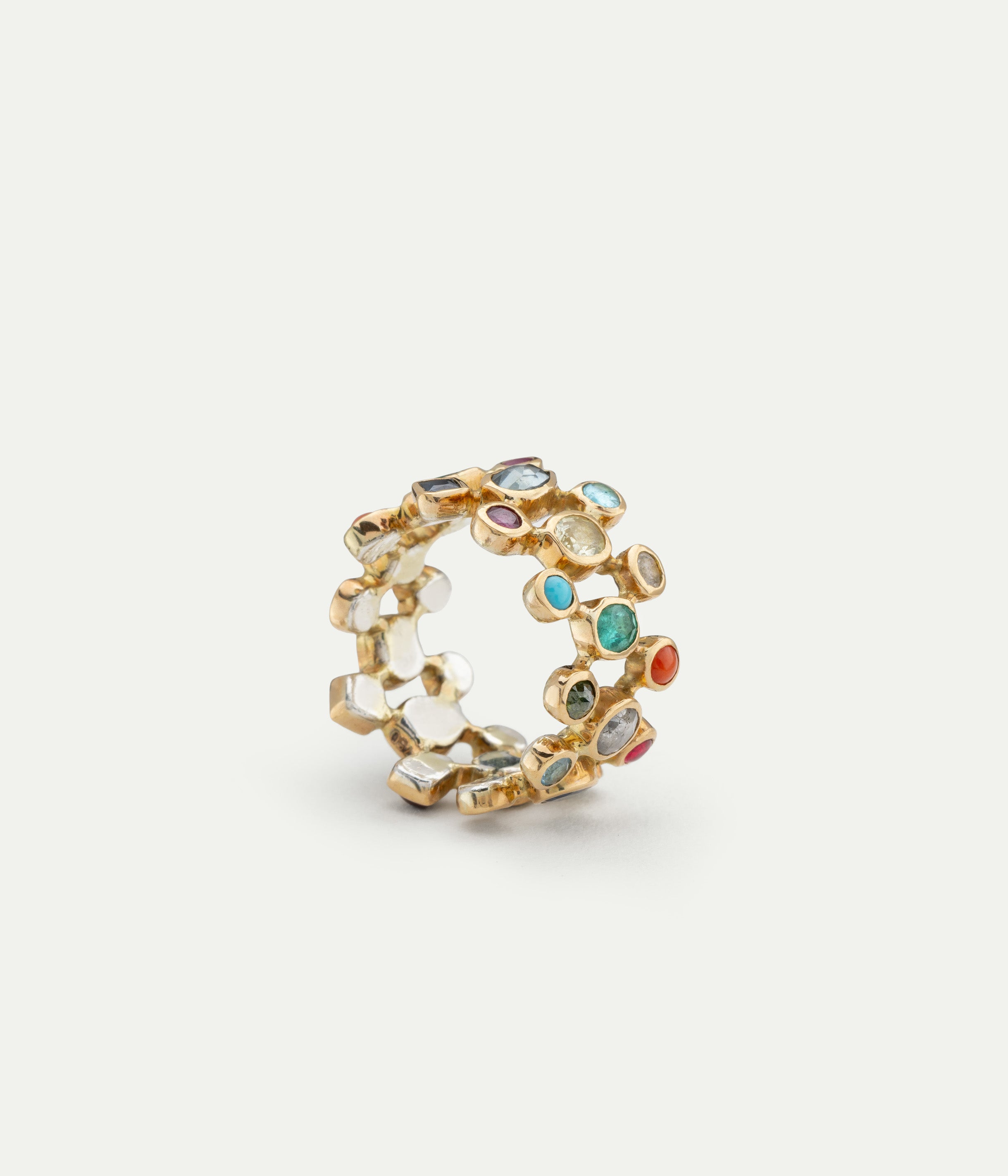
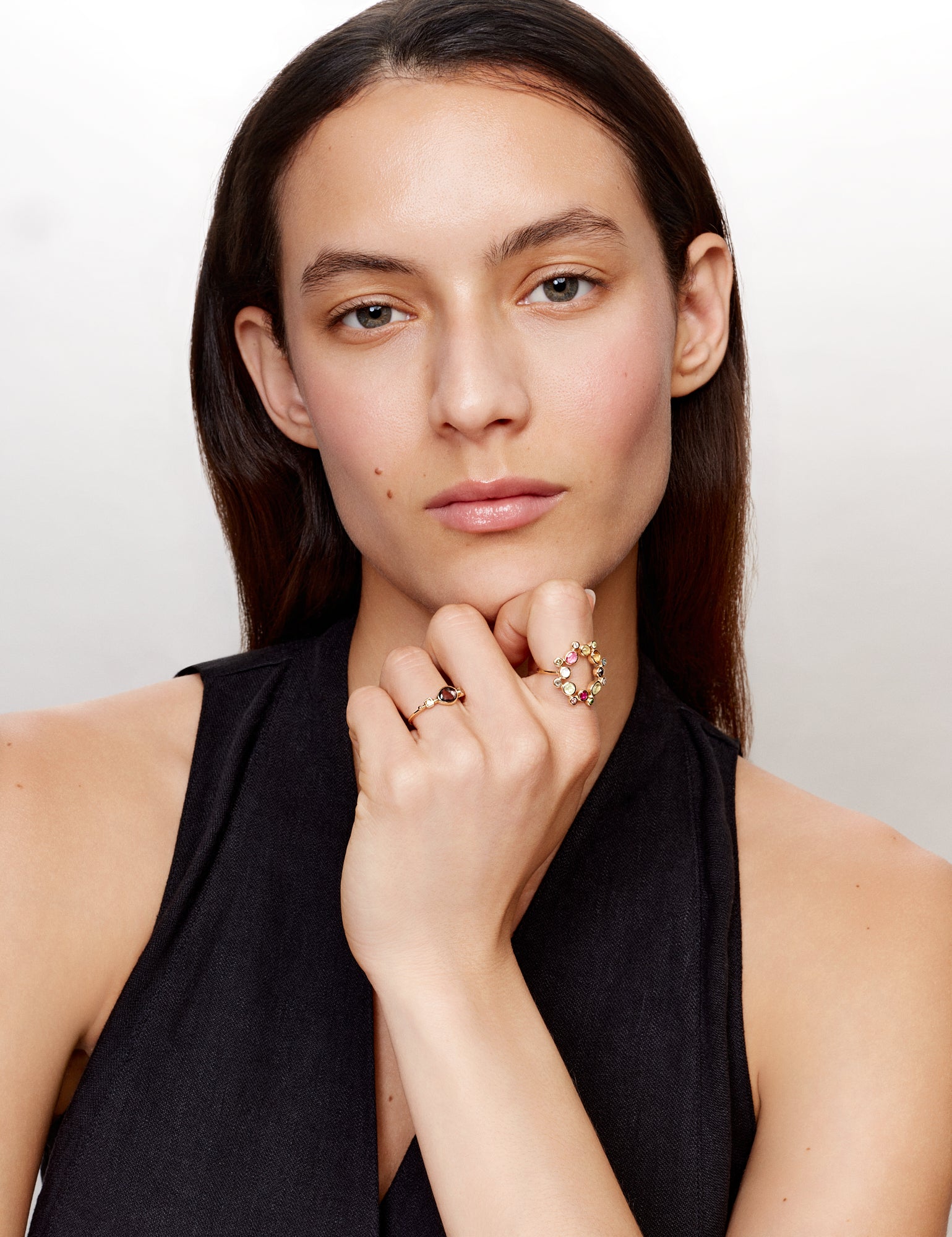
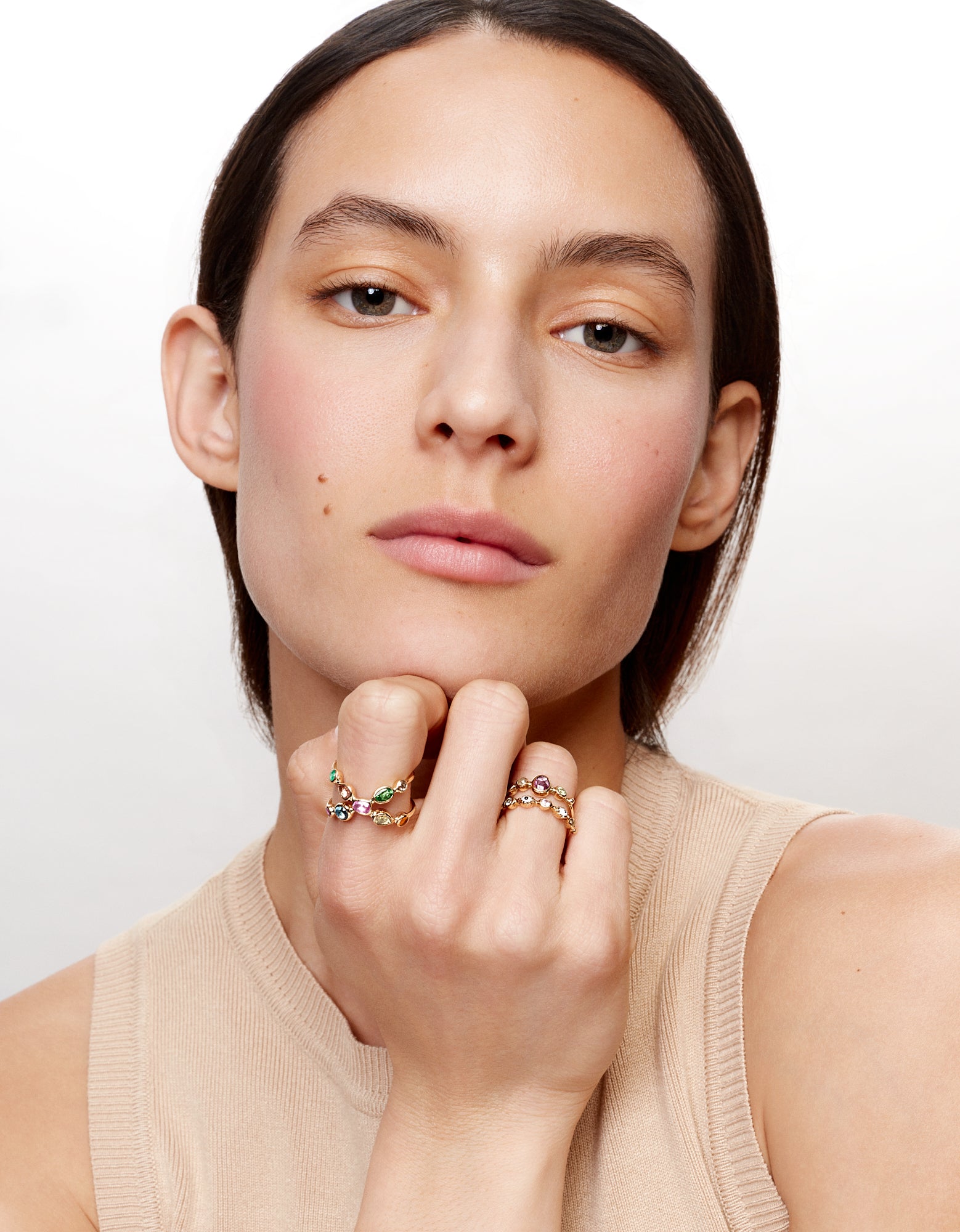
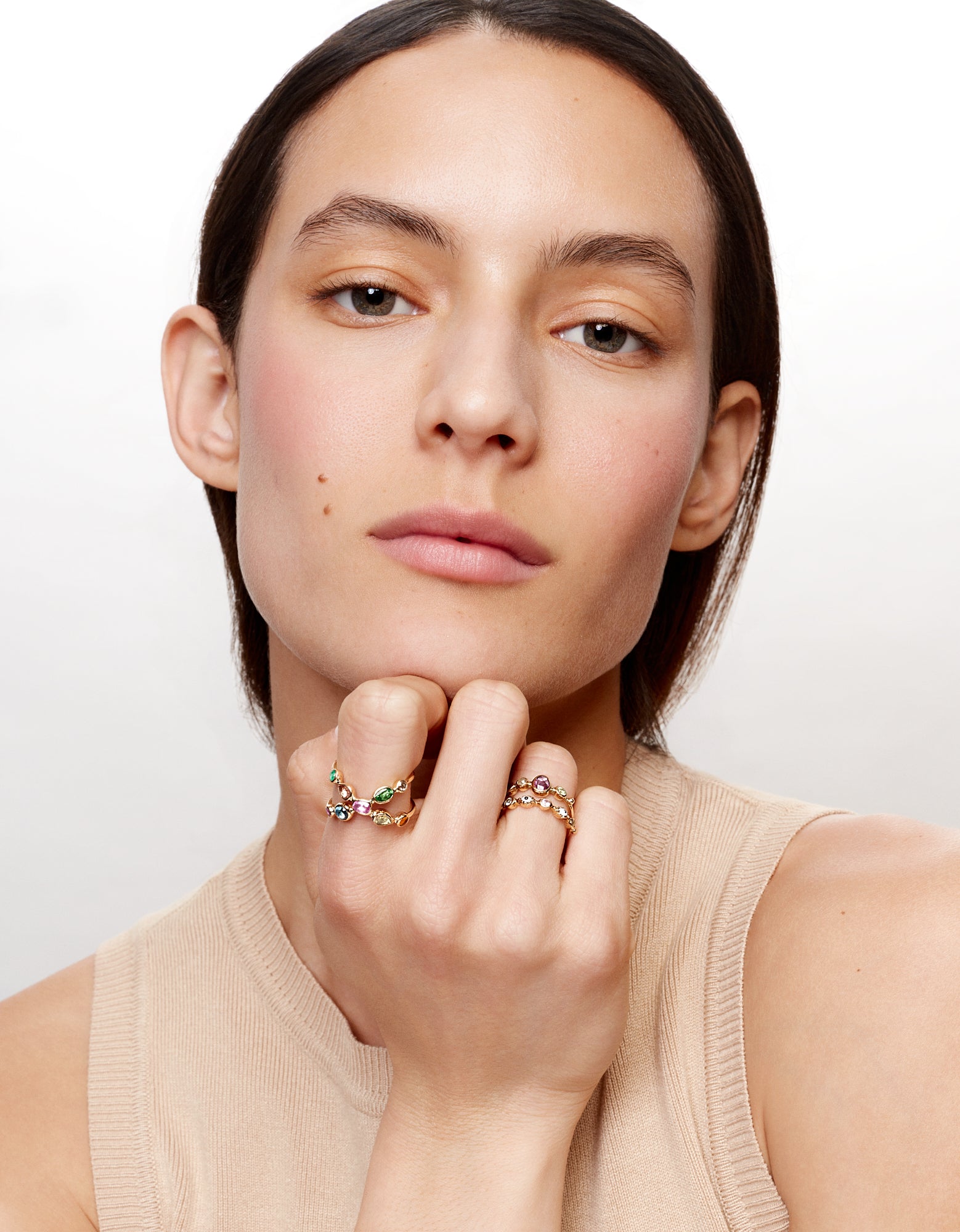
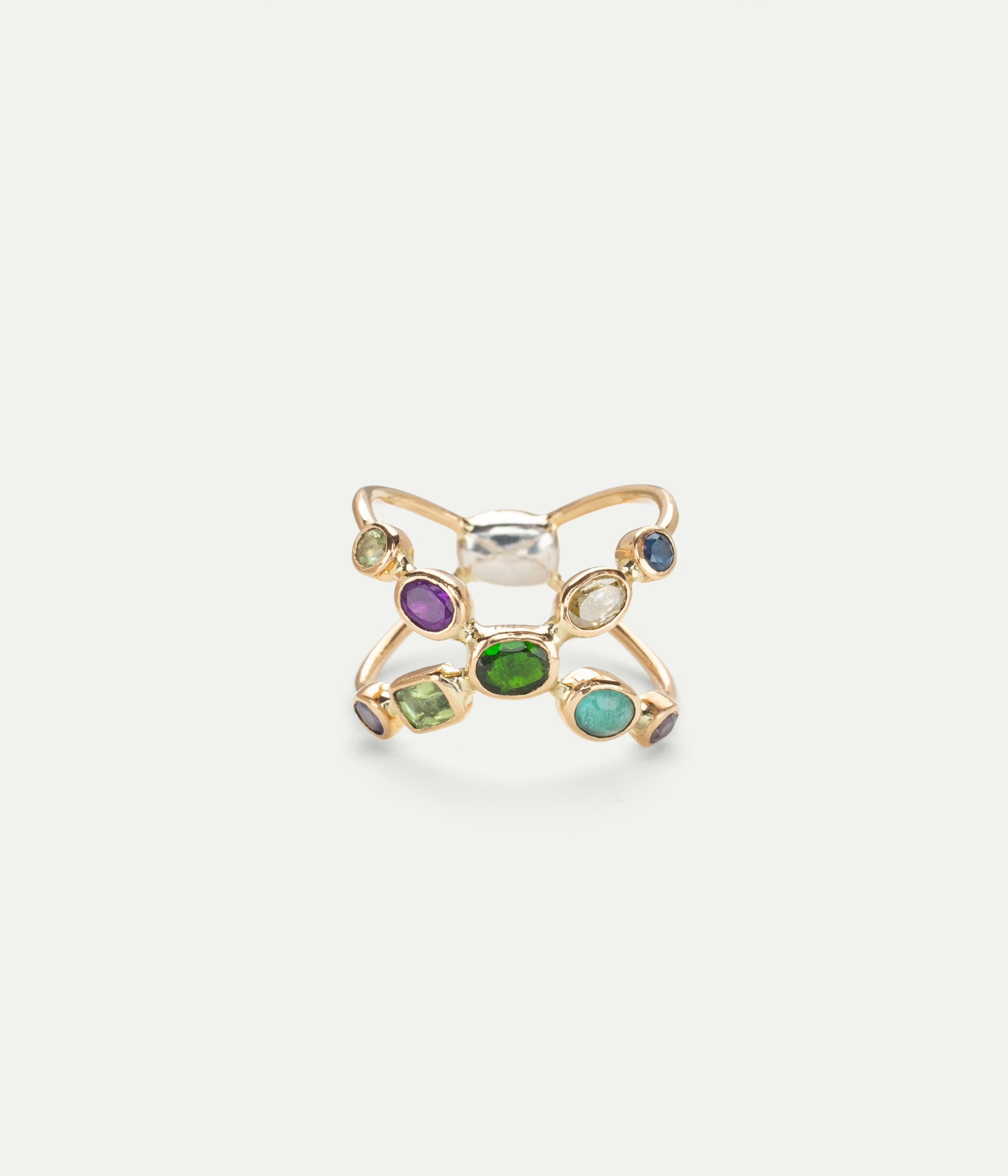
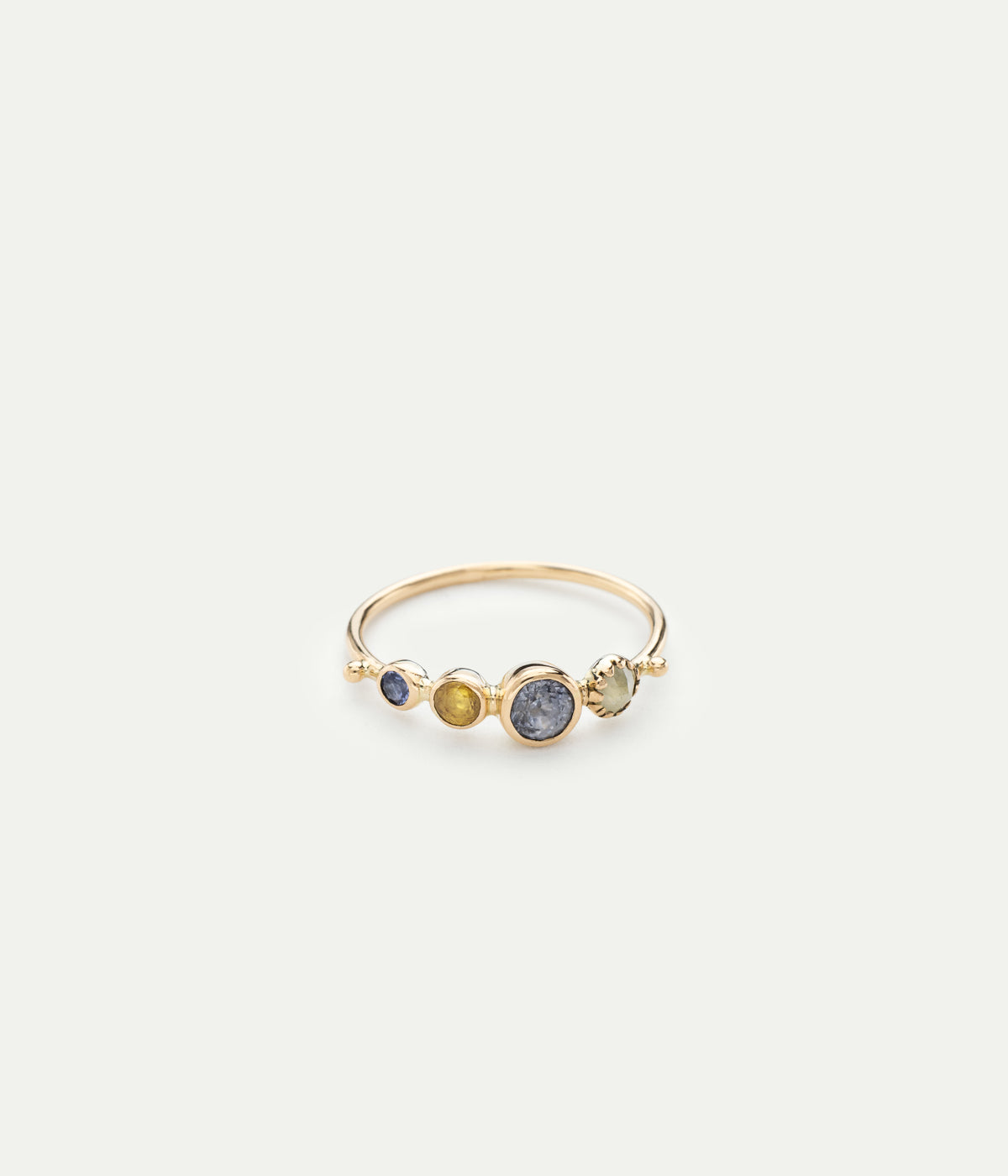
Simple Turquoise, Sapphire & Emerald ring

Tax included.

Sale price$1,943
MetalYellow gold Yellow gold / Silver Silver
Stone Simple Turquoise, Sapphire & Emerald ring ( Turquoise / Sapphire / Emerald / Apatite )
Taille
US
UK
Italy
France
4
4¼
4½
4¾
5
5¼
5½
5¾
6
6¼
6½
6¾
7
7¼
7½
7¾
8
8¼
8½
9
9¼
H
I
I½
J
J½
K
K½
L
L½
M
M½
N
N½
O
O½
P
P½
Q
Q½
R
R½
8
8/9
9
10
10/11
11
12
12/13
13
14
14/15
15
15/16
16
17
17/18
18
18/19
19
19/20
20
46
47
48
49
49,5
50
50,5
51
52
53
53,5
54
54,5
55
55,5
56
57
58
58,5
59
60
* Your ring will be adjusted free of charge. Please allow 3/4 additional working days for your dispatch
Details
Yellow gold Silver Turquoise Sapphire Emerald Apatite

Yellow gold 750/1000
Silver 925/1000
Turquoise 0.09ct
Emerald 0.04ct
Sapphire 0.58ct
Apatite 0.12ct

Payment in 2, 3 or 4 installments with Alma.

SKU: DORE-90-BS-B01-AS201025_53.5
Where to buy this jewel?
Dorette
Simple Turquoise, Sapphire & Emerald ring
$1,943
Simple Turquoise, Sapphire & Emerald ring
Yellow gold, Silver / Turquoise, Sapphire, Emerald, Apatite

Taille

Sale price$1,943
Dorette
At Dorette, stones travel between India and France, between the precious and the everyday. Spinels, emeralds, tourmalines and sapphires meet freely, forming joyful, intuitive compositions. Founded by Catherine Lévy, the house celebrates jewellery as a talisman — a living object infused with emotion and memory. Today, her sisters Juliette and Marion continue the story, true to Dorette’s spirit of freedom, colour and craftsmanship.
Dorette
Dorette

What is this piece made of?

This piece contains: Yellow gold Silver Turquoise Sapphire Emerald Apatite
Yellow gold

Gold has long been celebrated for its warmth, its glow and its remarkable versatility. Yellow gold, in particular, is the metal in its most traditional expression — the colour that traverses centuries and civilisations. Designers sculpt it, texture it, hammer it or set it with diamonds and coloured stones, revealing a material that is both noble and endlessly adaptable. China, Australia and Russia remain today the world’s leading gold producers. Yet the limited ethical regulations governing extraction have long cast a shadow over its use in jewellery. This is why the Fairmined label was created in 2004: to guarantee the traceability of gold and ensure its positive impact on social development and environmental protection. Thanks to this certification, gold can now be considered “clean”, as opposed to conflict gold or gold extracted using harmful processes. Used since prehistory, gold was one of the first coloured metals mastered by ancient metallurgists. In Egypt, it was collected in small quantities along the Nile and elevated through religious ornamentation. Later, European conquistadors seized its value, while the American Gold Rush shaped an entire region of the West. Today, gold still plays a central economic role and is traded on major international exchanges. In its pure form, however, it remains too soft to be used alone in jewellery. It must be alloyed with other metals, measured in karats. The French market recognises 9k, 14k and especially 18k gold — the latter composed of 75% pure gold, ideal for its durability, stability and non-allergenic properties. 22k gold, intensely yellow and emblematic in India, is also used by certain designers.
Yellow gold

Silver

Silver is a precious metal that takes its name from the Latin word for shiny, argentum. After having been a resource of great value in Greece and Crete during Antiquity, silver was subsequently extracted largely in Spain, and later in central Europe. In the 19th century, thanks to numerous advances in production (including the technique of drilling by steam engines and the improvement of transport), many silver mines were discovered and exploited throughout the world. Today, silver is found in the form of veins and nuggets mainly in Mexico, Peru, Australia and China. In traditional jewellery-making, silver is often covered with a thin layer of rhodium which gives it a more homogeneous and stable colour over time. But today designers favour its natural colour and rarely "rhodium" their silver pieces. Instead, they set it with stones and allow it to oxidise for a modern and elegant look. Like gold, silver is malleable. It is therefore impossible to use it at 100% purity for the creation of jewellery. In France, silver is recognised as a precious metal from 800 thousandths of pure silver in the alloy. However, the silver most commonly used in jewellery is 925 thousandths, that is to say an alloy composed of 92.5% pure silver. Different hallmarks are used to classify silver according to its purity. The 925 thousandths silver is marked by a Minerva head. Alloys made up of 80% pure silver are represented by a head of Minerva followed by the number 2. Silver jewellery tends to oxidise on contact with oxygen in the air. This natural oxidation disappears quite easily with specific products for silverware. These must be applied with a soft cloth, then rinsed and dried. At WHITEbIRD, designer Sophie Buhai’s sculptural and often voluminous pieces inspired by the modernist tradition put silver in the spotlight. De Jaegher also use silver in their precious jewellery.
Silver

Turquoise

Turquoise takes its name from the Old French turquois, meaning “Turkish,” referring to the trade route through which it reached Europe. Mined in Afghanistan, Australia, China, the United States, Iran, Mexico and Tanzania, it ranges from deep azure to vivid green. Its colour depends on its chemistry: copper creates bluer tones, chromium and vanadium produce greens, and iron introduces a touch of yellow. Containing around 18% water, turquoise can dry out, tarnish or subtly change colour over time. Its matrix patterns — where other minerals weave through the stone — give it a uniquely organic charm. Used for over 6000 years, turquoise was cherished in Ancient Egypt; Queen Zar wore it as a protective amulet. Among Apache communities, it guided hunters and warriors. Today, it remains associated with joy, optimism and emotional stability. In contemporary jewellery, turquoise is appreciated for its vibrant hues and natural texture. Pascale Monvoisin often incorporates it for its raw beauty and distinctive presence.
Turquoise

Sapphire

Sapphire takes its name from the ancient Greek sappheiros, meaning “blue stone,” though some trace it to the Hebrew saphar, “to engrave.” Known for its exceptional resistance to scratching — second only to diamond — sapphire is used not only in fine jewellery but also in watch crystals, camera lenses and certain smartphone components. Found in the United States, Canada and various tropical regions, sapphire belongs to the corundum family. While it is most often associated with blue, its spectrum is remarkably wide: greens, purples, pinks, oranges, yellows, and the celebrated star sapphires, displaying an asterism created by multidirectional light refraction. Across traditions, sapphire symbolises truth, loyalty and strength. Its saturated colour and steady brilliance give it a quiet authority, often linked to clarity and sincerity. In contemporary jewellery, designers such as Polly Wales and Ruth Tomlinson value sapphire for its versatility and expressive palette, using it to create pieces that feel both textured and luminous.
Sapphire

Emerald

Emerald takes its name from the Sanskrit açmagarbha, meaning “stone heart.” Rare and inherently delicate, it forms only under exceptional geological conditions, where pressure, heat and traces of chromium or vanadium converge to produce its unmistakable green. Its natural inclusions — poetically called “gardens” — are not flaws but signatures, revealing the personality and origin of each stone. Among the most sought-after curiosities is the trapiche emerald, a formation in which the crystal grows into a six-pointed star — a geological rarity prized by collectors. Across cultures, emerald has symbolised renewal, fertility, love and wisdom. Its colour — never perfectly even — appears almost alive, shifting between vivid greens and subtle blue undertones, always with depth. Contemporary designers highlight these nuances with sensitivity: Elhanati and Brooke Gregson embrace its organic variations, while Brazilian designer Fernando Jorge works with stones sourced directly from his homeland. A gemstone whose character lies not in perfection, but in the traces of time and pressure that shaped it — a green that carries its own story.
Emerald

Apatite

Apatite takes its name from the Greek apatē, meaning “deception,” a reference to the stone’s ability to be mistaken for other minerals such as beryl or tourmaline. Found in a wide range of colours — from soft lagoon blue to deep green, honey yellow or even violet — it is primarily sourced today from Brazil, Madagascar, Mexico and Russia. Its brightness and crystalline clarity make it a striking choice for jewellery, especially when cut into delicate cabochons or faceted stones. Because it is slightly softer than many gemstones, apatite is often used in pieces designed for occasional wear or set in protective settings. Its vivid hues, however, give it a strong visual impact and make it a favourite of contemporary designers exploring colour in refined, modern ways. Across various cultures, apatite has been attributed symbolic meanings. Some traditions believe it encourages communication, creativity or personal expression, while others associate it with clarity or emotional release. With its luminous palette and organic inclusions, apatite brings a fresh, vibrant accent to jewellery, whether used as a centre stone or in subtle tonal compositions.
Apatite

Taking care of your jewels

Pieces of jewelry are delicate little objects. Even if they are made of resistant materials in order to be worn every day, it is still important to follow some general advice for them to keep their original beauty.

Read Guide

Frequently asked questions

Looking for a quick answer? You’ll find detailed information on our Payment, Delivery and Returns & Exchanges pages. If you need any further assistance, our team will be happy to help — feel free to contact us using the form below.

CONTACT US
Do you ship internationally?

Yes. We ship worldwide from Paris with trusted carriers such as DHL Express or Colissimo. Delivery options and fees are calculated at checkout according to your destination and the value of your order.

  • France: Colissimo for orders up to €1,000, DHL Express above.
  • European Union: Prices are calculated with local VAT applied at checkout, based on the delivery address.
  • United Kingdom & United States: Import duties and VAT are included. No additional charges upon delivery.
  • For deliveries outside the European Union, customs procedures may apply depending on the destination.
When will my order be delivered?

Orders can be collected in one of our Paris boutiques, or shipped to your address.

  • In-stock pieces are usually dispatched within 2 to 5 business days.
  • Delivery times vary depending on destination and carrier.
  • For made-to-order or special pieces, production delays are indicated on the product page.

You will receive a confirmation email with tracking details as soon as your order is shipped.

Are returns or exchanges possible?

Yes. If your piece does not fully suit you, you may request a return or exchange:

  • Within 14 days of receipt (28 days for deliveries to the USA)
  • The piece must be unworn, unaltered, and returned in its original condition.

Please note that engraved, resized or custom-made pieces cannot be returned or refunded. Return shipping costs are at the customer’s expense; however, exchanged items are shipped free of charge within the European Union.

Need advice before choosing?

Our team is here to guide you. For questions about sizing, availability, gemstones or gifting, we offer personalised support by phone or email. You may also book a private video consultation (WhatsApp or FaceTime) to view pieces live, receive styling advice or explore a curated selection — just as you would in our boutiques.

  • Tel : +33 (0)1 42 60 52 39
  • Email : contact@whitebirdjewellery.com