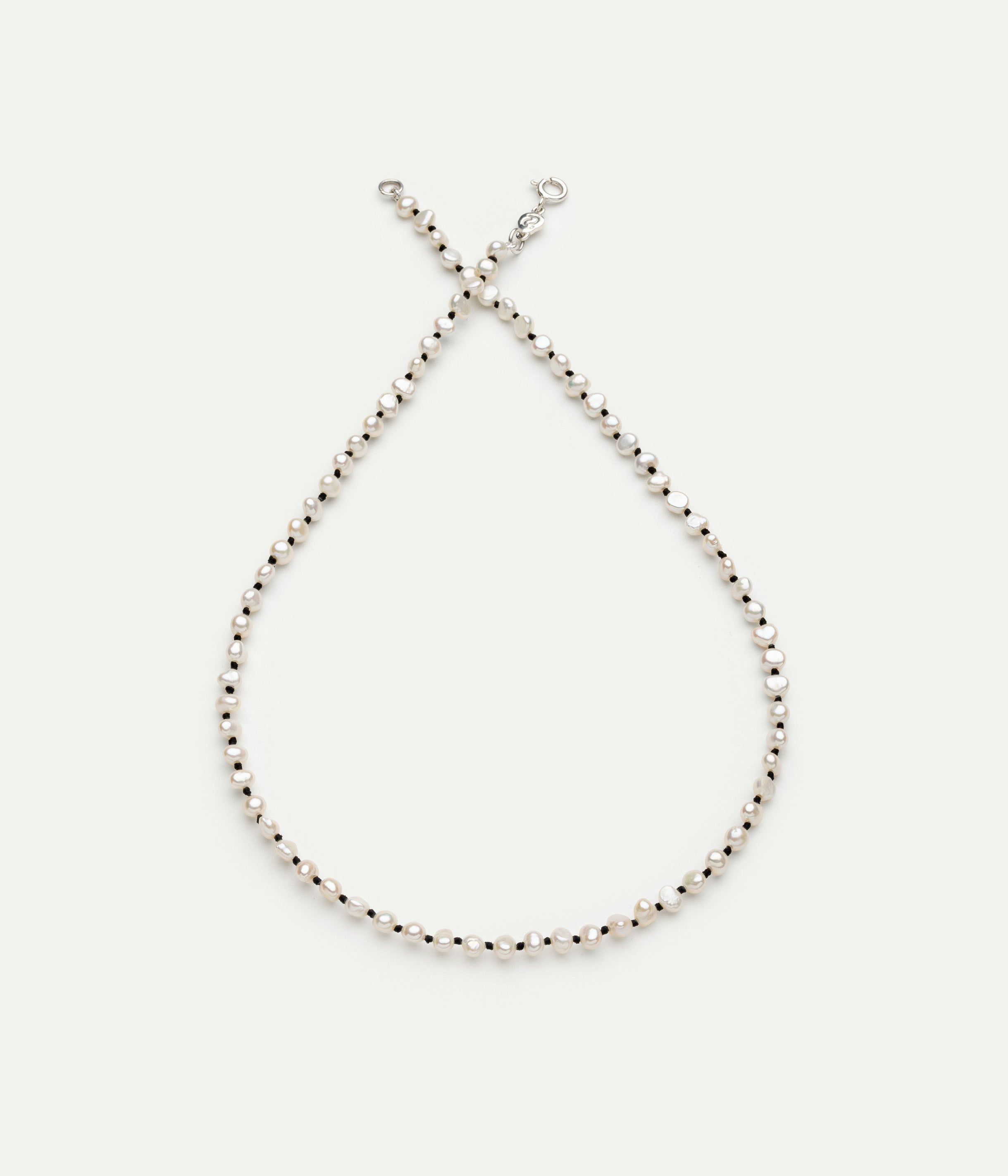
Silver
Silver is a precious metal that takes its name from the Latin word for shiny, argentum. After having been a resource of great value in Greece and Crete during Antiquity, silver was subsequently extracted largely in Spain, and later in central Europe. In the 19th century, thanks to numerous advances in production (including the technique of drilling by steam engines and the improvement of transport), many silver mines were discovered and exploited throughout the world.
Today, silver is found in the form of veins and nuggets mainly in Mexico, Peru, Australia and China.
In traditional jewellery-making, silver is often covered with a thin layer of rhodium which gives it a more homogeneous and stable colour over time. But today designers favour its natural colour and rarely "rhodium" their silver pieces. Instead, they set it with stones and allow it to oxidise for a modern and elegant look.
Like gold, silver is malleable. It is therefore impossible to use it at 100% purity for the creation of jewellery.
In France, silver is recognised as a precious metal from 800 thousandths of pure silver in the alloy. However, the silver most commonly used in jewellery is 925 thousandths, that is to say an alloy composed of 92.5% pure silver. Different hallmarks are used to classify silver according to its purity. The 925 thousandths silver is marked by a Minerva head. Alloys made up of 80% pure silver are represented by a head of Minerva followed by the number 2.
Silver jewellery tends to oxidise on contact with oxygen in the air. This natural oxidation disappears quite easily with specific products for silverware. These must be applied with a soft cloth, then rinsed and dried.
At WHITEbIRD, designer Sophie Buhai’s sculptural and often voluminous pieces inspired by the modernist tradition put silver in the spotlight. De Jaegher also use silver in their precious jewellery.


Mini Soga neon pink bracelet

Mini Soga blue bracelet
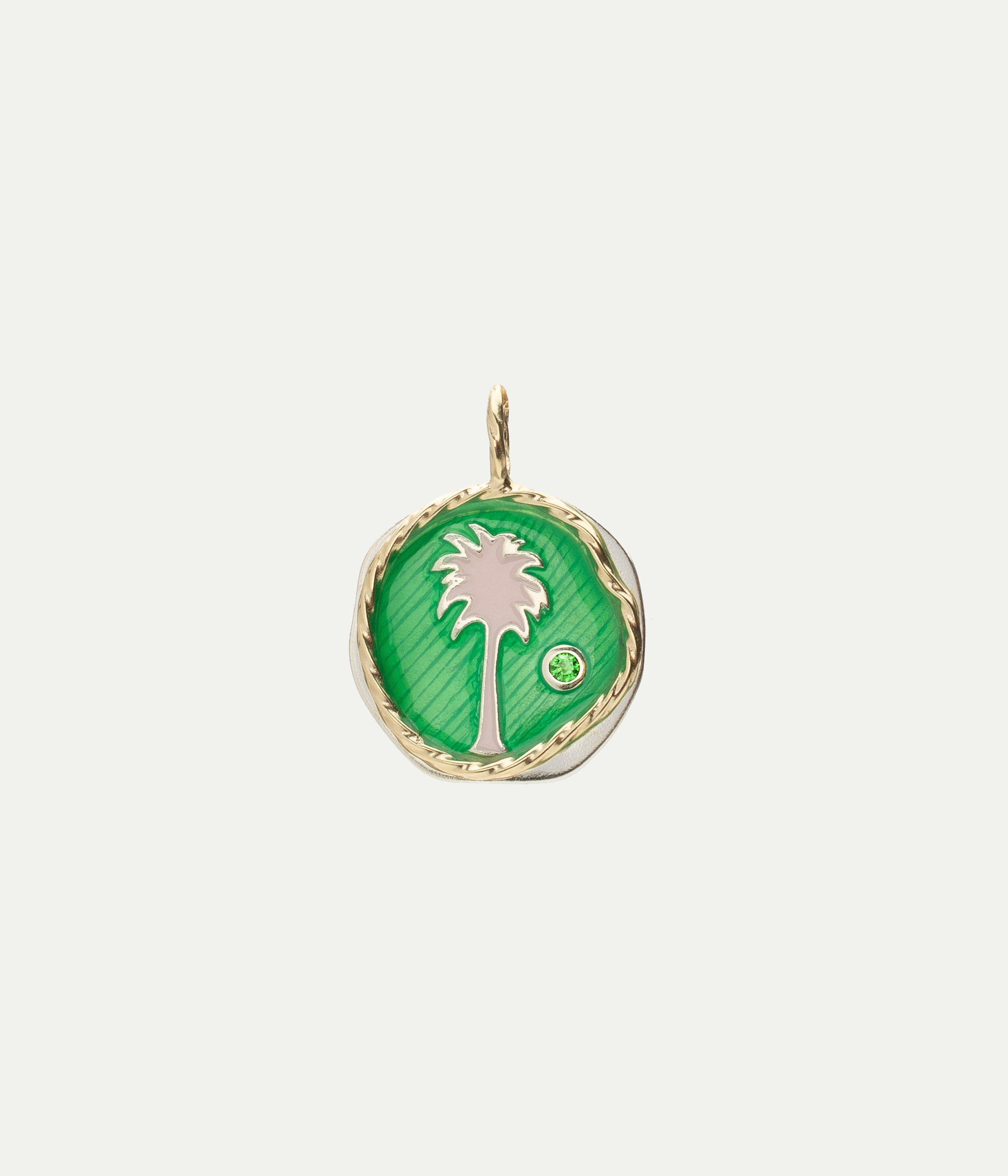

Faro Pendant
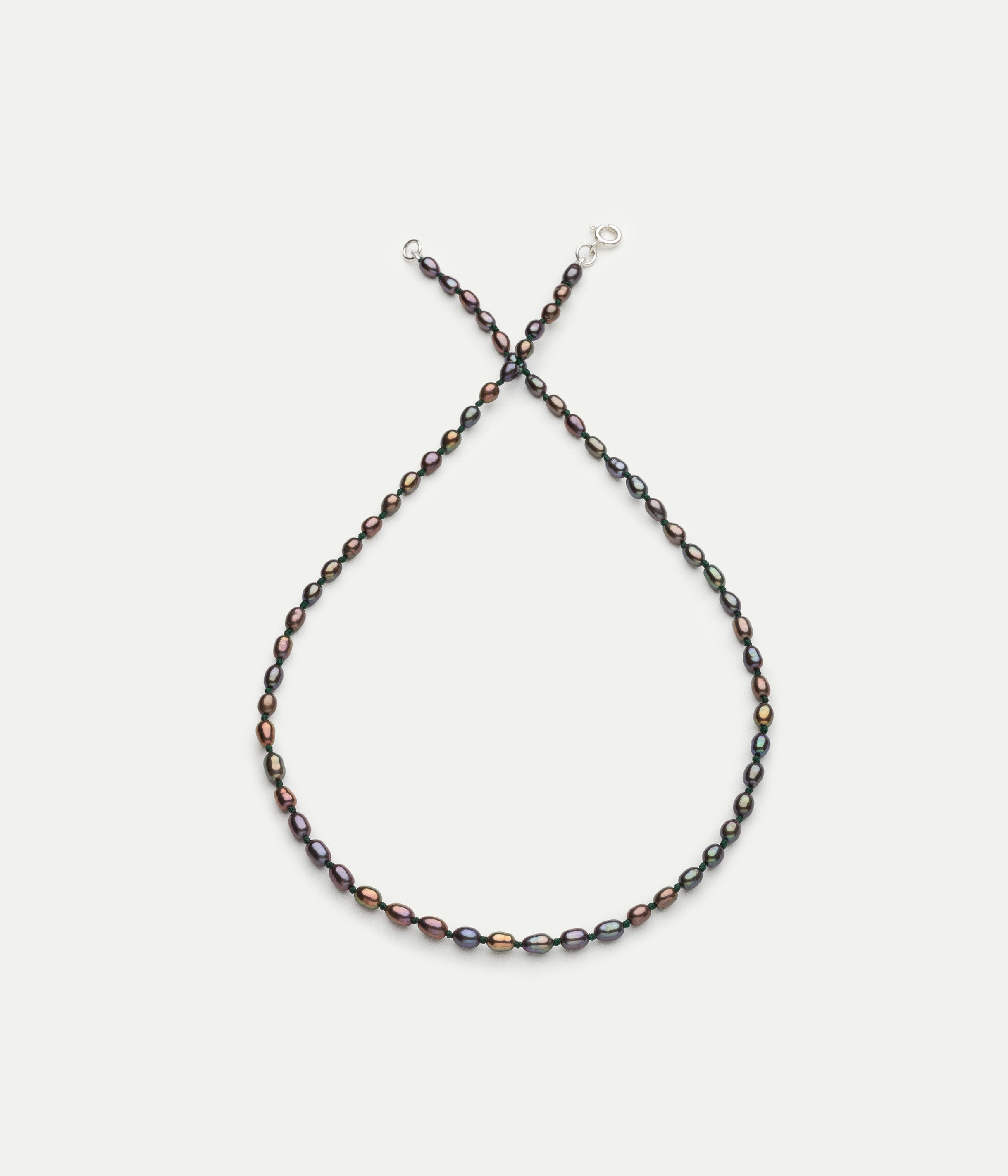
Mini Soga peacock necklace - Limited edition
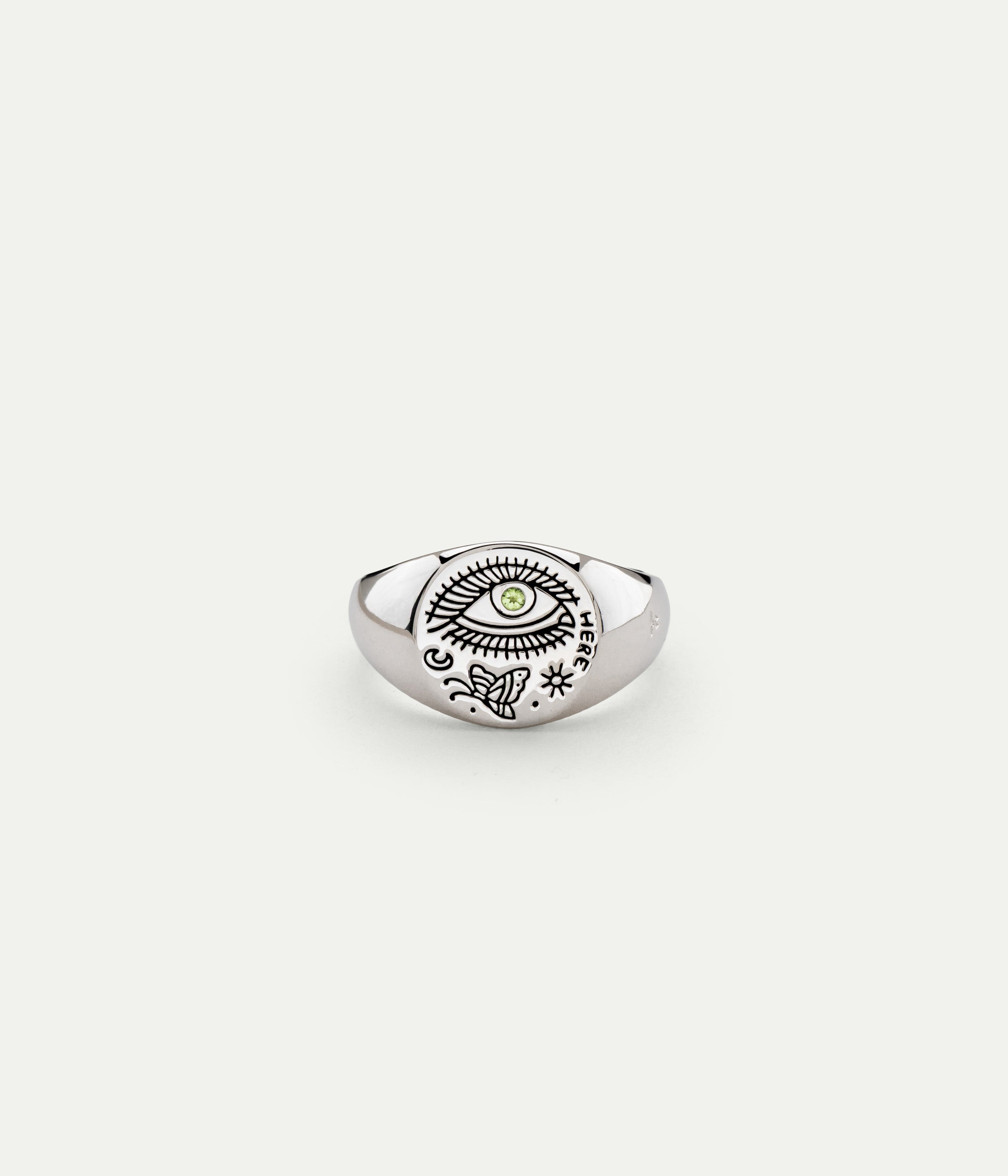
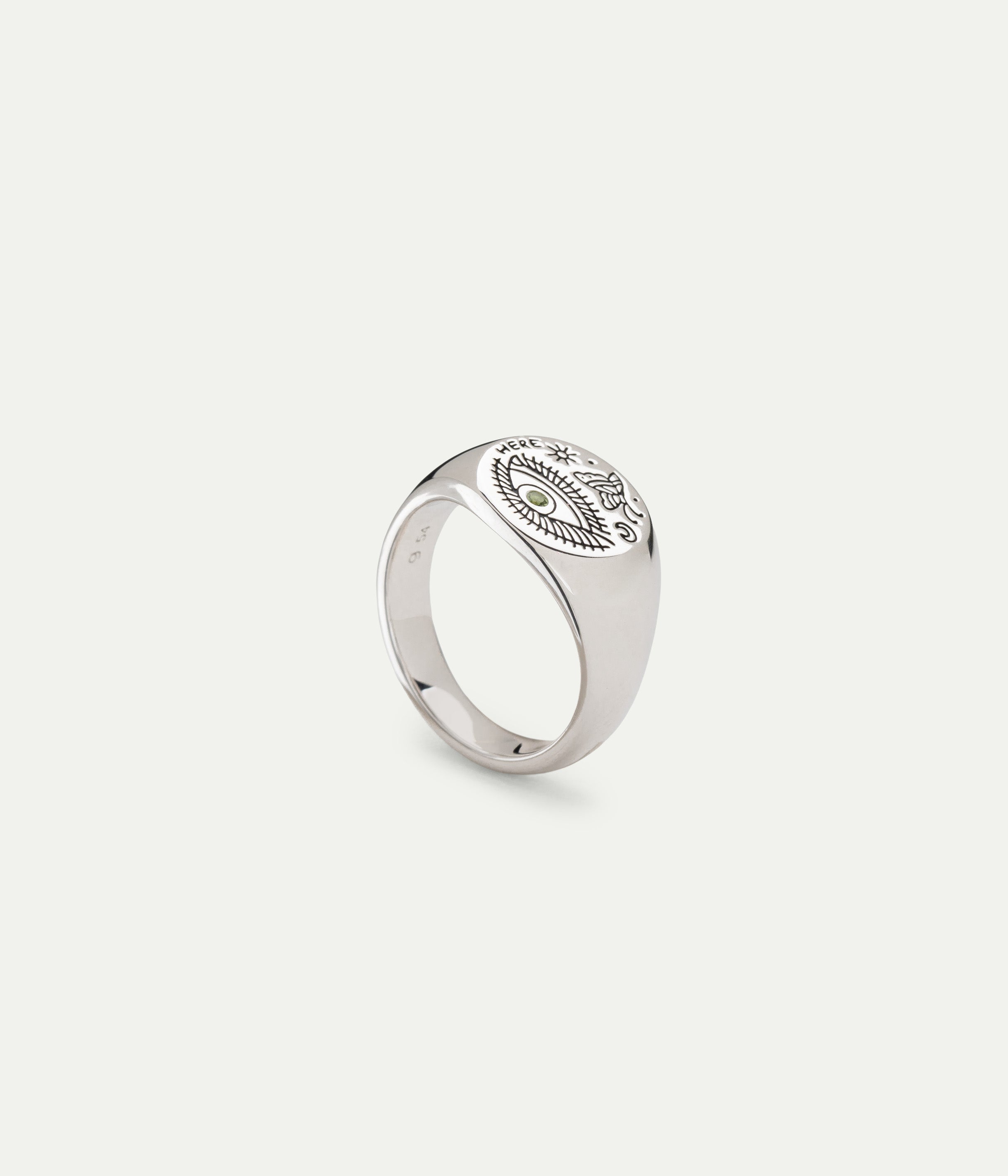
Butterfly silver and tourmaline ring
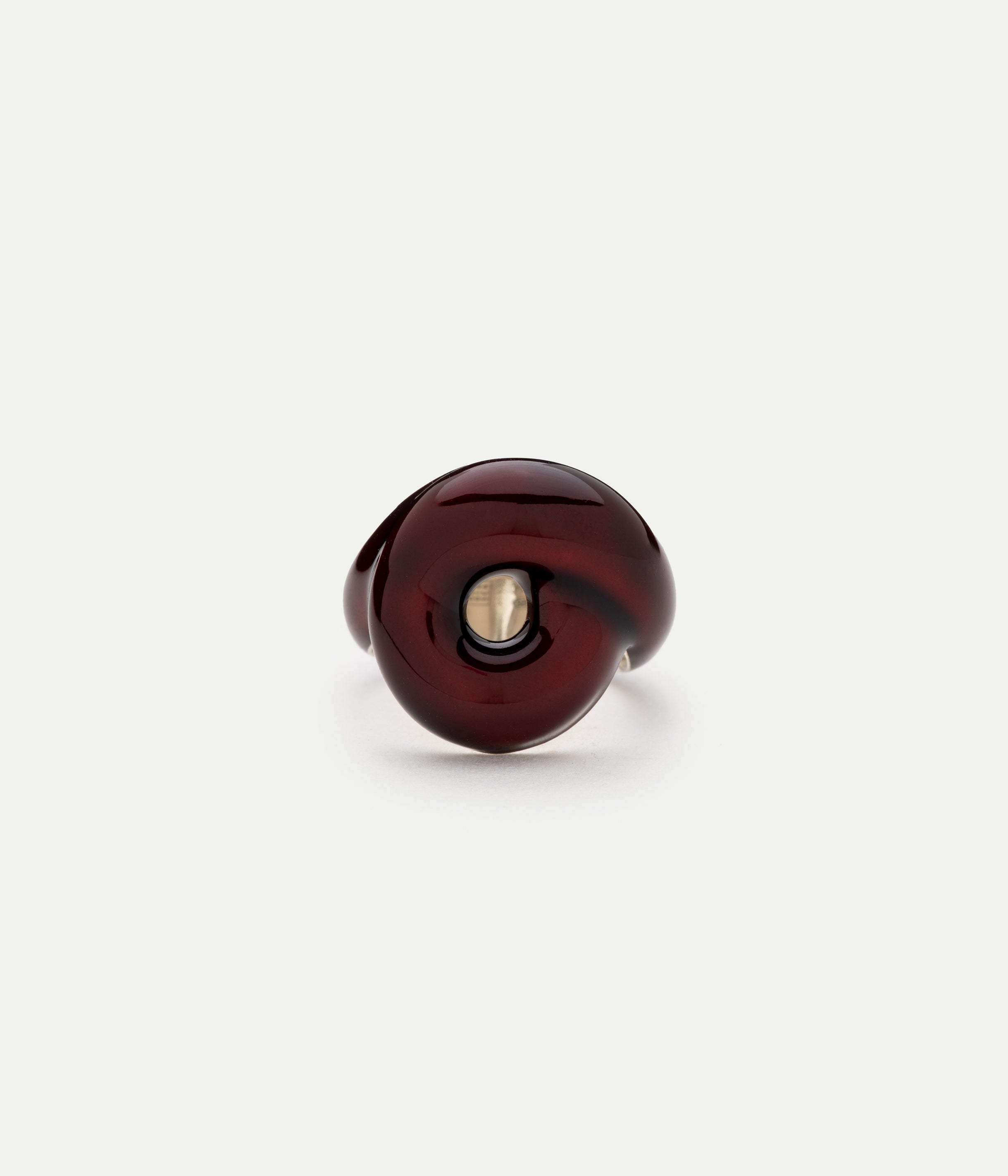
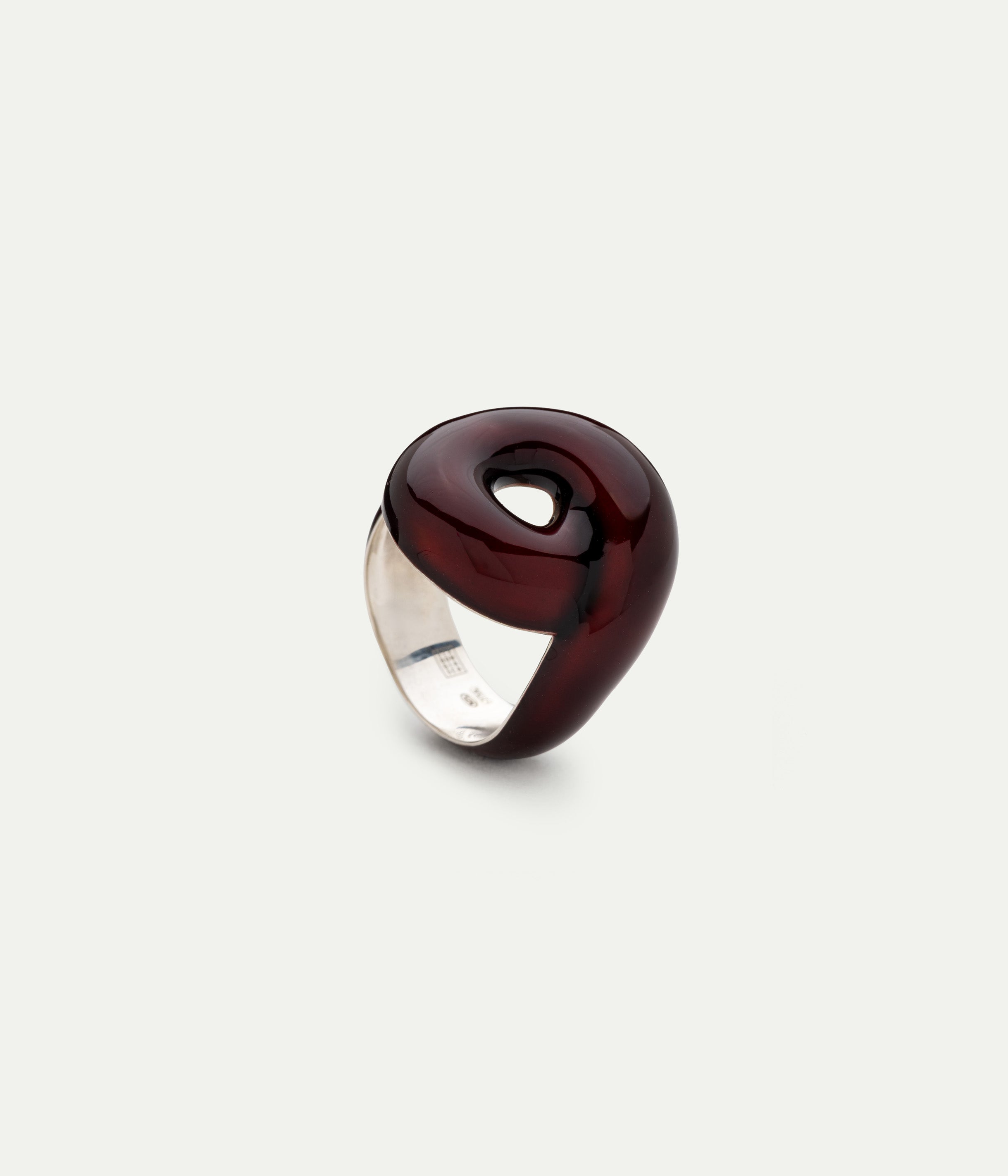
Tarallo Oxblood ring
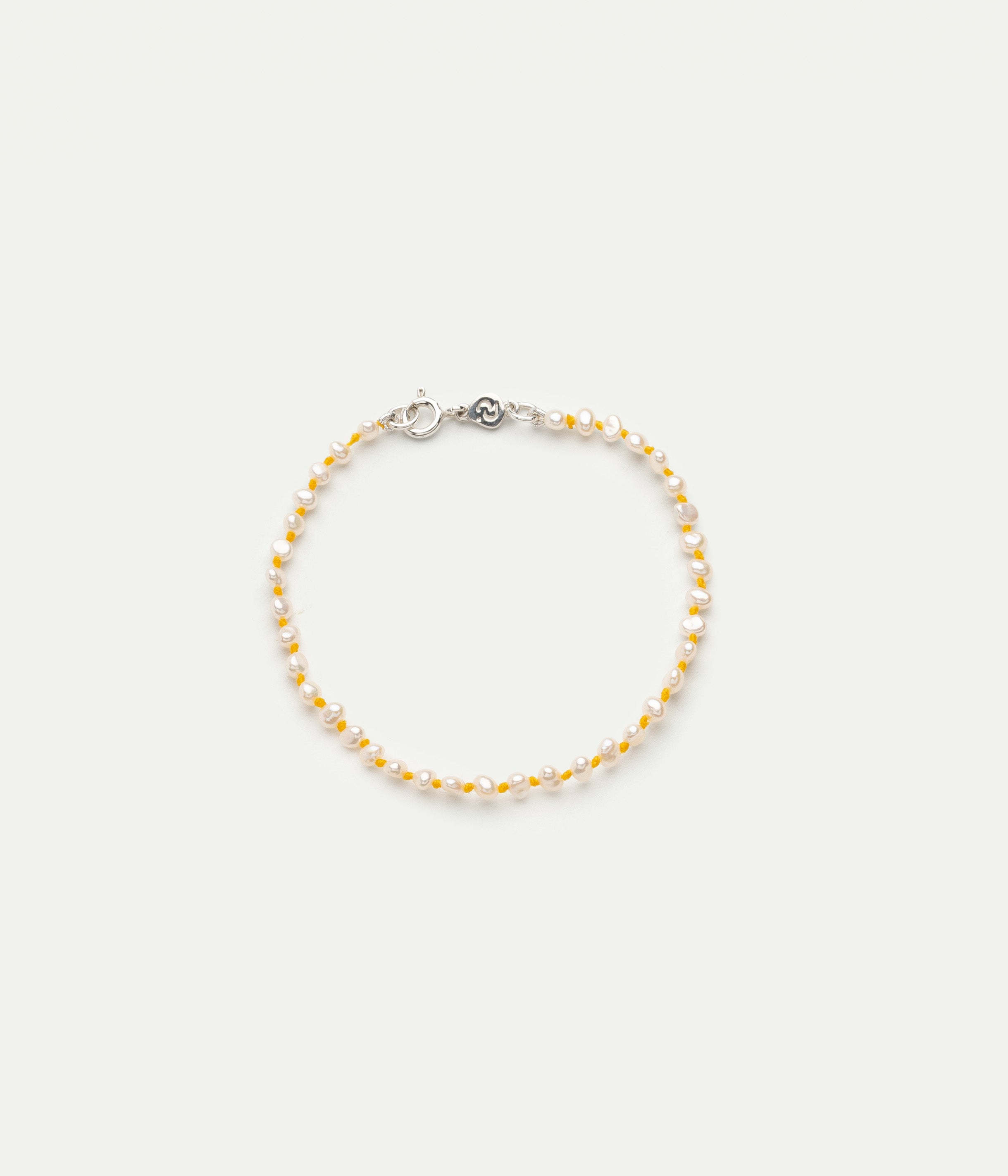
Mini Soga yellow bracelet


Beck Huggies silver hoops

Mini Soga neon green necklace

Mini Soga blue necklace

Mini Soga bicolor neon pink necklace


Baby Vine Navy Pink Corundum ring


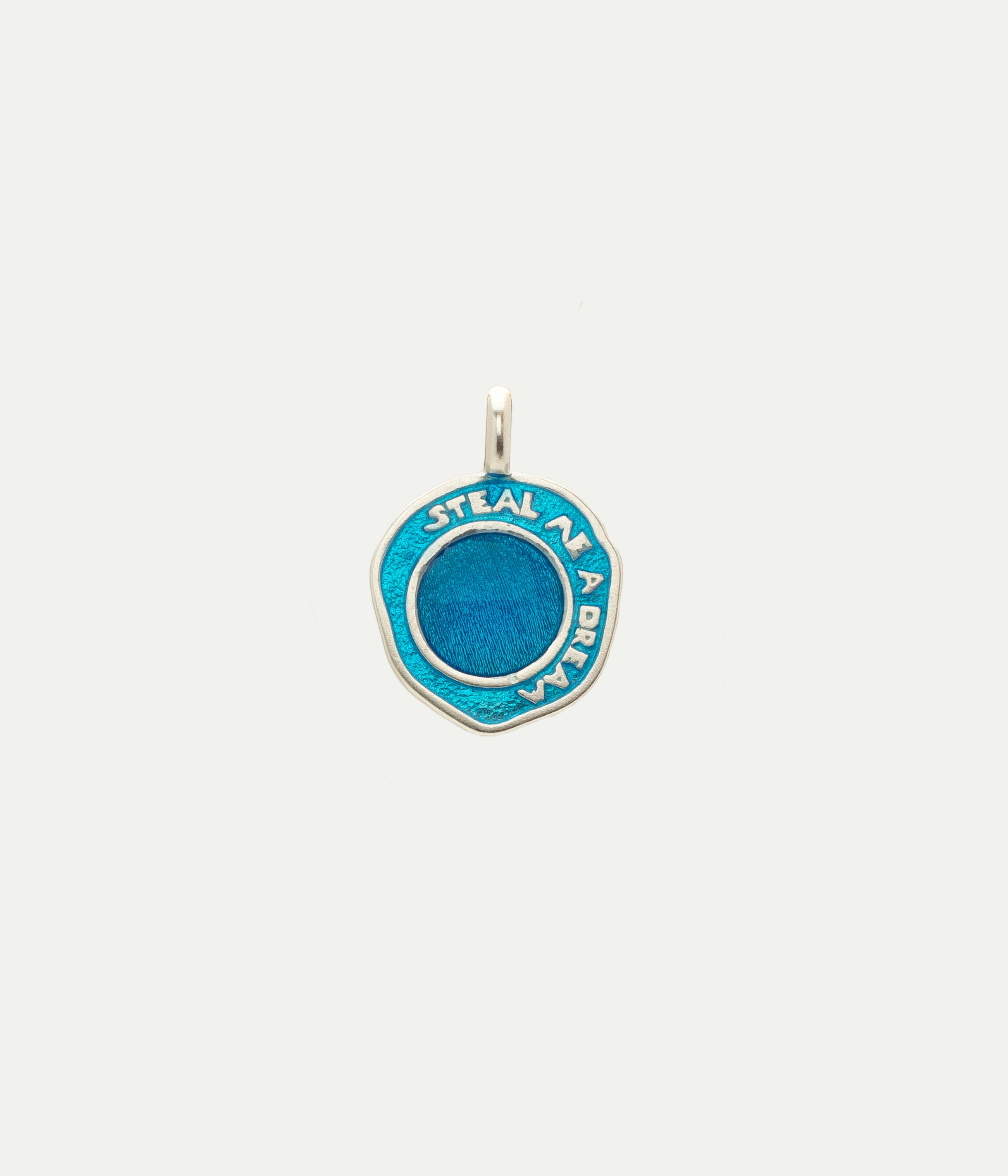

Hydra pendant
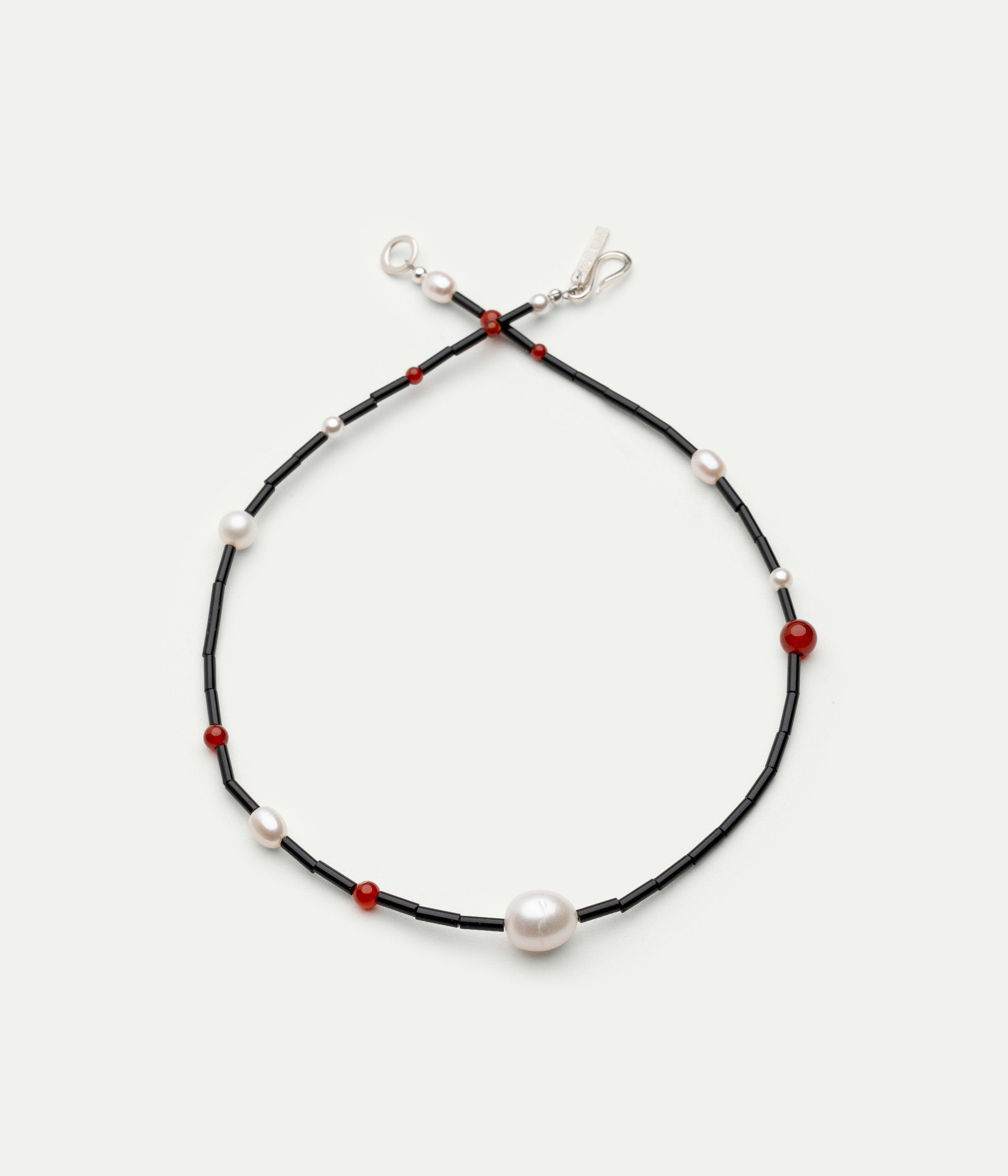
Celestial Necklace

Reversible Hinged Large Earrings
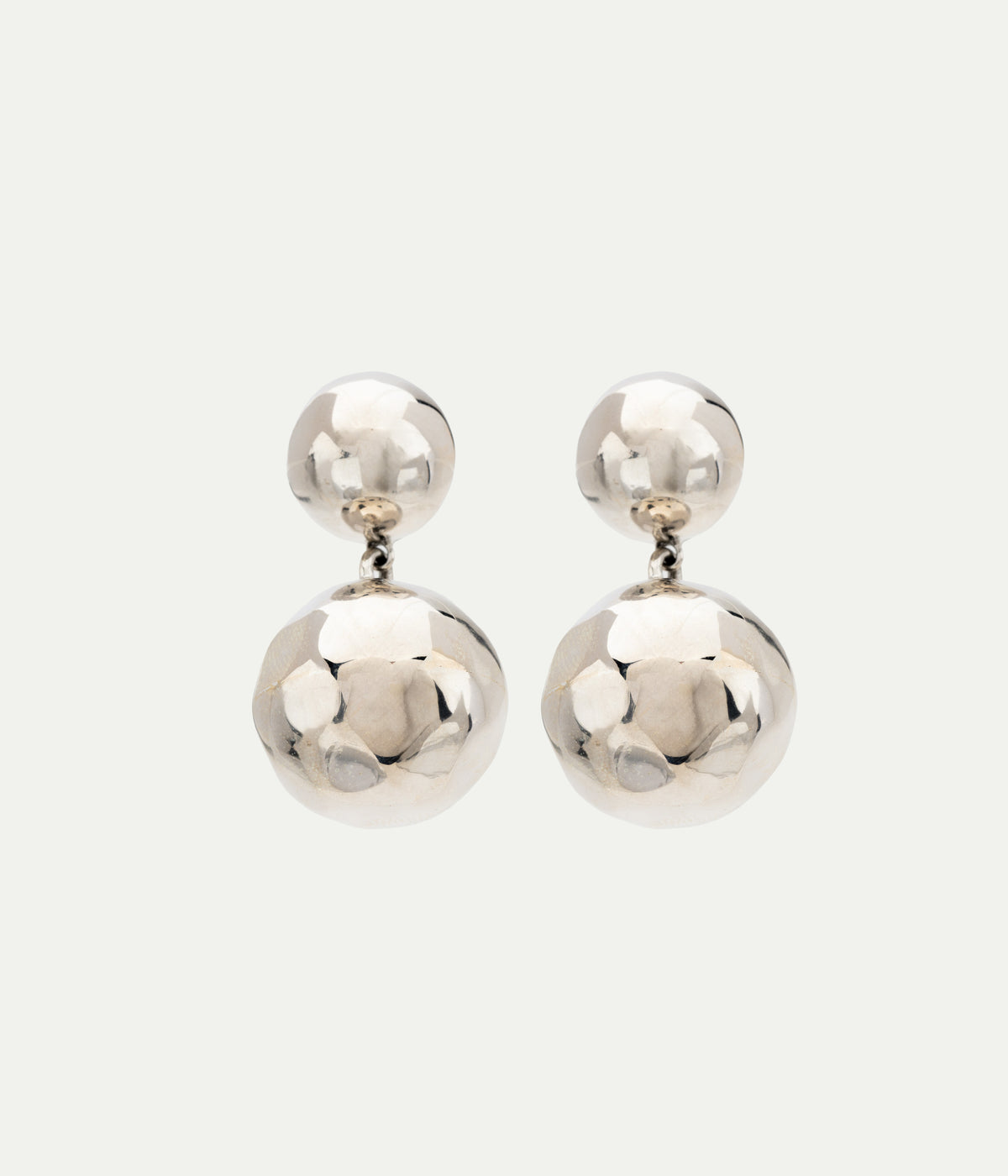
Medici Earrings
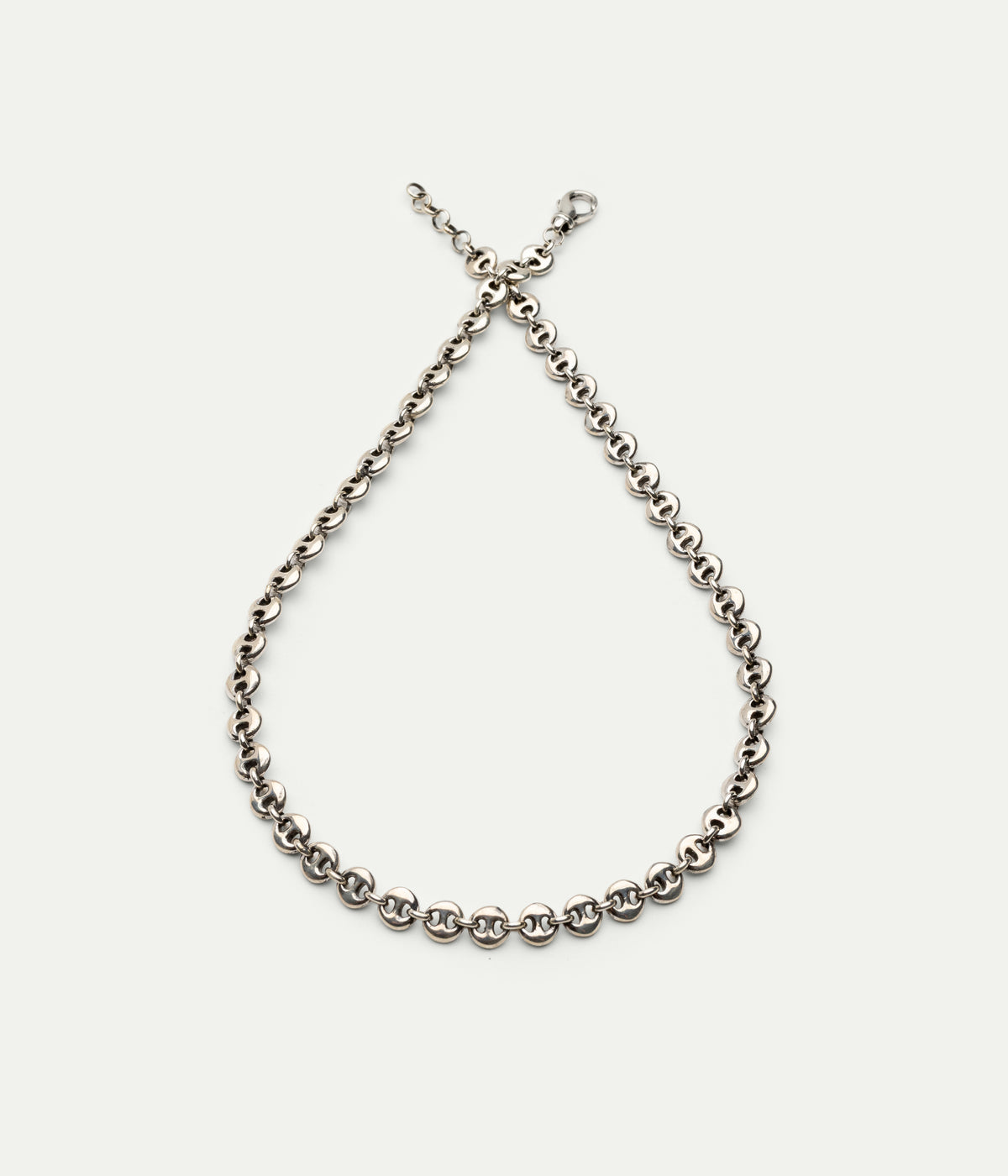
Small Circle Link Necklace
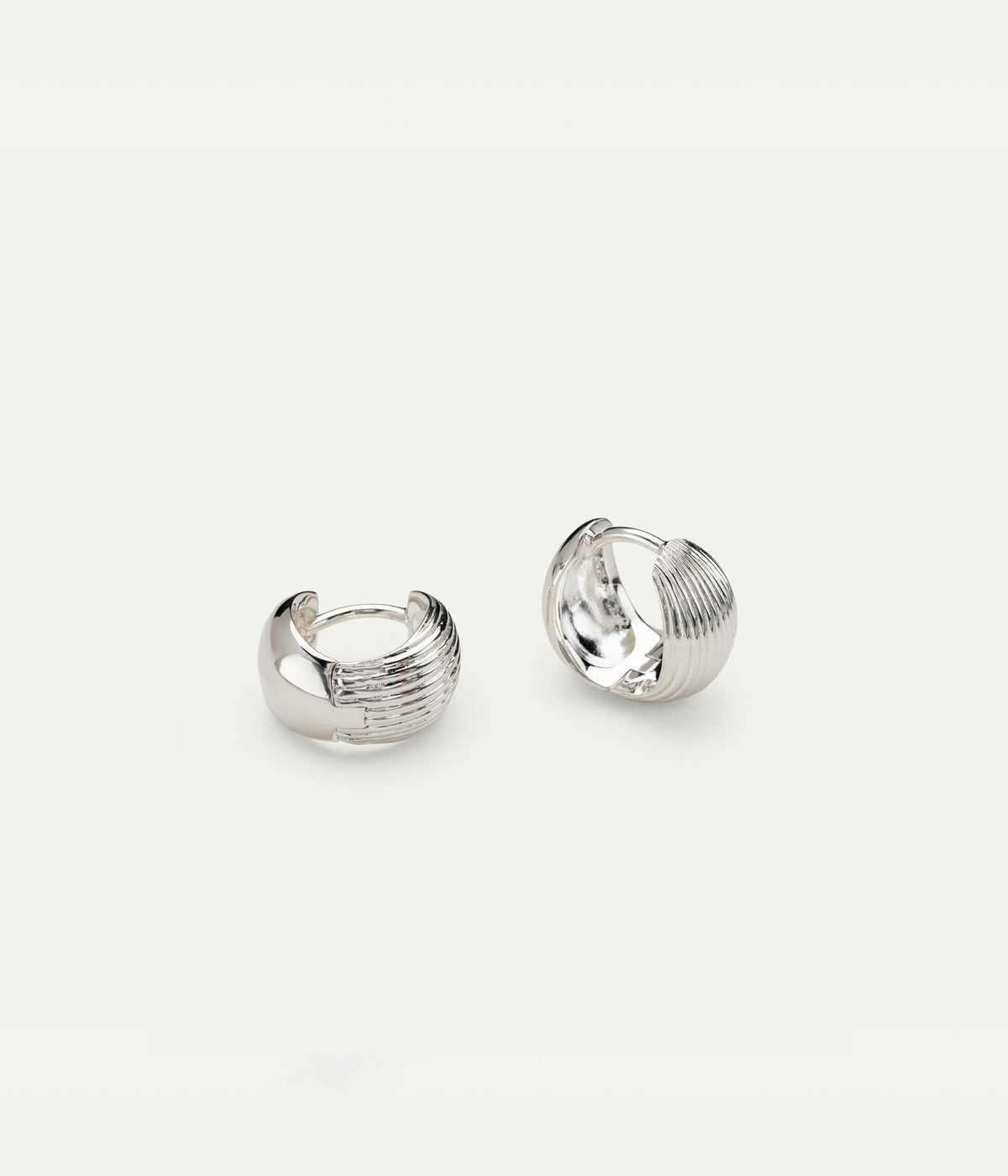
Reversible Hinged Earrings

Cornelian Constellation Necklace
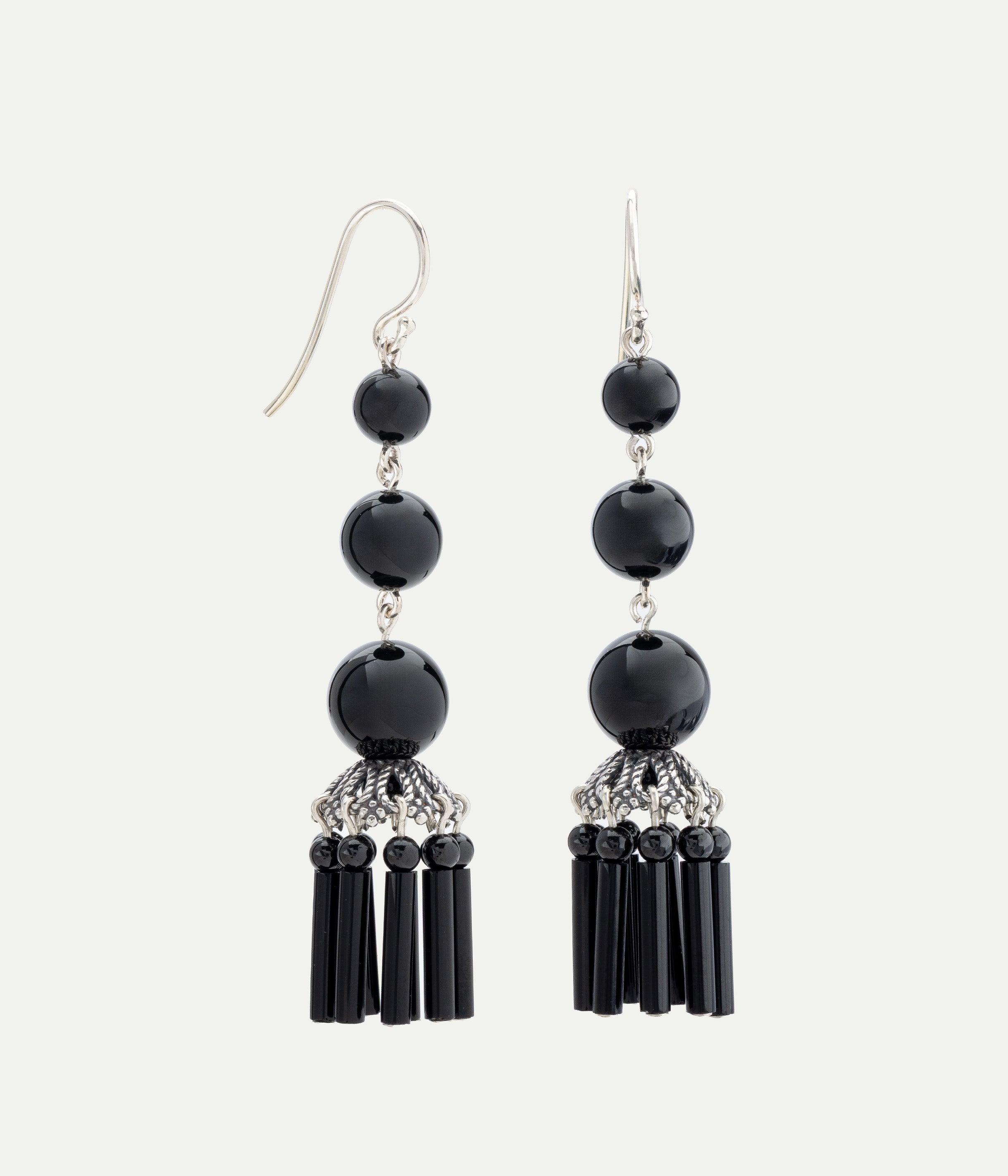
Triplet flamenco earrings
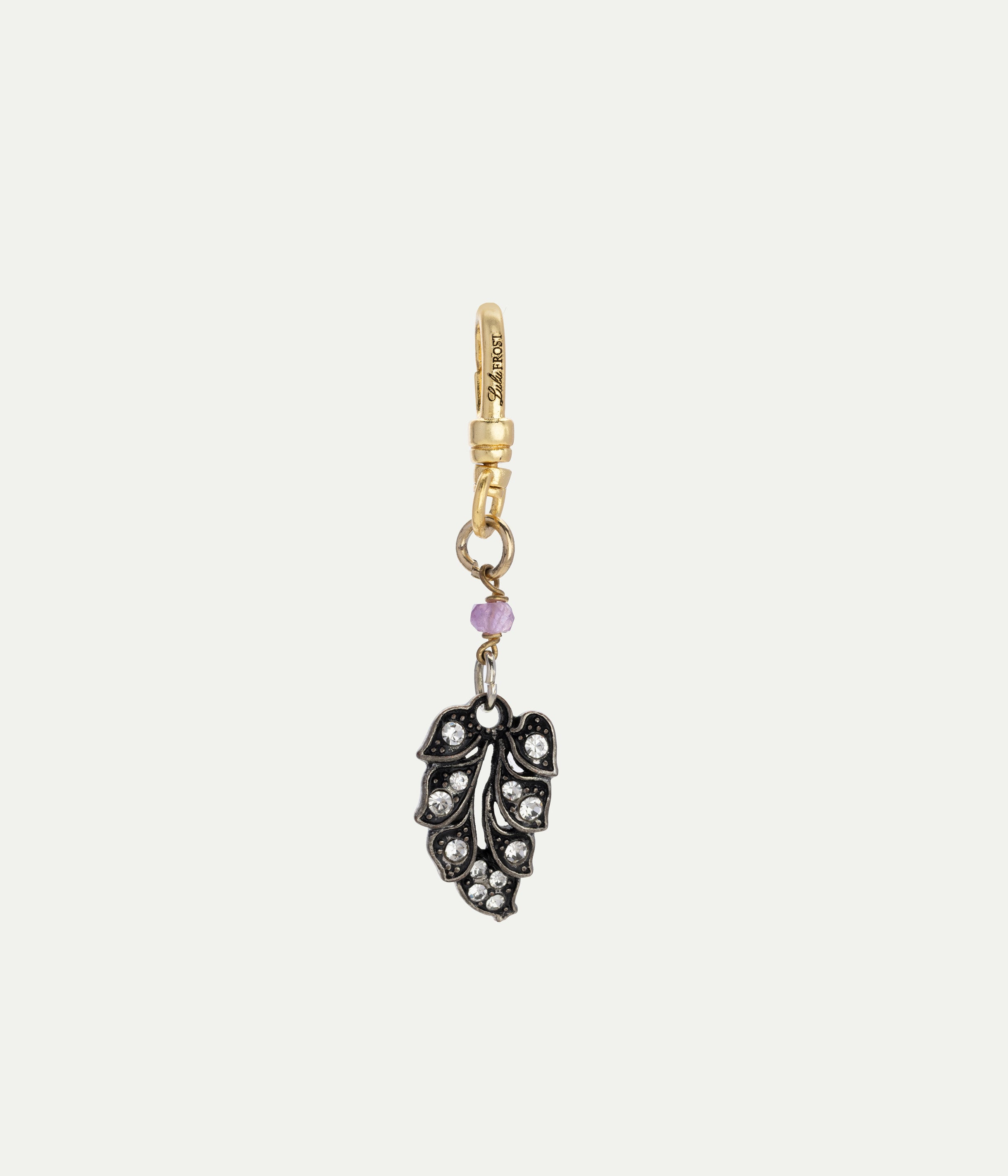
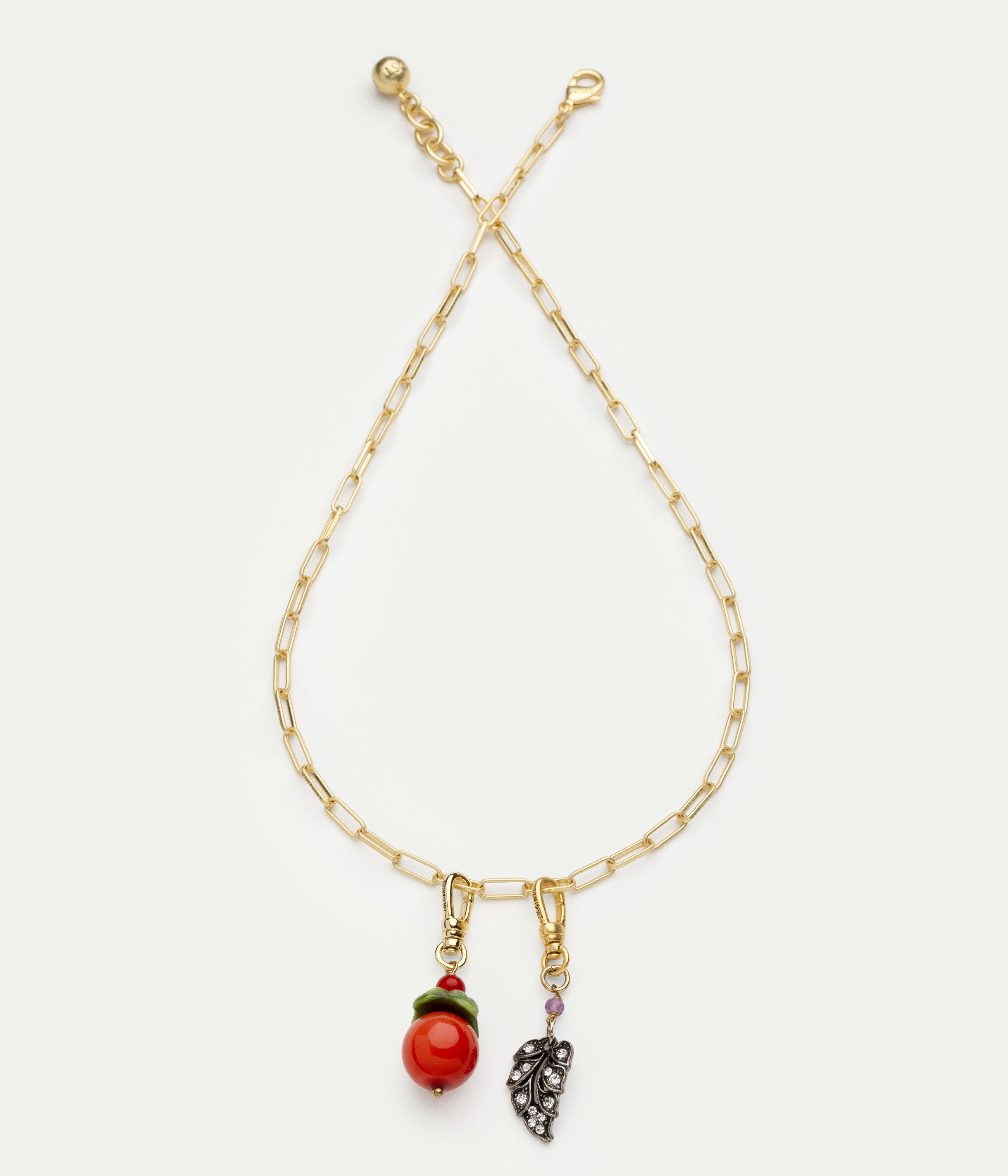
Leaf charm
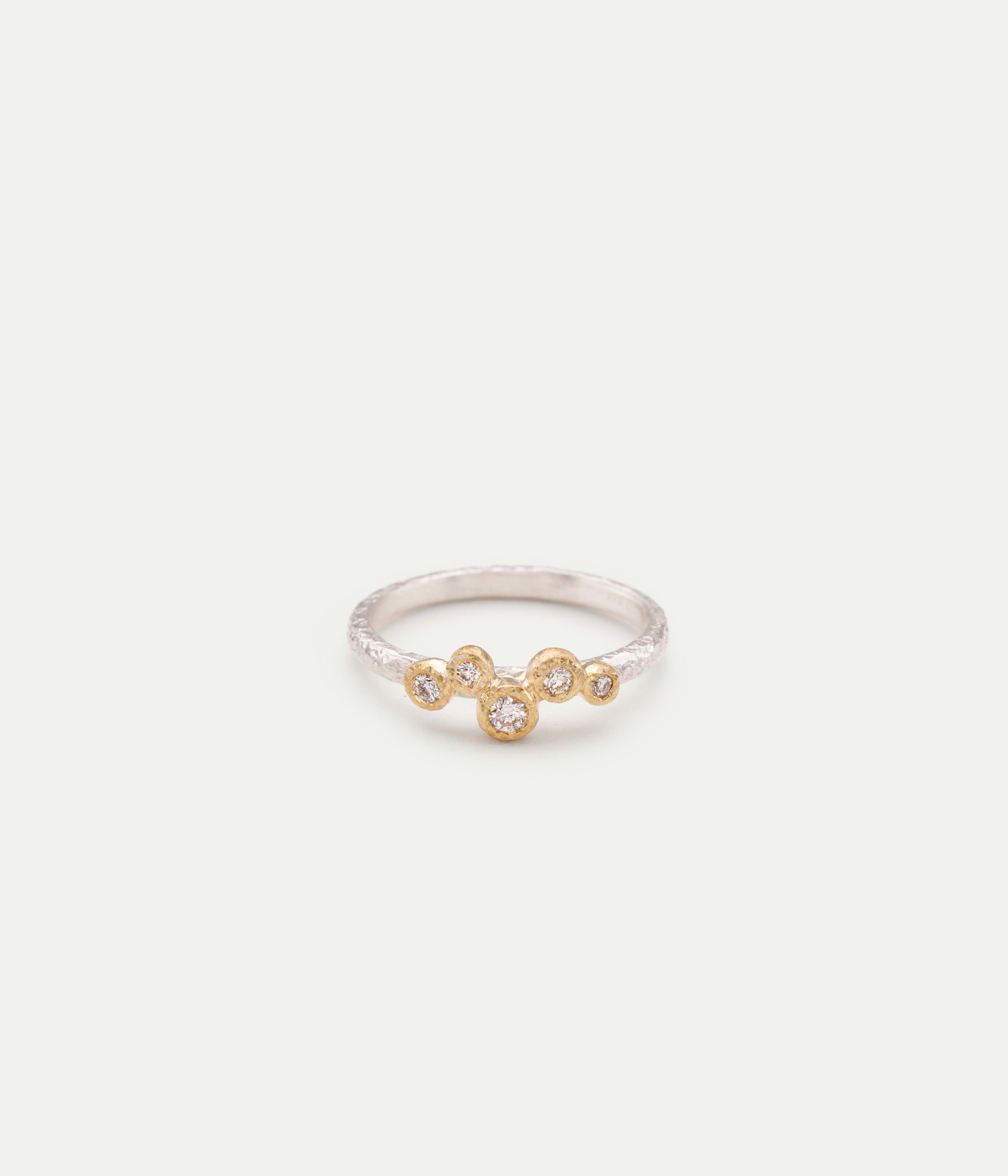
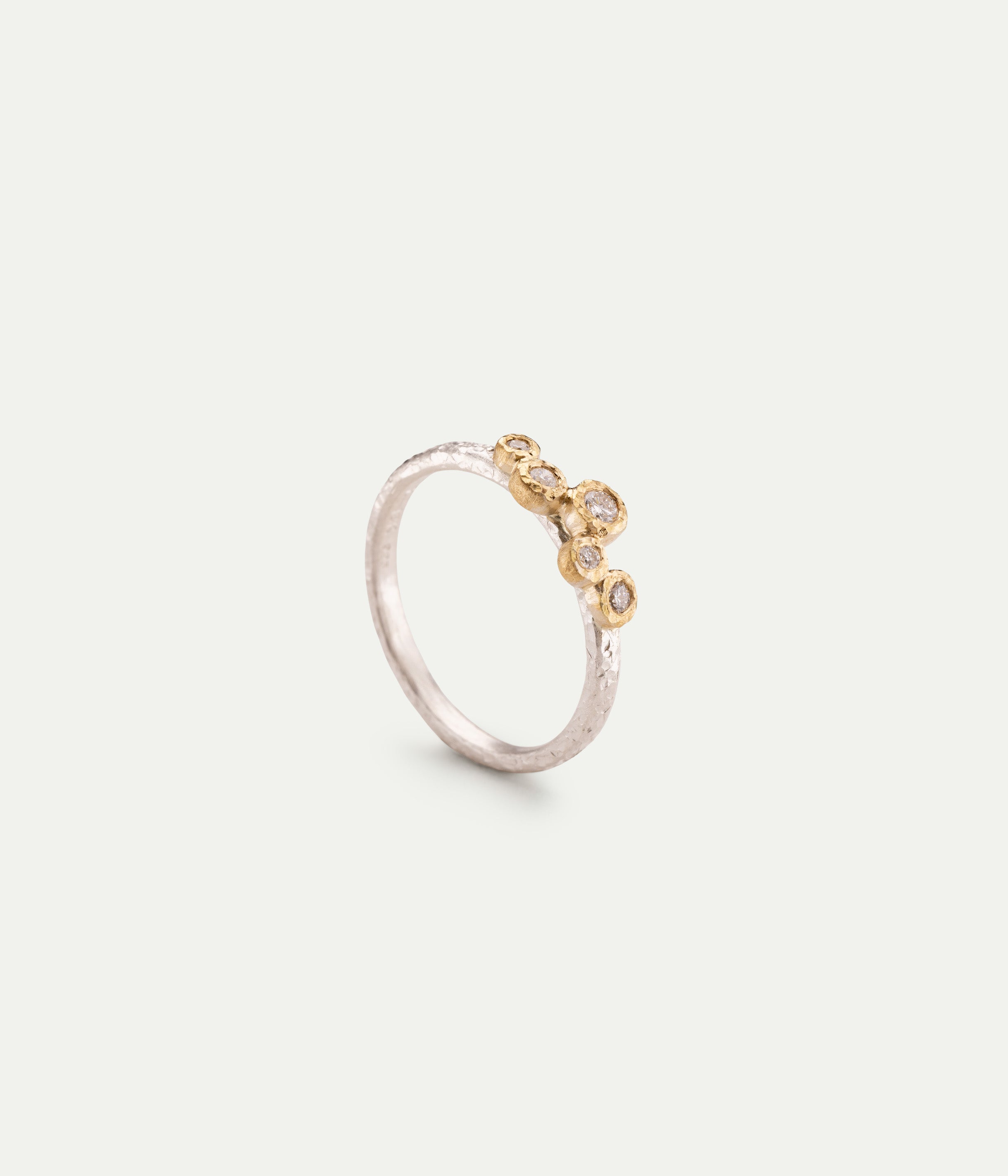
5 bezel diamonds ring
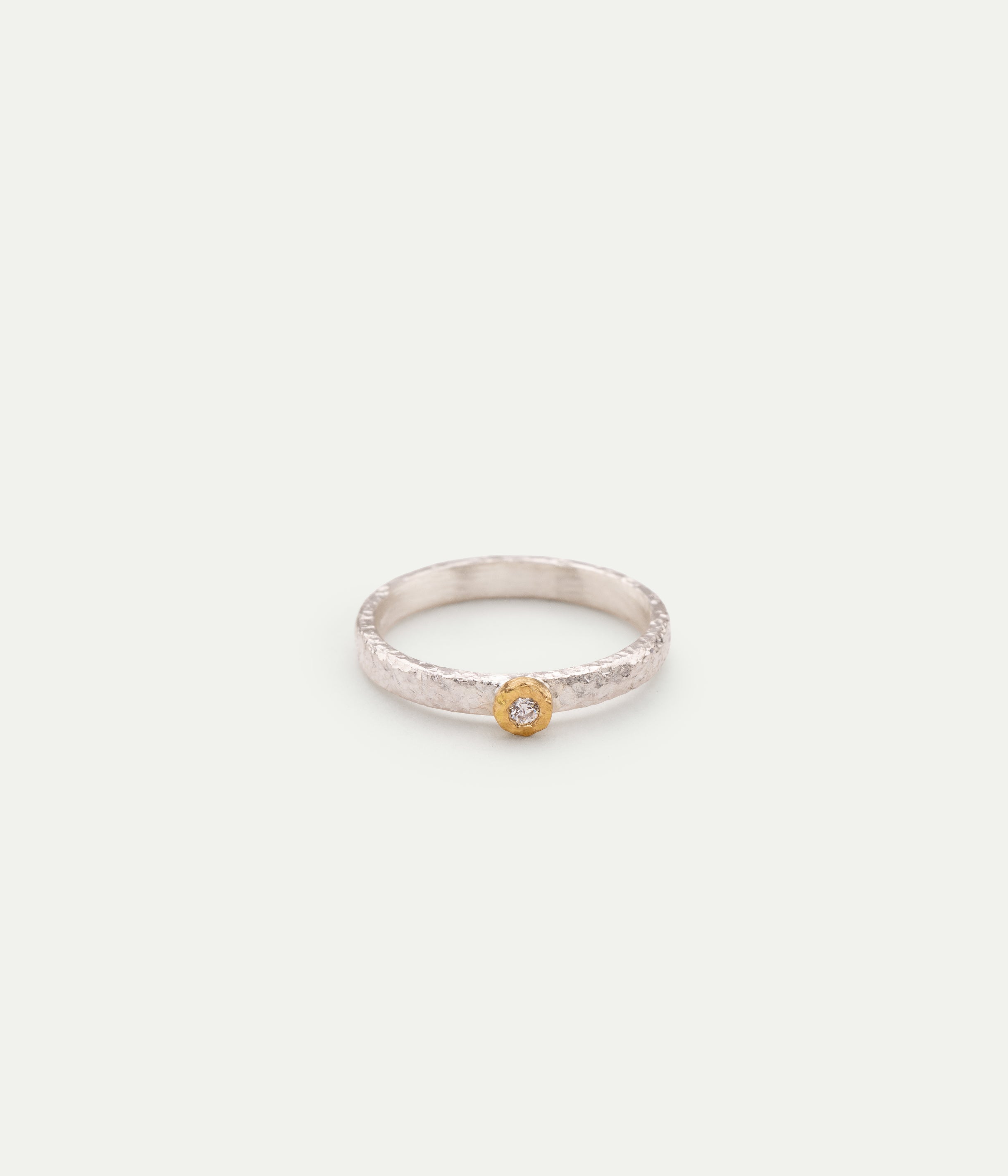
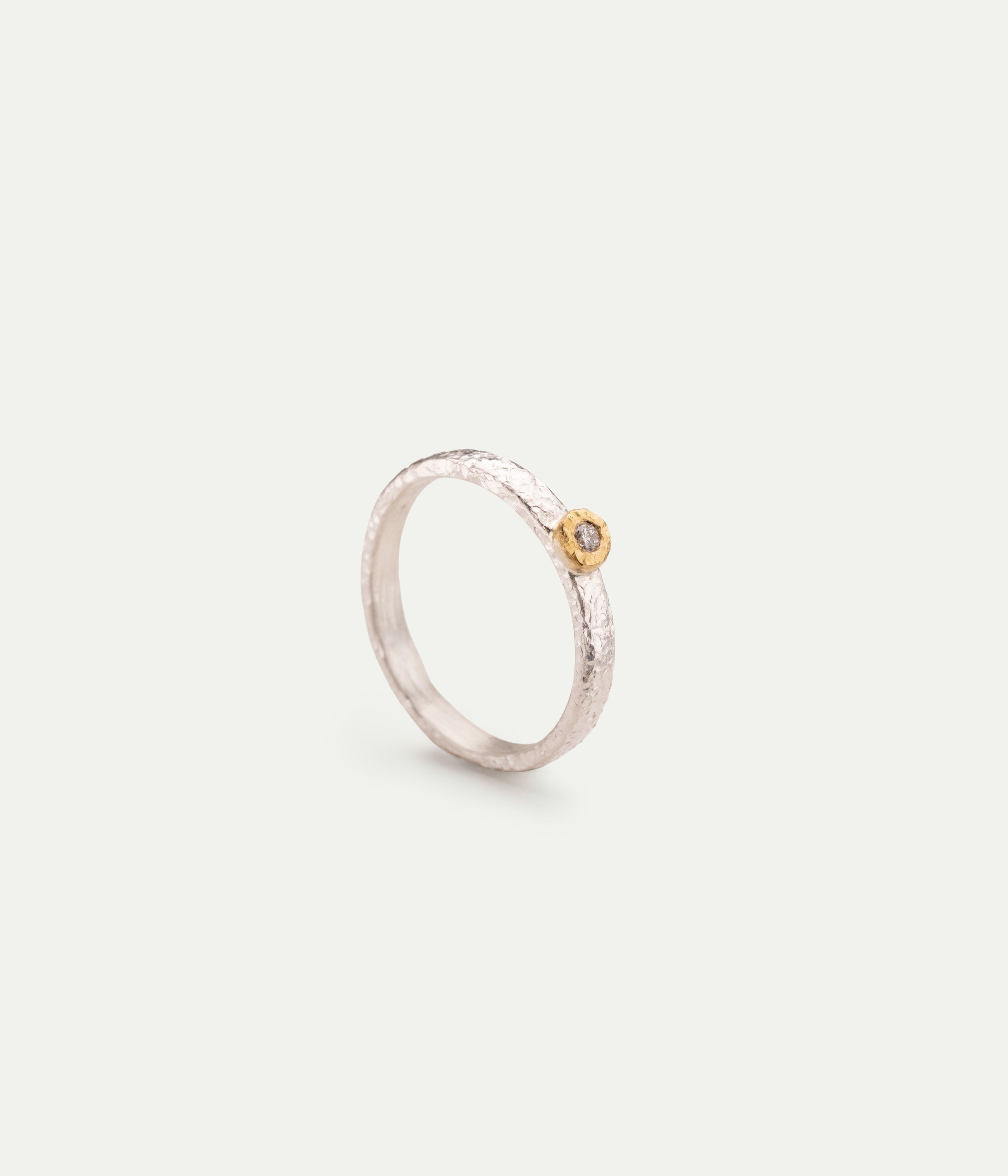
Bezel ring
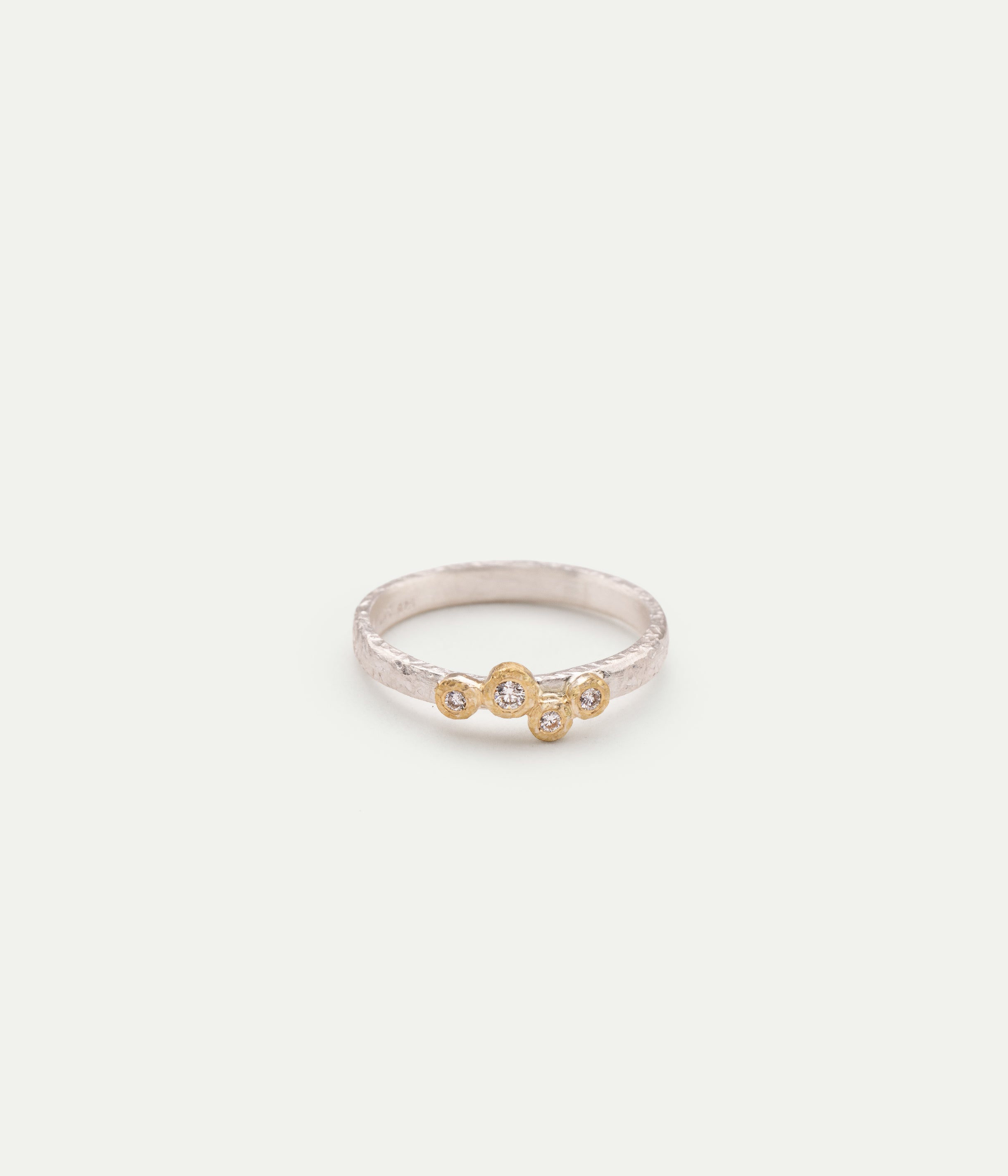
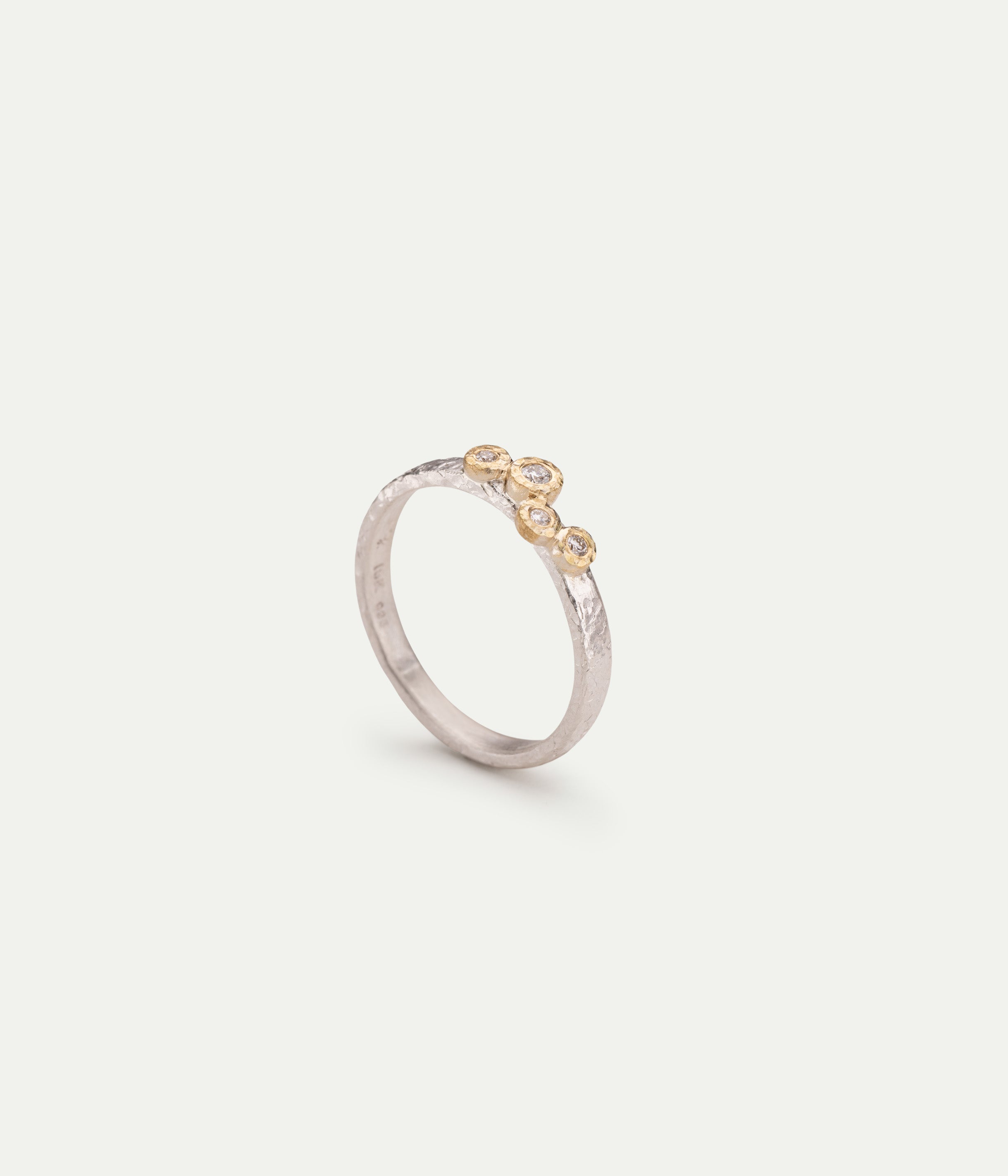
4 bezel diamonds ring
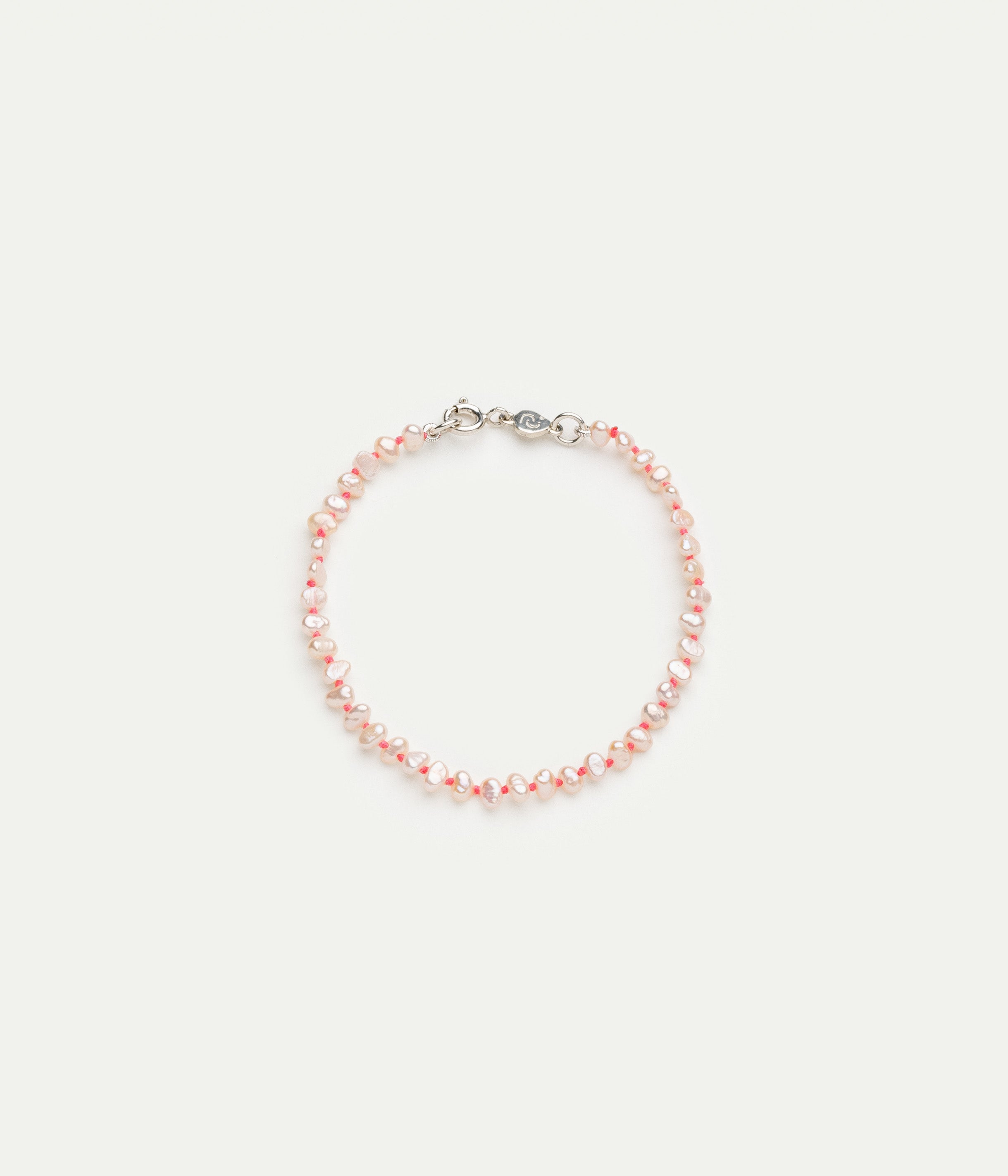
Mini Soga rose candy bracelet
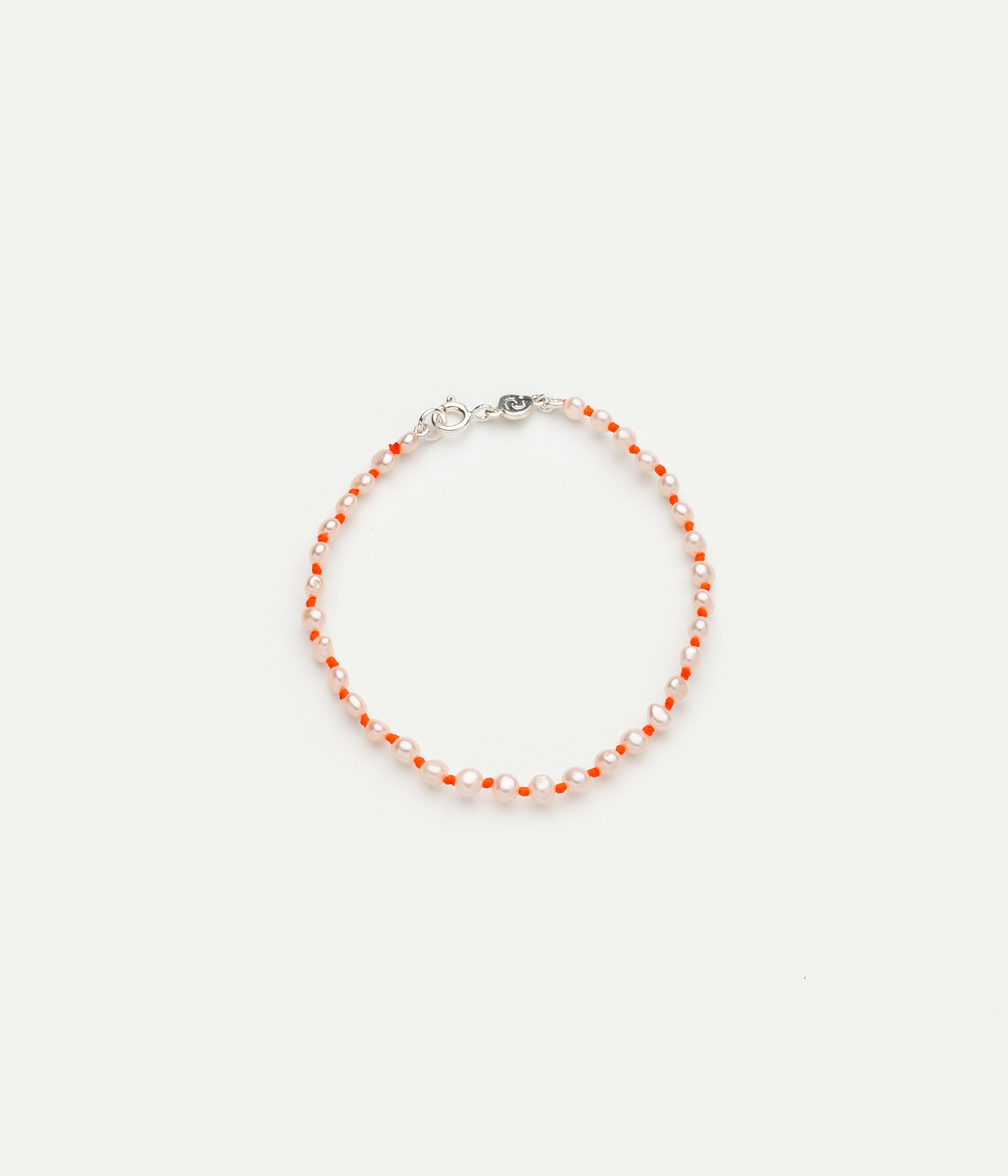
Mini Soga coral bracelet
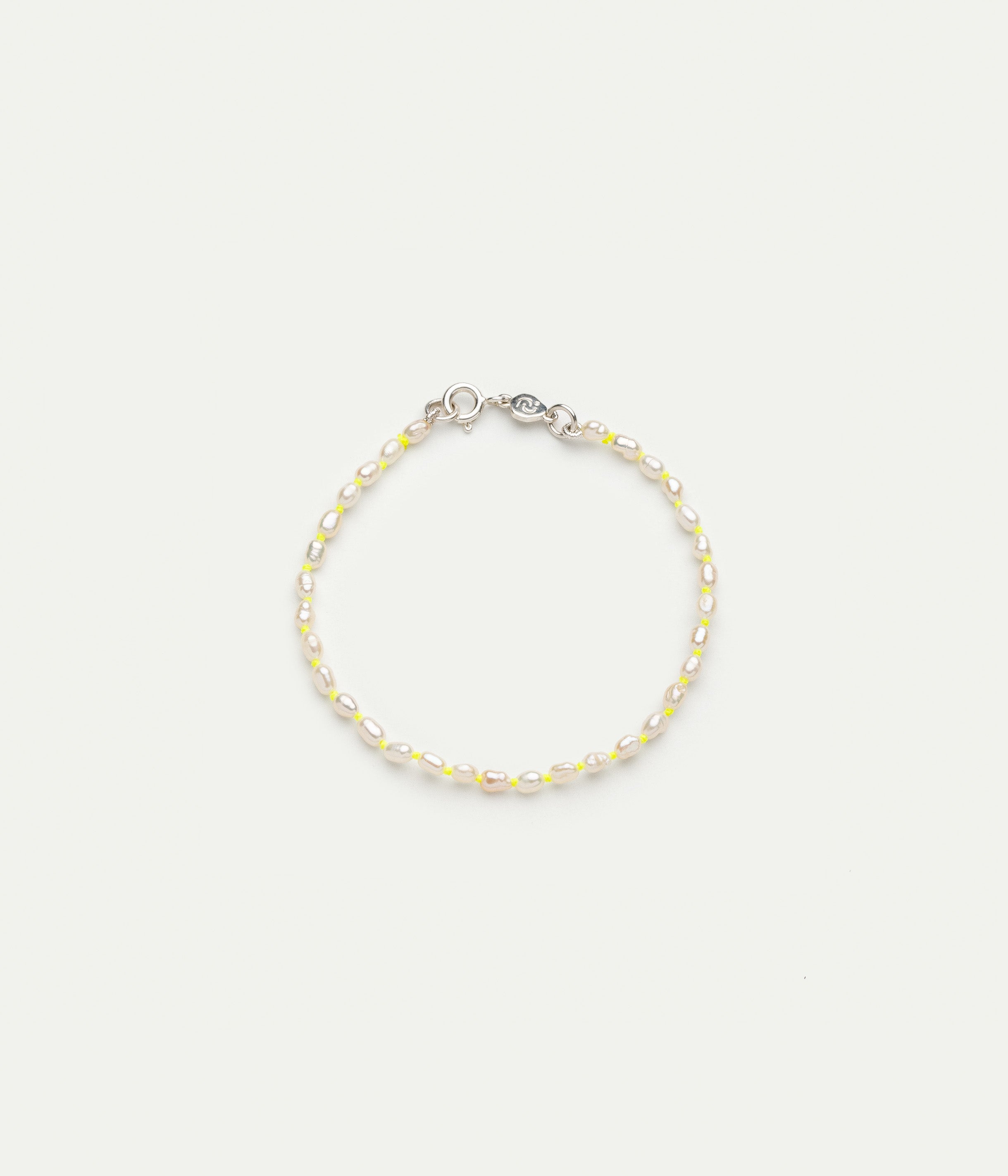
Mini Soga neon yellow bracelet
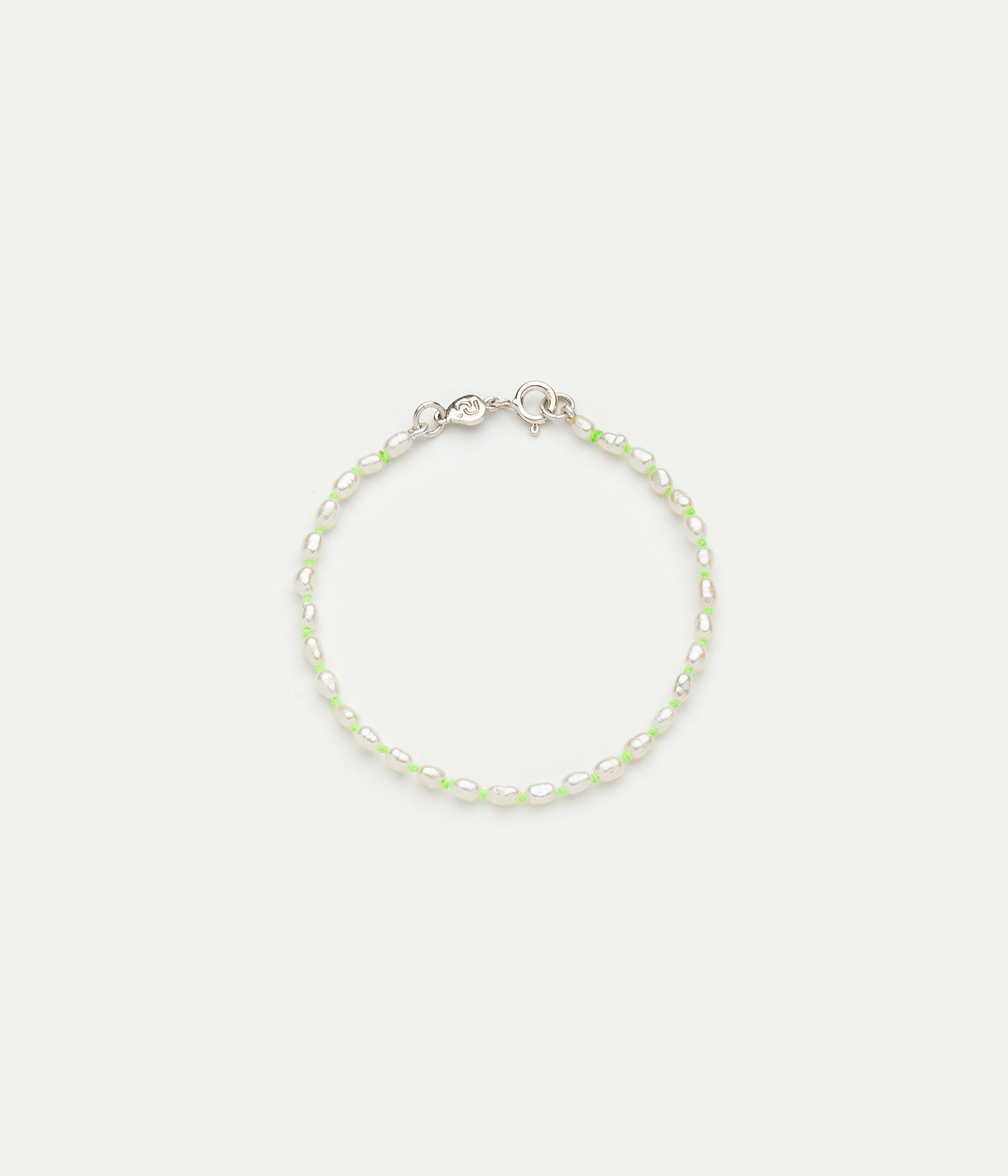
Mini Soga neon green bracelet
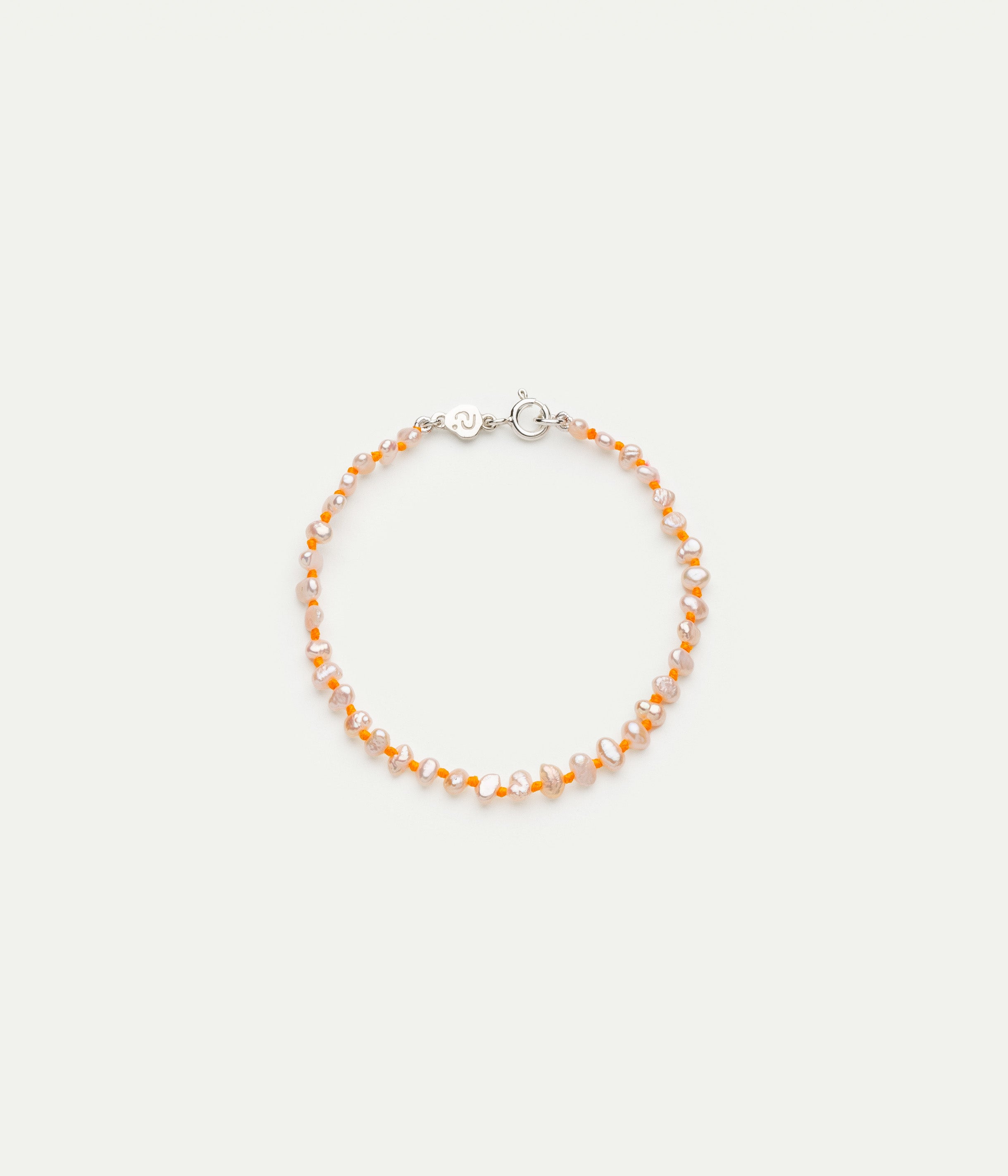
Mini Soga neon orange bracelet
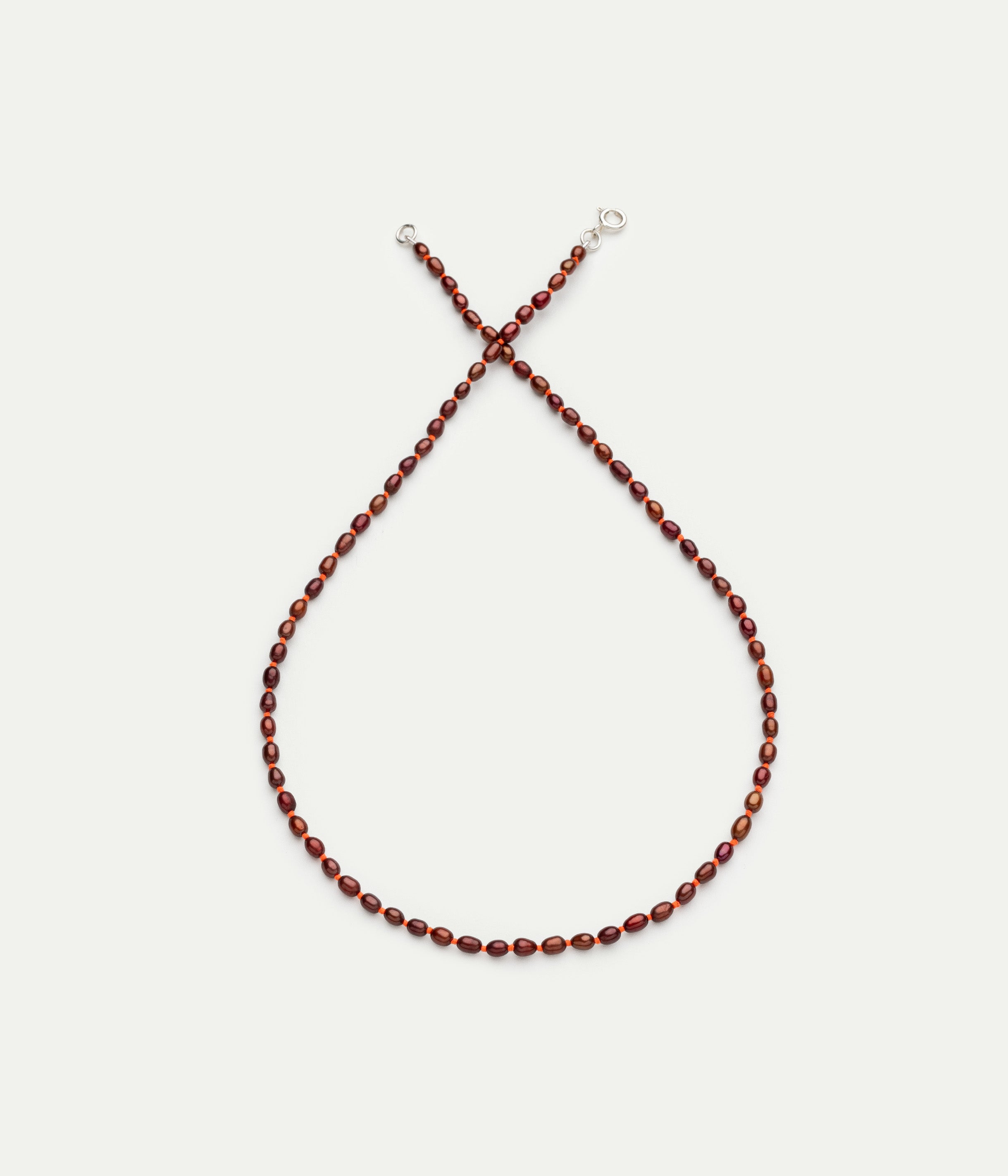
Mini Soga coral necklace - Limited edition
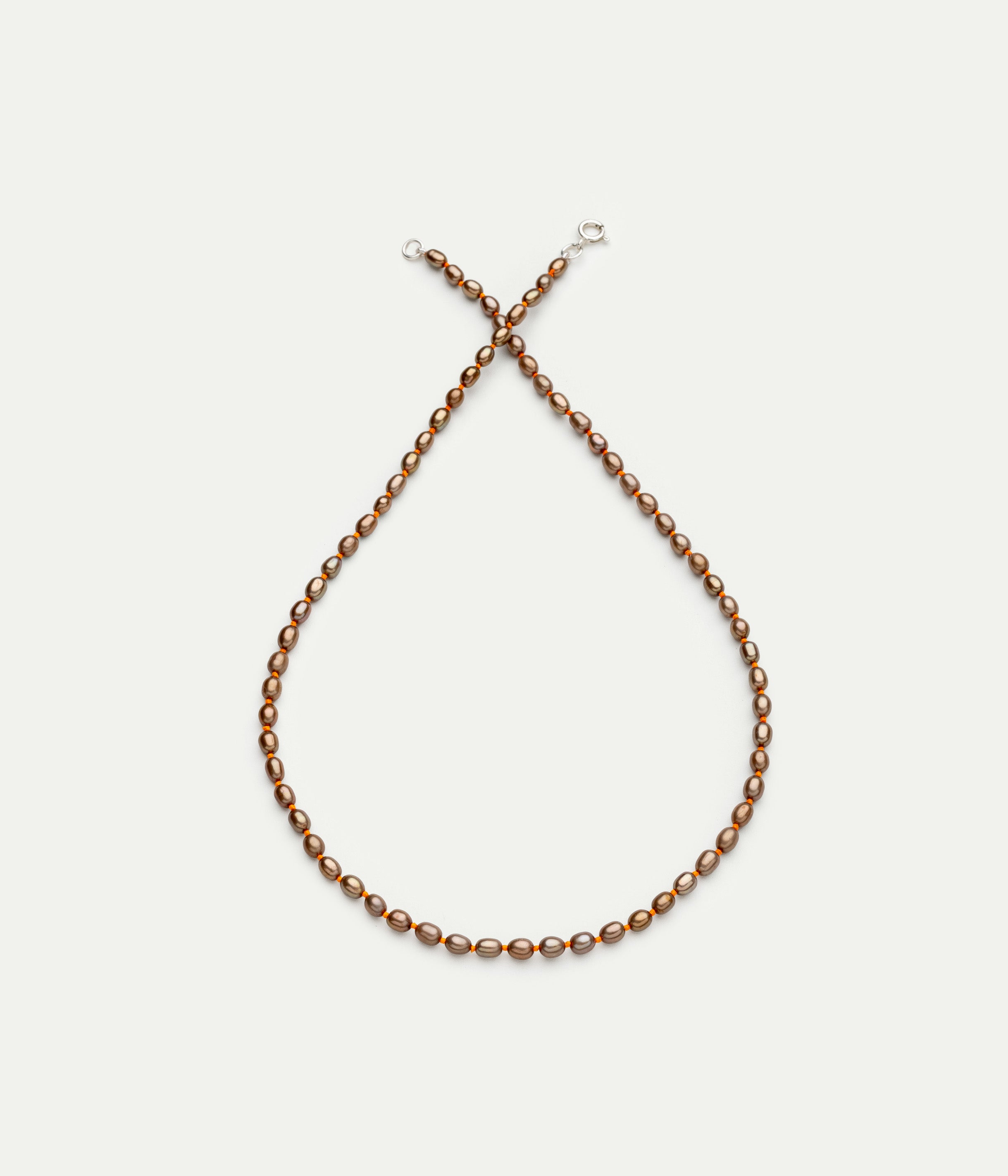
Mini Soga camel necklace - Limited edition
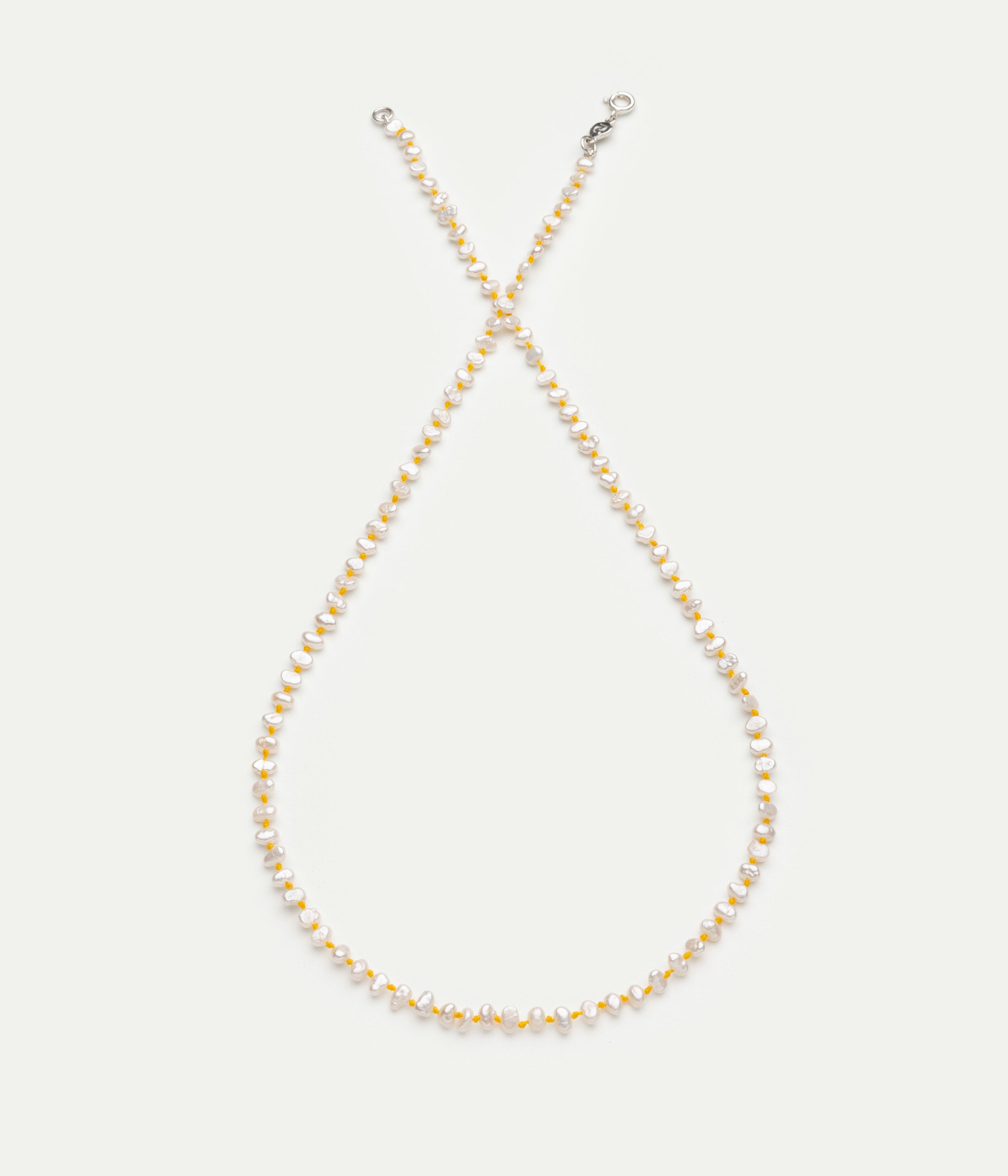
Mini Soga yellow necklace