Skip to content

Your cart is empty

Continue shopping

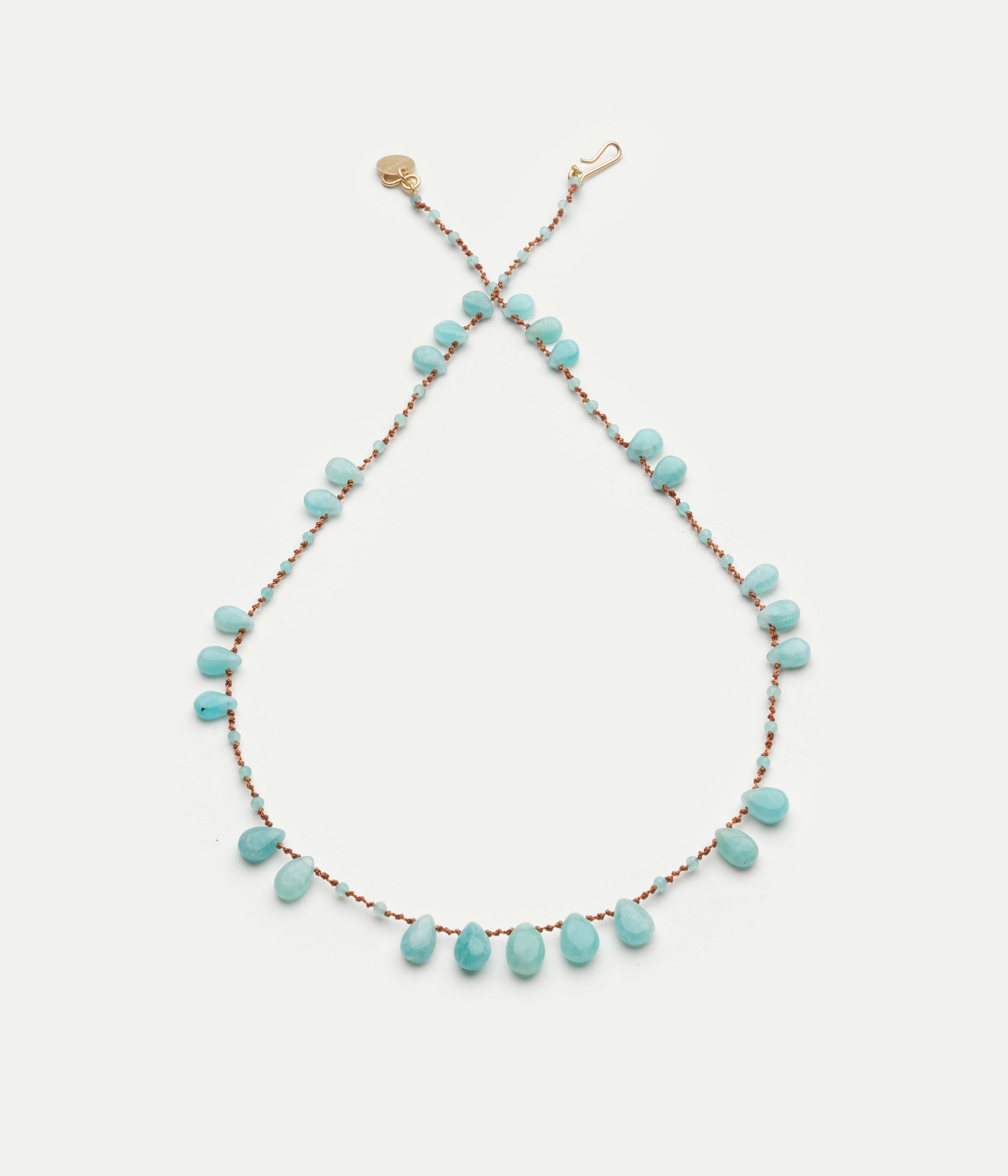
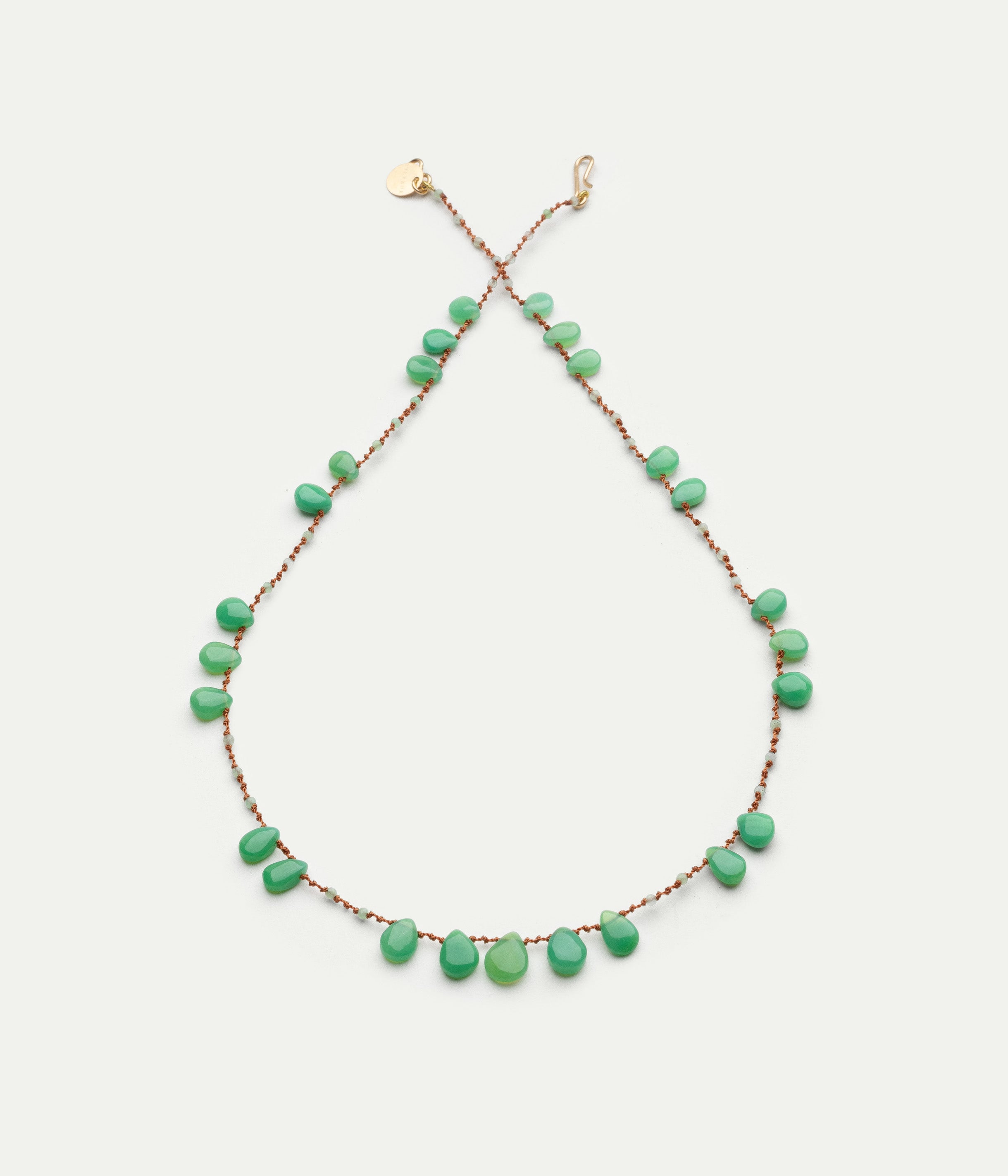
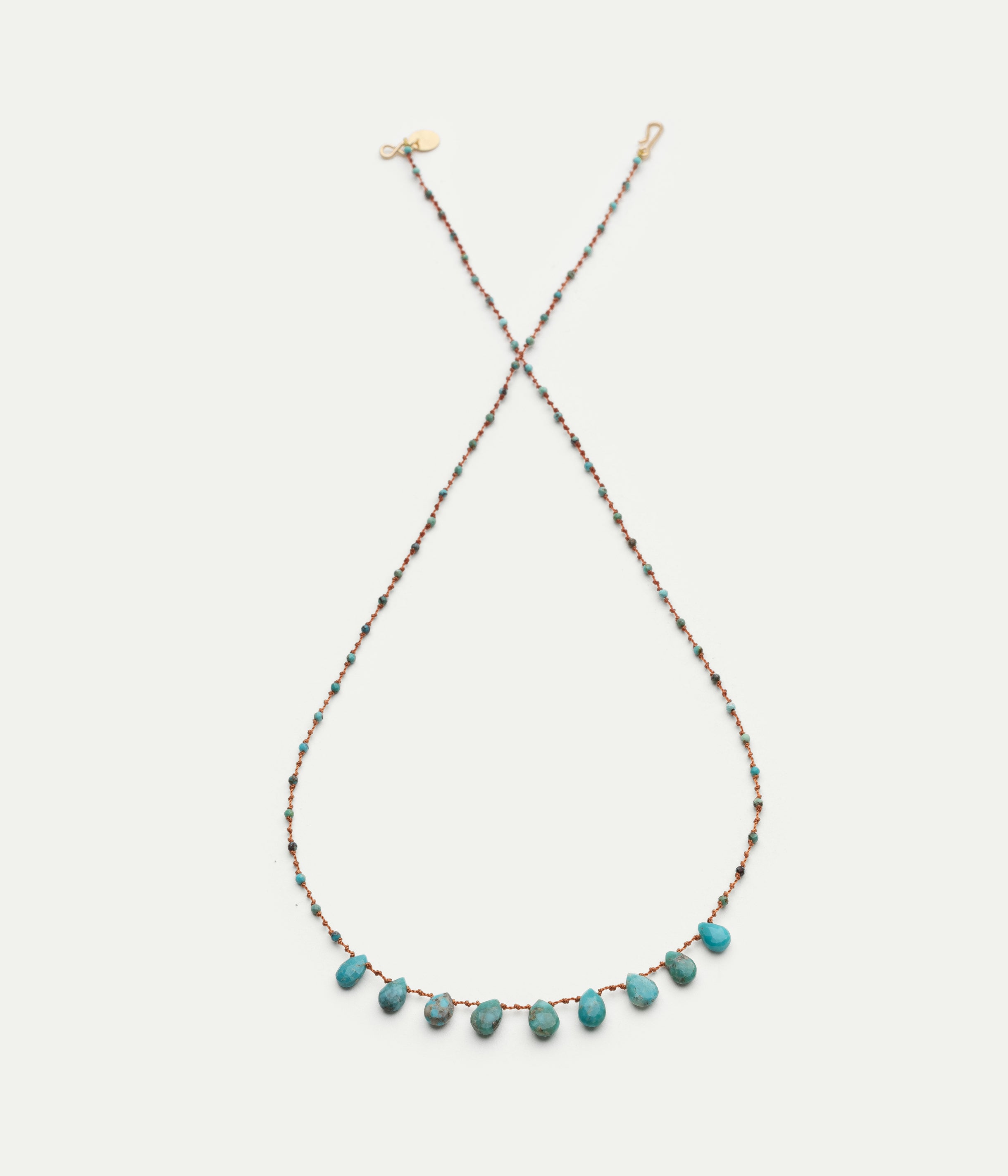
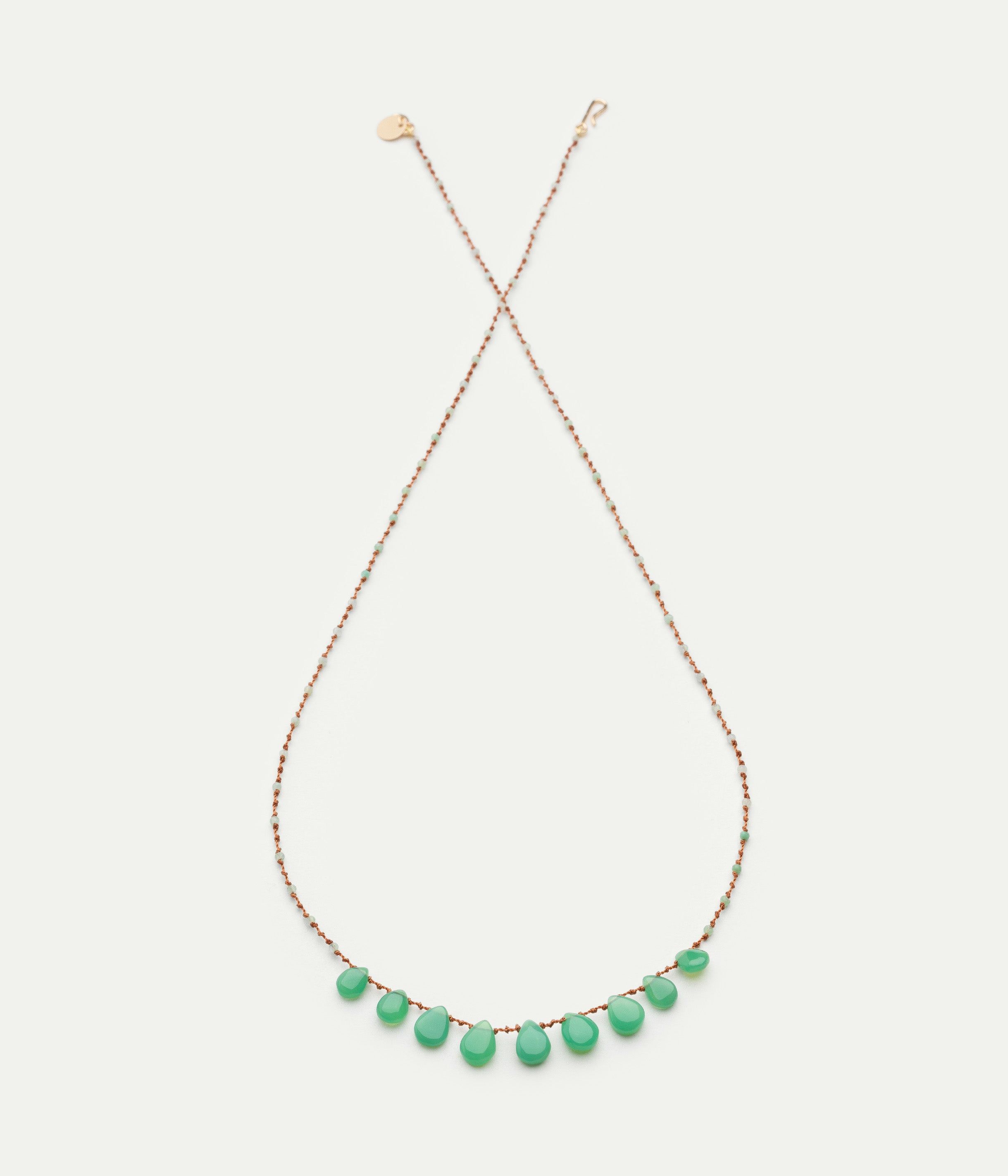
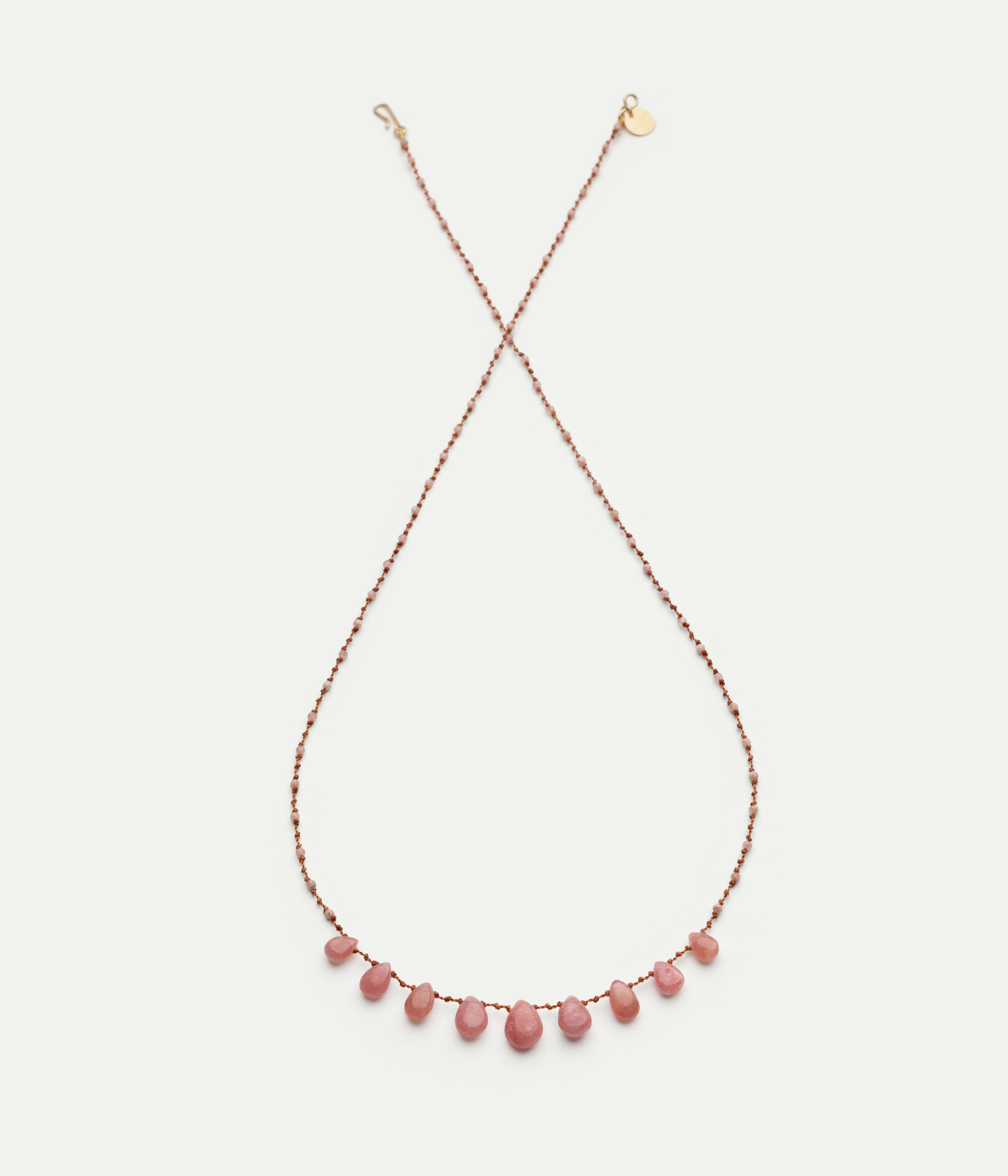
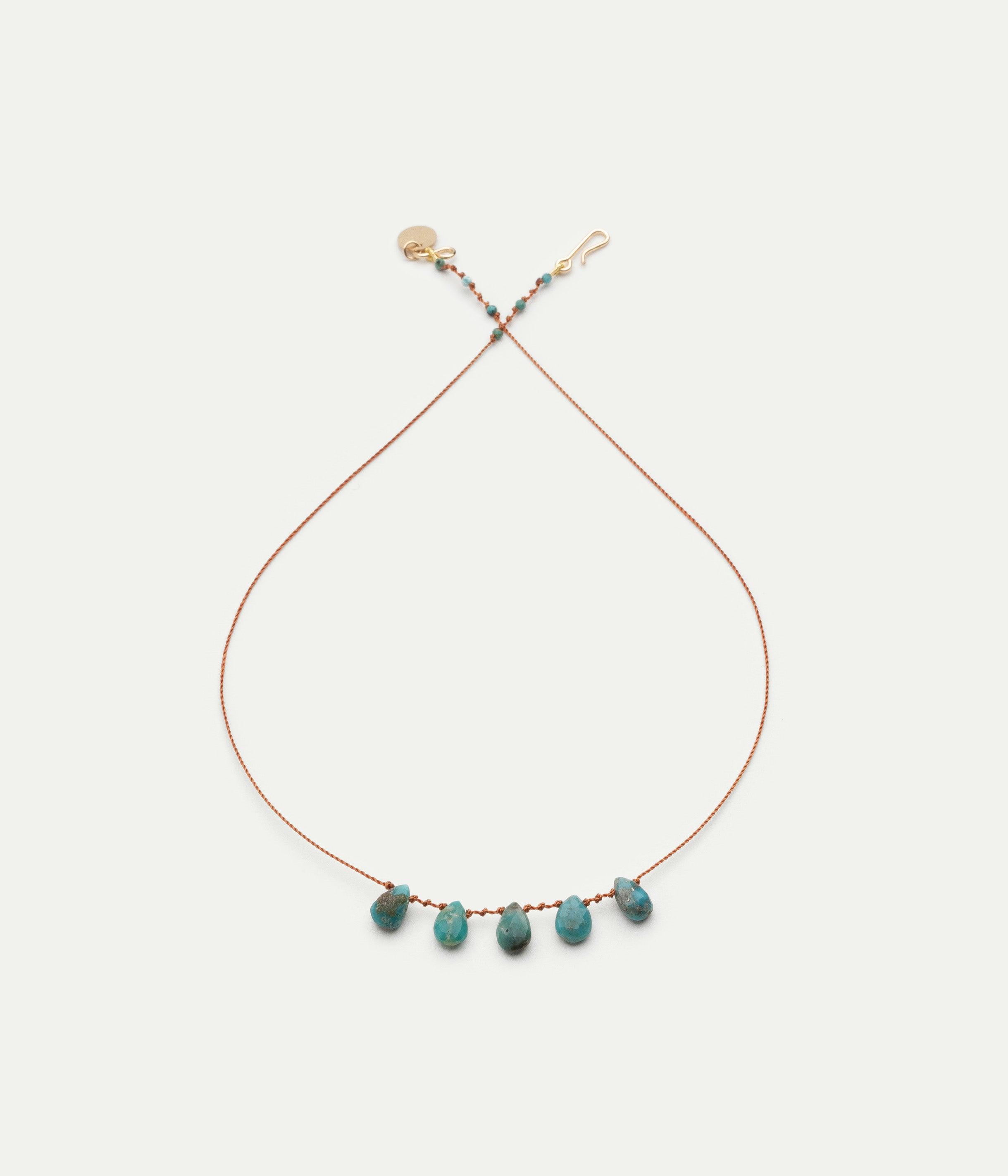
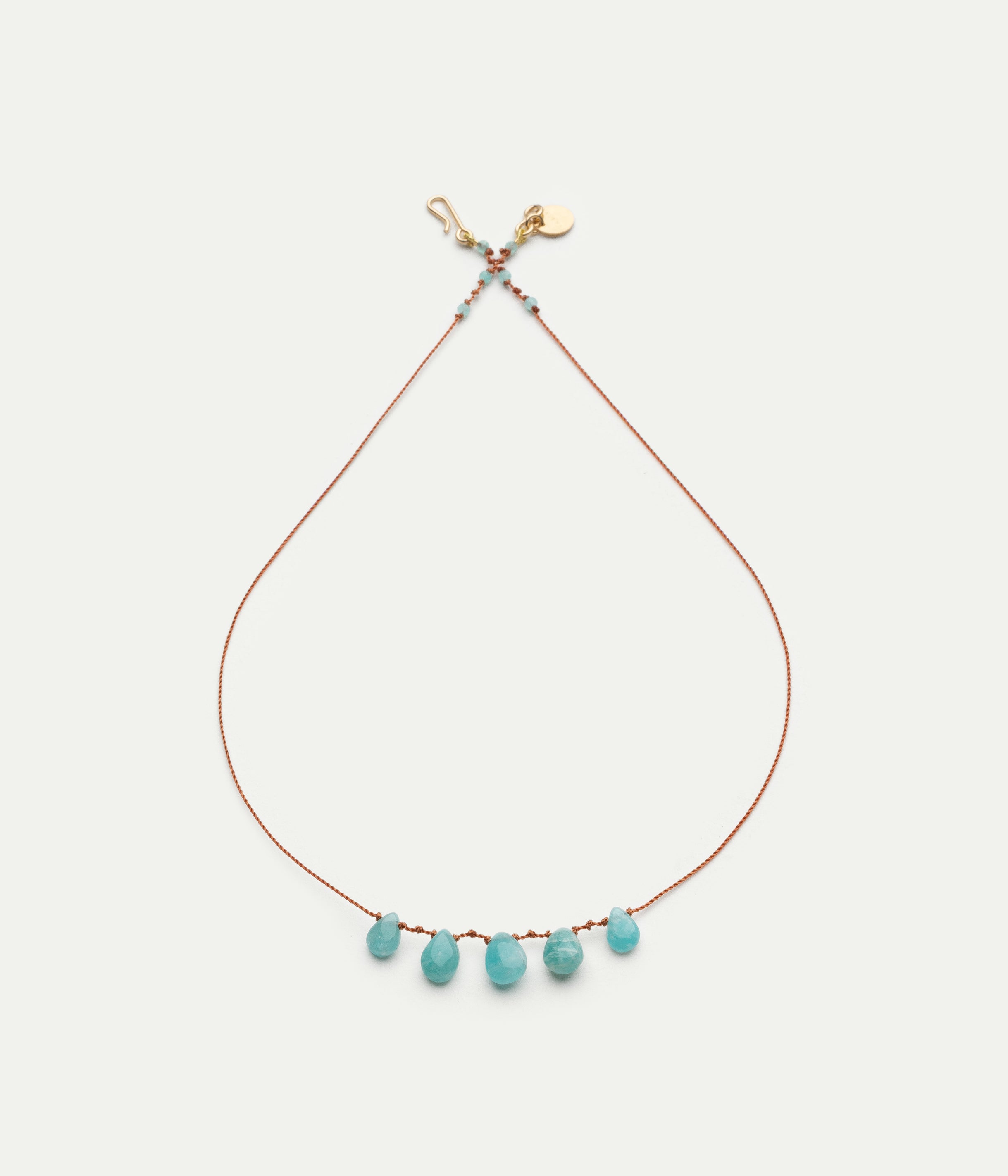
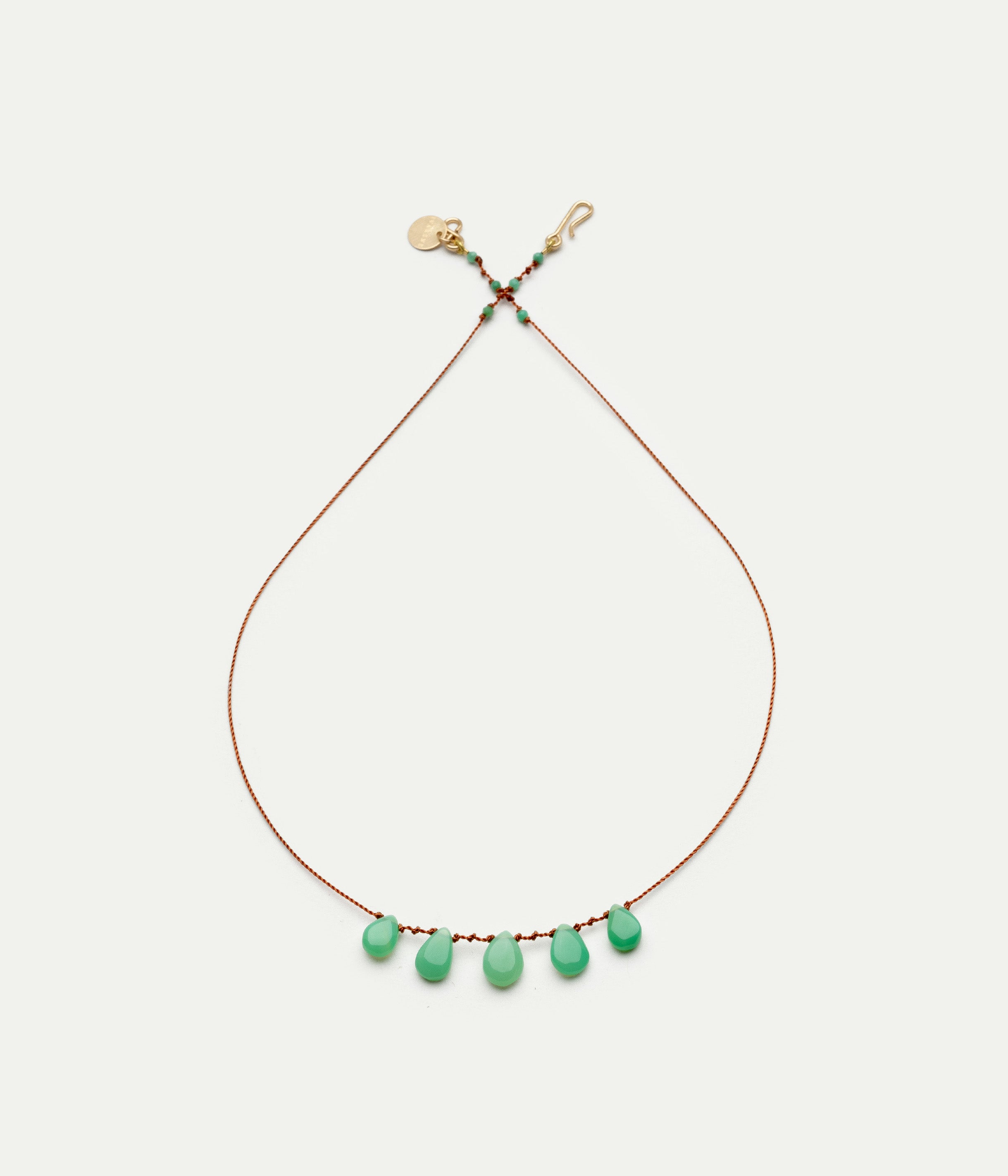
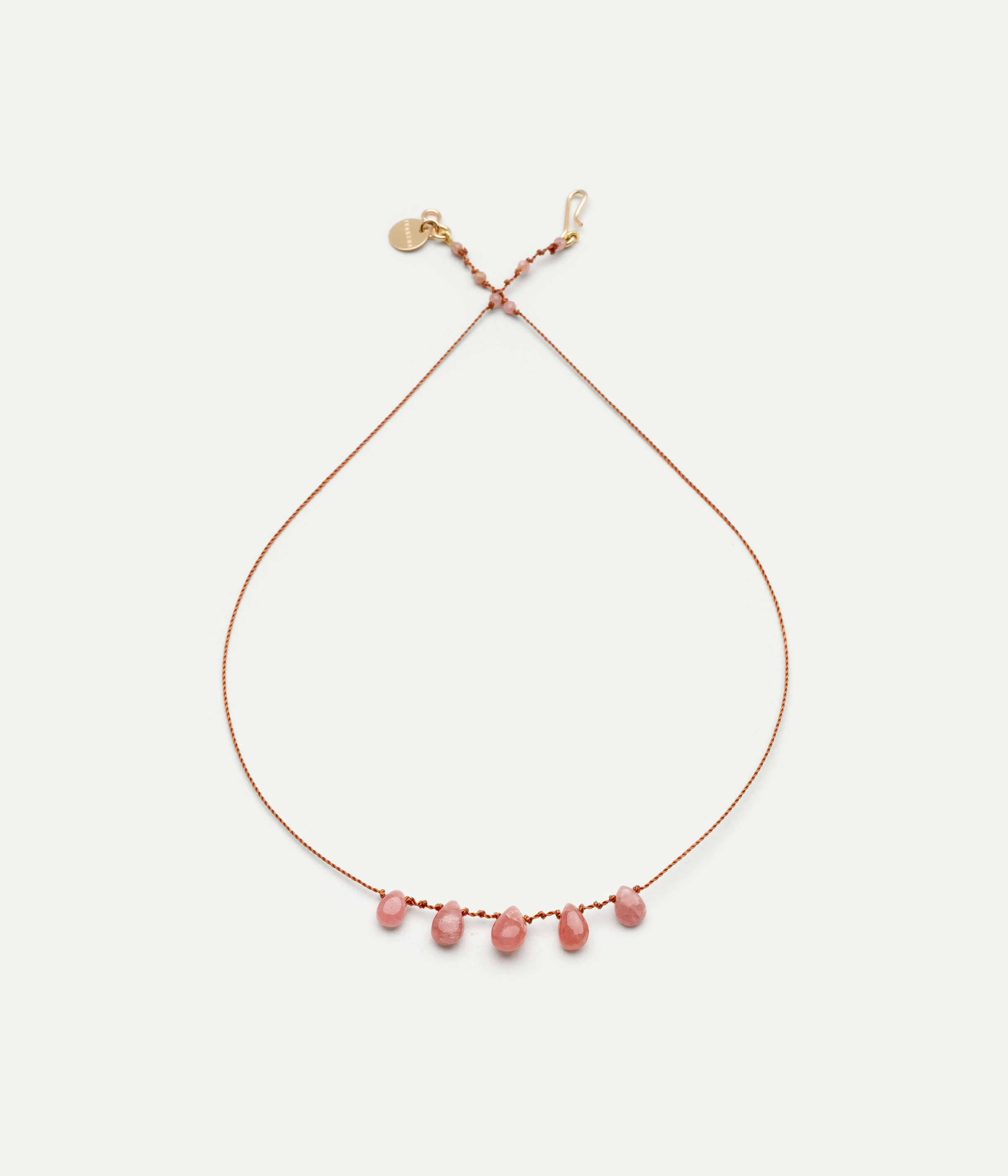
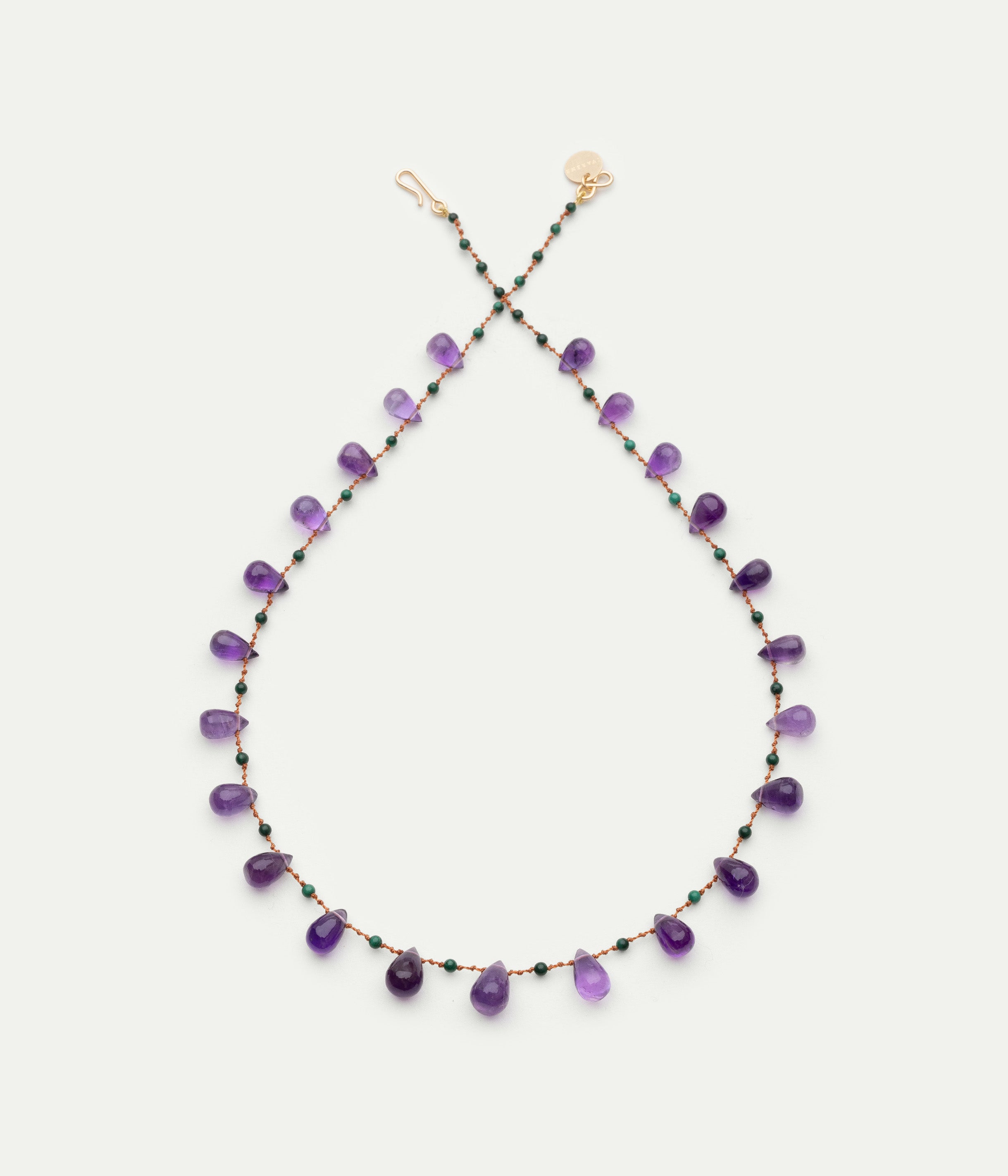
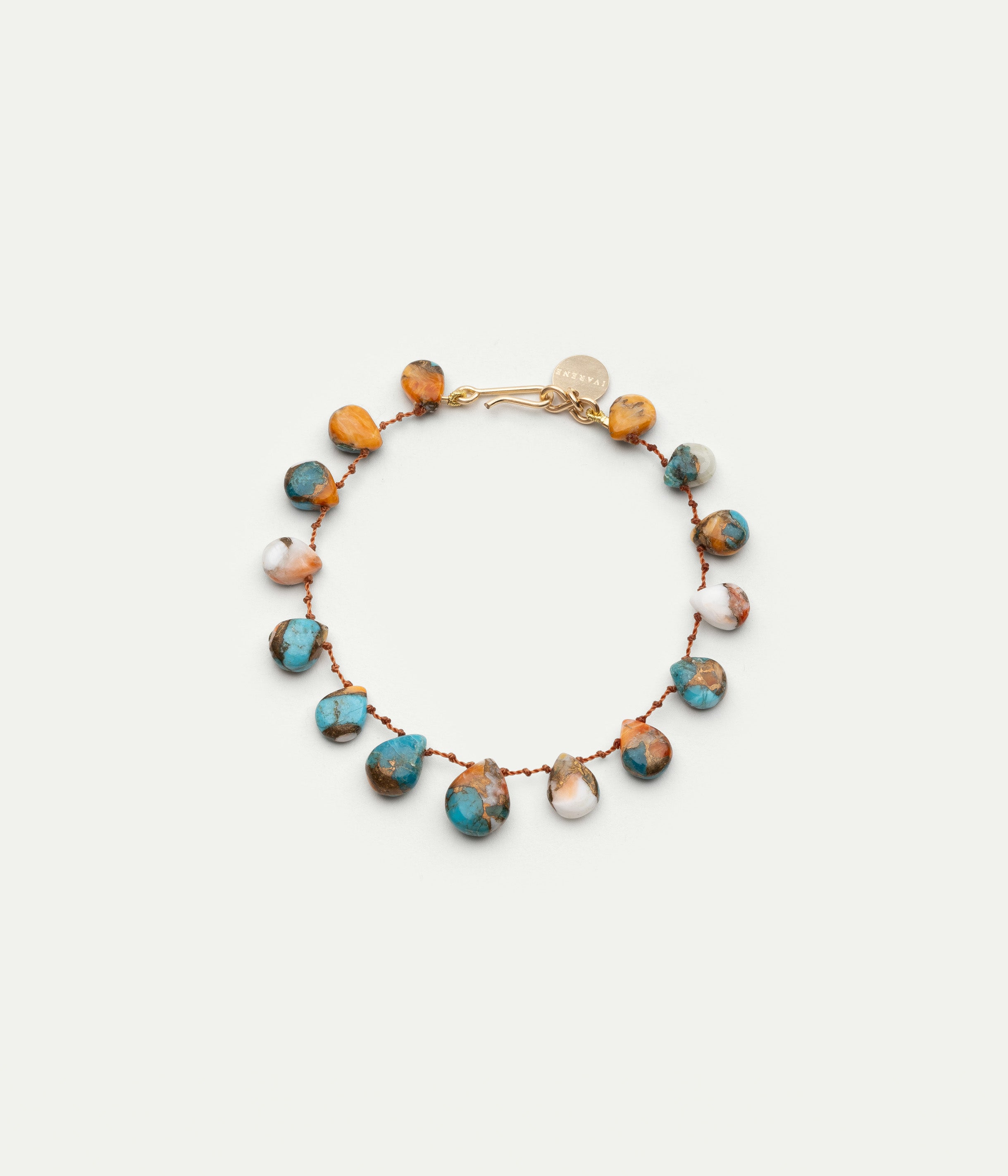
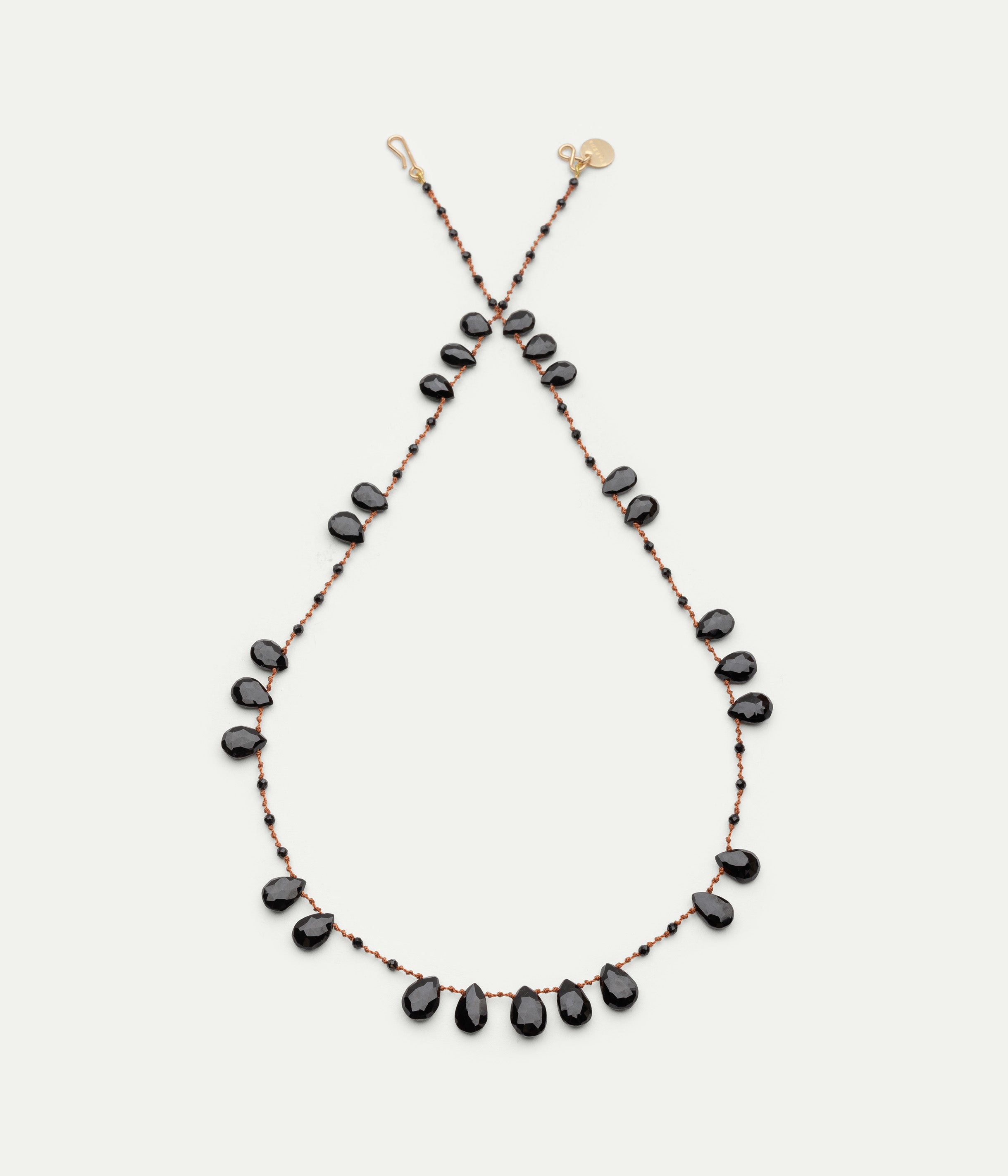
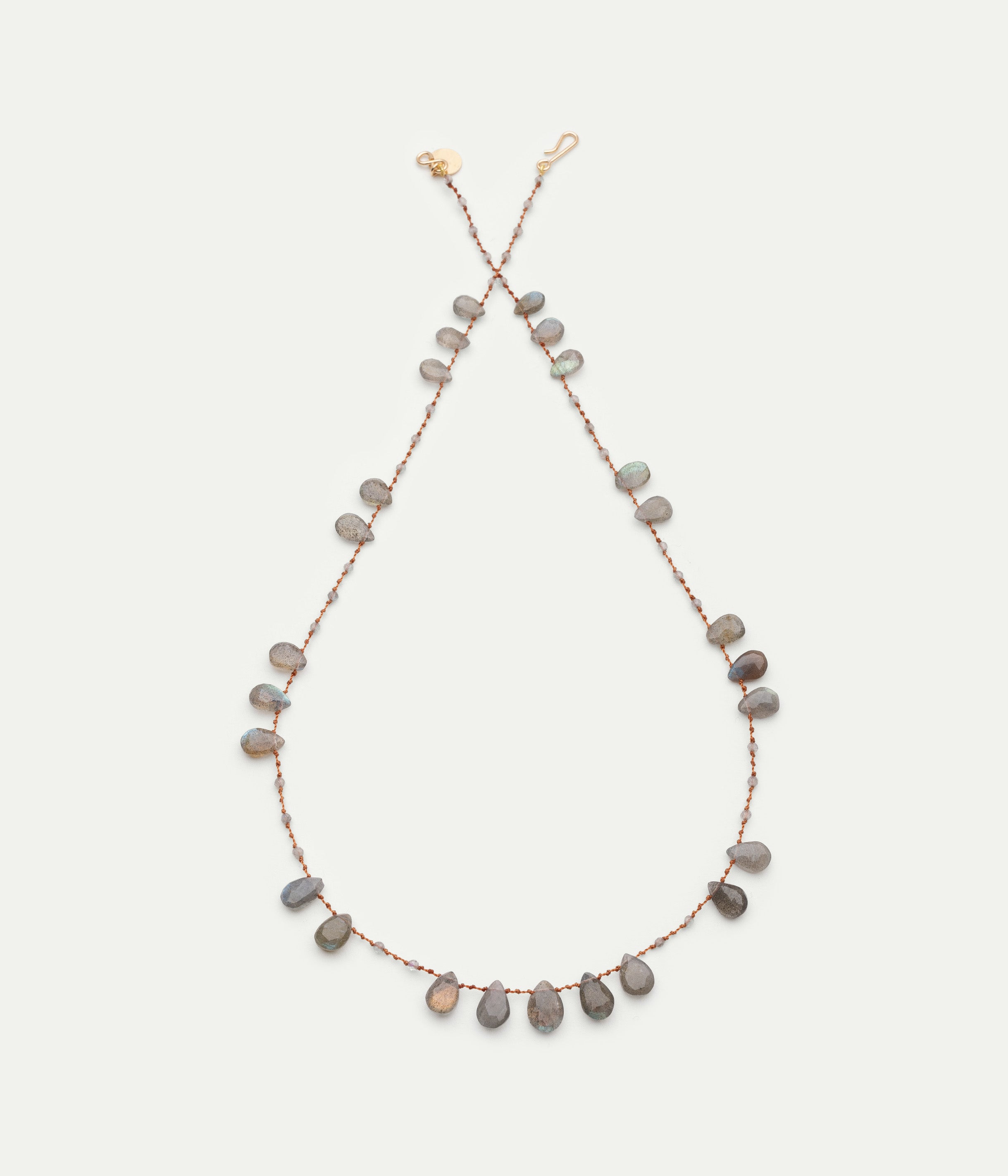
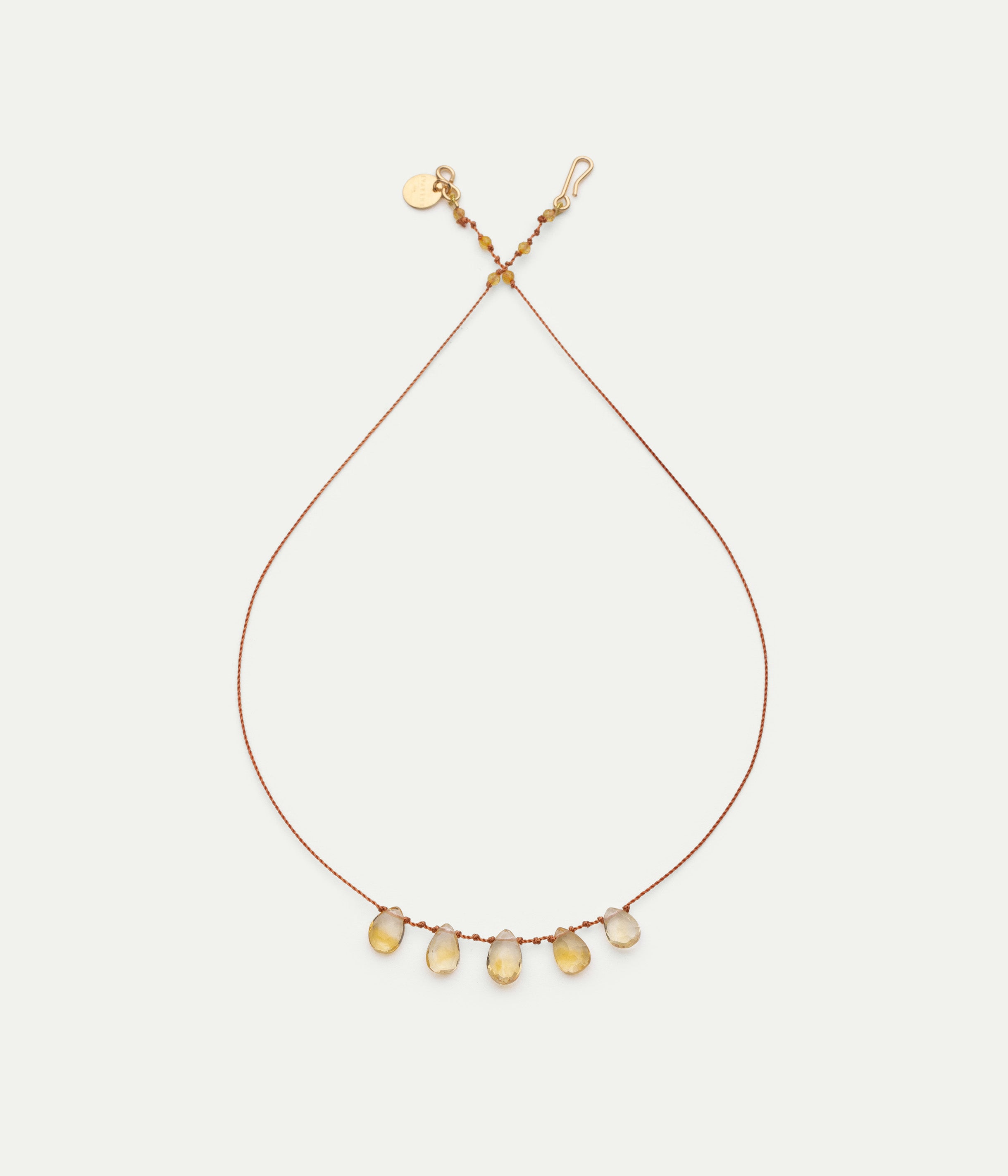
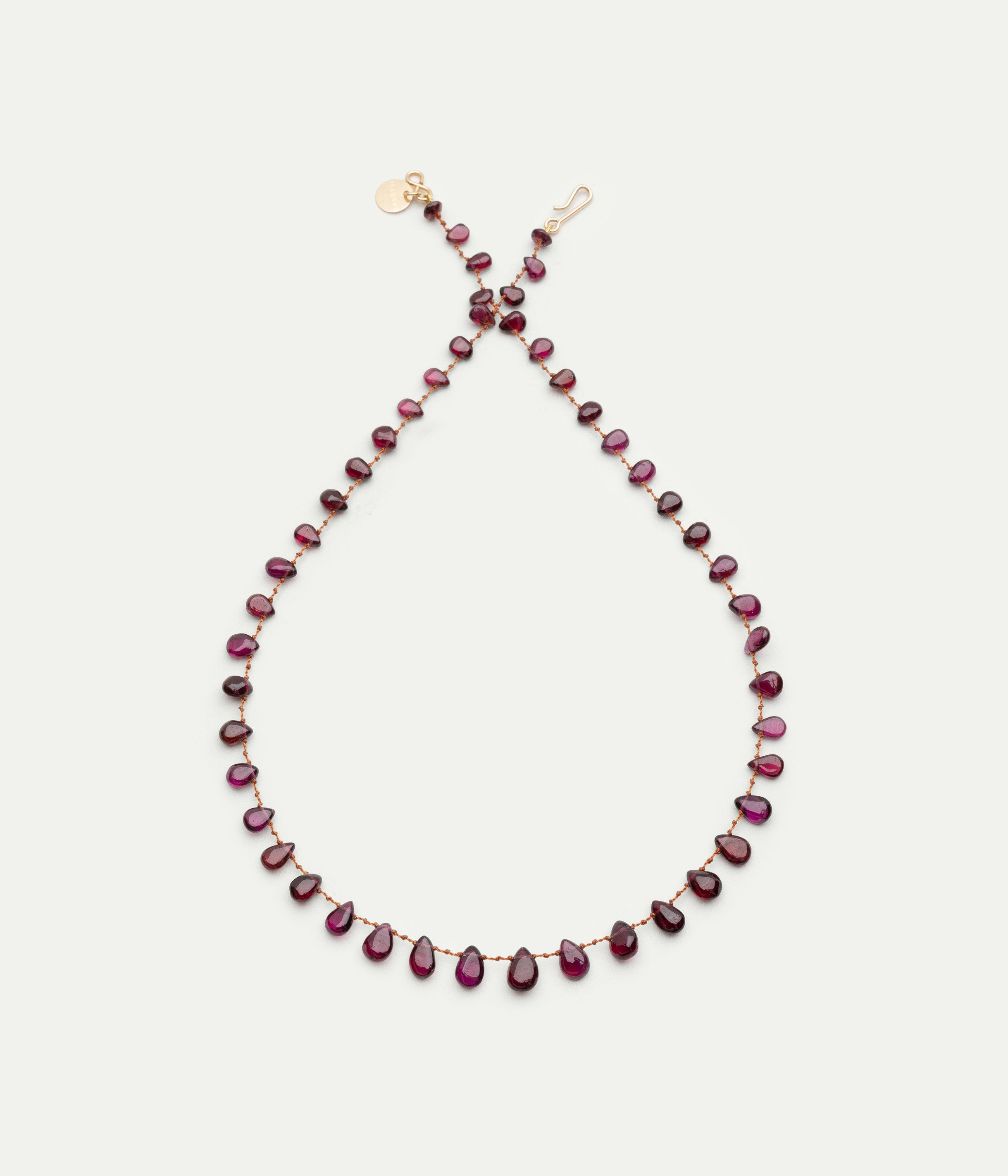
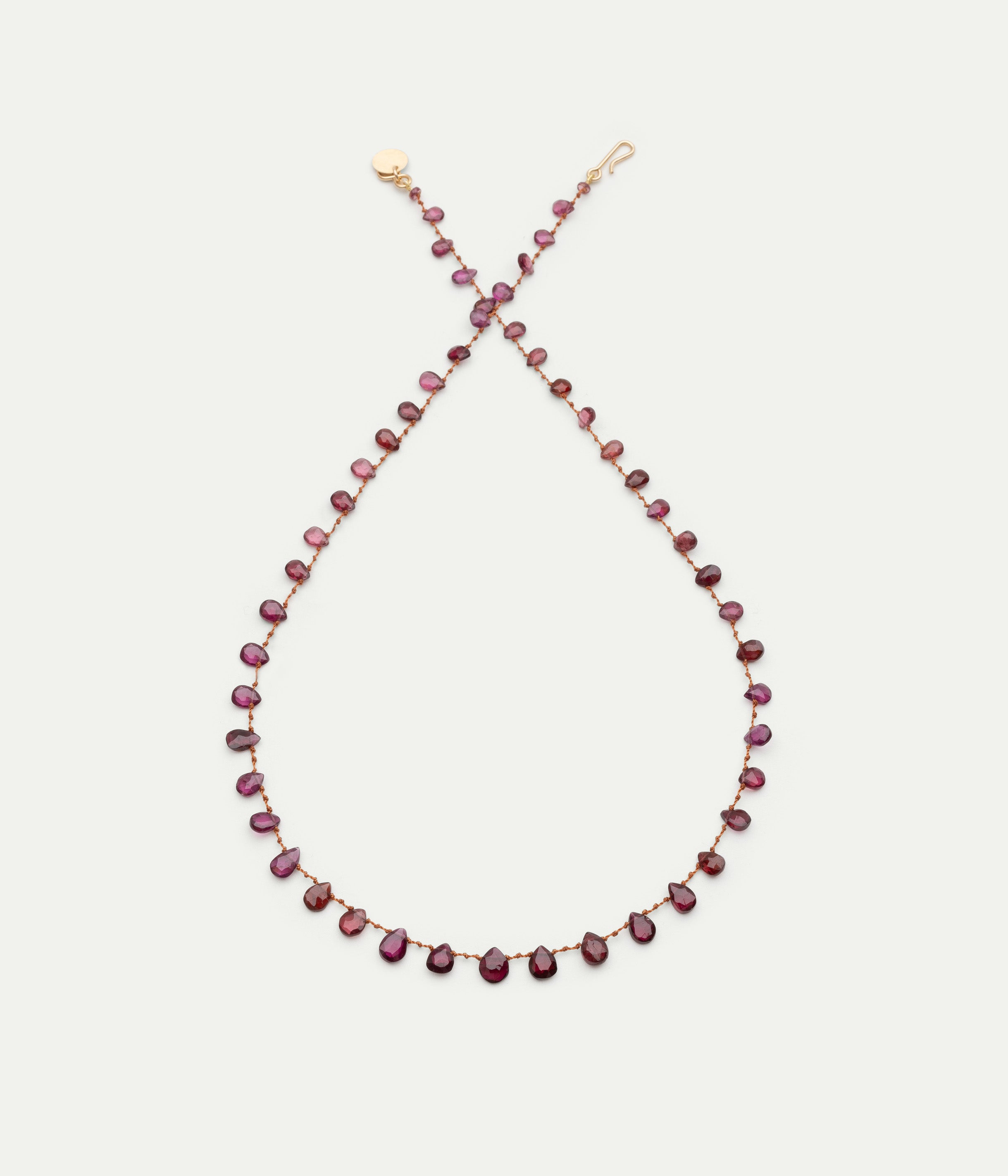
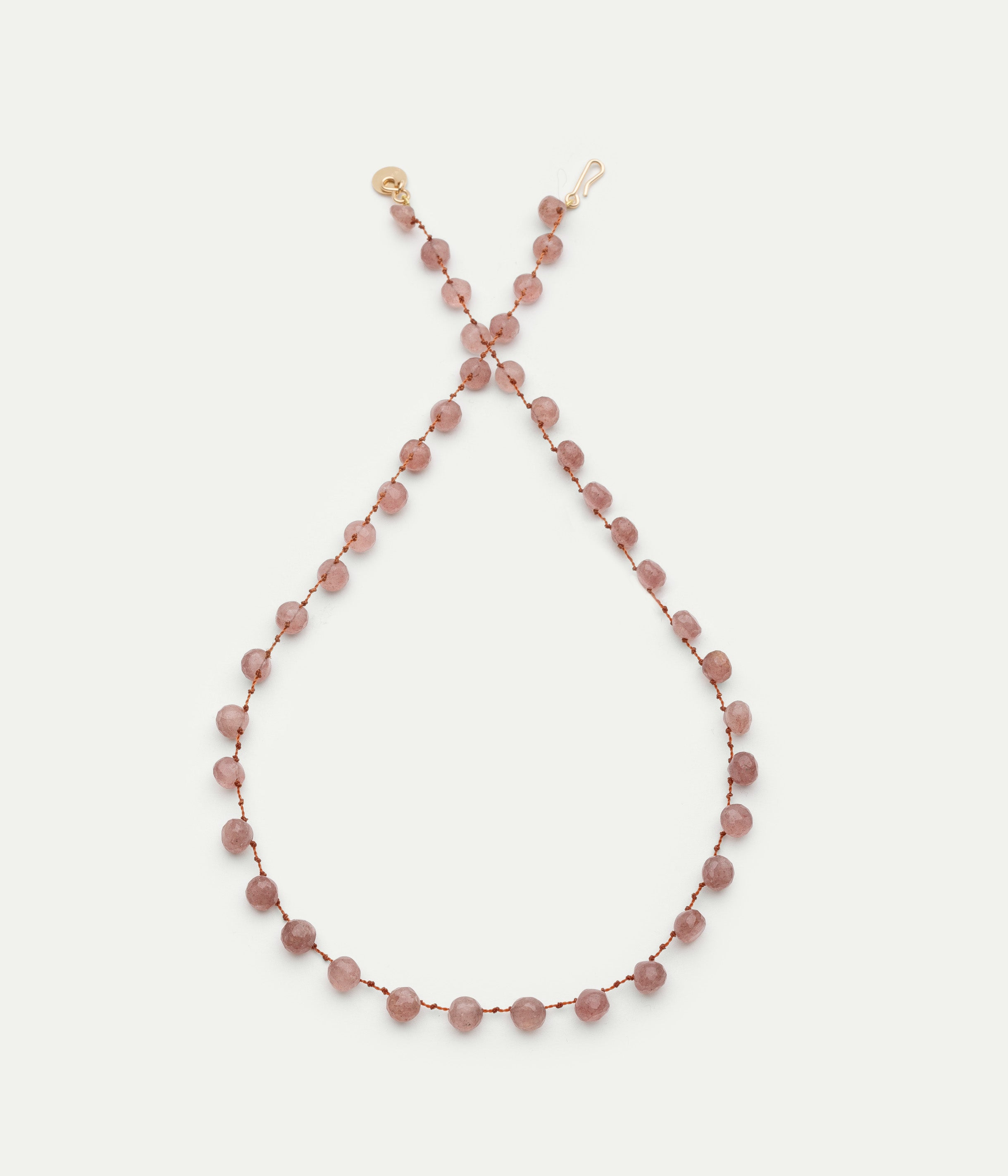
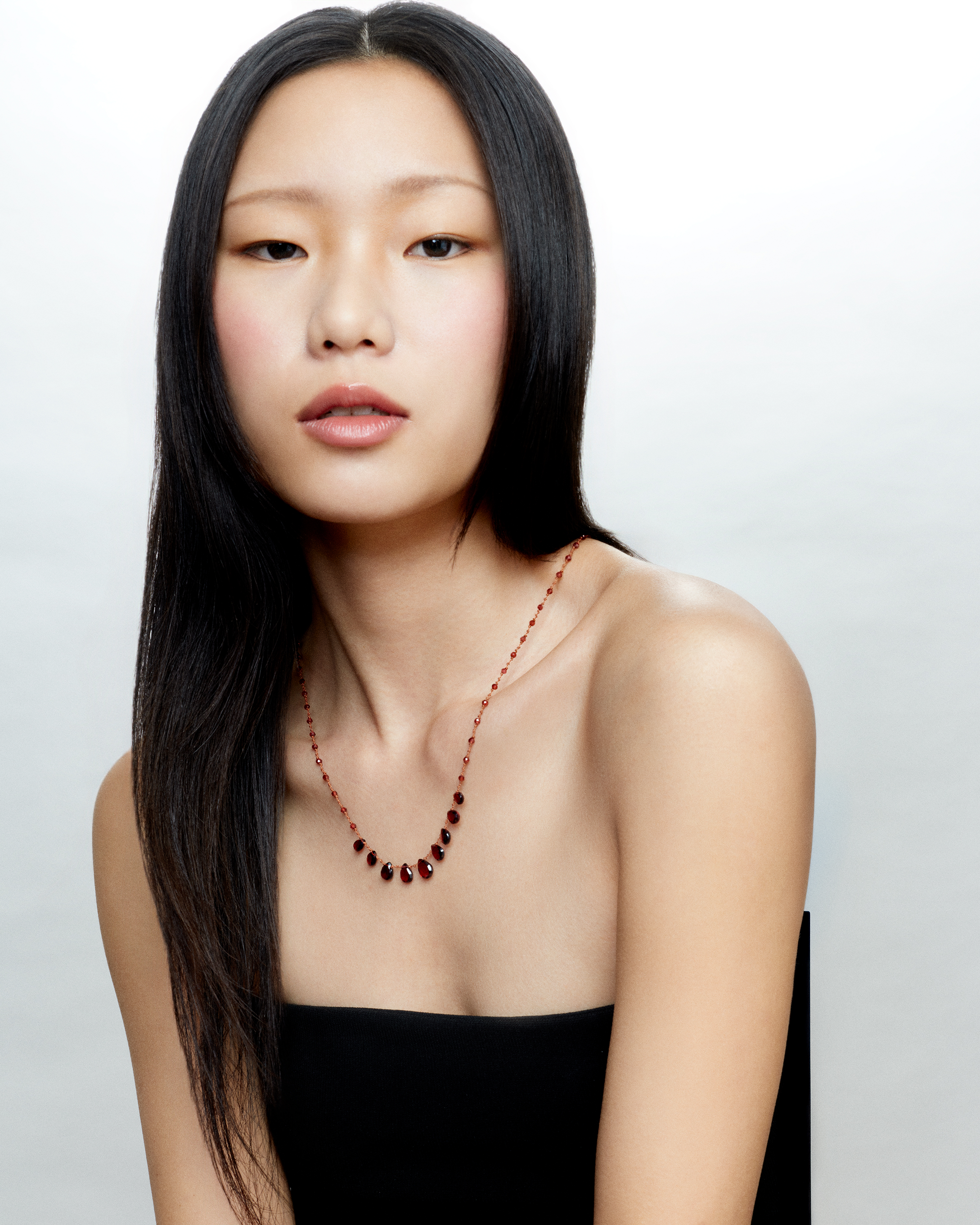
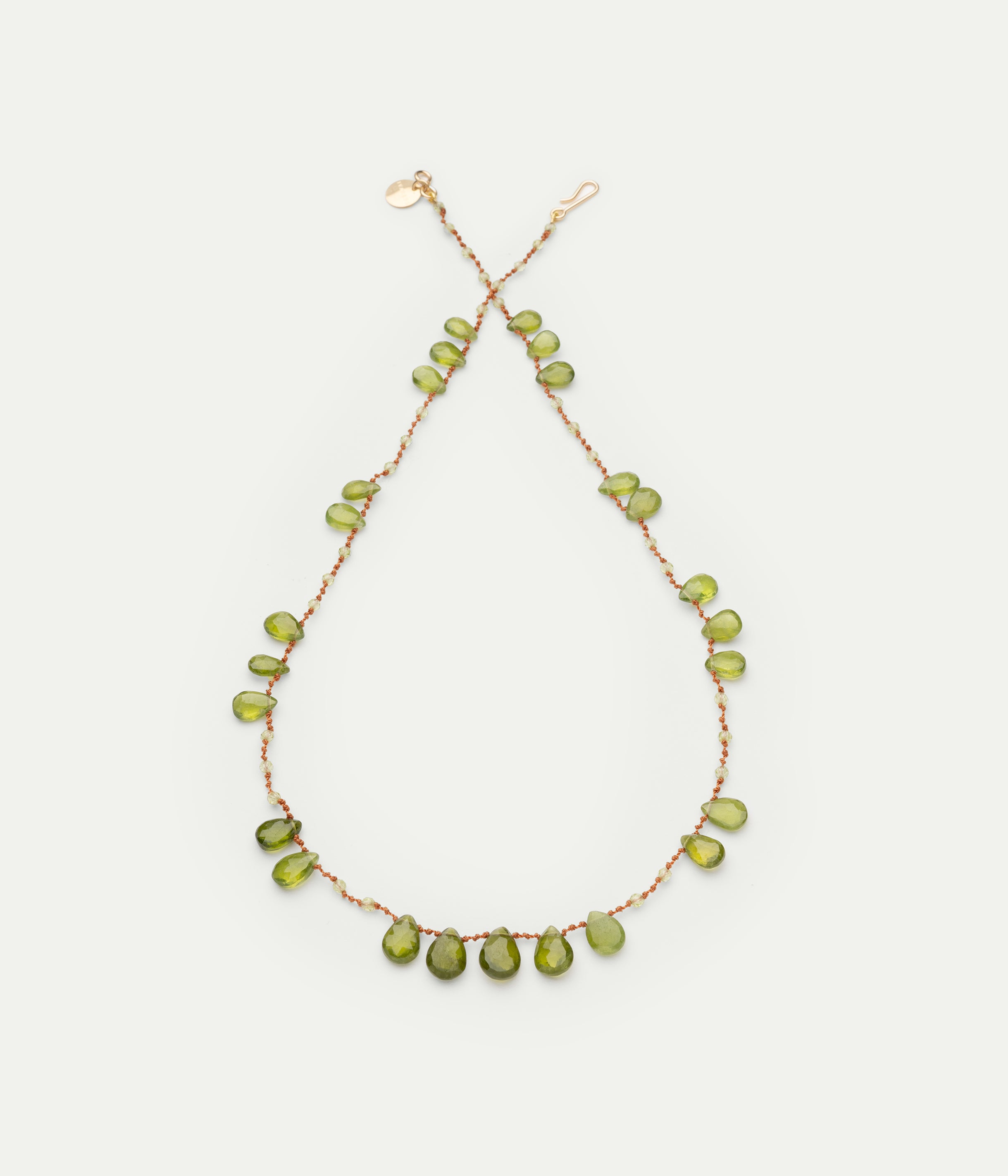
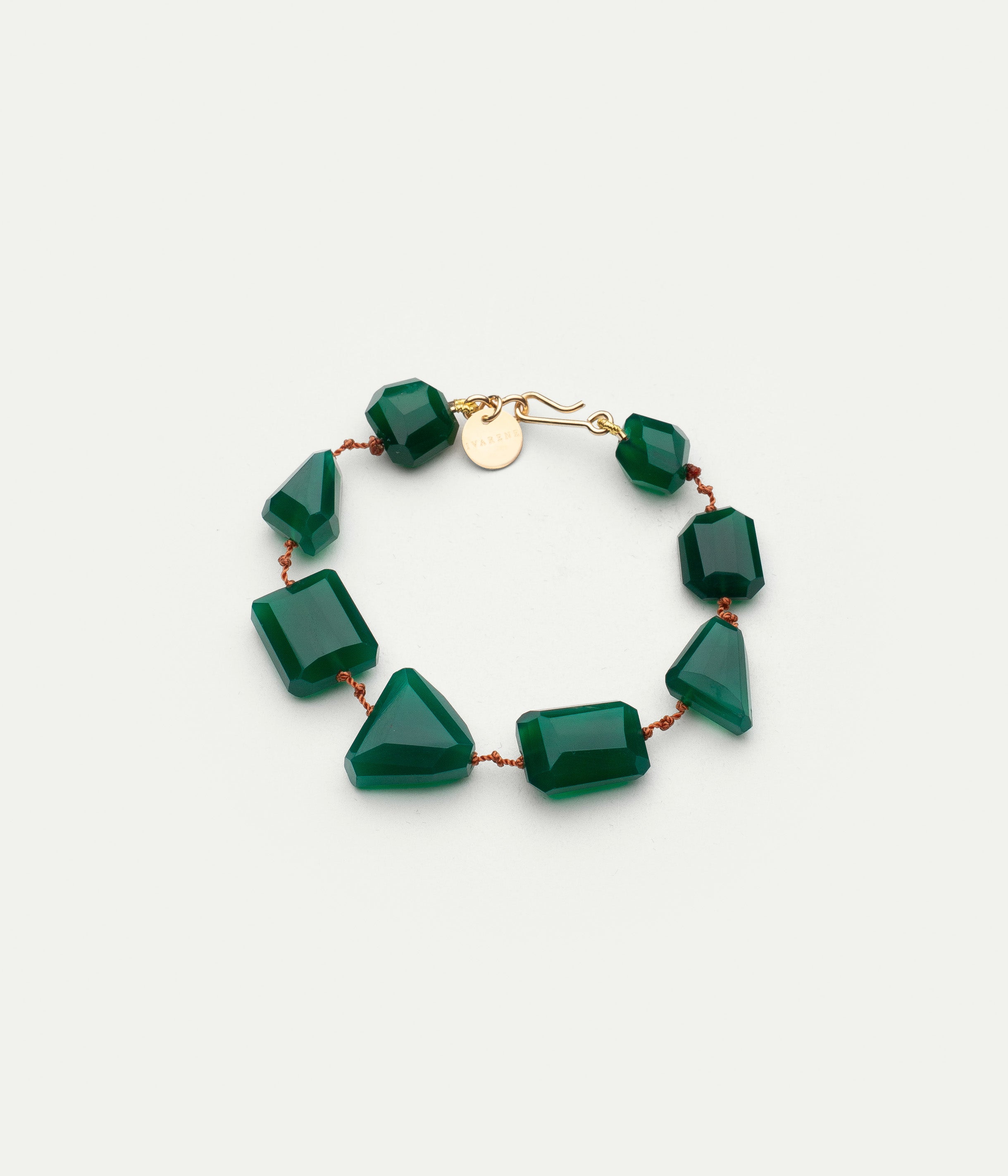
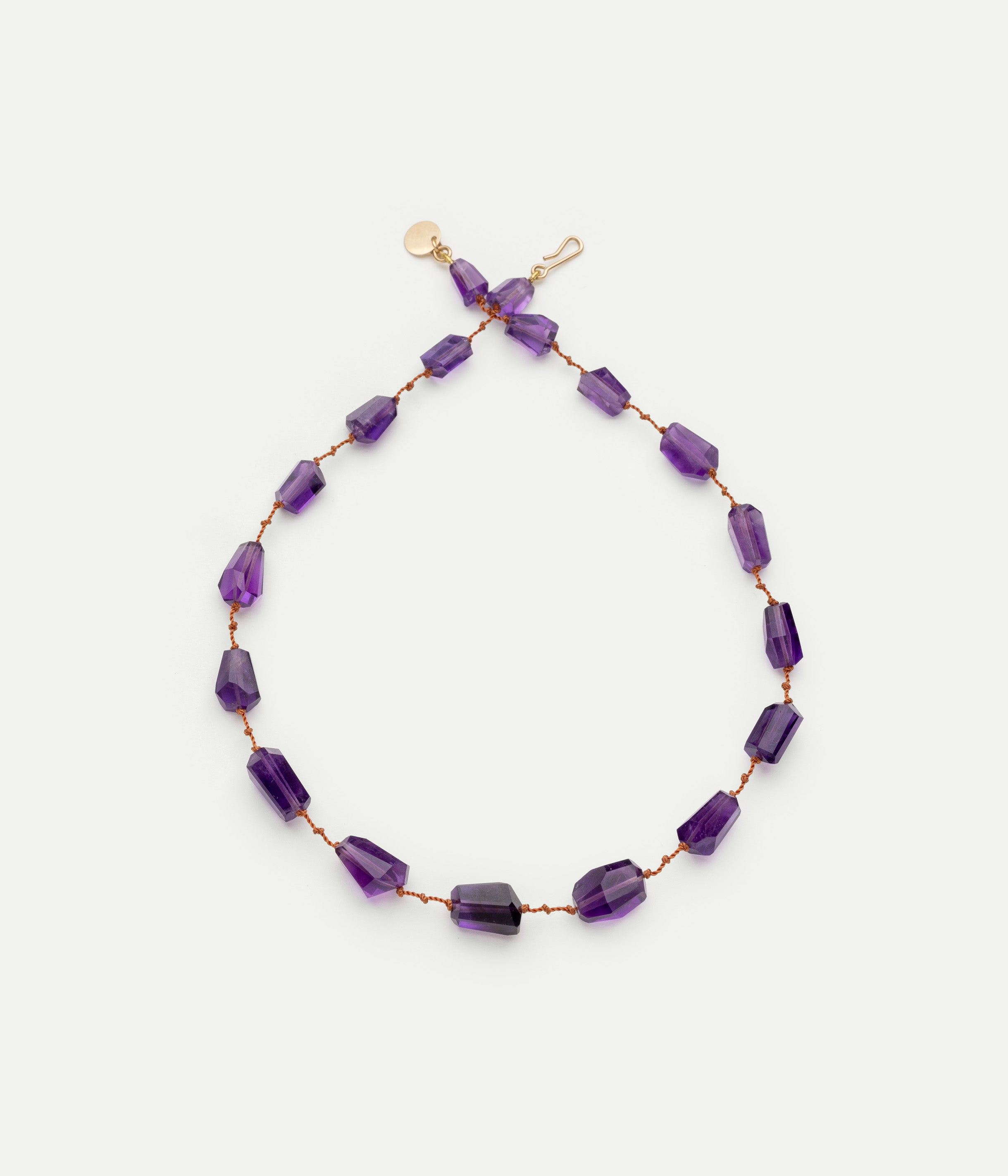
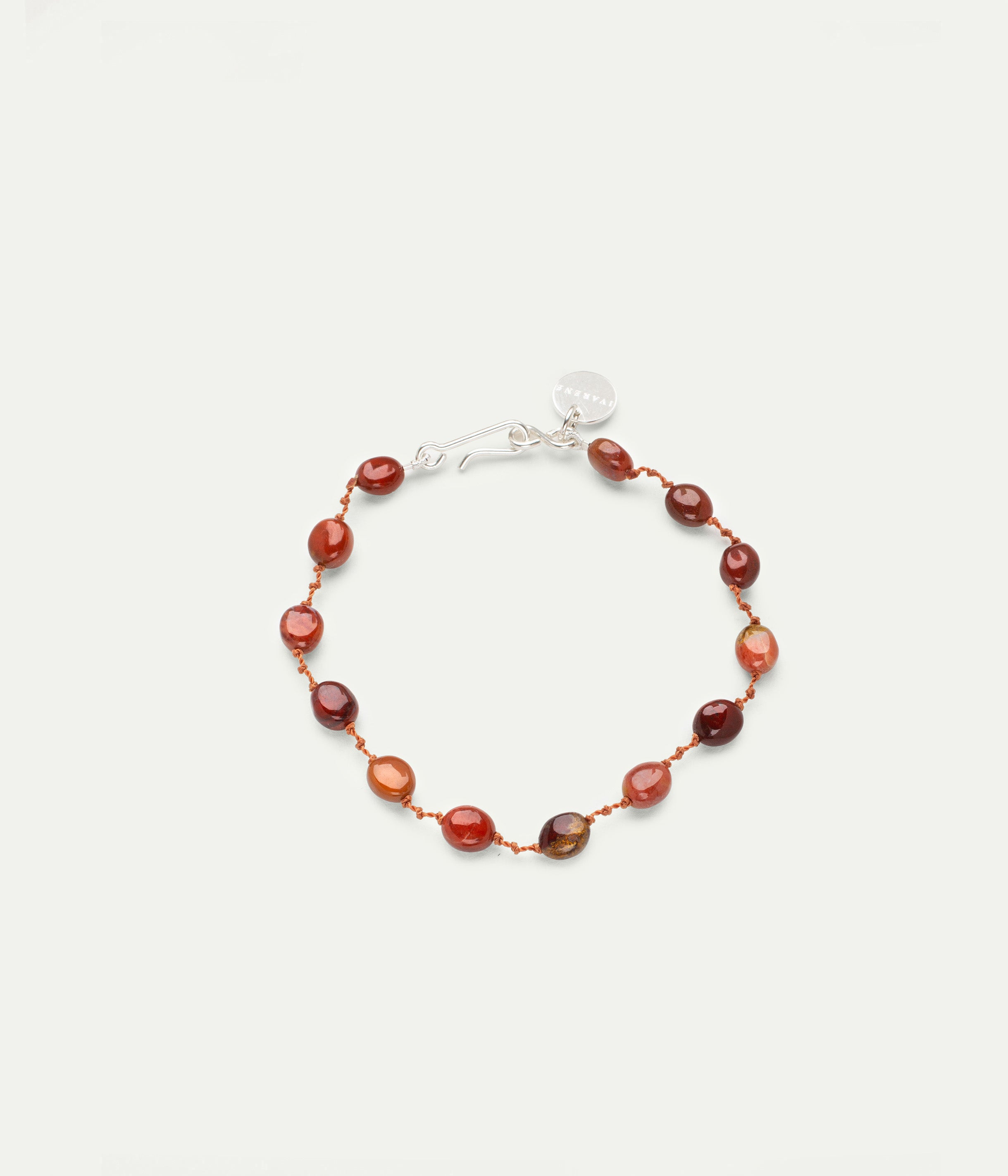
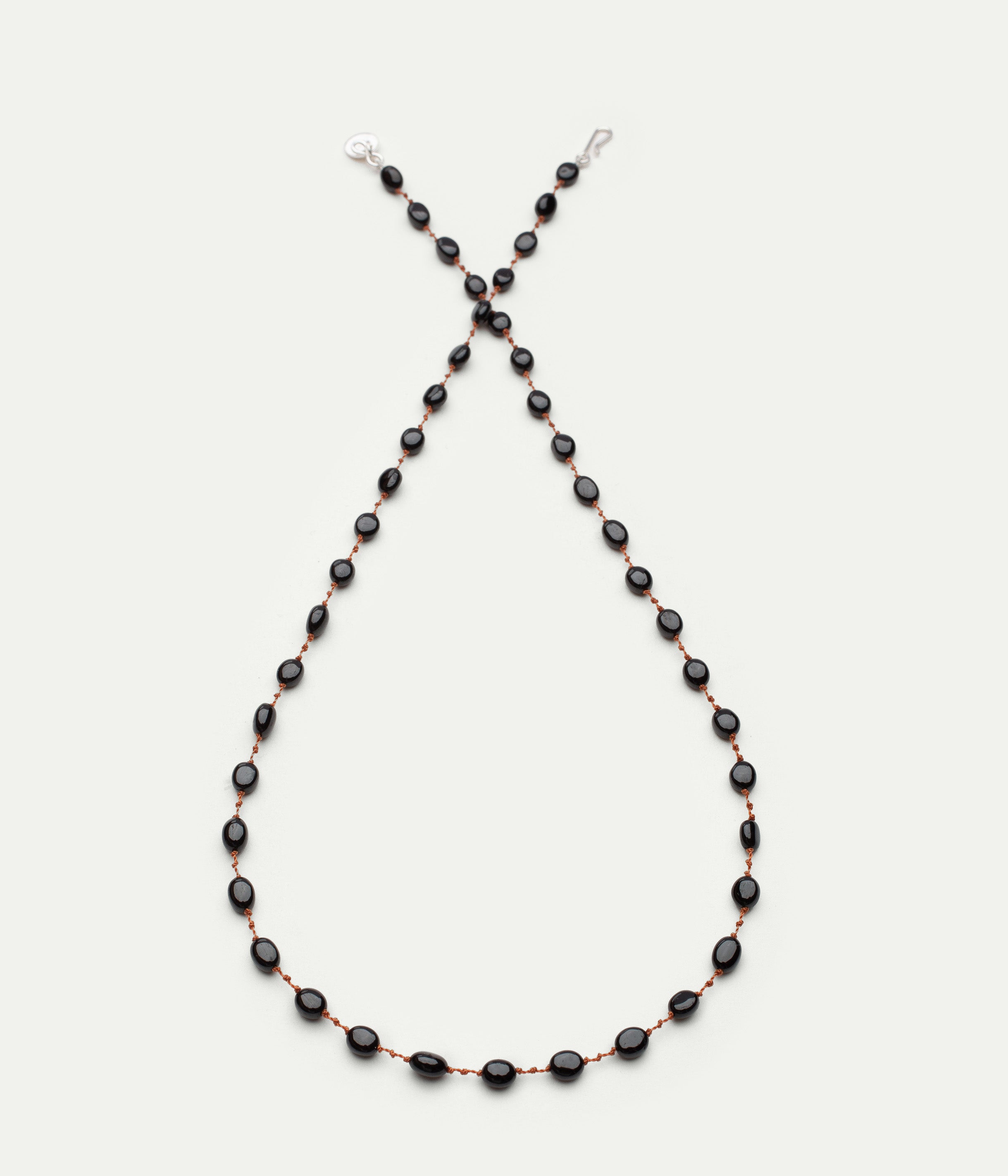
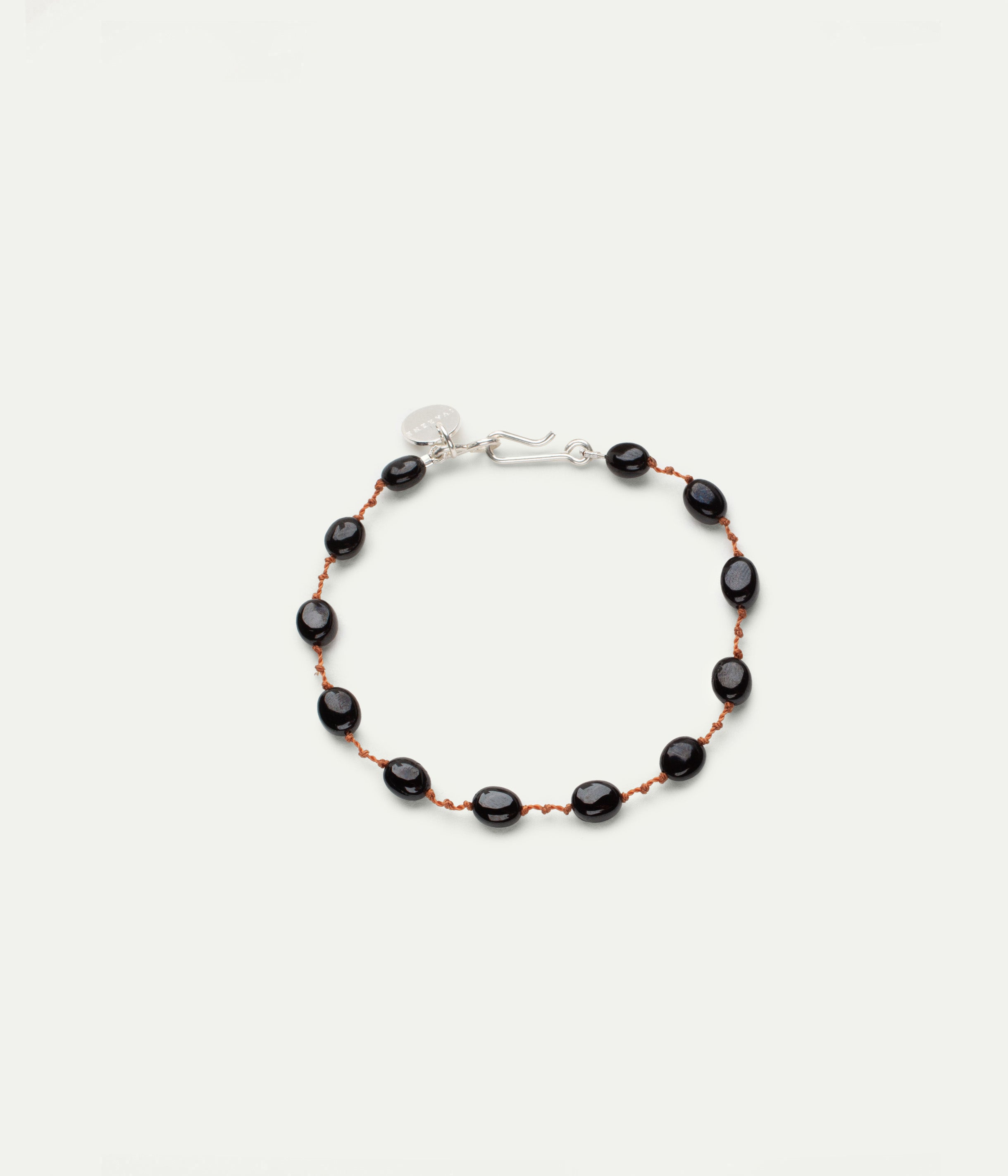
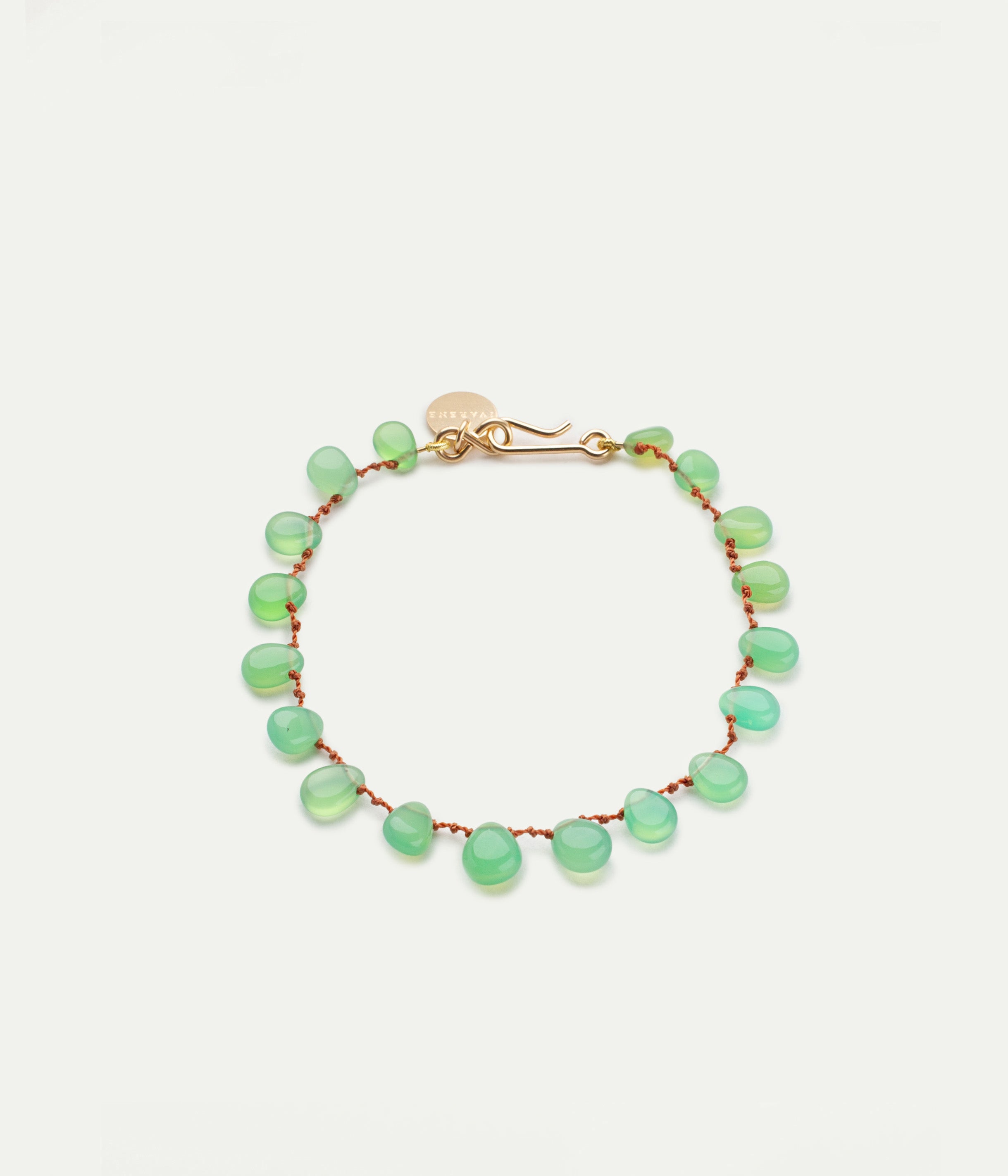
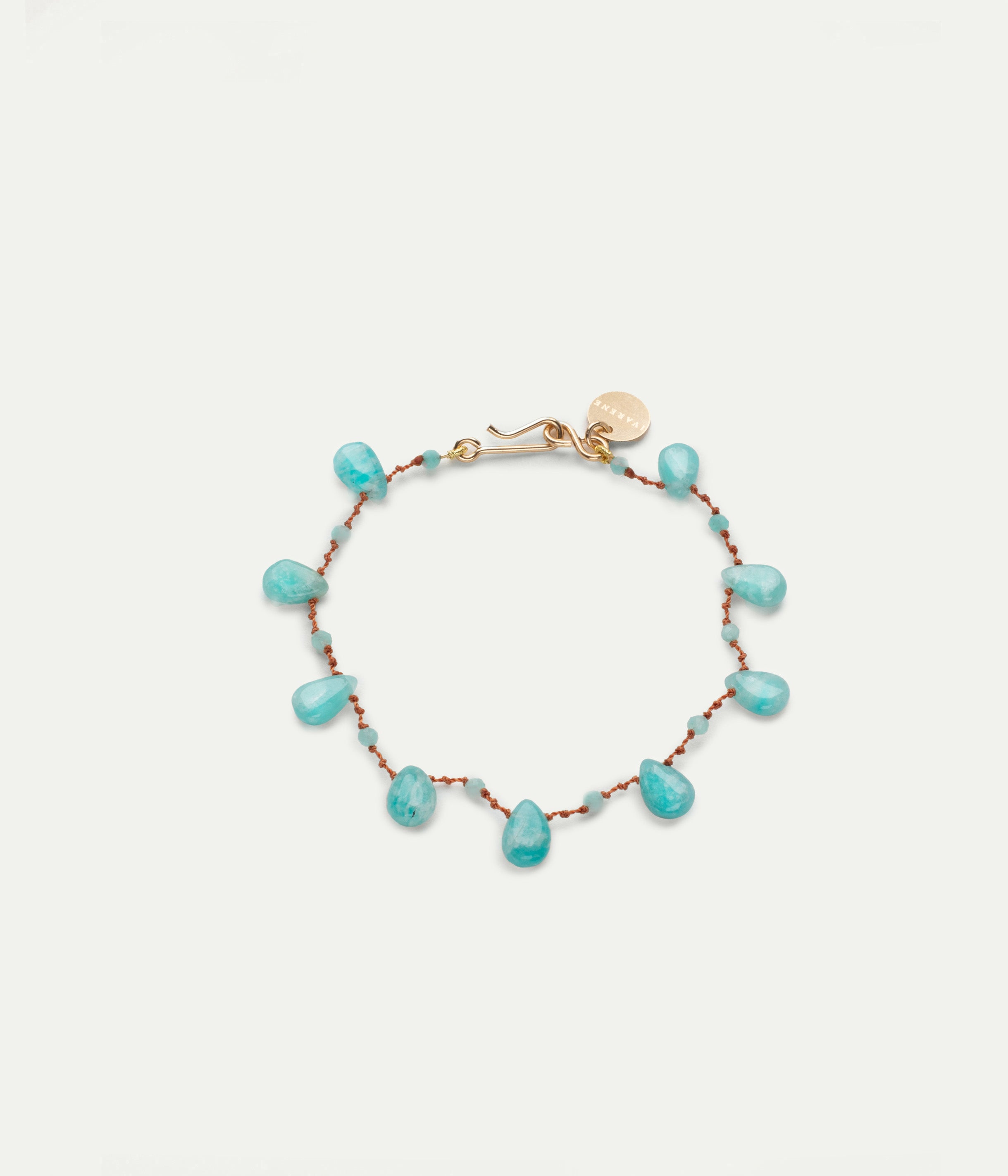
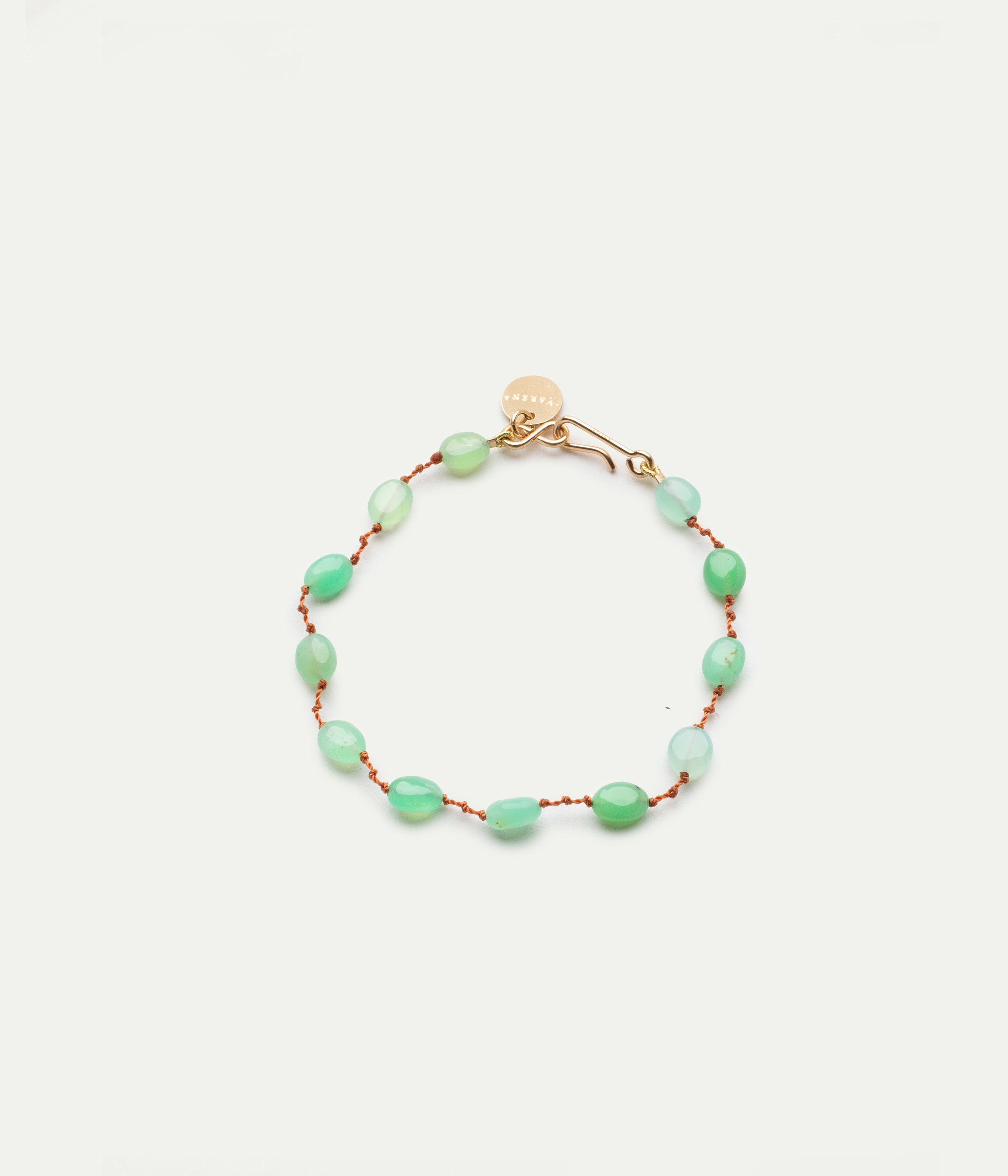
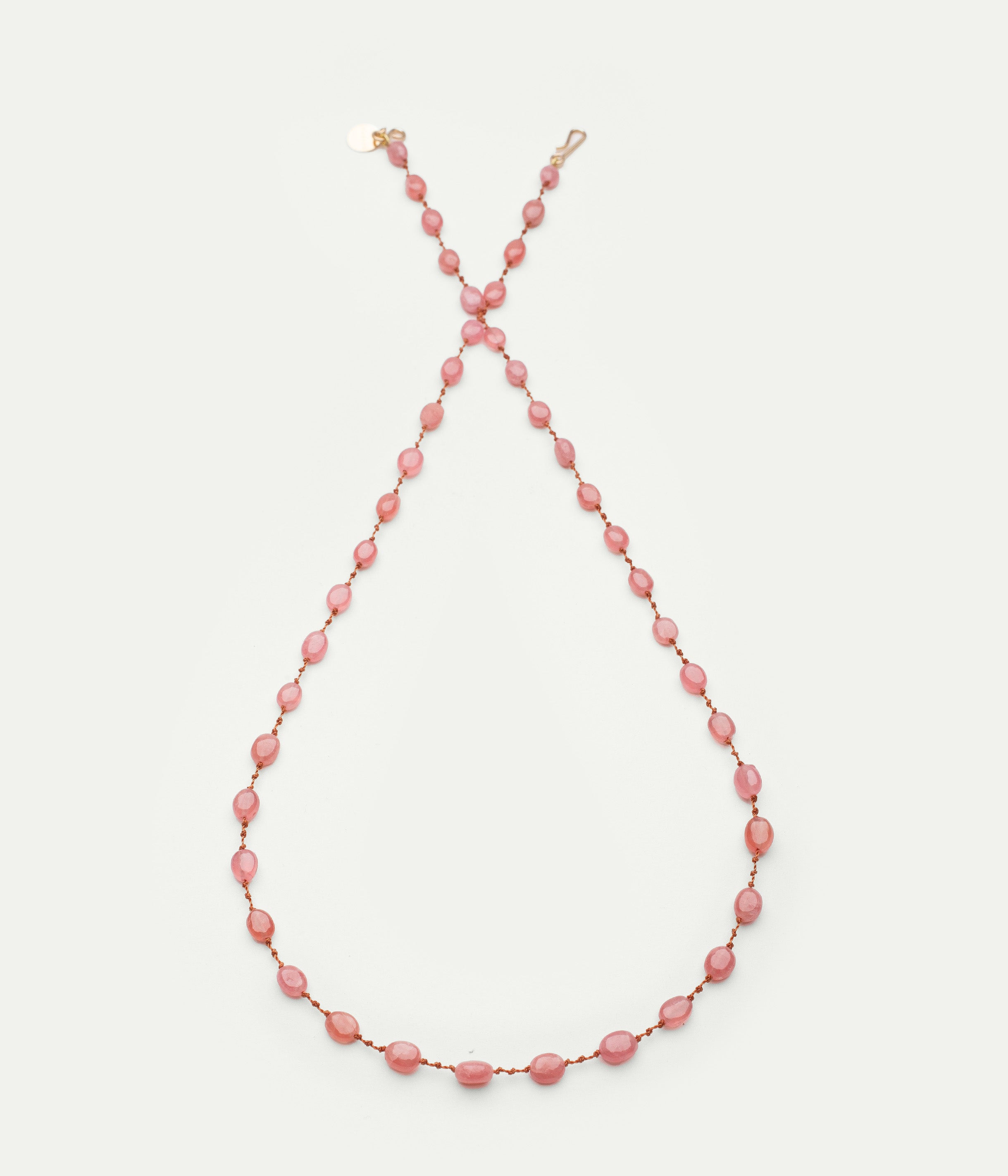
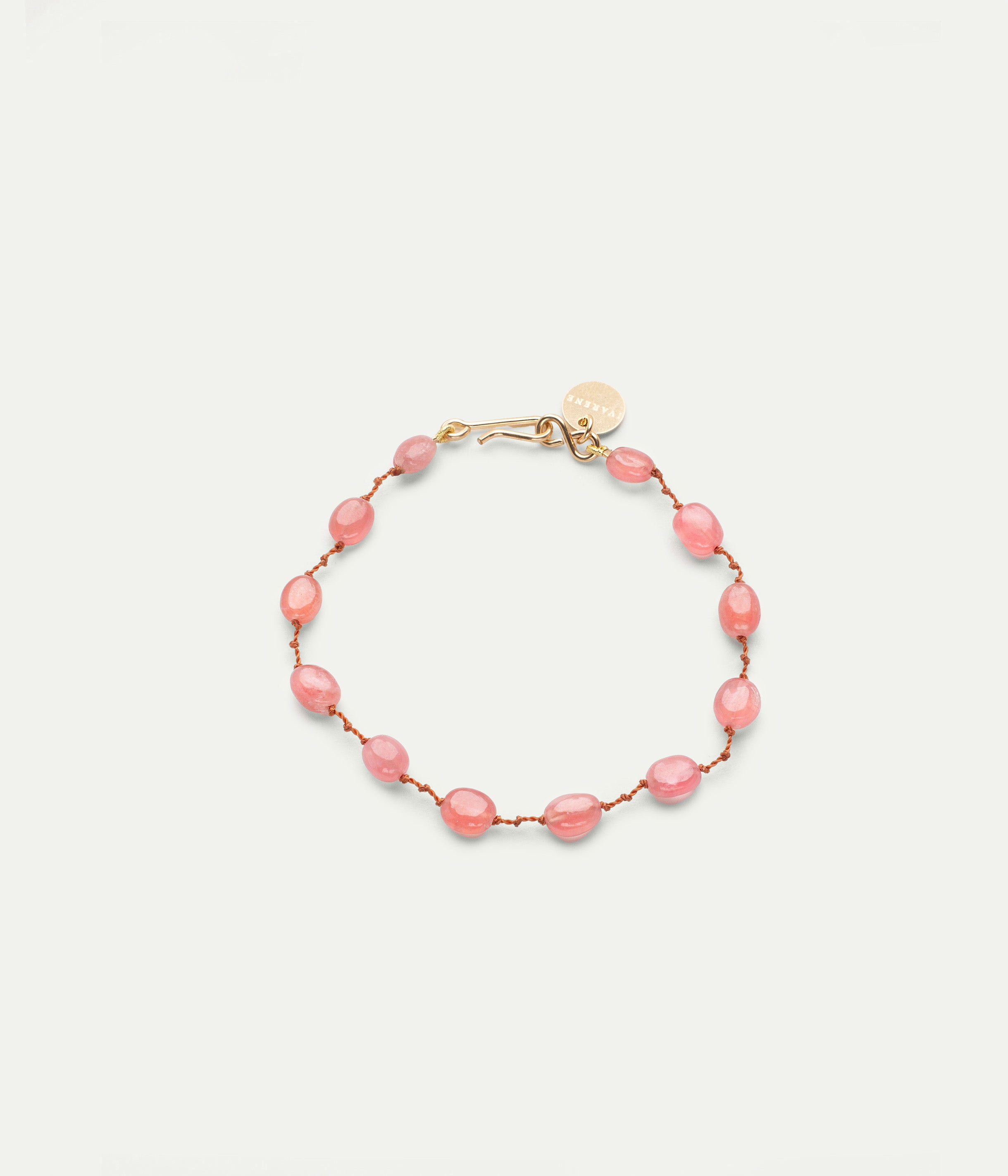
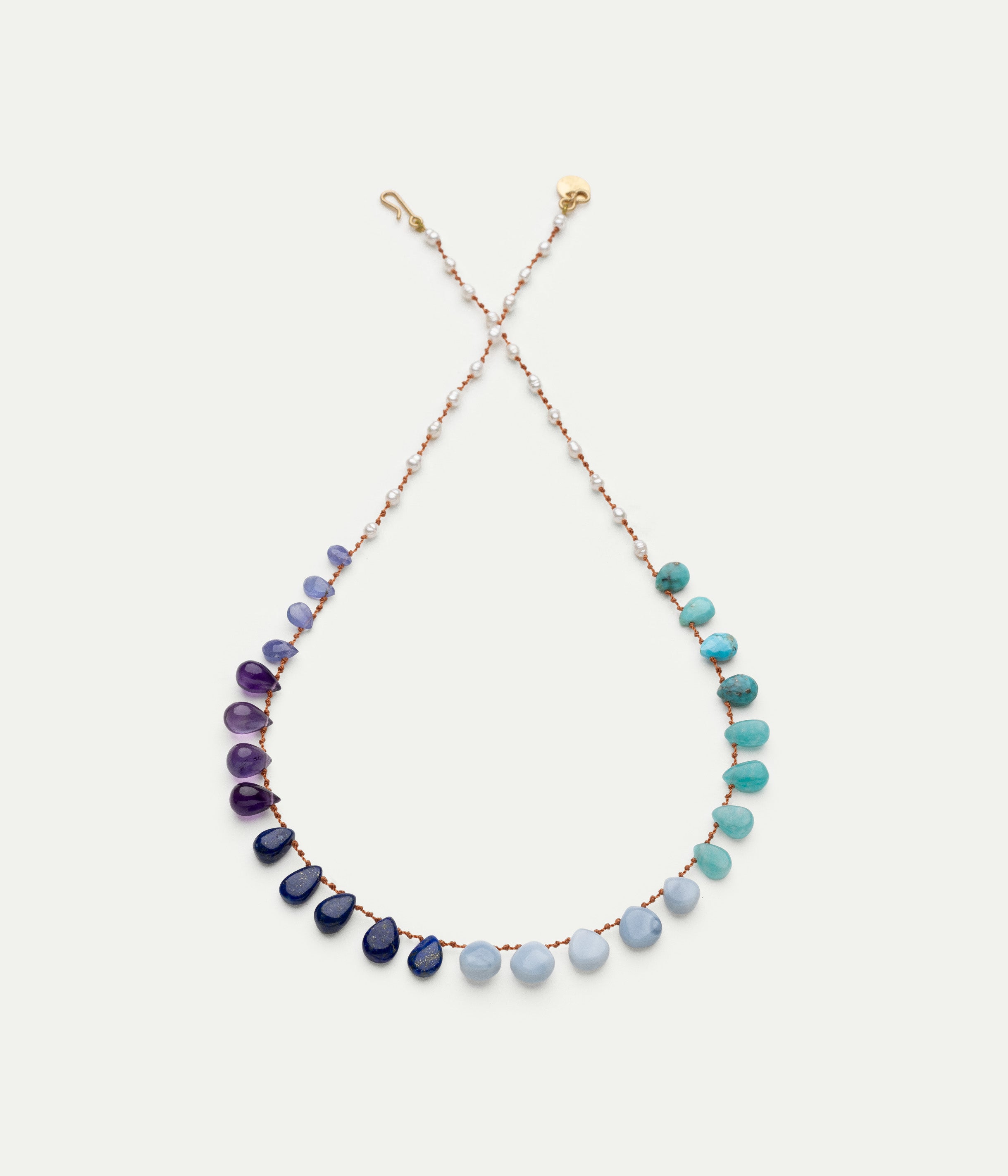
Deep Ocean necklace

Tax excluded.

Sale price€345
Stone Deep Ocean necklace ( Pearl / Turquoise / Amazonite / Opal / Lapis-lazuli / Tanzanite )
Stones
Pearl Turquoise Amazonite Opal Lapis-lazuli Tanzanite
SKU: IVAR-DEEPOCEAN_U
Where to buy this jewel?
IVARENE
Deep Ocean necklace
€345
Deep Ocean necklace
Deep Ocean necklace
Pearl, Turquoise, Amazonite, Opal, Lapis-lazuli, Tanzanite
Sale price€345
IVARENE
IVARENE celebrates the power and poetry of gemstones through jewellery designed to last. Founded by Elisa Battistini, the brand bridges California and Paris, blending jewellery heritage, contemporary design and an entrepreneurial spirit.
IVARENE
IVARENE

What is this piece made of?

This piece contains: Pearl Turquoise Amazonite Opal Lapis-lazuli Tanzanite
Pearl

Whether South Sea, freshwater, Keshi, Akoya, Melo, cultured or natural, pearls have long held a status equal to that of precious stones. Formed when a mollusc coats an internal irritation with successive layers of nacre, pearls emerge as softly glowing beads in shades of white, cream, grey or deep iridescent black. Once abundant in Tahiti’s lagoons, natural pearls declined sharply due to overharvesting and pollution, leading to the rise of pearl farming in the 20th century. They are also sourced from the Persian Gulf, Japan and the many archipelagos of the Pacific. Among the great historical pearls, La Peregrina remains one of the most remarkable: discovered in the 15th century in the Gulf of Panama, weighing nearly 56 carats, it was gifted to King Philip II of Spain, later worn by Mary Tudor and immortalised by Velázquez. In 1969, Richard Burton famously purchased it for Elizabeth Taylor, who had Cartier redesign it as a necklace. It sold at auction in 2011 for $11.8 million. Reinterpreted today by designers such as Sophie Bille Brahe, Lia Di Gregorio, WWAKE and Alighieri, the pearl continues to assert its quiet power. Its natural glow—subtle, refined, unmistakably tactile—offers a timeless balance between restraint and elegance.
Pearl

Turquoise

Turquoise takes its name from the Old French turquois, meaning “Turkish,” referring to the trade route through which it reached Europe. Mined in Afghanistan, Australia, China, the United States, Iran, Mexico and Tanzania, it ranges from deep azure to vivid green. Its colour depends on its chemistry: copper creates bluer tones, chromium and vanadium produce greens, and iron introduces a touch of yellow. Containing around 18% water, turquoise can dry out, tarnish or subtly change colour over time. Its matrix patterns — where other minerals weave through the stone — give it a uniquely organic charm. Used for over 6000 years, turquoise was cherished in Ancient Egypt; Queen Zar wore it as a protective amulet. Among Apache communities, it guided hunters and warriors. Today, it remains associated with joy, optimism and emotional stability. In contemporary jewellery, turquoise is appreciated for its vibrant hues and natural texture. Pascale Monvoisin often incorporates it for its raw beauty and distinctive presence.
Turquoise

Amazonite

Named after the Amazon River — where it was mistakenly believed to have been found — amazonite is actually sourced today from regions such as Brazil, Russia, the United States and Madagascar. A variety of microcline feldspar, it is recognised for its captivating shades of turquoise and green, often streaked with delicate white veins. Its softness and distinctive colour make it a favourite for jewellery, decorative objects and expertly cut cabochons. Throughout history, amazonite has been associated with symbolic qualities. In various traditions, it is believed to encourage harmony, communication and clarity of intention. Some see it as a stone that brings a sense of serenity or helps soothe emotional tension, though these interpretations remain rooted in cultural beliefs rather than scientific evidence. Appreciated for its natural elegance, amazonite appears in contemporary jewellery in a range of intensities — from soft, pastel green to vibrant turquoise.
Amazonite

Opal

The word opal originates from the Sanskrit upala, meaning “precious stone,” later adapted into Greek (opallion) and Latin (opalus), both evoking the idea of shifting colour. This notion lies at the heart of opal’s identity: a mineral defined by its remarkable play of colour, varying from subtle iridescence to vivid, electric flashes. A distinction is commonly made between noble opals, prized in jewellery for their multicoloured brilliance, and common opals, which are often more uniform or translucent. Among the many varieties are black opal, known for its dramatic contrasts, and Mexican fire opal, admired for its vibrant orange hue. Major deposits are found in Australia, Brazil, Guatemala, Honduras, Japan, Mexico, Peru and the United States. Milky white opals with colour flashes remain among the most iconic. Opal has inspired countless legends. In India, a rainbow goddess is said to have transformed herself into an opal to escape persistent suitors. In Arabic tradition, opal was believed to be born from lightning, with the captured light trapped inside the stone. With its shifting hues and delicate radiance, opal captivates designers such as Brooke Gregson, Ivarene and WWAKE. It also features in our We by WHITEbIRD collection, where its unique luminosity reveals its full beauty through movement.
Opal

Lapis-lazuli

Lapis lazuli takes its name from two linguistic roots: Latin (lapis, “stone”) and Arabic (azul, “blue”). Its striking colour is the result of a combination of minerals — lazurite for its intense blue, calcite for the grey or white streaks, and pyrite for the golden flecks that resemble a constellation. Mined for more than 6,000 years in Afghanistan, where the most famous deposits are still found, lapis is also extracted in Chile (home to the world’s second-largest mine), as well as in the United States, Canada, Myanmar, Pakistan and Russia. An ornamental stone with a long artistic history, lapis has been used for mosaics, sculpture and fine decorative objects. When ground into powder, it becomes ultramarine — the precious pigment used by Michelangelo to paint the ceiling of the Sistine Chapel. Associated in many traditions with courage, clarity and open communication, lapis lazuli captivates with its dense, luminous blue. Designers such as Brooke Gregson are drawn to its graphic presence and natural depth.
Lapis-lazuli

Tanzanite

Tanzanite takes its name from Tanzania, where it was discovered in the 1960s after storms around Mount Kilimanjaro. Originally brownish, it develops its blue-violet colour when exposed to heat. A trichroic gemstone, it can display blue, violet and bronze tones depending on the crystal’s orientation. Some fancy tanzanites even show striking multicoloured flashes. Found only in a 20 km² area in northern Tanzania, it is one of the rarest gemstones in the world. The Queen of Kilimanjaro, a 242-carat tanzanite set by Tiffany, remains its most famous example. Associated with creativity and self-expression, tanzanite inspires designers such as Brooke Gregson and Pippa Small, who value its balance of depth and softness.
Tanzanite

Taking care of your jewels

Pieces of jewelry are delicate little objects. Even if they are made of resistant materials in order to be worn every day, it is still important to follow some general advice for them to keep their original beauty.

Read Guide

Frequently asked questions

Looking for a quick answer? You’ll find detailed information on our Payment, Delivery and Returns & Exchanges pages. If you need any further assistance, our team will be happy to help — feel free to contact us using the form below.

CONTACT US
Do you ship internationally?

Yes. We ship worldwide from Paris with trusted carriers such as DHL Express or Colissimo. Delivery options and fees are calculated at checkout according to your destination and the value of your order.

  • France: Colissimo for orders up to €1,000, DHL Express above.
  • European Union: Prices are calculated with local VAT applied at checkout, based on the delivery address.
  • United Kingdom & United States: Import duties and VAT are included. No additional charges upon delivery.
  • For deliveries outside the European Union, customs procedures may apply depending on the destination.
When will my order be delivered?

Orders can be collected in one of our Paris boutiques, or shipped to your address.

  • In-stock pieces are usually dispatched within 2 to 5 business days.
  • Delivery times vary depending on destination and carrier.
  • For made-to-order or special pieces, production delays are indicated on the product page.

You will receive a confirmation email with tracking details as soon as your order is shipped.

Are returns or exchanges possible?

Yes. If your piece does not fully suit you, you may request a return or exchange:

  • Within 14 days of receipt (28 days for deliveries to the USA)
  • The piece must be unworn, unaltered, and returned in its original condition.

Please note that engraved, resized or custom-made pieces cannot be returned or refunded. Return shipping costs are at the customer’s expense; however, exchanged items are shipped free of charge within the European Union.

Need advice before choosing?

Our team is here to guide you. For questions about sizing, availability, gemstones or gifting, we offer personalised support by phone or email. You may also book a private video consultation (WhatsApp or FaceTime) to view pieces live, receive styling advice or explore a curated selection — just as you would in our boutiques.

  • Tel : +33 (0)1 42 60 52 39
  • Email : contact@whitebirdjewellery.com