Skip to content

Your cart is empty

Continue shopping

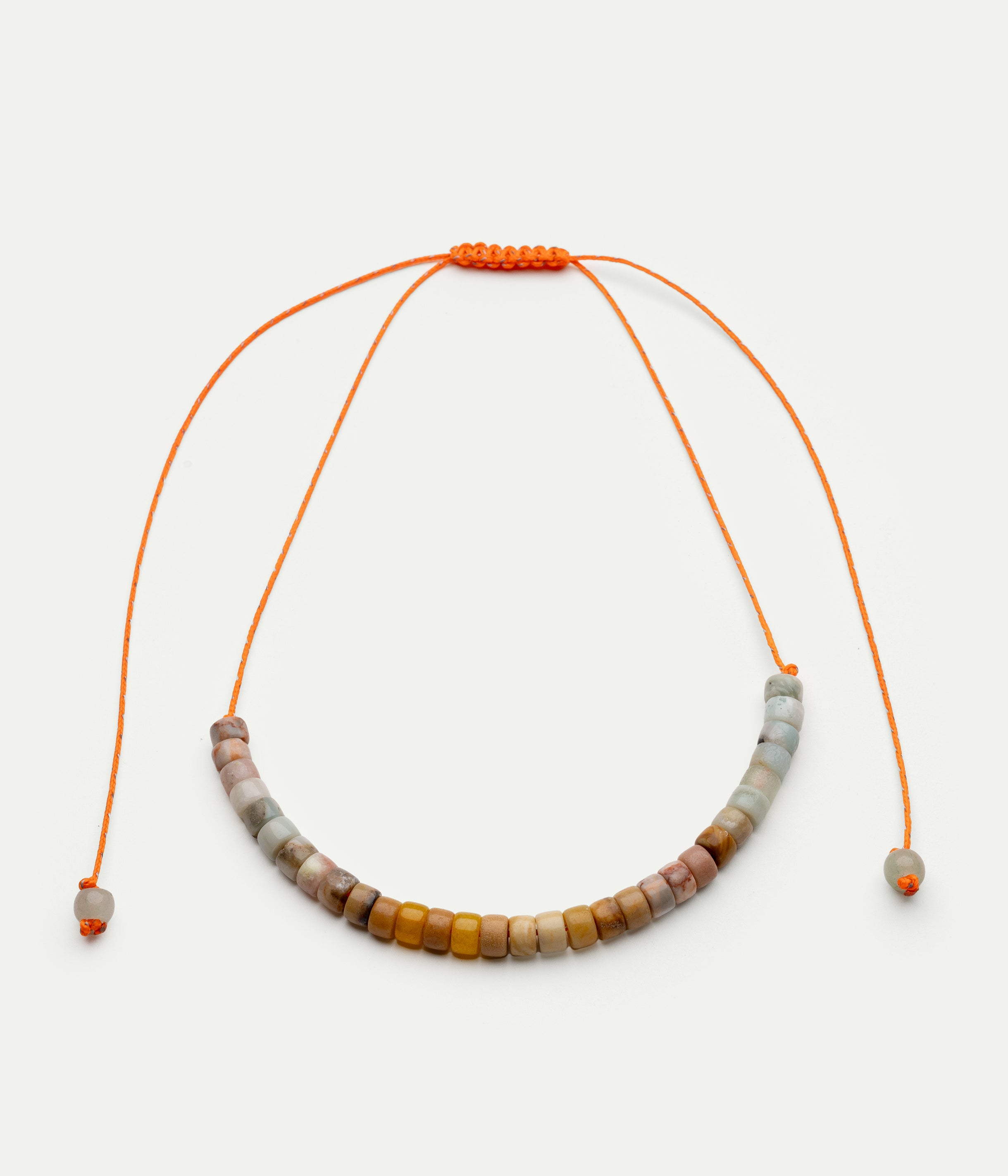
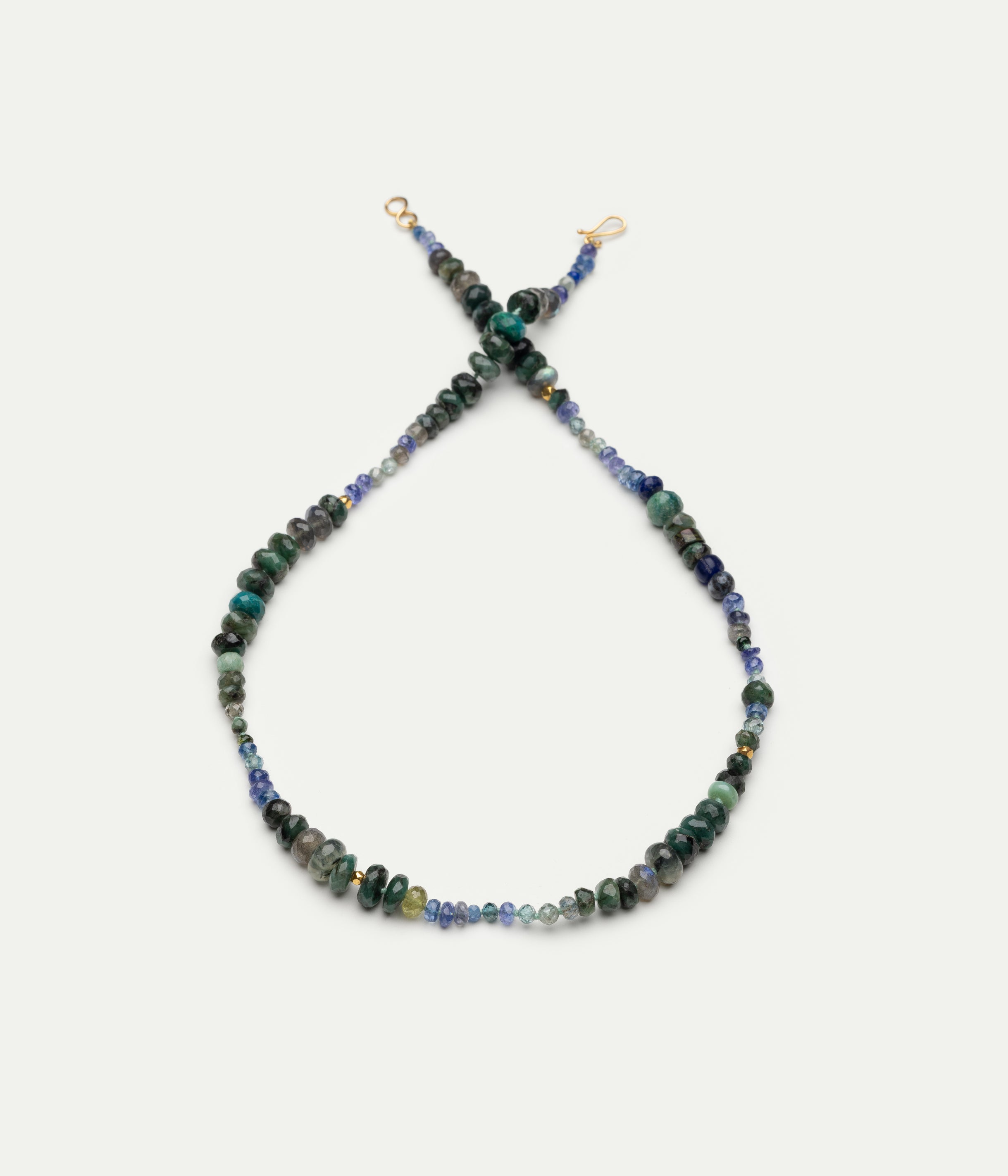
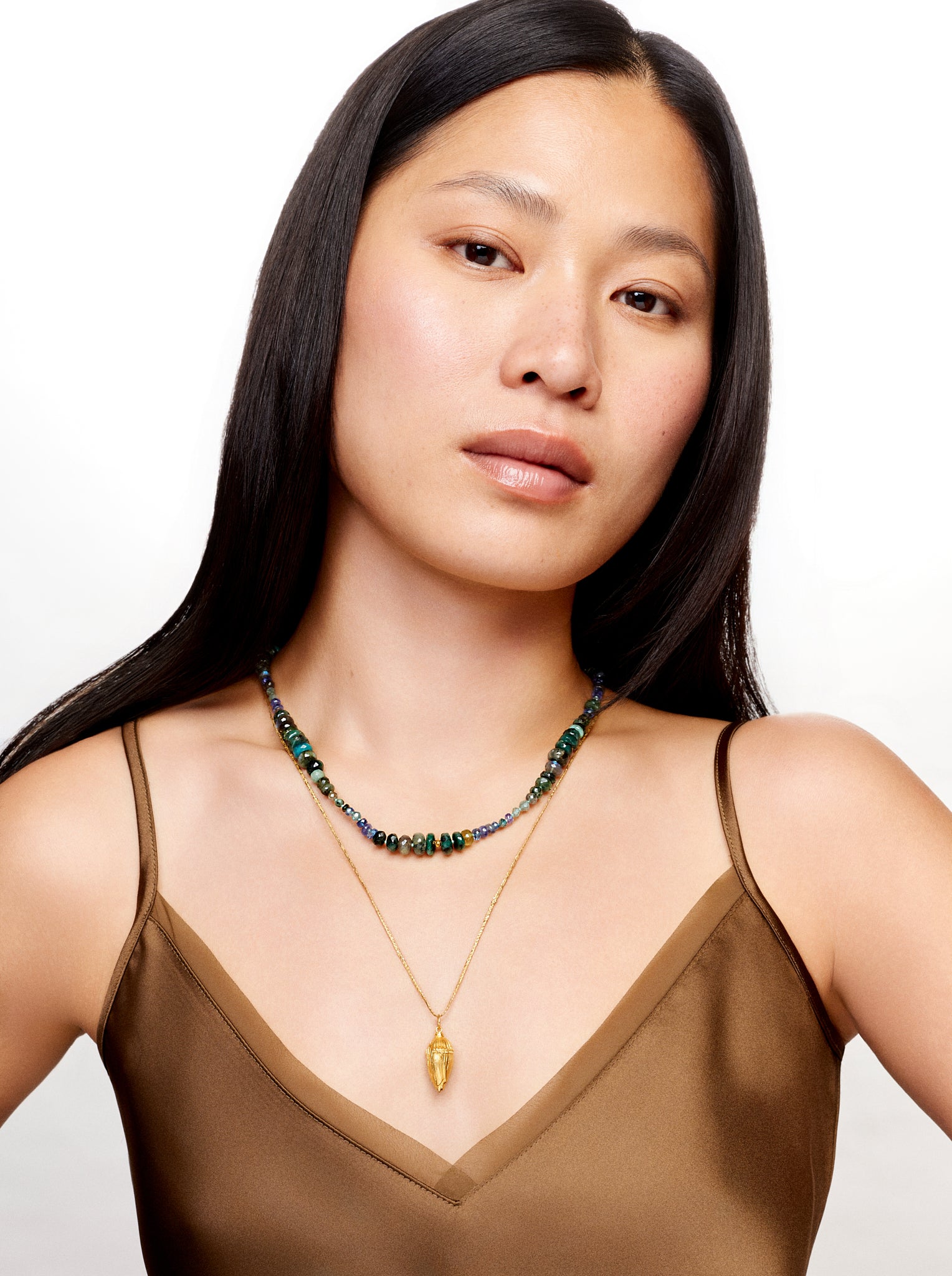
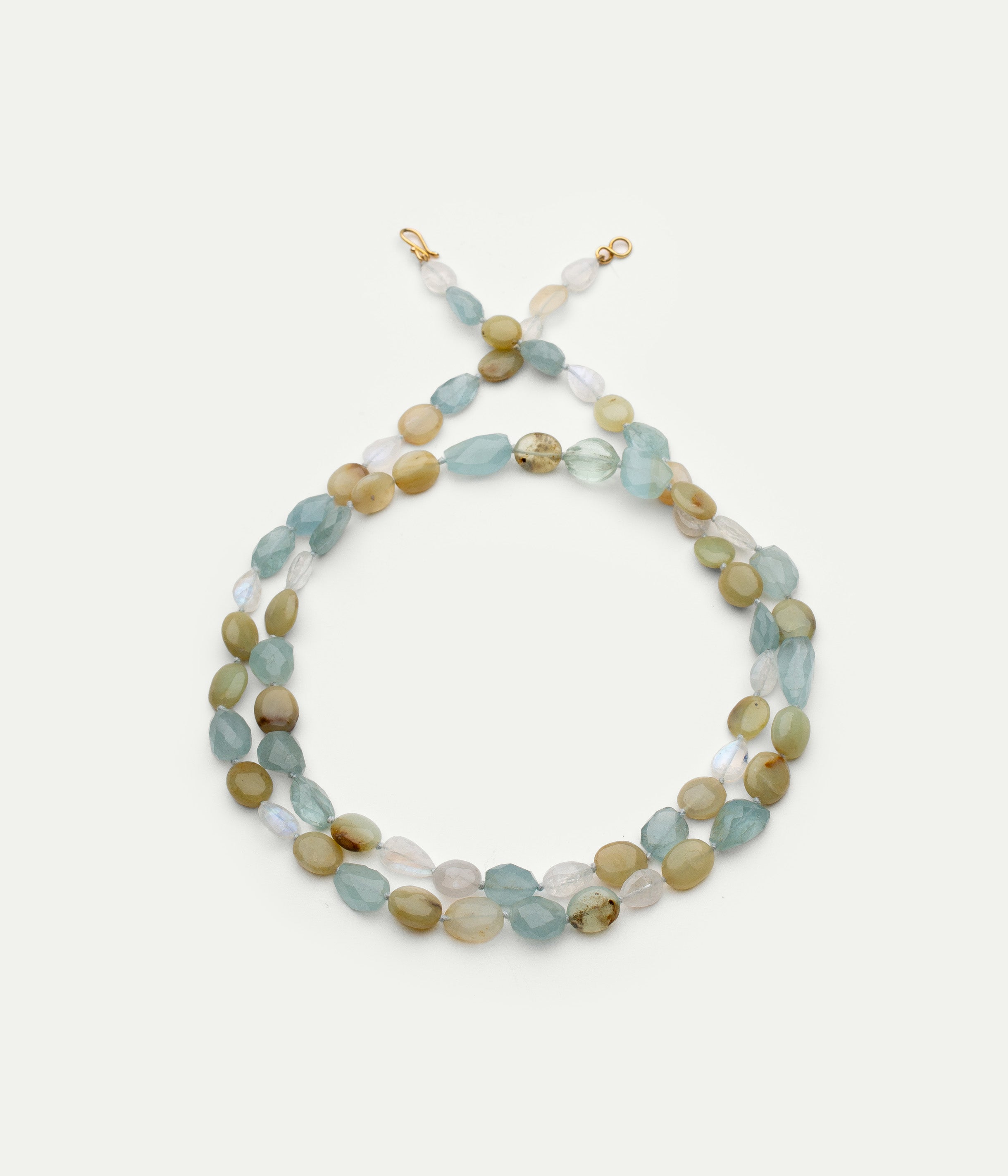
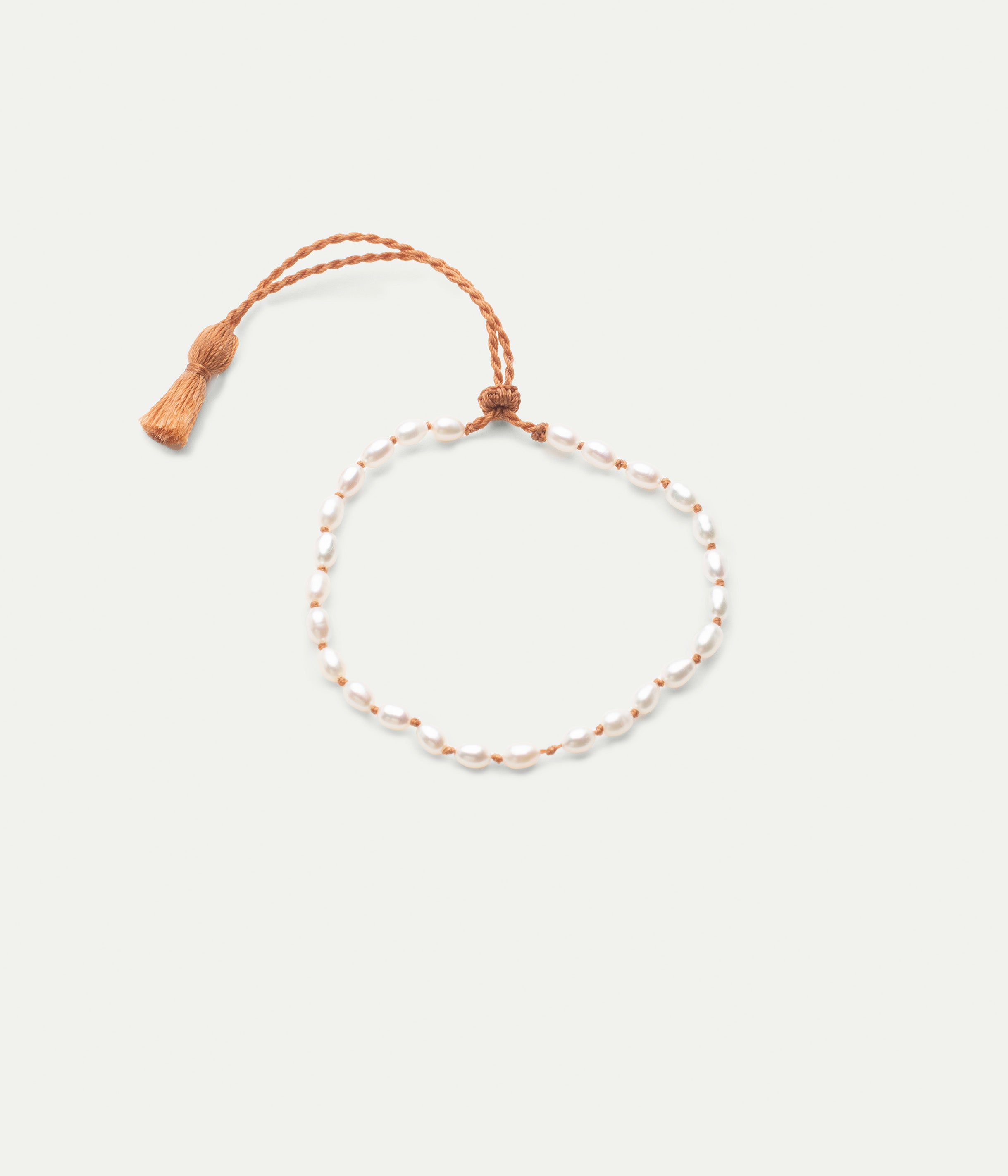
Tradebead Neon Orange Agate, Jade & Tiger eye necklace

Tax included.

Sale price€320
Stone Tradebead Neon Orange Agate, Jade & Tiger eye necklace ( Rhodocrosite / Agate / Aquamarine / Jasper / Quartz / Tiger eye )
Details
Rhodocrosite Agate Aquamarine Jasper Quartz Tiger eye

Rhodochrosite
Agate
Aquamarine
Jasper
Quartz
Tiger eye
Vesuvianite
Adjustable length

SKU: LS-NTBOCC_U
Where to buy this jewel?
Lena Skadegard
Tradebead Neon Orange Agate, Jade & Tiger eye necklace
€320
Tradebead Neon Orange Agate, Jade & Tiger eye necklace
Rhodocrosite, Agate, Aquamarine, Jasper, Quartz, Tiger eye
Sale price€320

Lena Skadegard

Lena Skadegard
Blending 3D design, philosophy and travel, Lena Skadegard creates one-of-a-kind jewellery from organic, raw materials. Each piece follows the natural character of stones and fossils, celebrating unexpected pairings and a spiritual approach to adornment.
Lena Skadegard
Lena Skadegard

What is this piece made of?

This piece contains: Rhodocrosite Agate Aquamarine Jasper Quartz Tiger eye

Rhodocrosite

Rhodocrosite takes its name from the Greek words rhodon (“rose”) and khroma (“colour”). Its shades range from soft pink to vibrant red, often marked by lighter bands or swirling patterns. Its pearly sheen and occasional translucence come from manganese — the element responsible for its signature colour. The highest-quality stones come from deposits near Cape Town, South Africa, and Mounana, Gabon, with additional sources in France, Peru, Romania, China and Greece. Known in Argentina since pre-Columbian times, rhodocrosite became the “stone of forgiveness, loyalty and true love” through a legend of a forbidden romance between a warrior and an Inca goddess. Forgotten for centuries after local mines were abandoned, rhodocrosite was rediscovered in the 18th century and gained international recognition in the 1930s. It is now the national stone of both Argentina and the state of Colorado, where the remarkable Alma King crystal — one of the largest ever found — was unearthed in 1992. With its warm hues and gentle presence, rhodocrosite remains a symbol of love and compassion. An expressive stone that continues to inspire contemporary jewellery.
Rhodocrosite

Agate

From the Greek akhatês, agate takes its name from the Achates, a river in Sicily where it was once found in abundance. Today, it is commonly sourced from Brazil, Uruguay, Quebec and the United States. Agate appears in many varieties — blue lace agate, dendritic agate, fire agate and moss agate — and is widely used in jewellery and silversmithing, as well as in fields such as chemistry and ceramics thanks to its resistance to abrasion. Across different cultures, agate has long been associated with symbolic qualities. Some traditions believe that it encourages grounding and good fortune, supporting emotional, physical and intellectual balance. It is also thought by some to bring calm and resilience. Used by designers such as Anaconda and Talkative, agate exists in a rich palette of colours: green, red, yellow, blue and black.
Agate

Aquamarine

Ranging from the clear blue of open water to the green-blue of a tropical lagoon, aquamarine takes its name from the Latin aqua marina, meaning “sea water.” Its colour is linked to traces of iron within the mineral, and varies according to its origin. The deeper the blue, the rarer and more coveted the stone becomes. A member of the beryl family — alongside emerald and morganite — aquamarine is primarily sourced from Pakistan and Brazil, where exceptionally large specimens, sometimes exceeding 100 kg, have been discovered. Its clarity, luminosity and subtle variations of tone have long appealed to designers such as Ruth Tomlinson and Pippa Small, and it also features in our in-house collection We by WHITEbIRD. Across different cultures, aquamarine has been associated with symbolic meanings. Some traditions view it as a stone that fosters harmony in relationships or protects travellers, particularly sailors. With its serene palette and natural brilliance, aquamarine continues to be one of the most sought-after gemstones in contemporary jewellery.
Aquamarine

Jasper

Jasper is an ornamental gemstone belonging to the large family of microcrystalline quartz. Its name comes from the Greek iaspis, used historically to describe a gem marked by varied colours and intricate patterns. What sets jasper apart is its remarkable diversity: deep reds, ochres, greens and browns, often streaked or mottled with natural designs that resemble painted landscapes. Found across India, Brazil, the United States, Madagascar and Egypt, jasper forms through the slow accumulation of sediments and minerals. Each stone carries its own geological narrative, making jasper inherently expressive and truly one of a kind. Since antiquity, it has been associated with strength and stability. Civilisations such as the Egyptians, Greeks and Mesopotamians carved it into amulets, seals and ritual objects. Its dense structure and gently matte surface give it a grounded, earthy presence. In contemporary jewellery, jasper is appreciated for its graphic aesthetic and endless range of colours. A stone sought by those drawn to pieces with character — where nature itself is the artist.
Jasper

Quartz

Quartz derives its name from the ancient Greek krystallos, meaning “ice,” a reference to its clarity, which early philosophers — including Theophrastus — believed to be eternal, frozen water. Ubiquitous across continents, it is mined extensively in Brazil, the United States, France, Austria and Madagascar. Across cultures, quartz has carried strong symbolic significance. For some Native American tribes, it was a sacred material to which offerings were made. Among Aboriginal shamans, it is still viewed as a tool for insight and vision. Often described as a “master stone” in crystal traditions, quartz is said to amplify the properties of other minerals and open new pathways of thought. Its variety is one of its defining qualities: – clear quartz, or rock crystal, valued for its purity; – rutilated quartz, threaded with golden needles, used by Ivarene, Anaconda and Pascale Monvoisin; – rose quartz, adored by Pippa Small; – smoky quartz, warm and subtly tinted; – blue quartz, used by Lito Fine Jewellery; – lemon quartz, bright and vibrant, used by Disa Allsop. Beyond jewellery, quartz is fundamental to modern technology: it is found in the components of smartphones, cameras, computers and televisions due to its exceptional vibrational stability. Versatile, luminous and rich in cultural history, quartz remains one of the world’s most widely used minerals — and a material of choice for contemporary designers.
Quartz

Tiger eye

Tiger’s eye is a fibrous variety of quartz known for its shimmering optical effect, called chatoyancy, which produces a moving band of light across the surface. Its colours range from golden brown to deep honey, animated by silky reflections that shift with the light. Found mainly in South Africa, Australia, India and Namibia, tiger’s eye forms through layers of quartz and iron-rich minerals, giving it its distinctive earthy character. Long associated with protection and mental clarity, it is considered a grounding stone that supports focus and discernment. Its warm glow and sculptural appearance make it a favourite in contemporary jewellery. A stone whose beauty comes alive in motion, revealing its full depth through its changing reflections.
Tiger eye

Taking care of your jewels

Pieces of jewelry are delicate little objects. Even if they are made of resistant materials in order to be worn every day, it is still important to follow some general advice for them to keep their original beauty.

Read Guide

Frequently asked questions

Looking for a quick answer? You’ll find detailed information on our Payment, Delivery and Returns & Exchanges pages. If you need any further assistance, our team will be happy to help — feel free to contact us using the form below.

CONTACT US
Do you ship internationally?

Yes. We ship worldwide from Paris with trusted carriers such as DHL Express or Colissimo. Delivery options and fees are calculated at checkout according to your destination and the value of your order.

  • France: Colissimo for orders up to €1,000, DHL Express above.
  • European Union: Prices are calculated with local VAT applied at checkout, based on the delivery address.
  • United Kingdom & United States: Import duties and VAT are included. No additional charges upon delivery.
  • For deliveries outside the European Union, customs procedures may apply depending on the destination.
When will my order be delivered?

Orders can be collected in one of our Paris boutiques, or shipped to your address.

  • In-stock pieces are usually dispatched within 2 to 5 business days.
  • Delivery times vary depending on destination and carrier.
  • For made-to-order or special pieces, production delays are indicated on the product page.

You will receive a confirmation email with tracking details as soon as your order is shipped.

Are returns or exchanges possible?

Yes. If your piece does not fully suit you, you may request a return or exchange:

  • Within 14 days of receipt (28 days for deliveries to the USA)
  • The piece must be unworn, unaltered, and returned in its original condition.

Please note that engraved, resized or custom-made pieces cannot be returned or refunded. Return shipping costs are at the customer’s expense; however, exchanged items are shipped free of charge within the European Union.

Need advice before choosing?

Our team is here to guide you. For questions about sizing, availability, gemstones or gifting, we offer personalised support by phone or email. You may also book a private video consultation (WhatsApp or FaceTime) to view pieces live, receive styling advice or explore a curated selection — just as you would in our boutiques.

  • Tel : +33 (0)1 42 60 52 39
  • Email : contact@whitebirdjewellery.com