Skip to content

Your cart is empty

Continue shopping

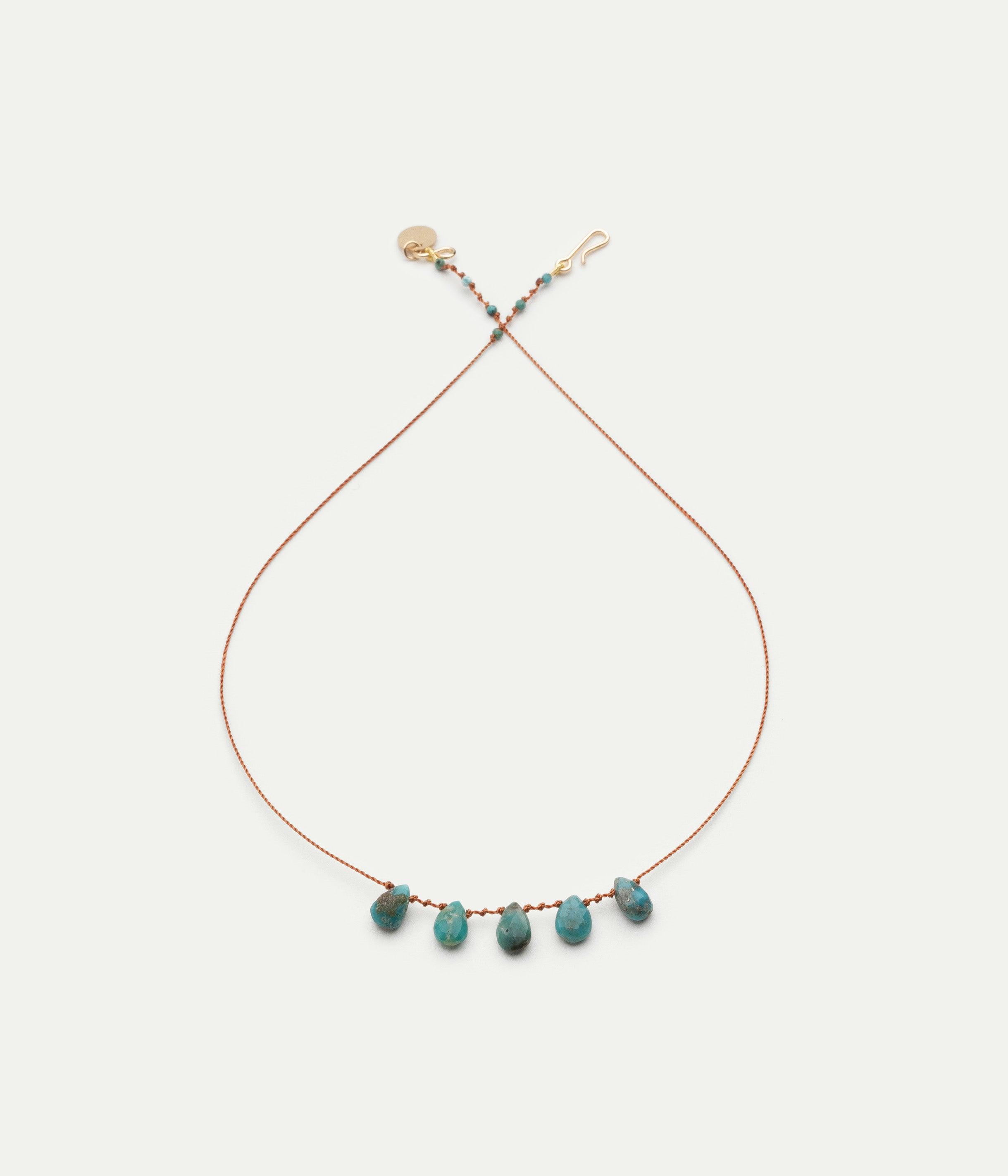
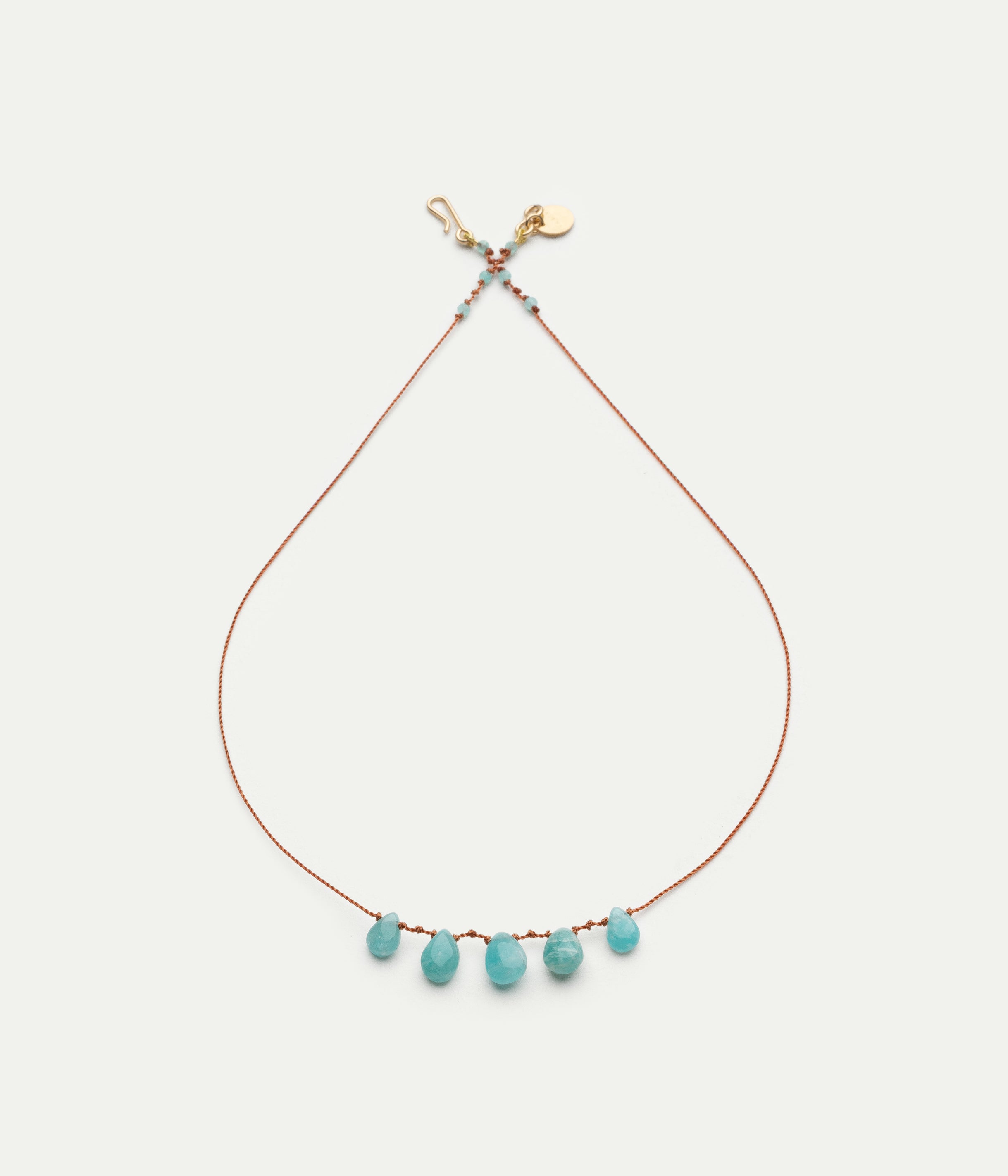
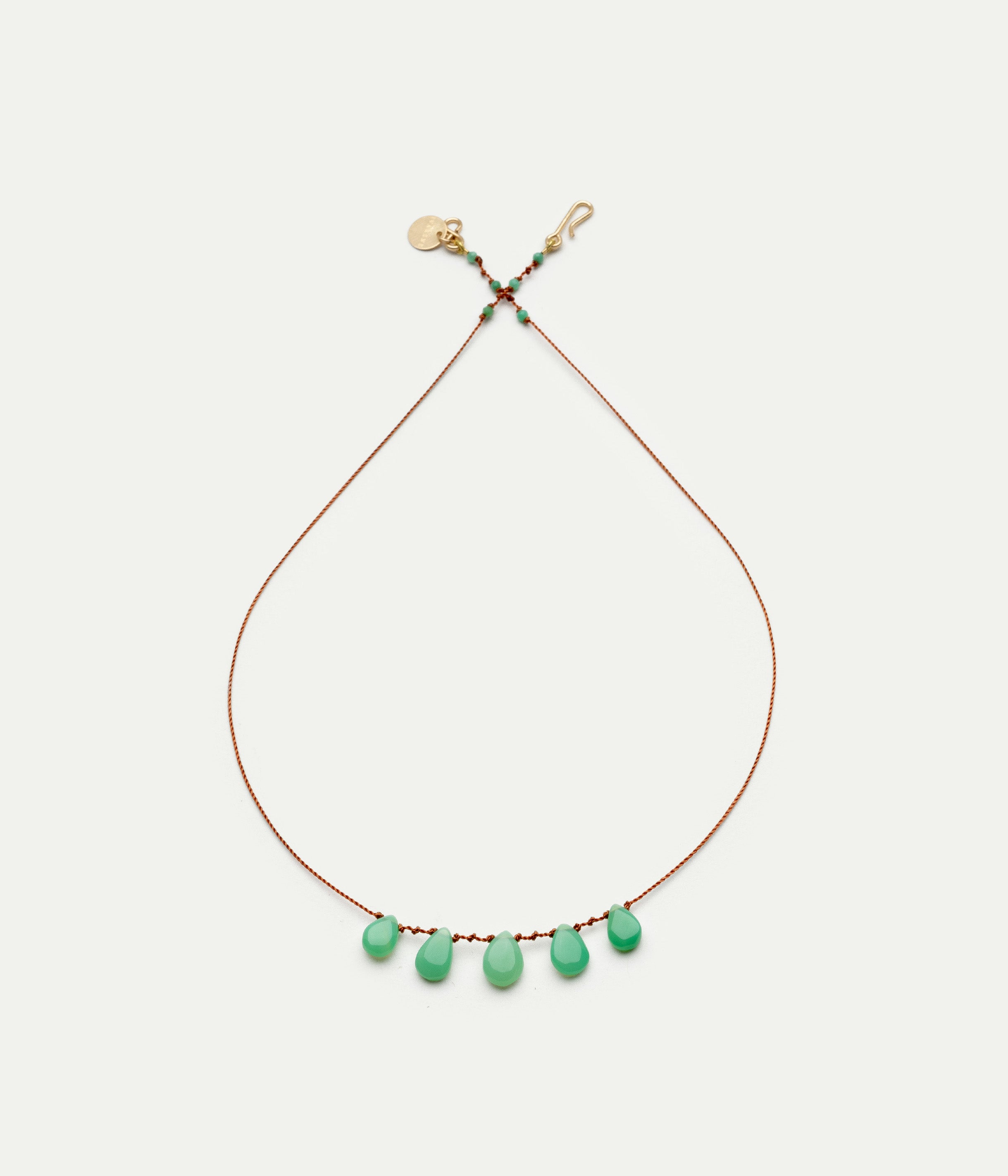
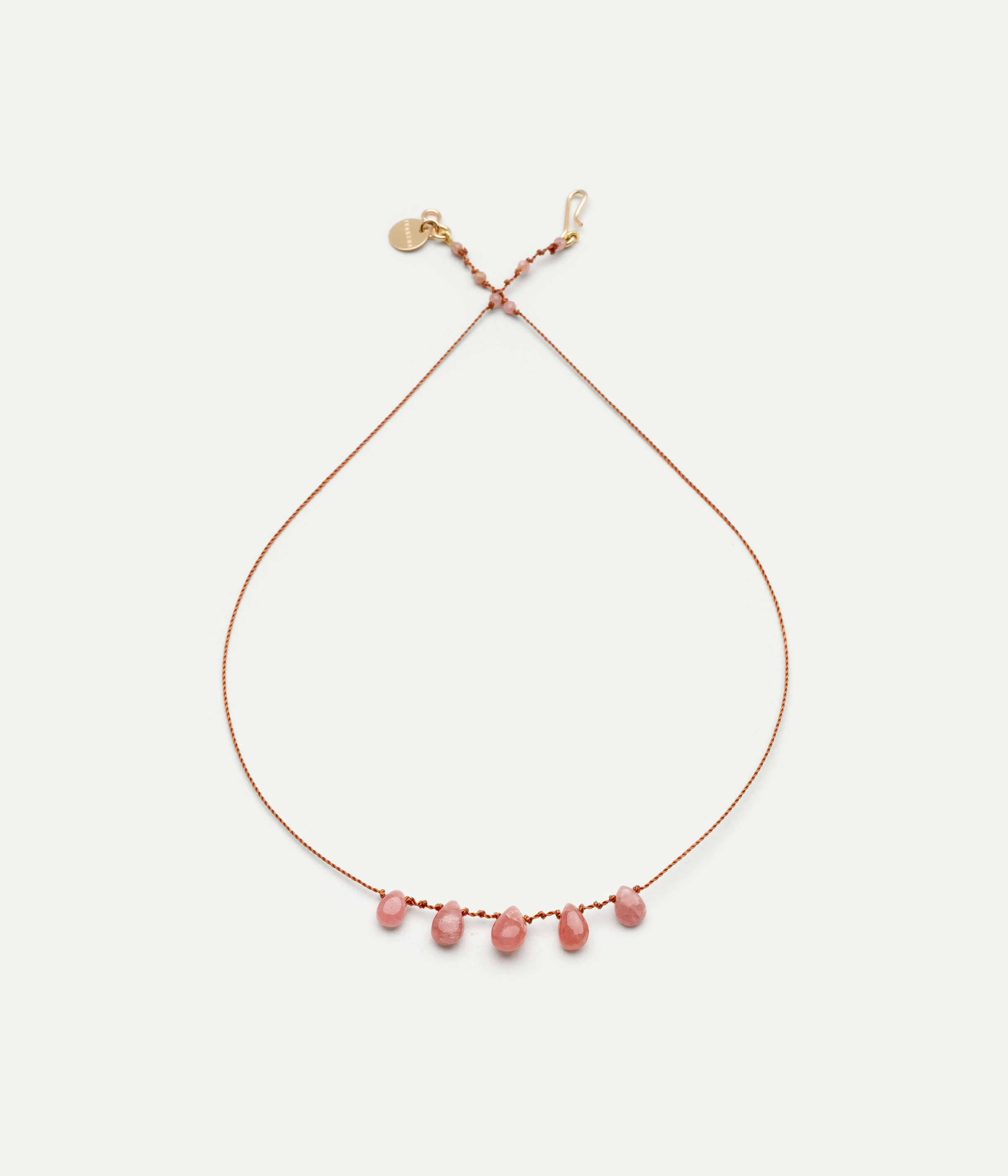
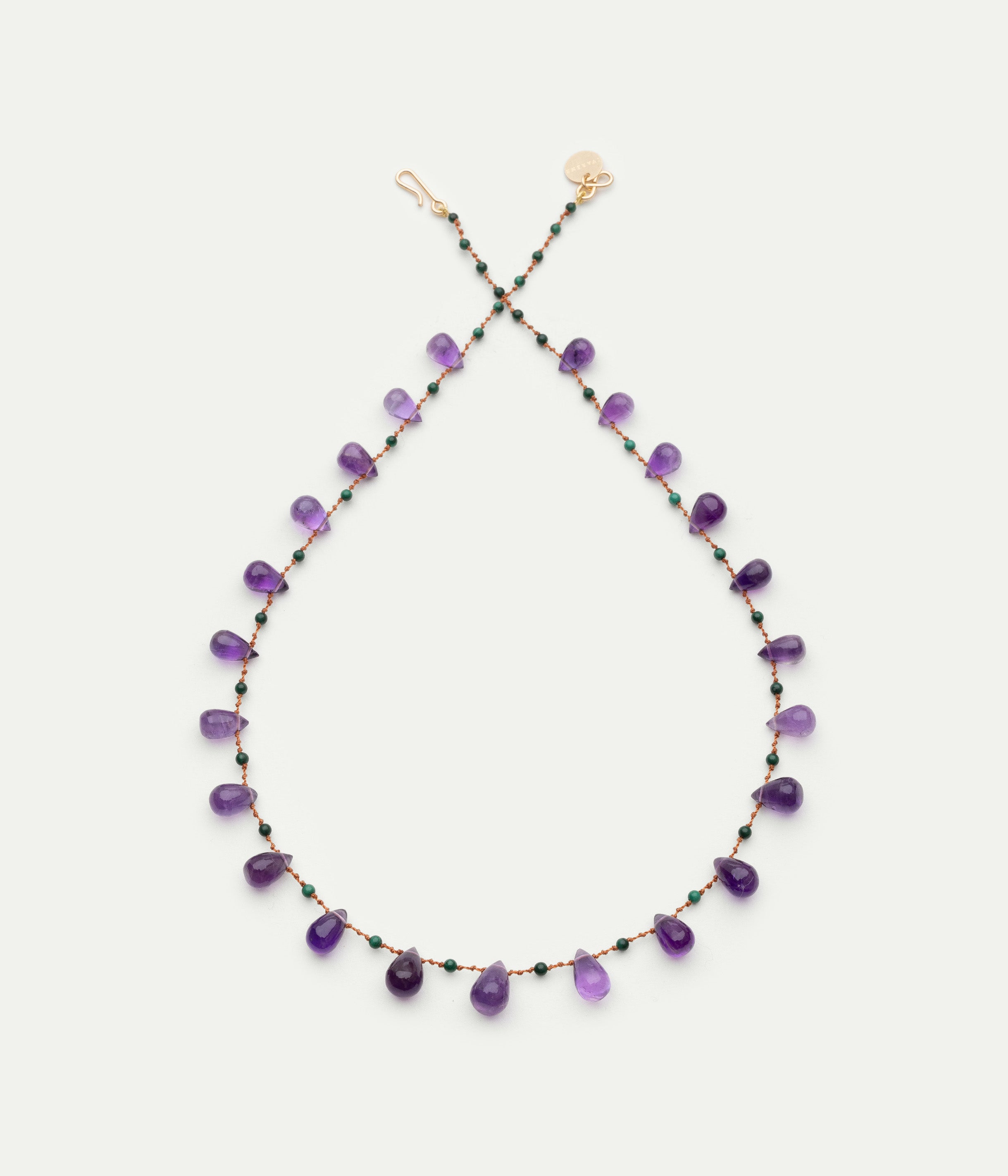
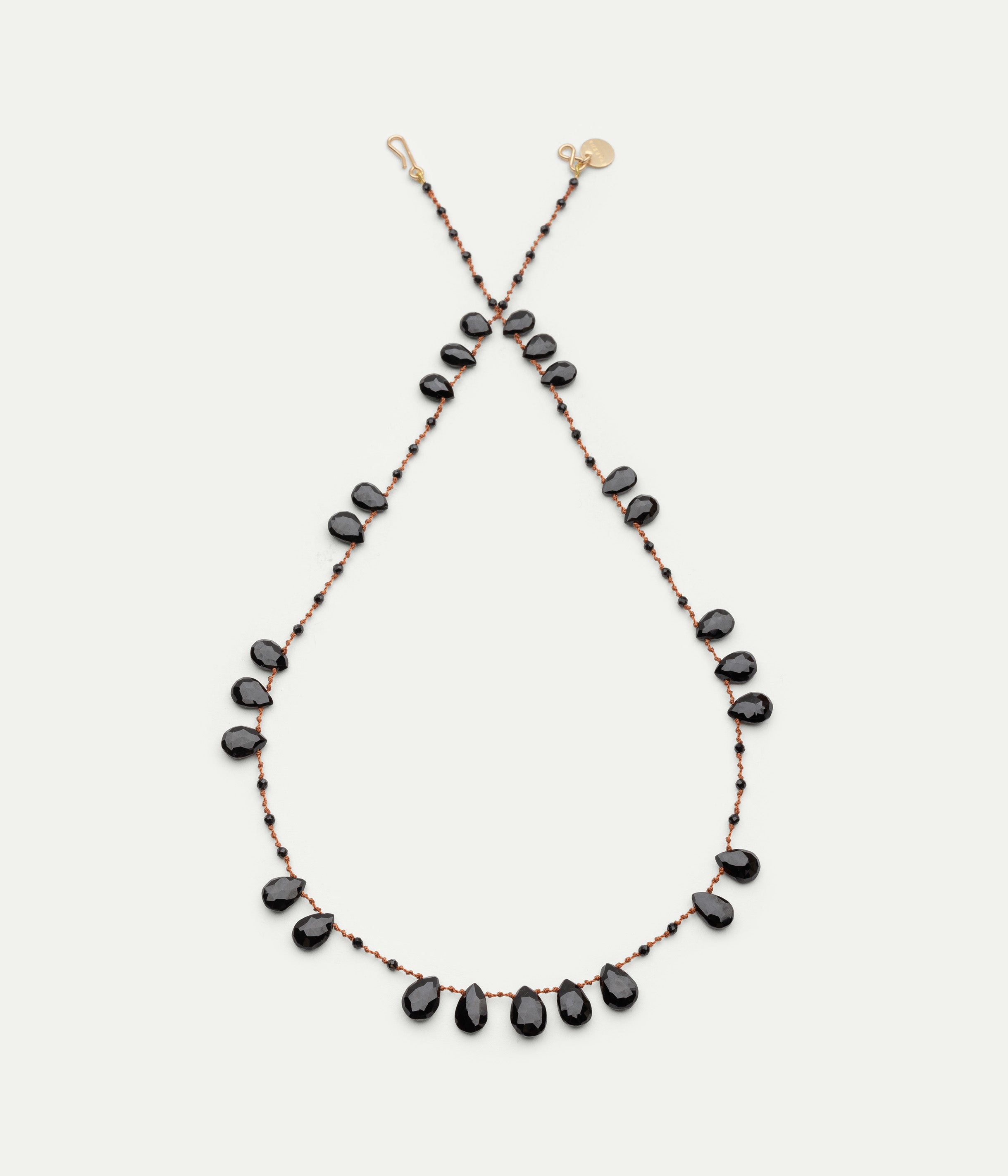
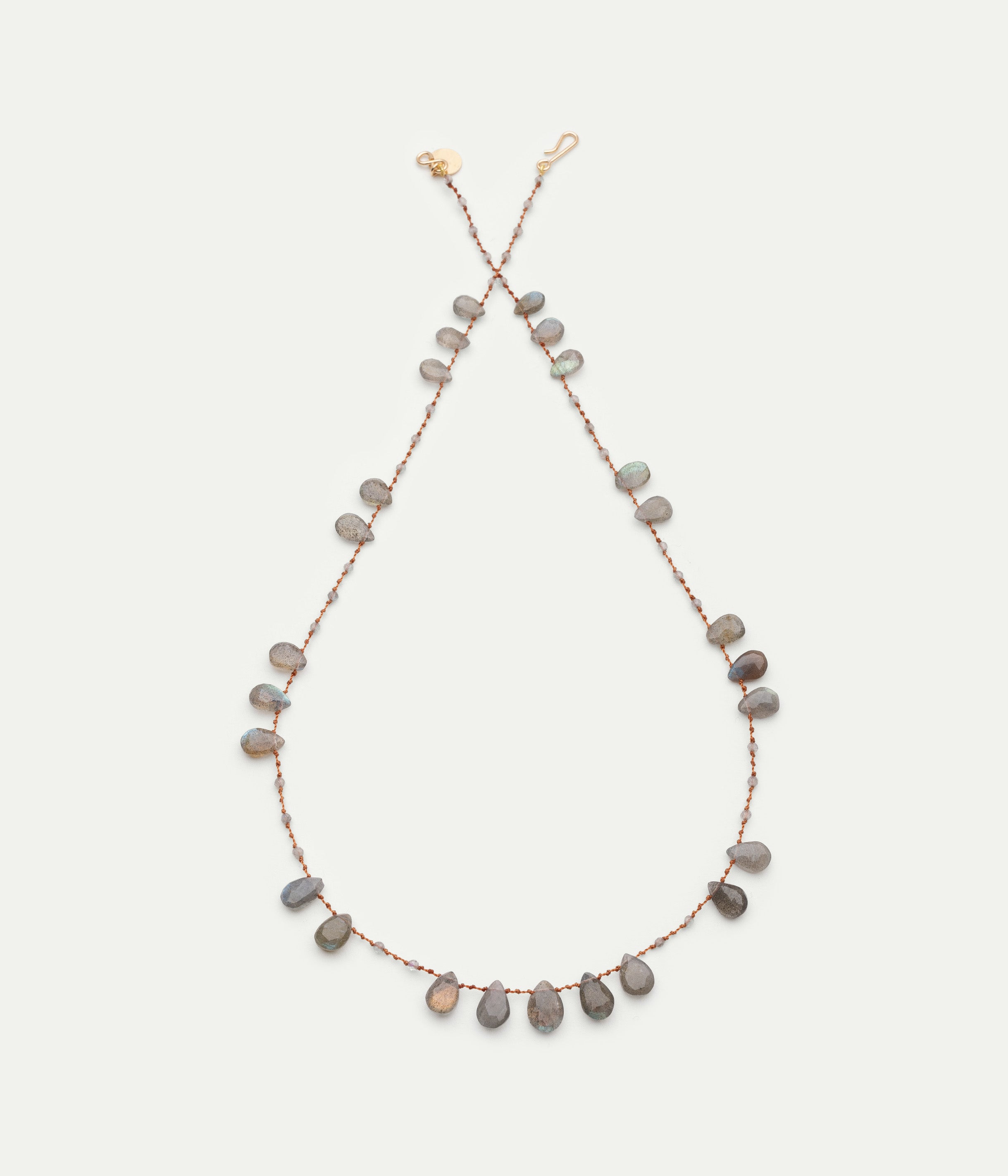
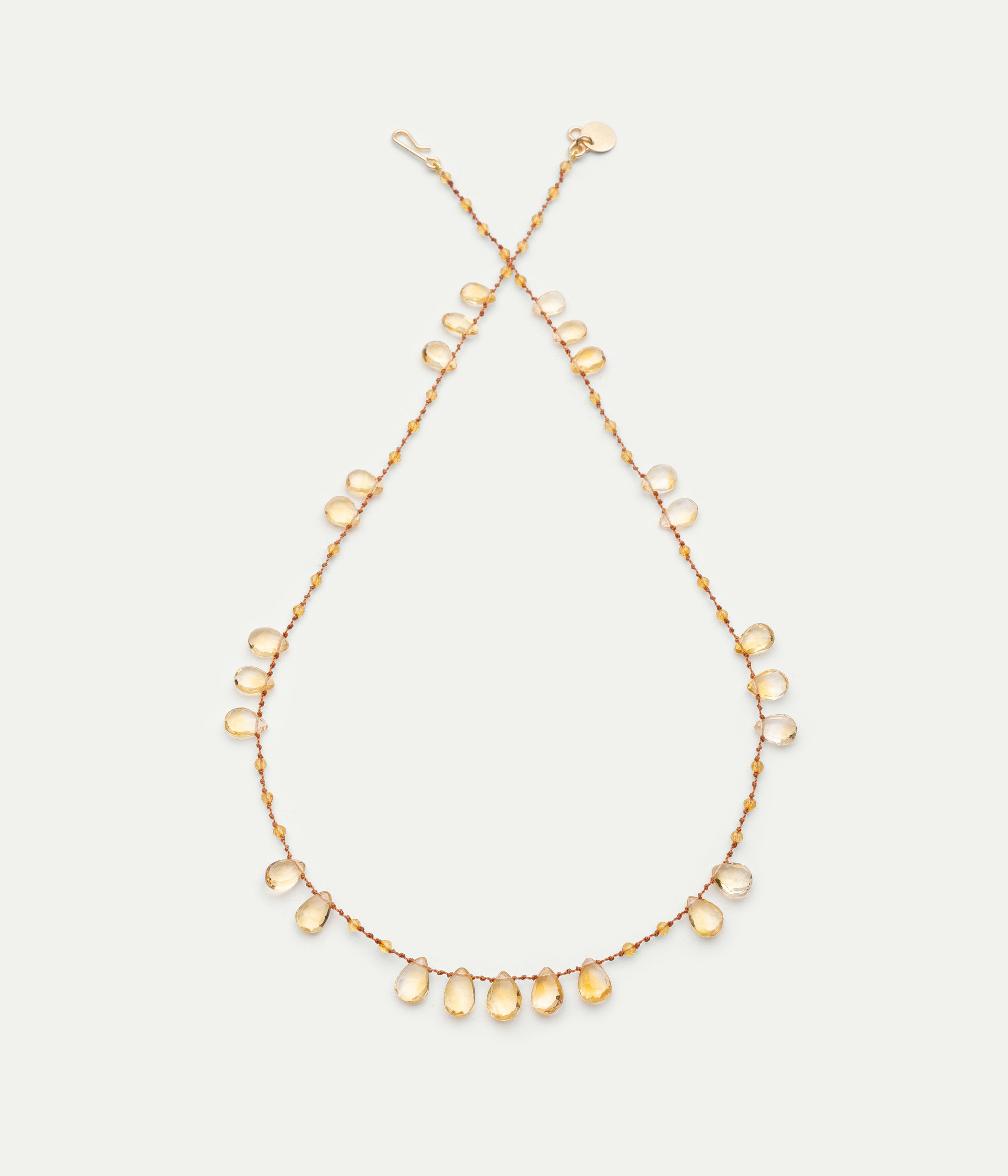
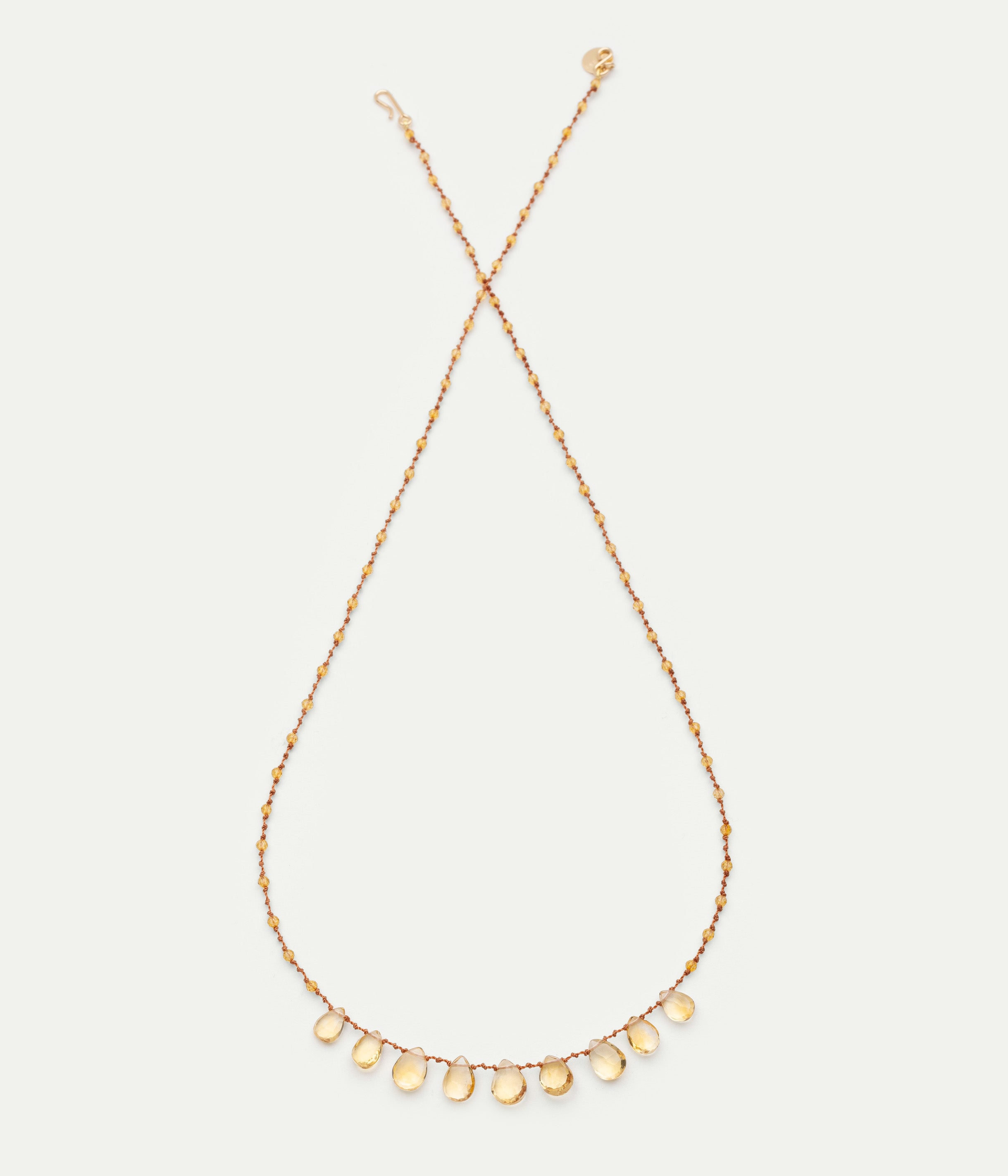
Rainbow necklace

Tax included.

Sale price€357
Stone Sapphire Sapphire / Pearl Pearl / Garnet Garnet / Moonstone Moonstone / Chrysoprase Chrysoprase / Amethyst Amethyst

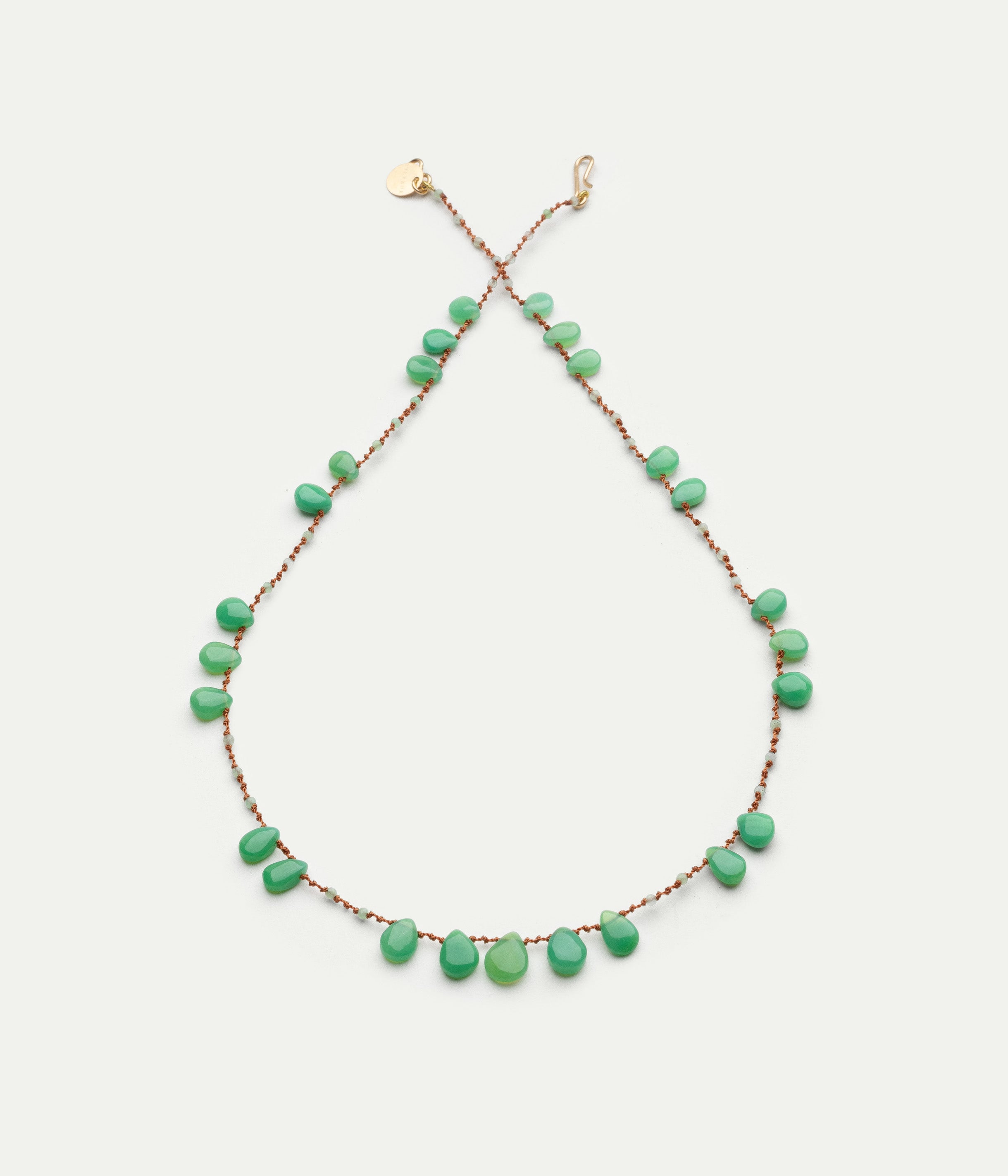
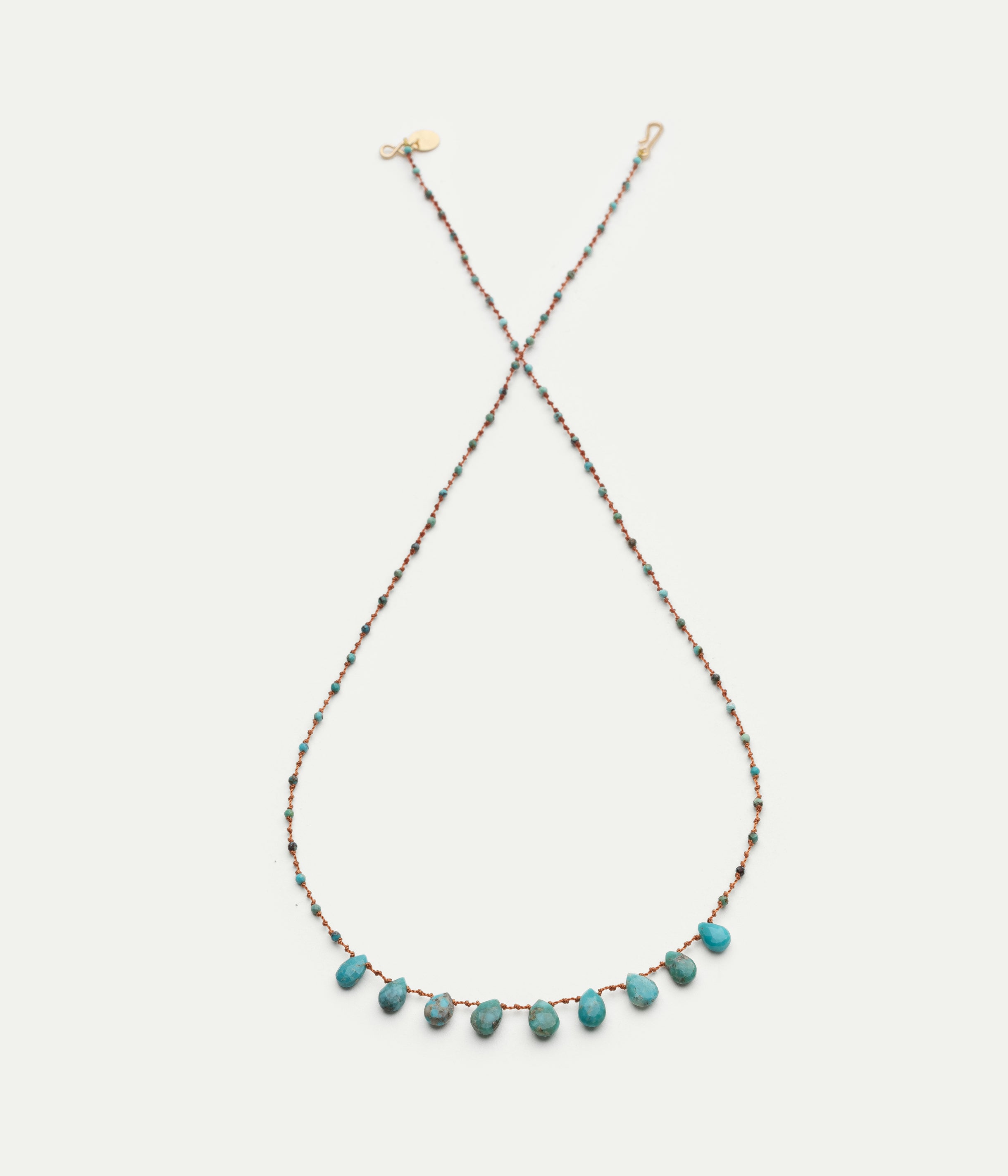
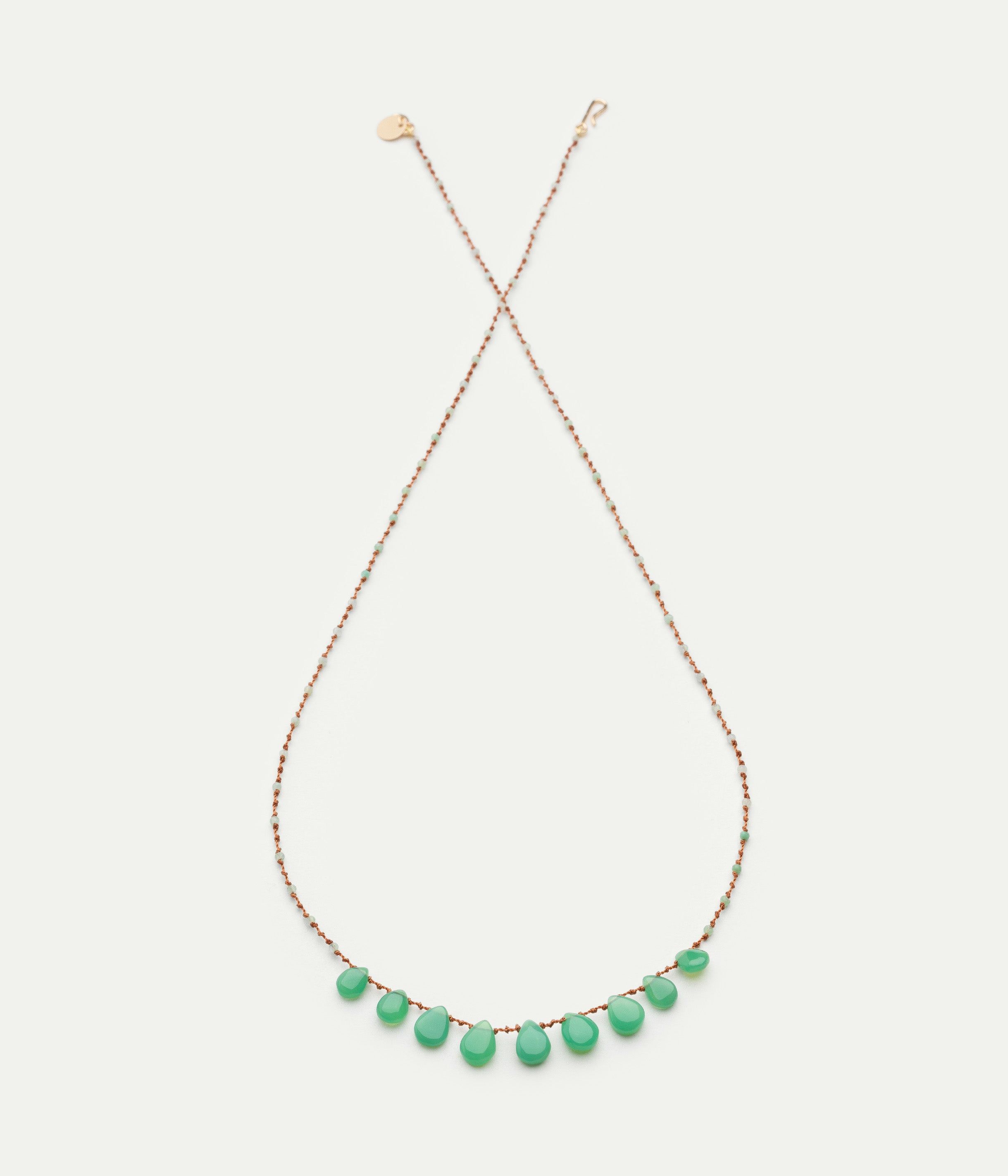
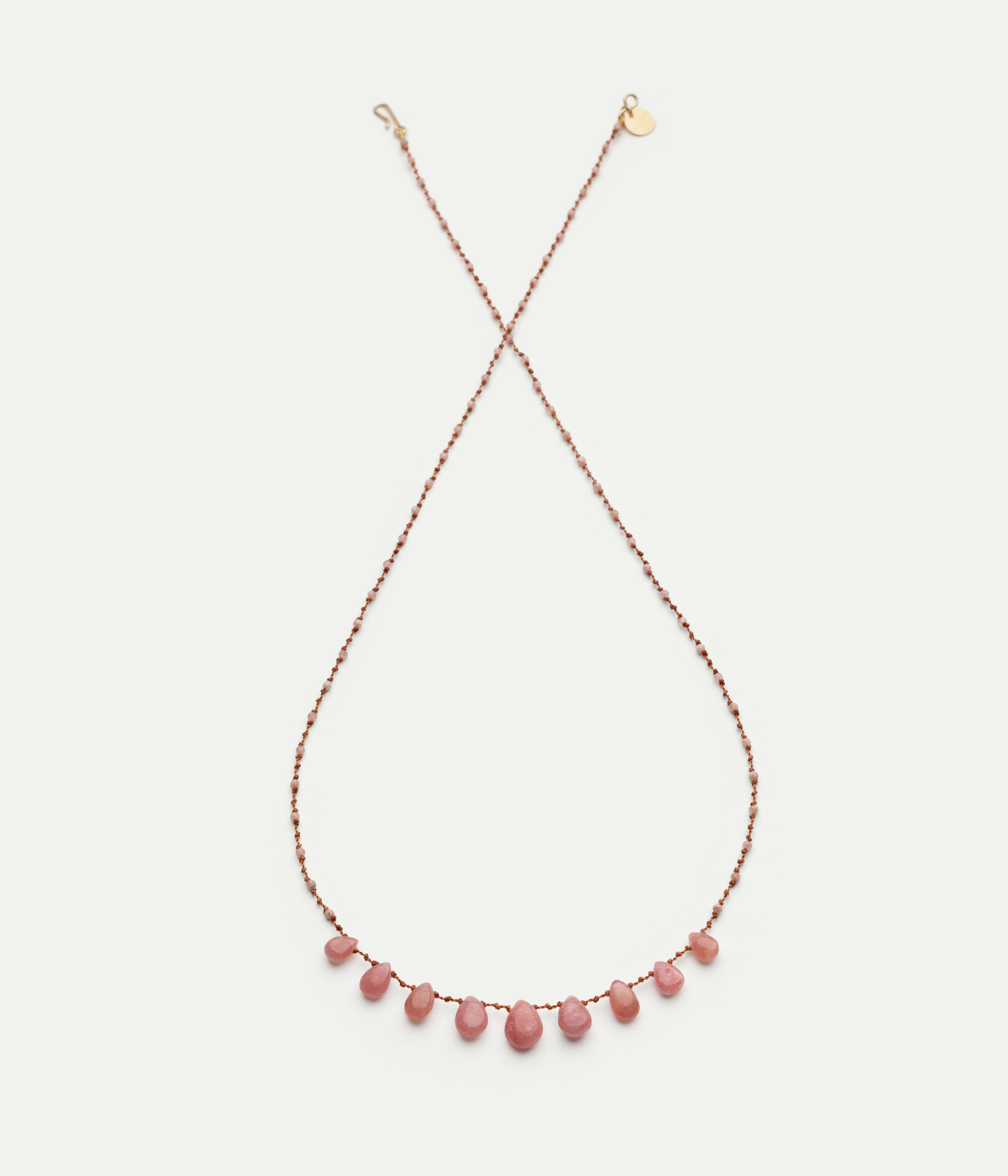
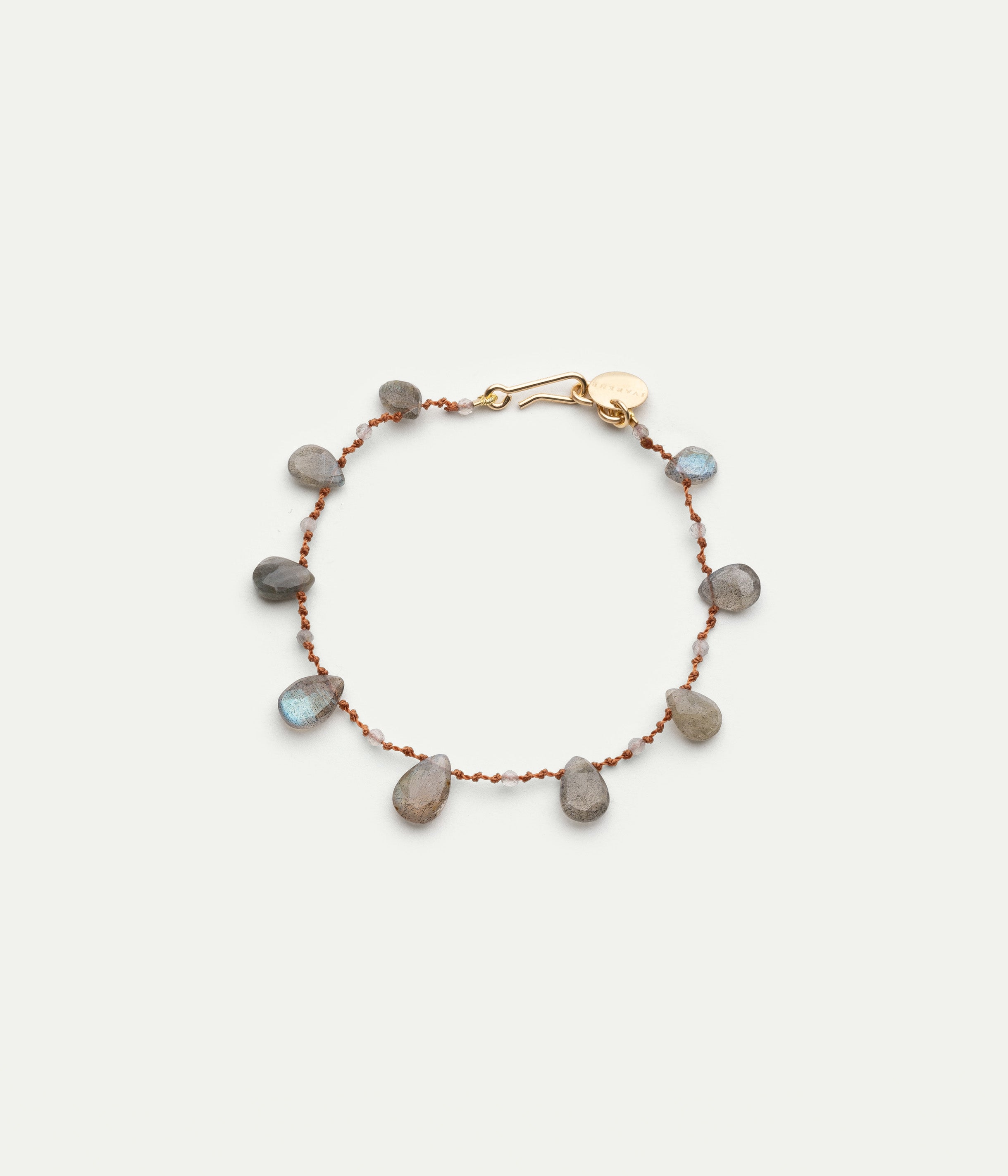
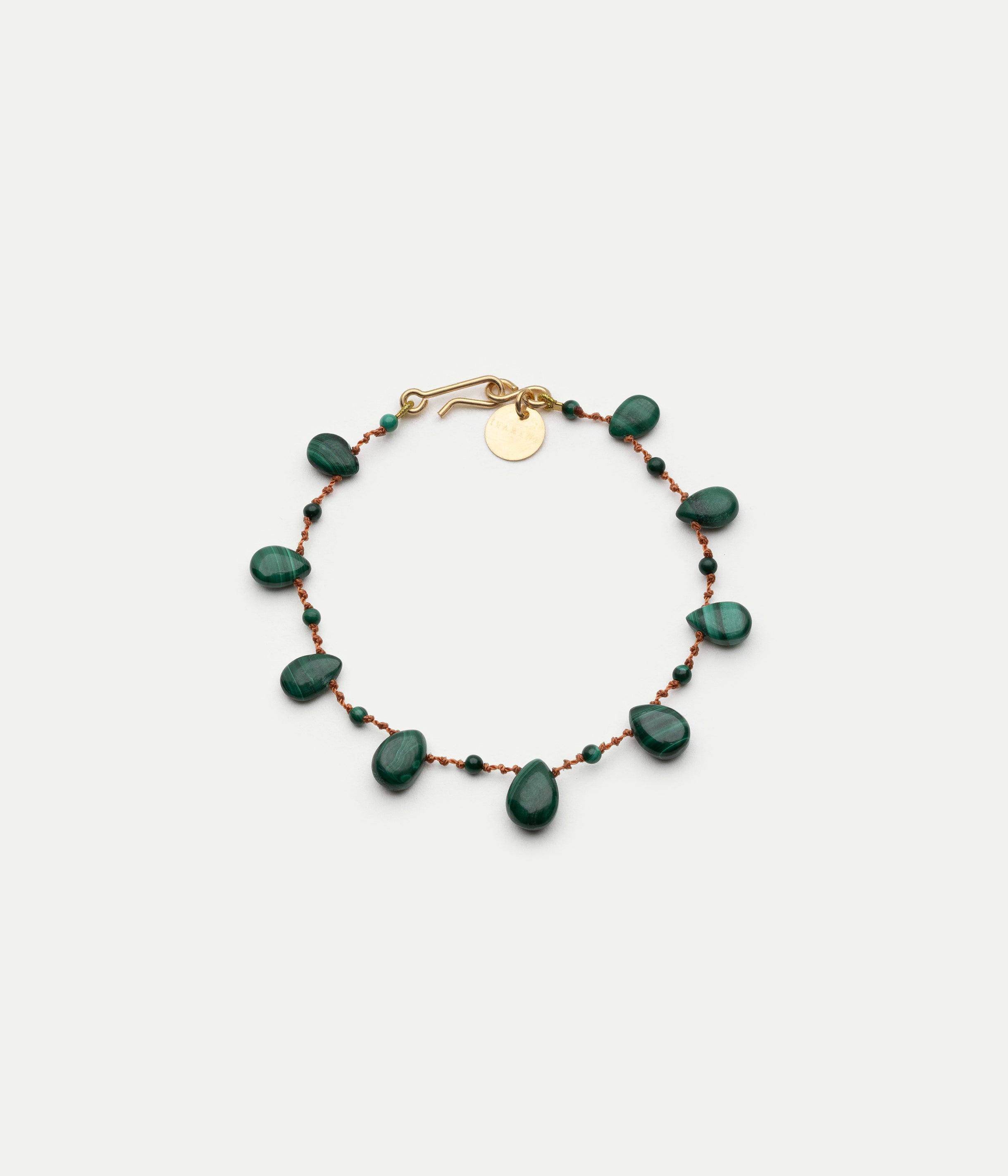
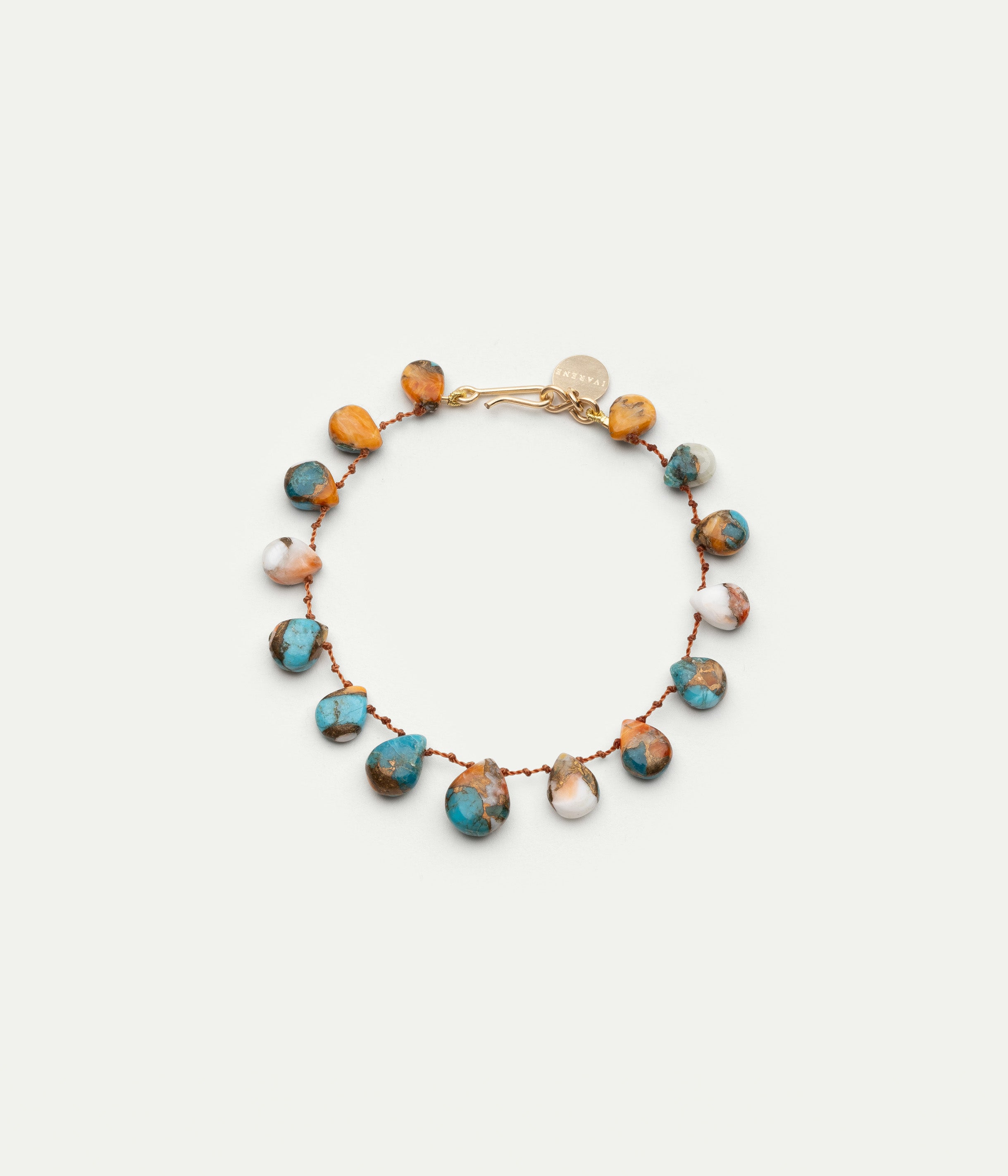
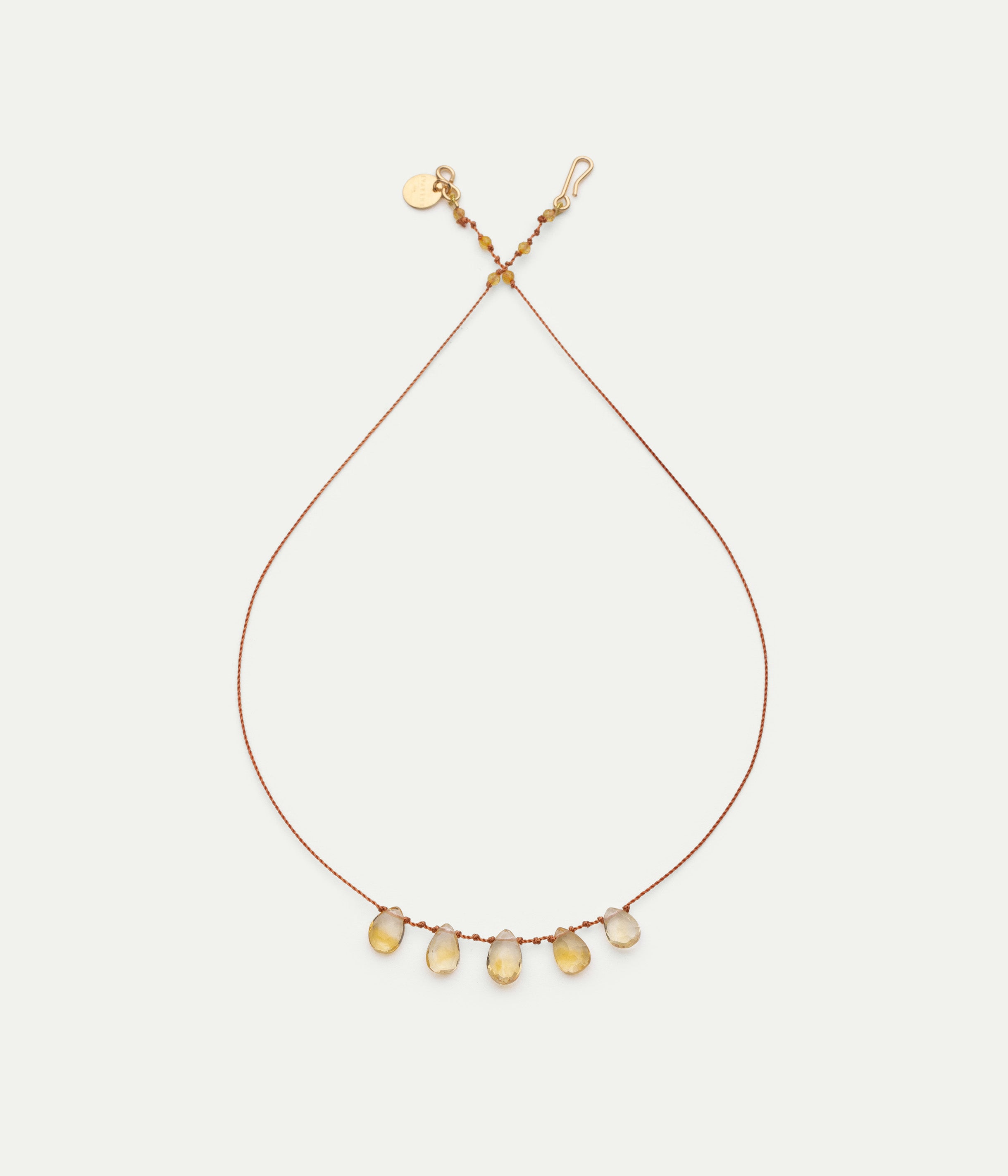
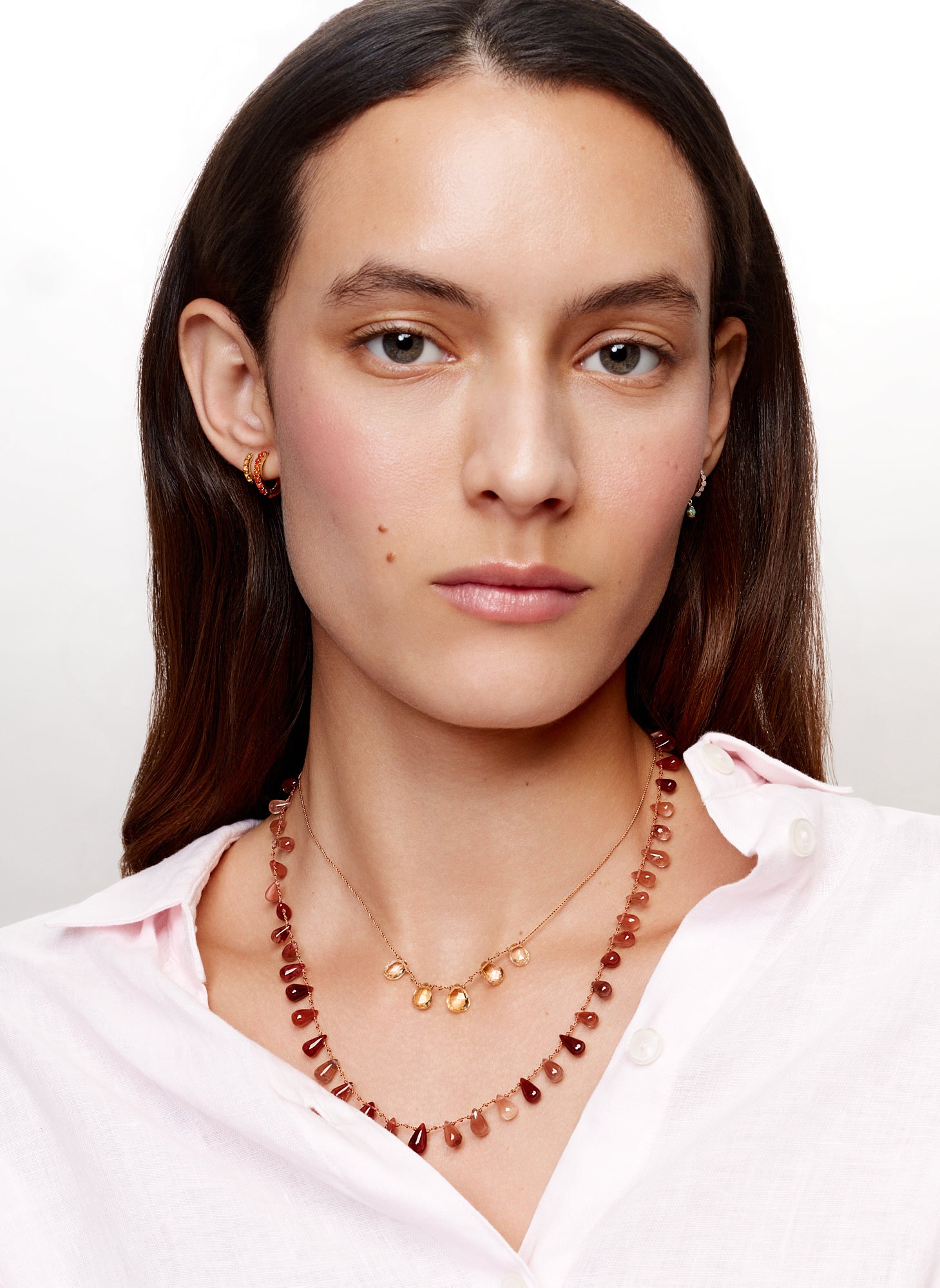
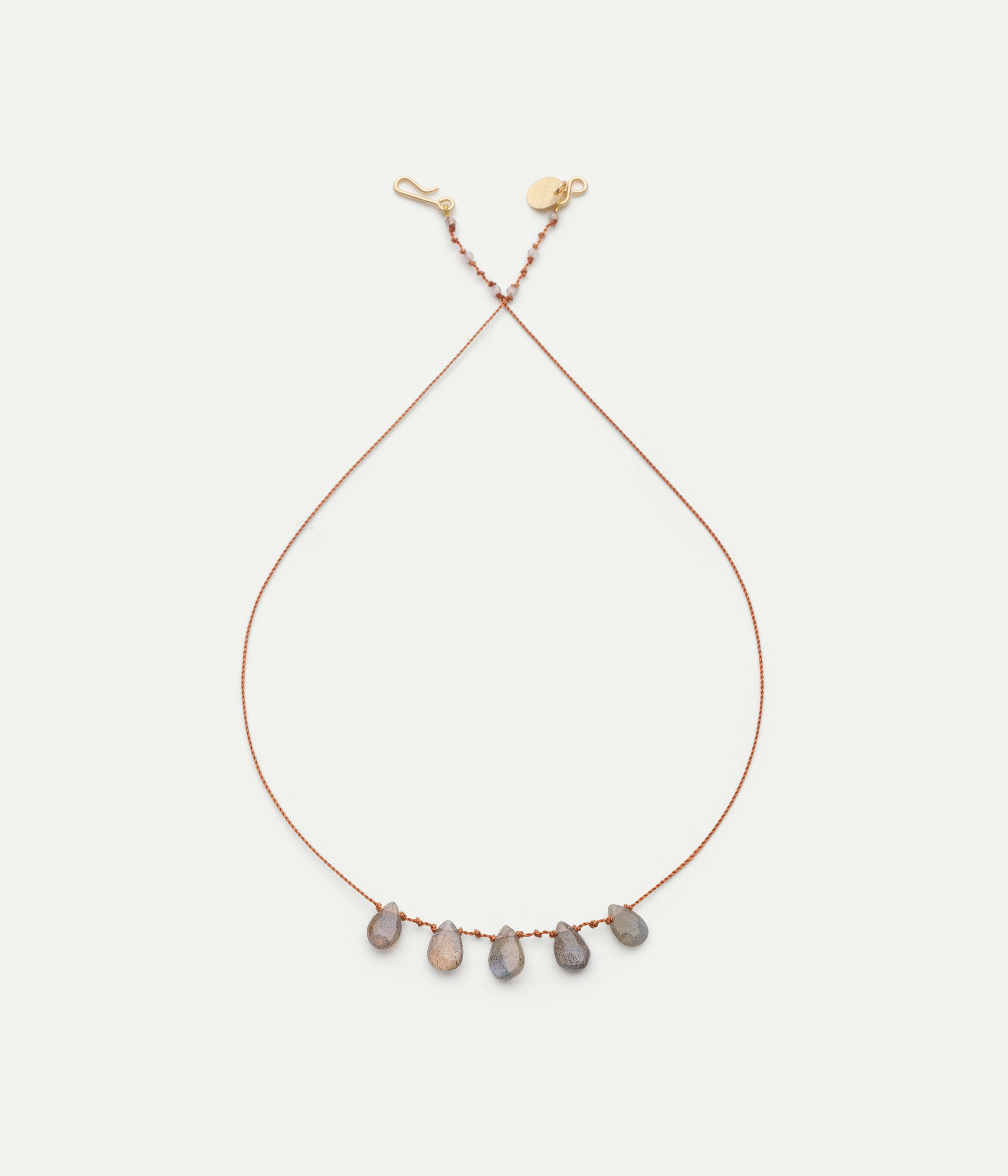
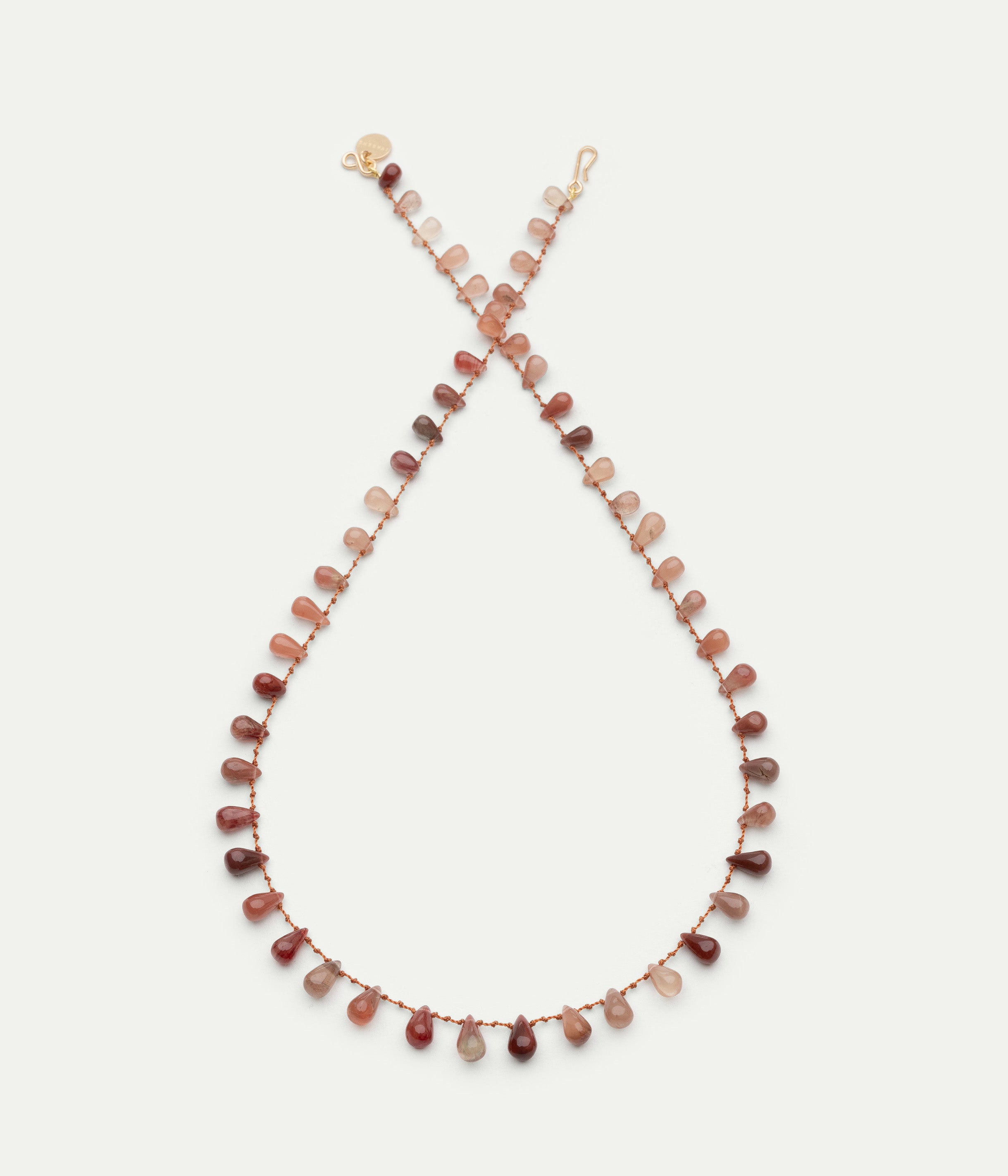
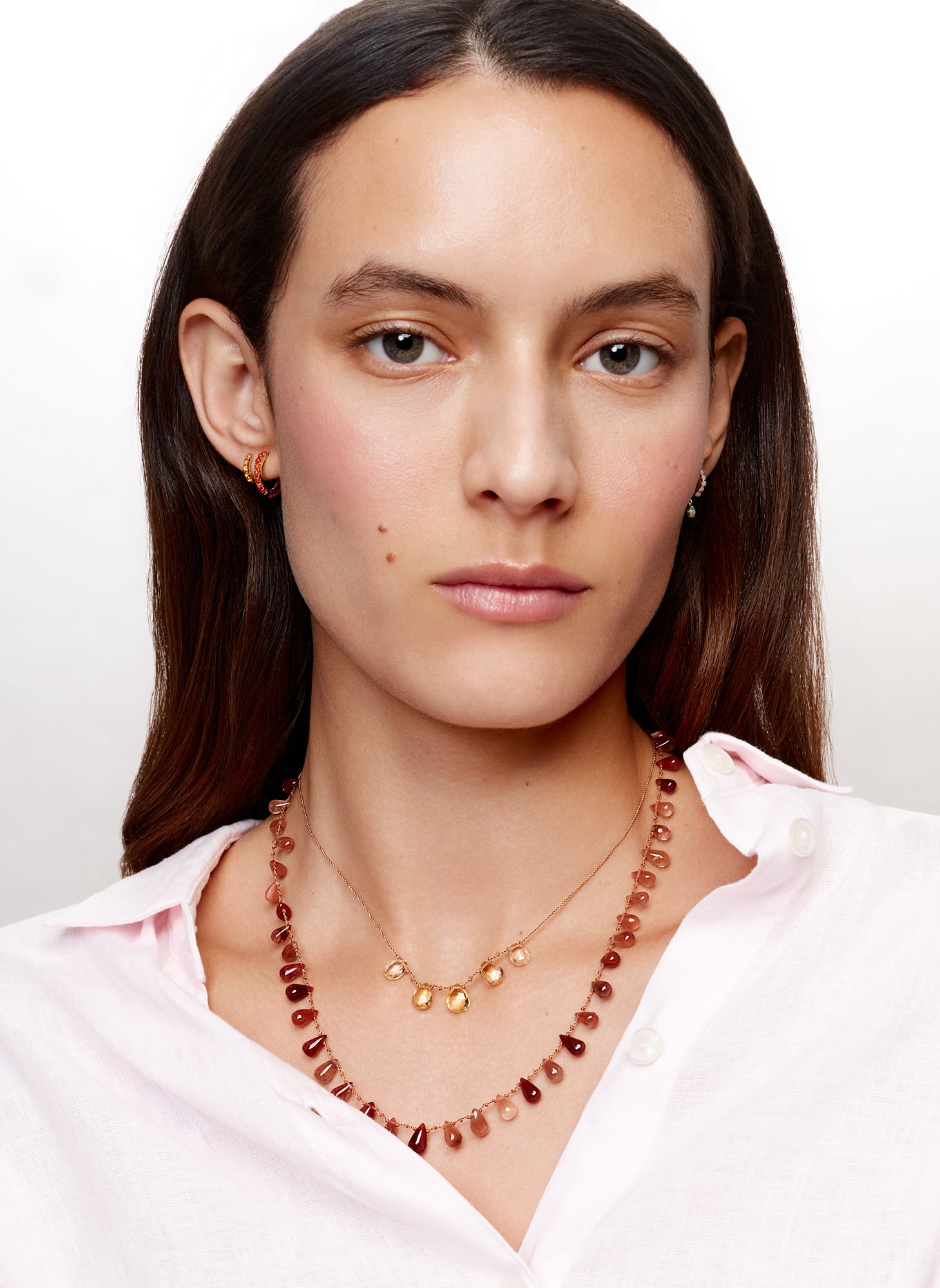
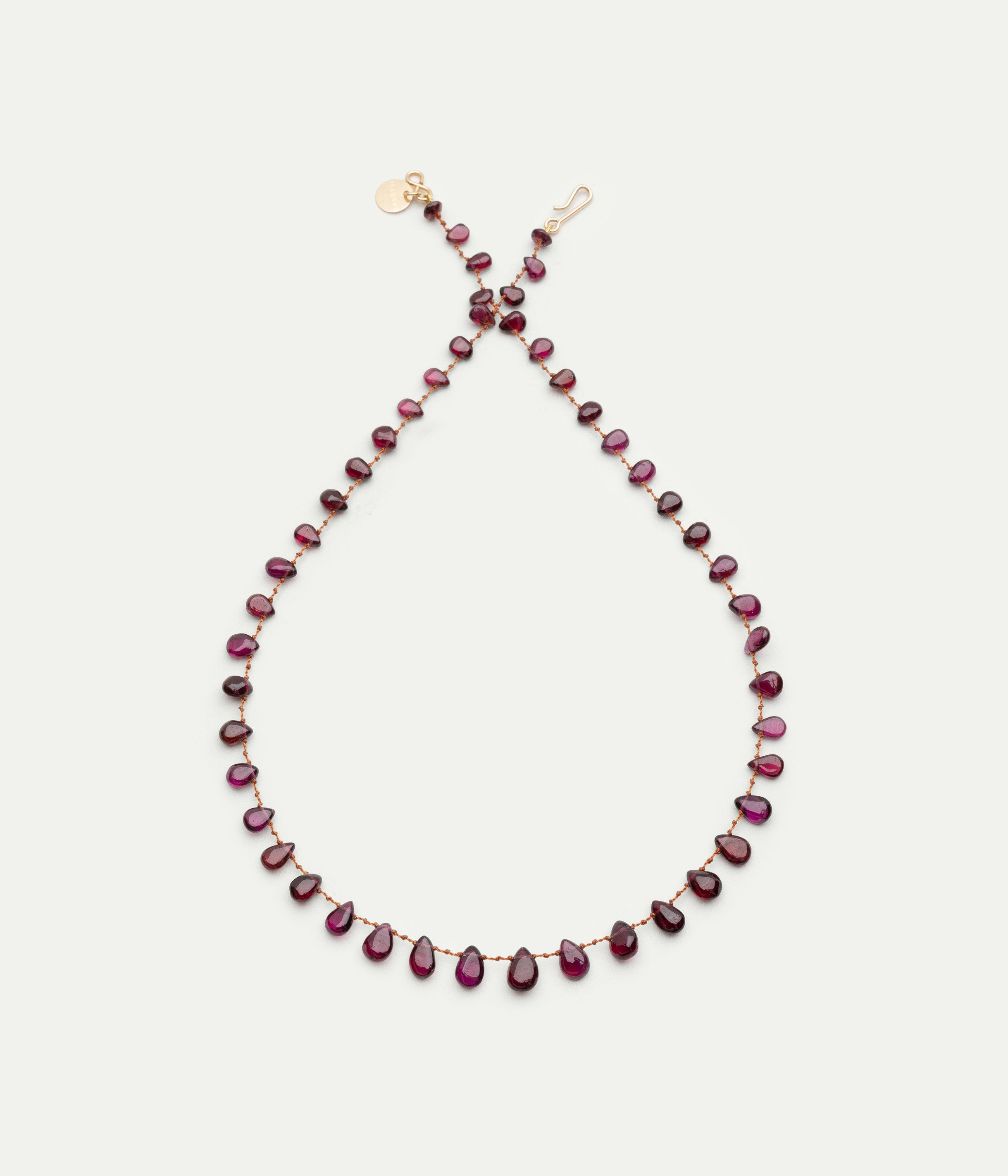
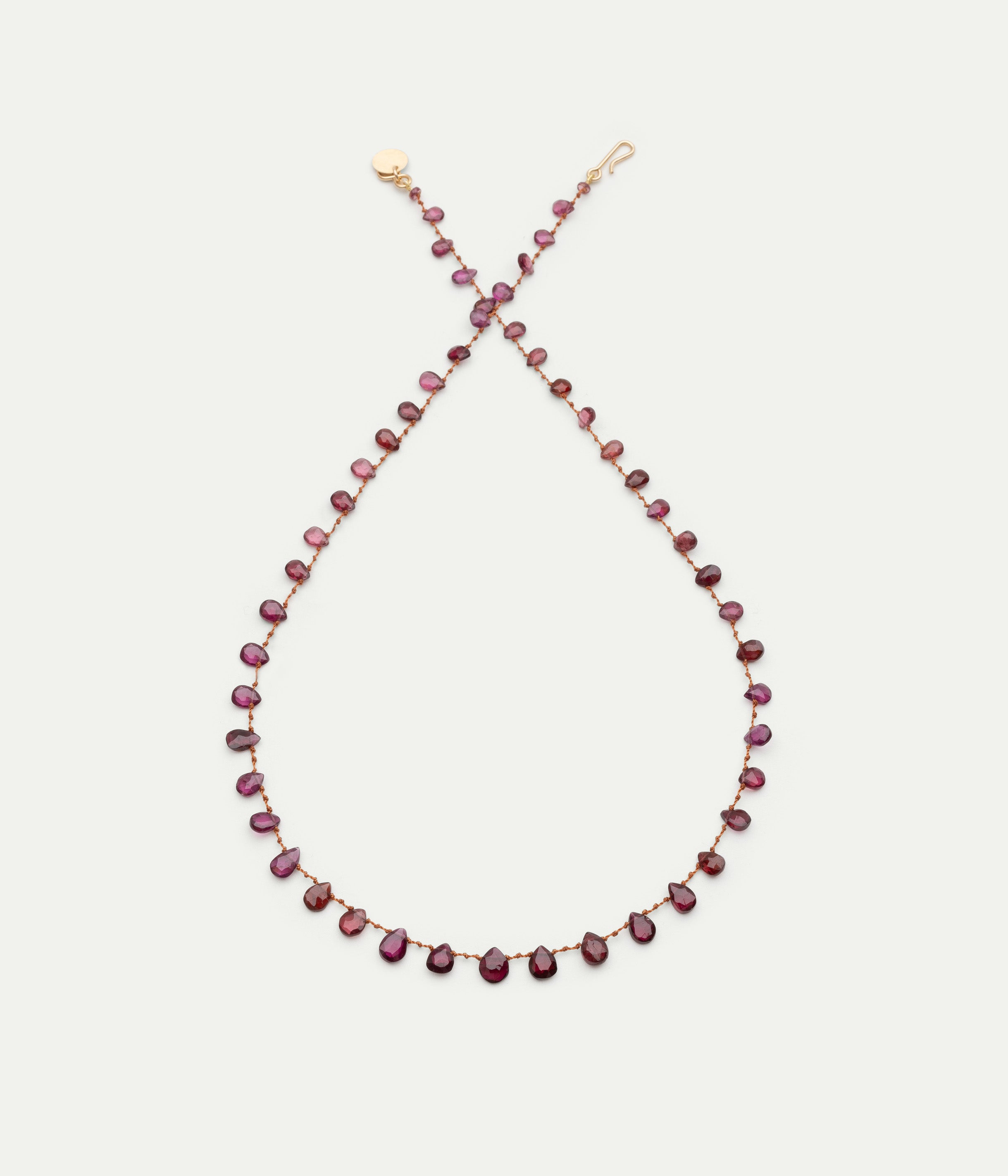
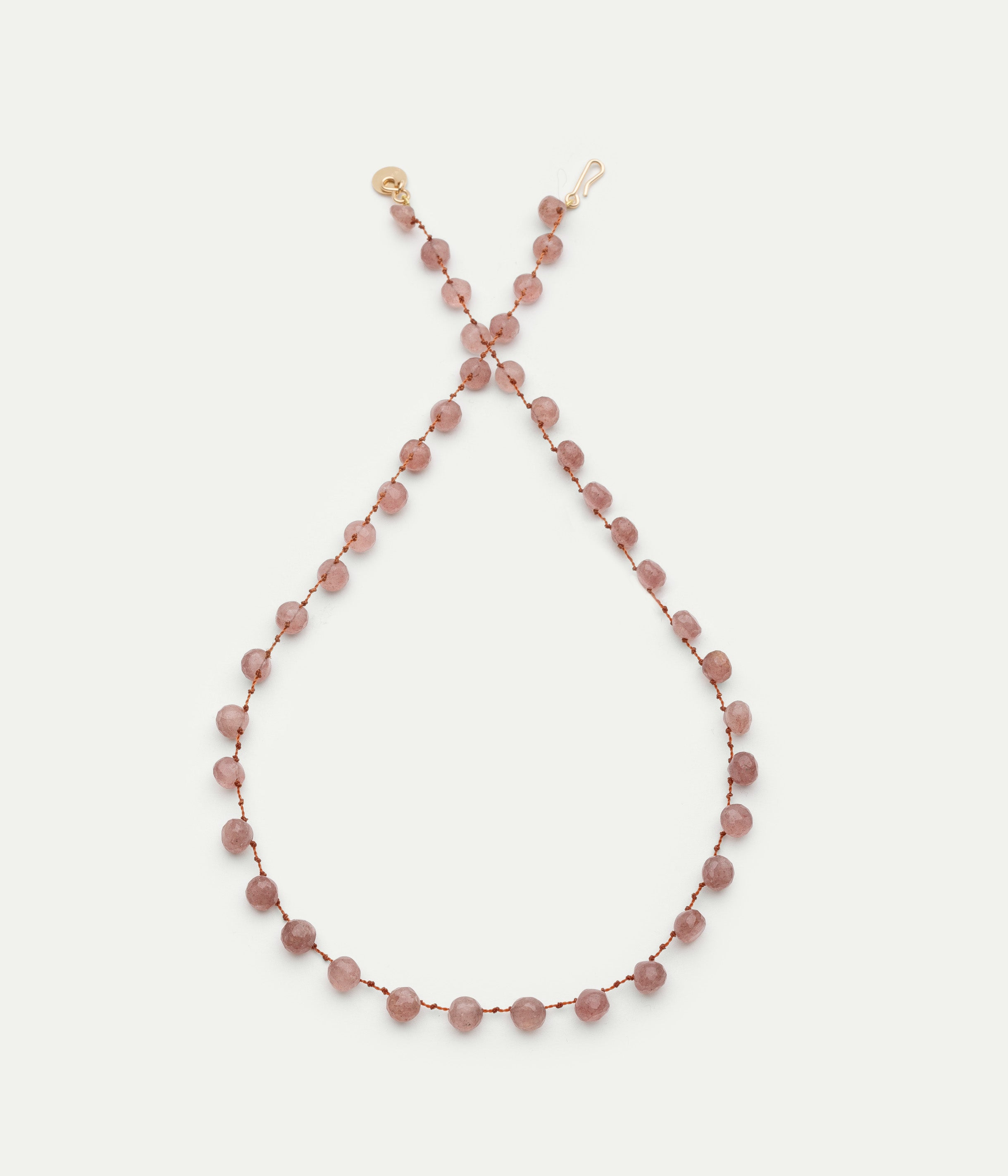
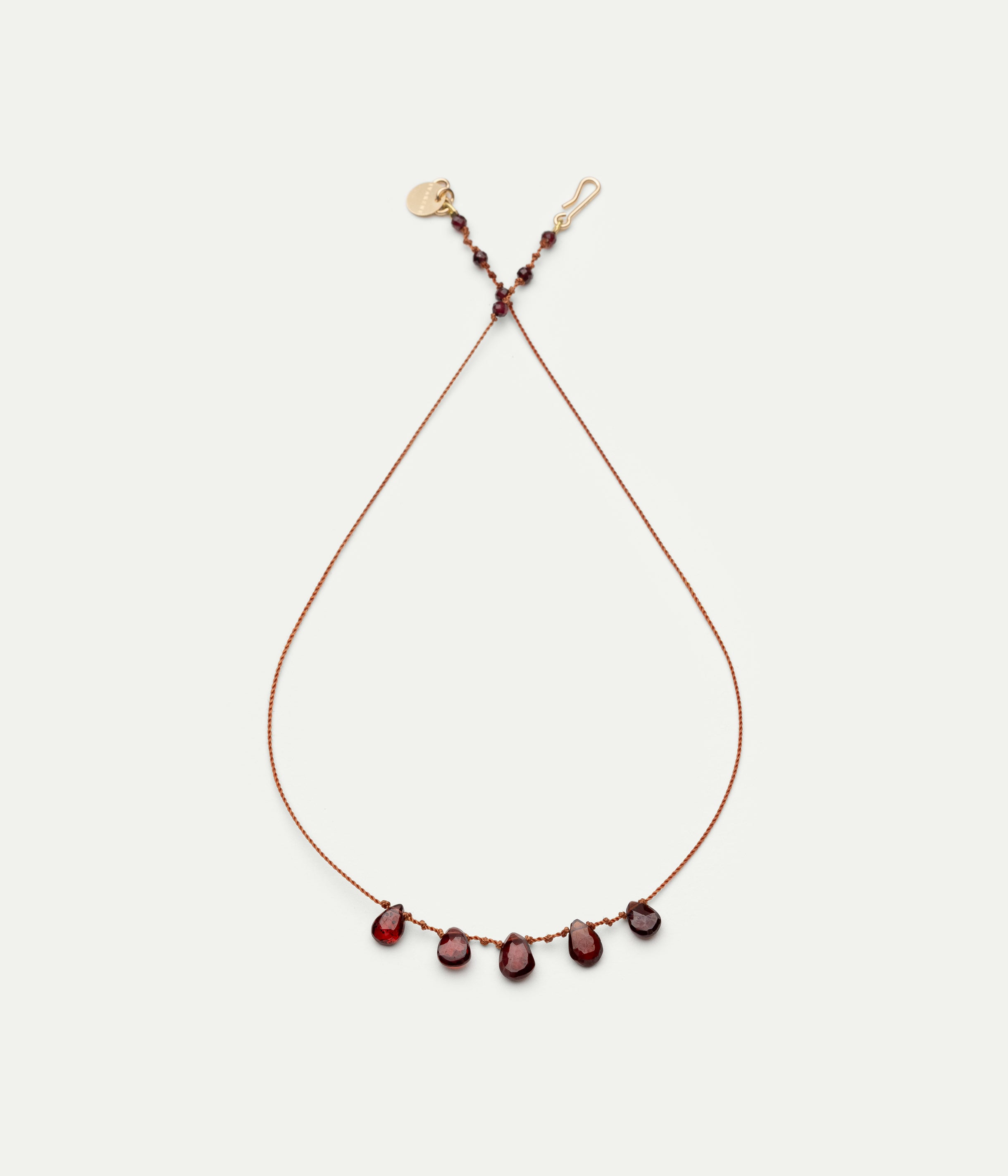
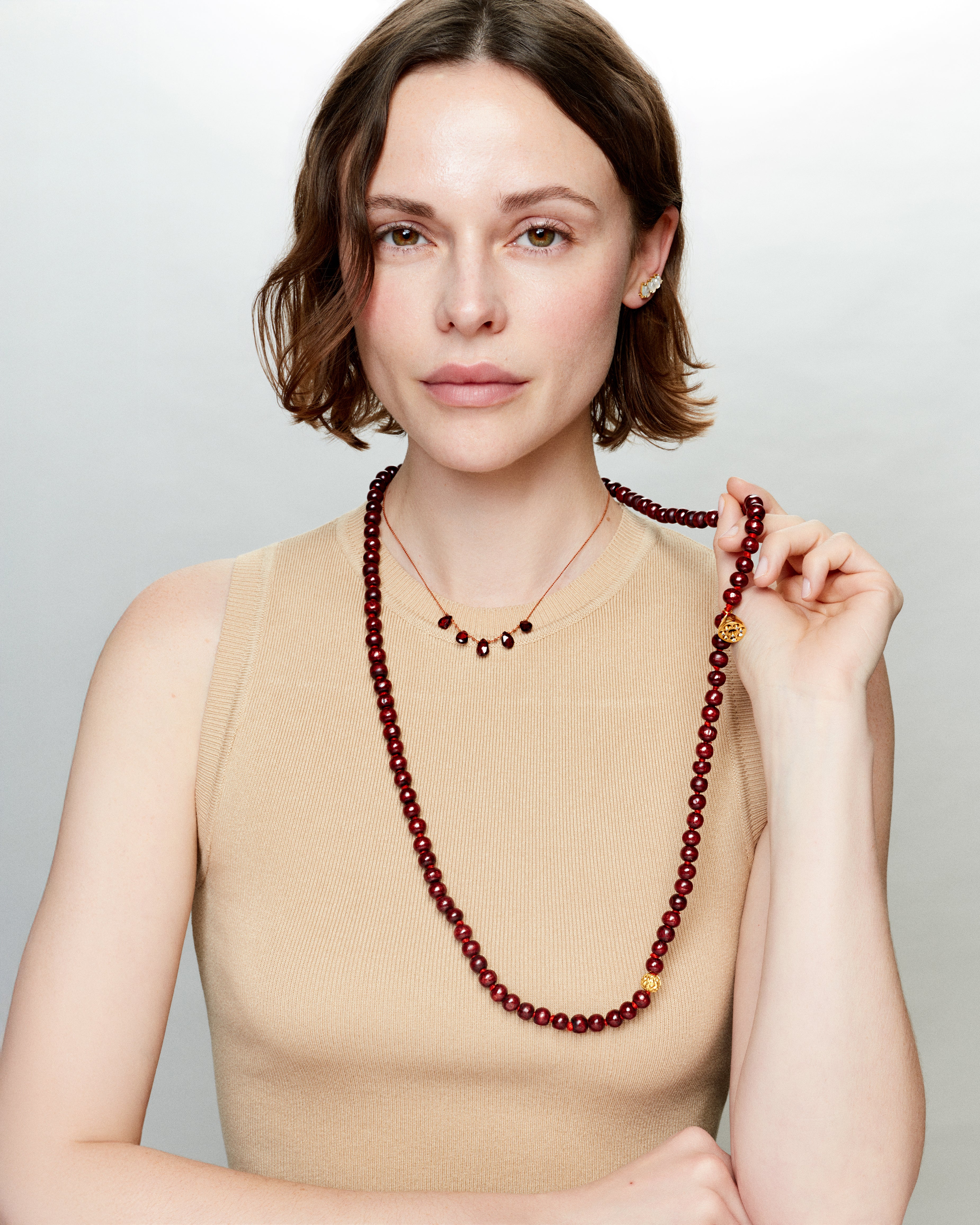
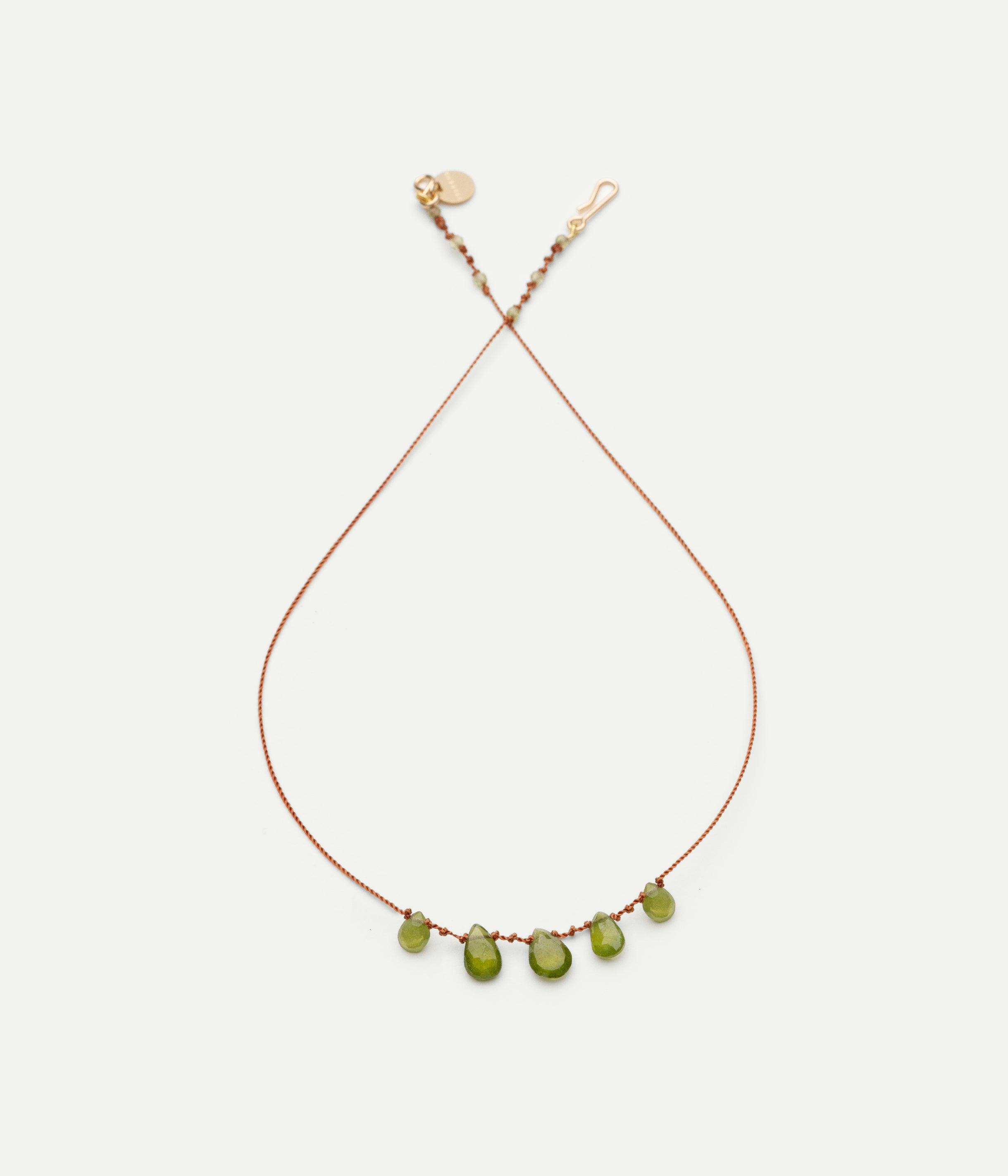
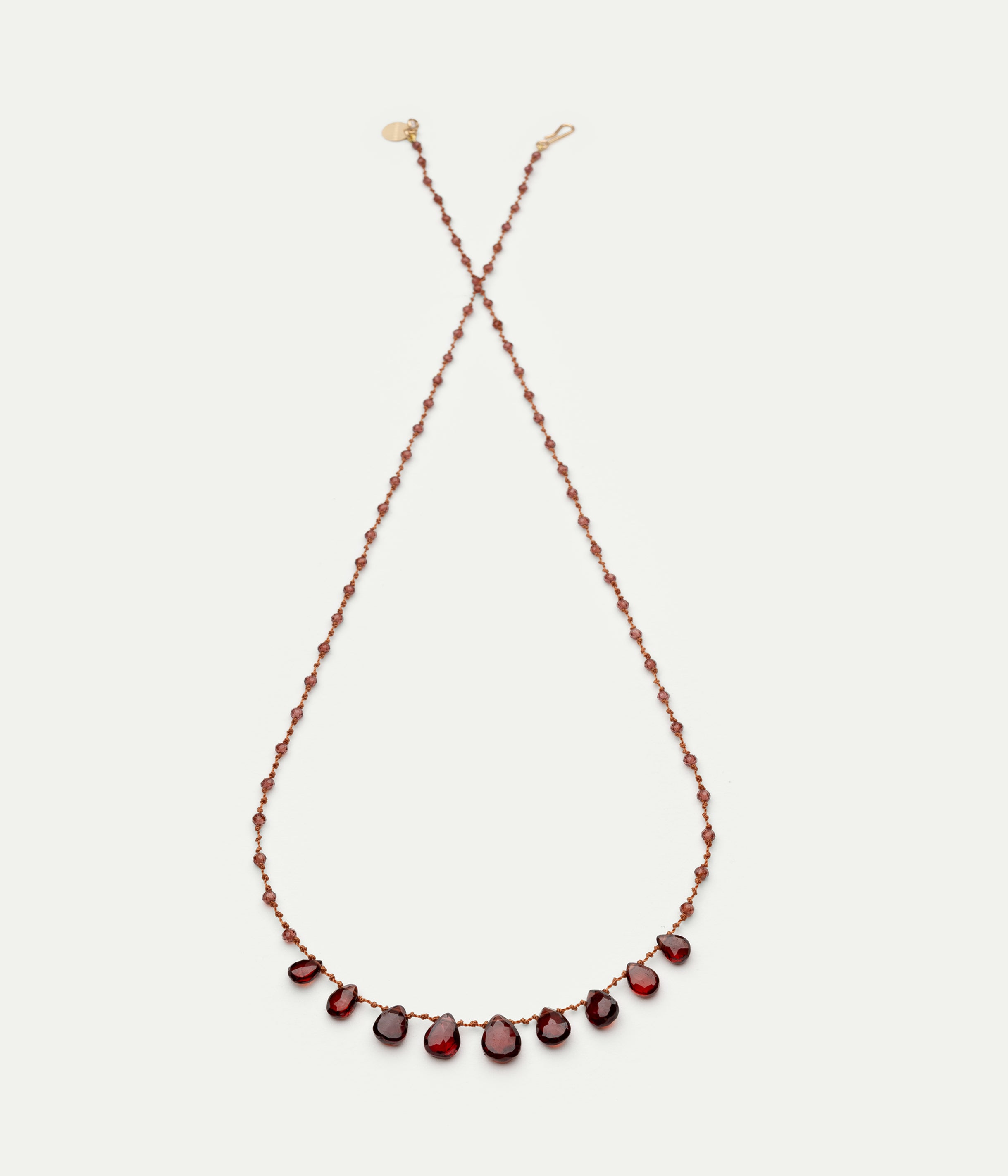
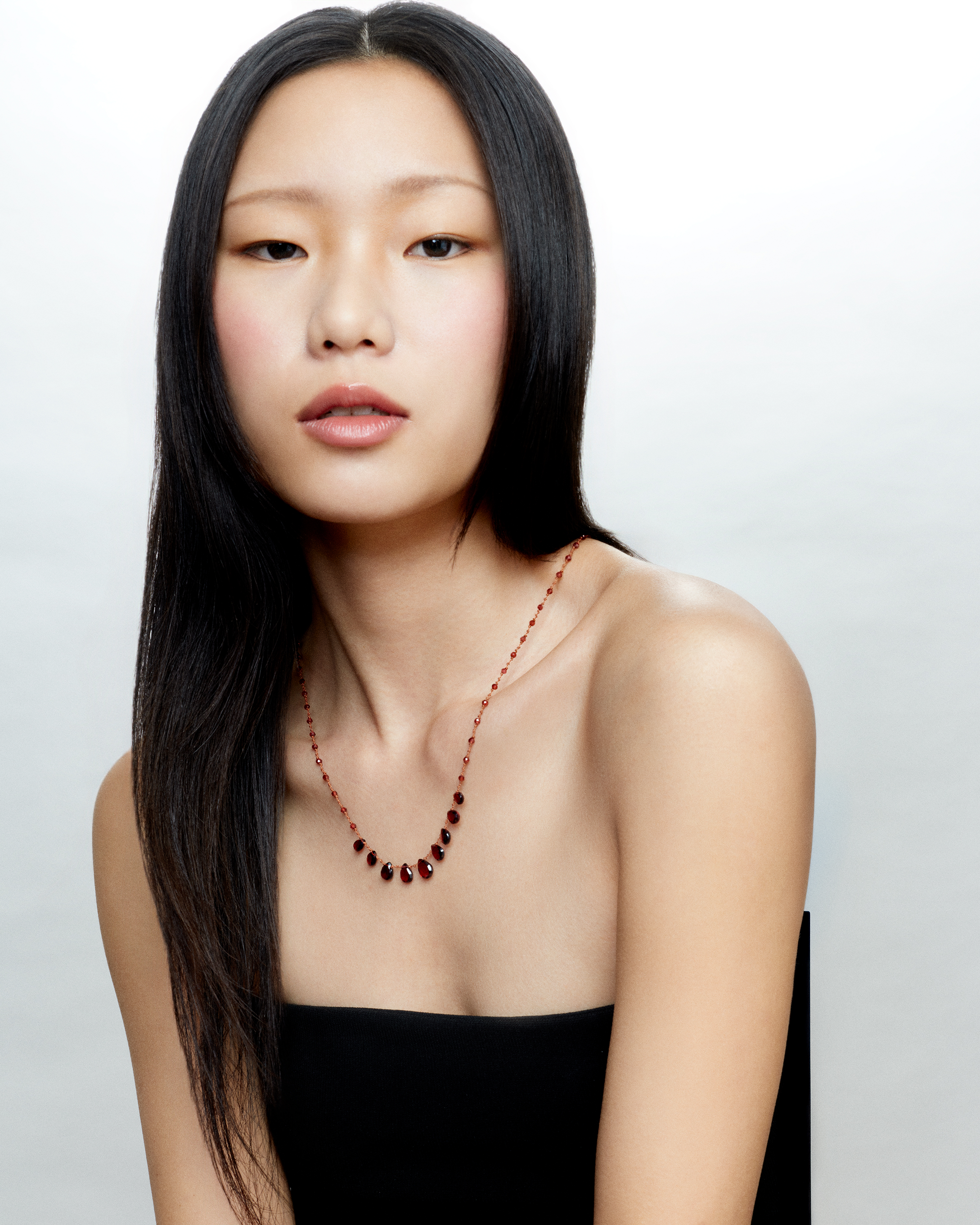
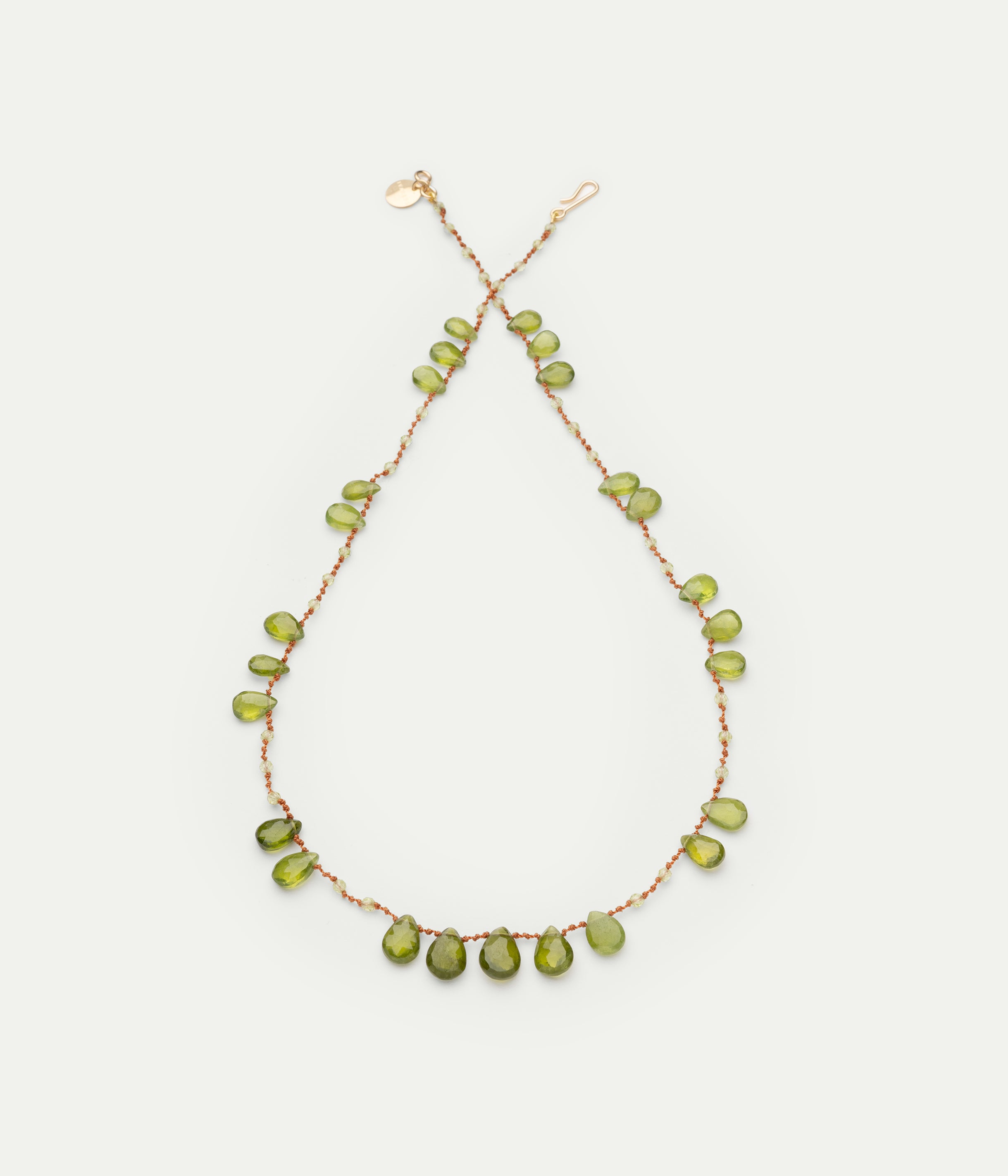
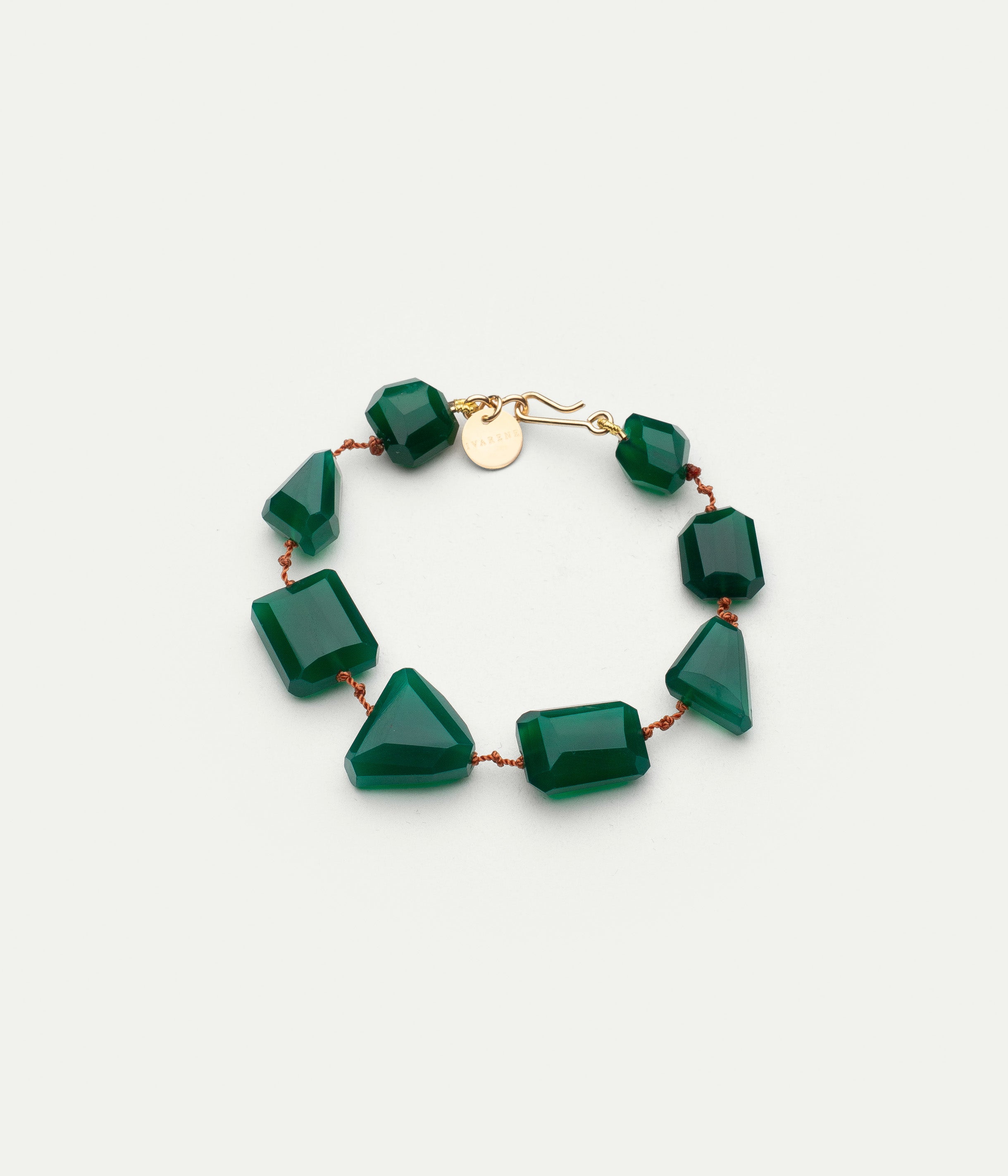
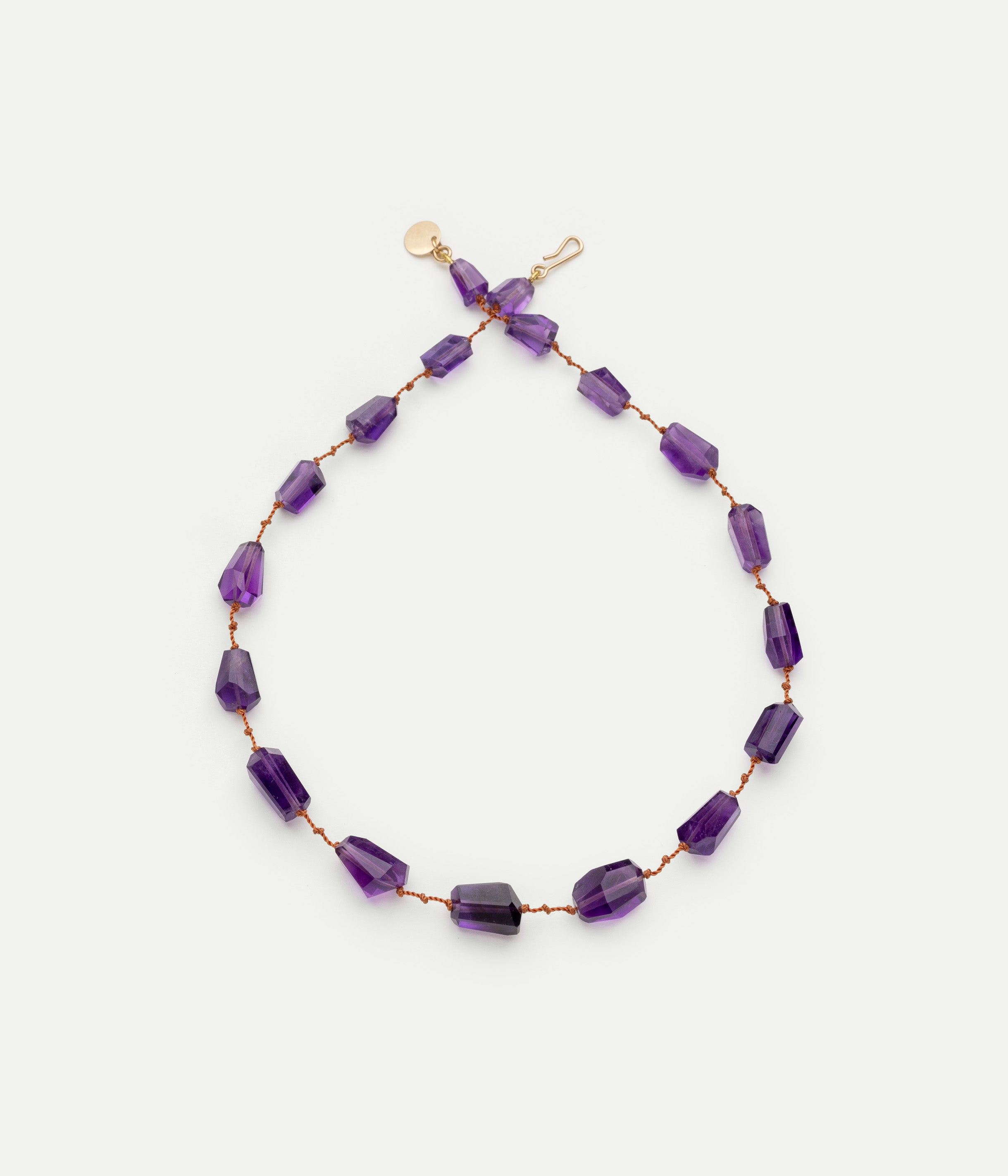
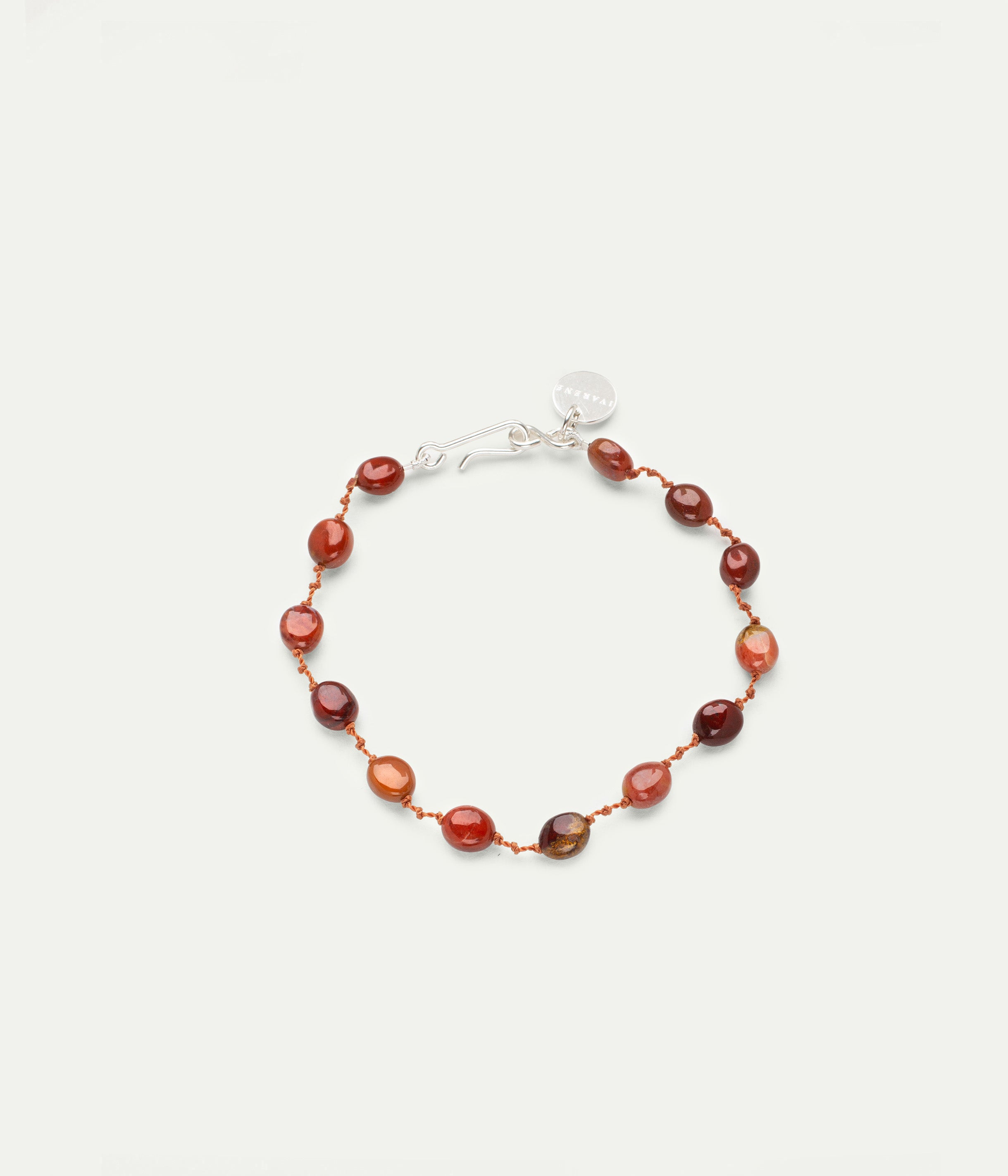
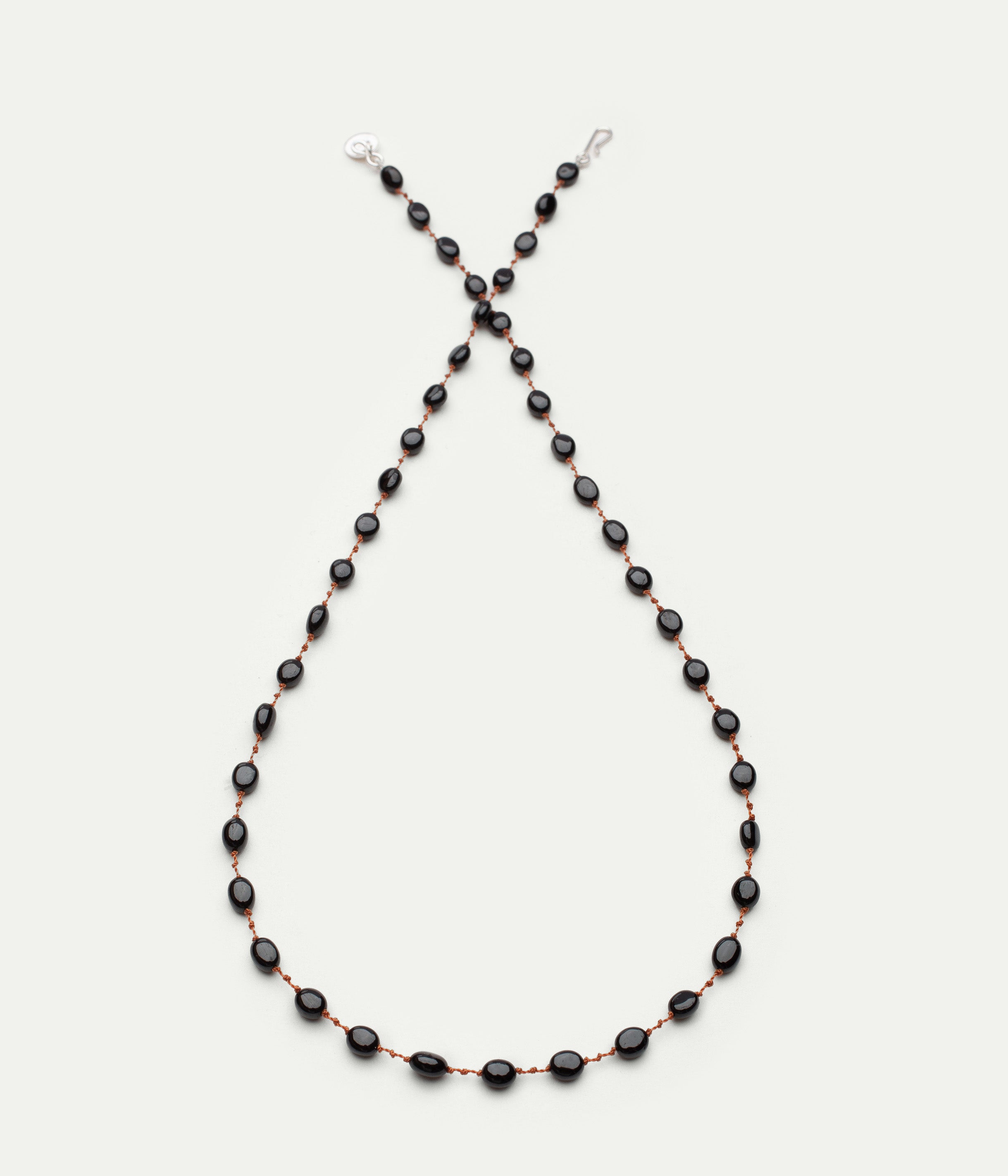
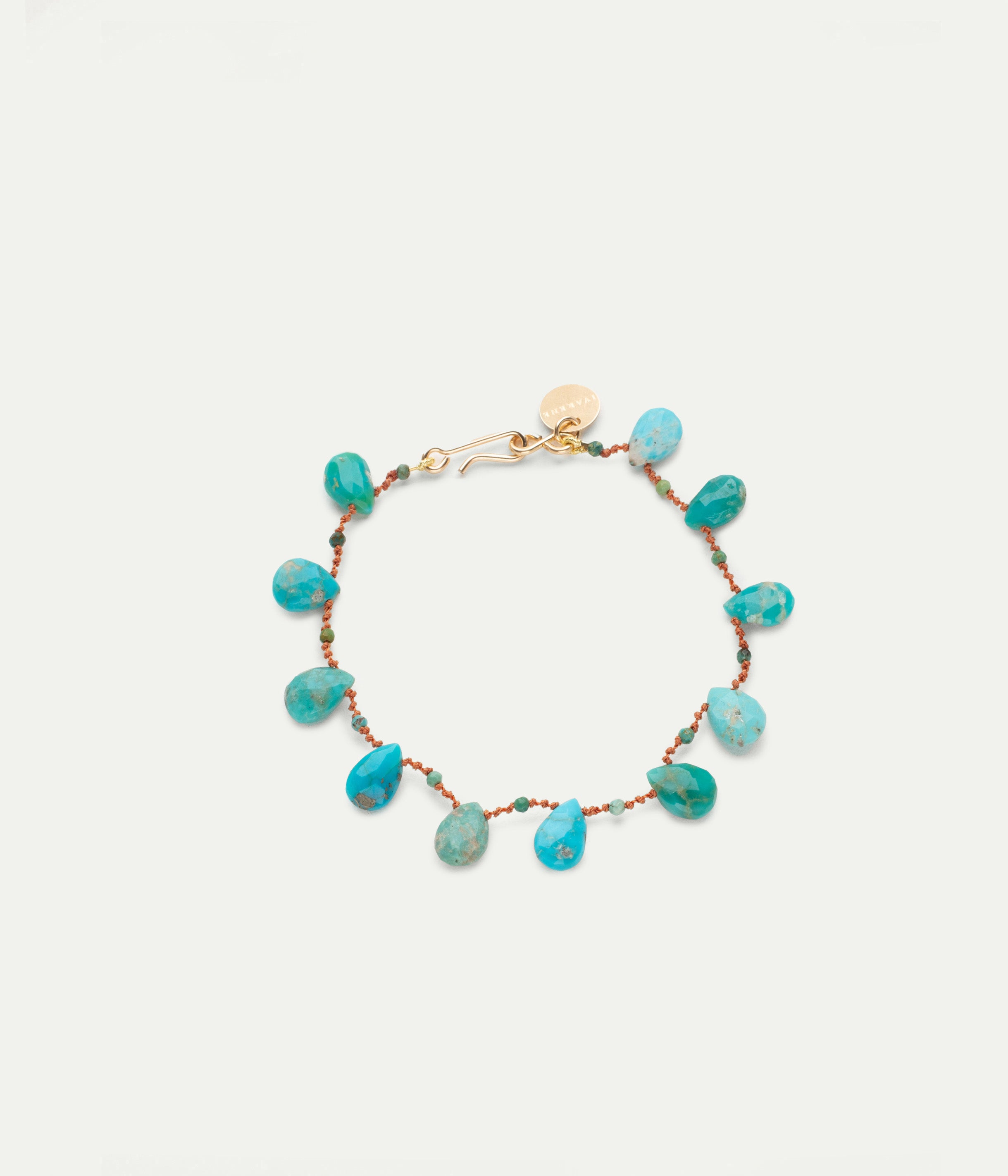
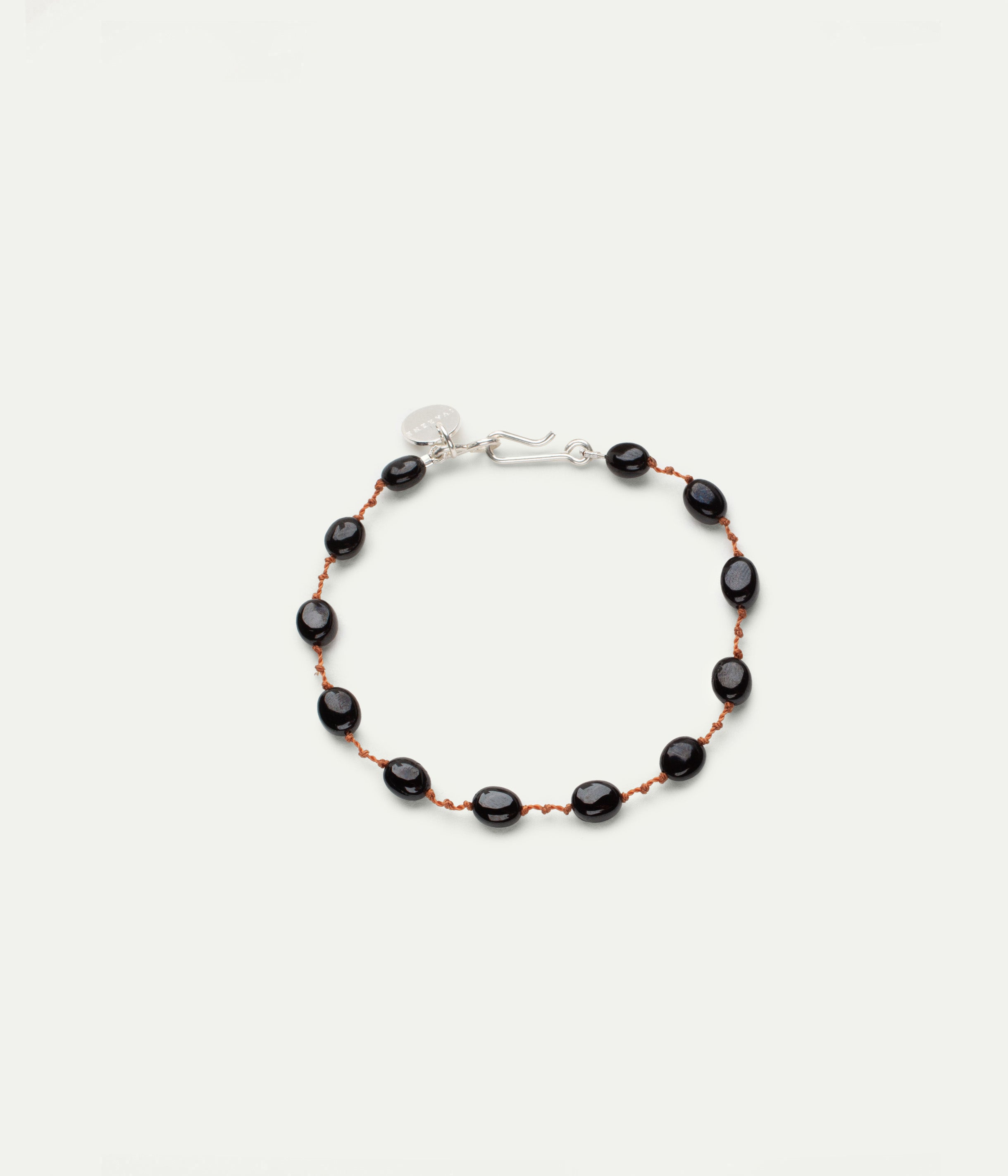
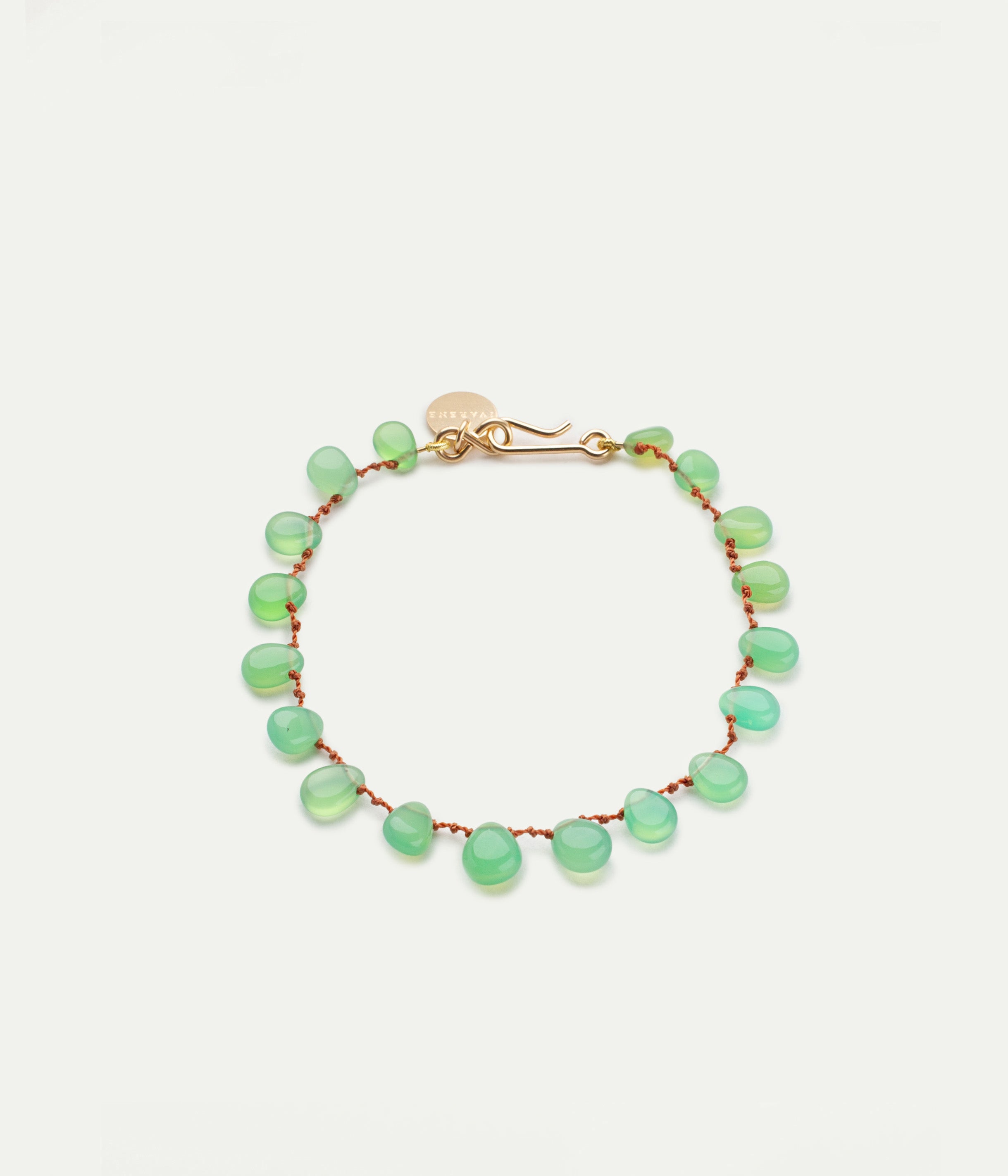
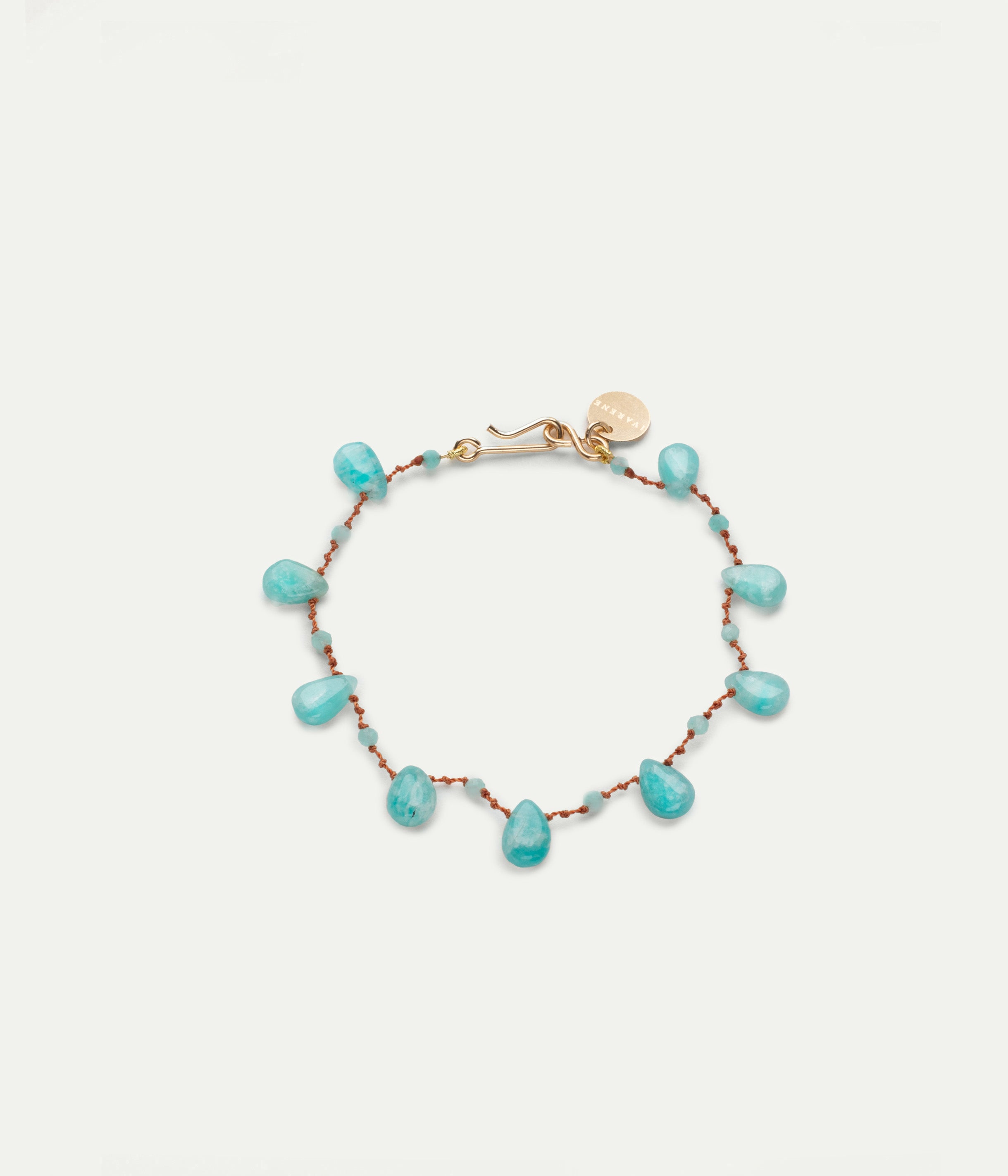
Bold on the neckline, this necklace in briolettes of sapphire, pearl, garnet, moonstone, amazonite, chrysoprase, amethyst and vermeil blossoms in femininity. Cultivating the magic of timeless and poetic stones, French designer Elisa Battistini delivers a rainbow necklace in tune with nature that the French designer felt in California. An irresistible piece of stunning colors.

Details
Sapphire Pearl Garnet Moonstone Chrysoprase Amethyst

Gold-filled 585/1000
Sapphire 79.00 cts
Pearl, garnet, moonstone, aquamarine, cyanite, amethyst
Lenght : 44cm

SKU: IVAR-RAINBOW_U
Where to buy this jewel?
IVARENE
Rainbow necklace
€357
Rainbow necklace
Rainbow necklace
Sapphire, Pearl, Garnet, Moonstone, Chrysoprase, Amethyst
Sale price€357
IVARENE
IVARENE celebrates the power and poetry of gemstones through jewellery designed to last. Founded by Elisa Battistini, the brand bridges California and Paris, blending jewellery heritage, contemporary design and an entrepreneurial spirit.
IVARENE
IVARENE

What is this piece made of?

This piece contains: Sapphire Pearl Garnet Moonstone Chrysoprase Amethyst
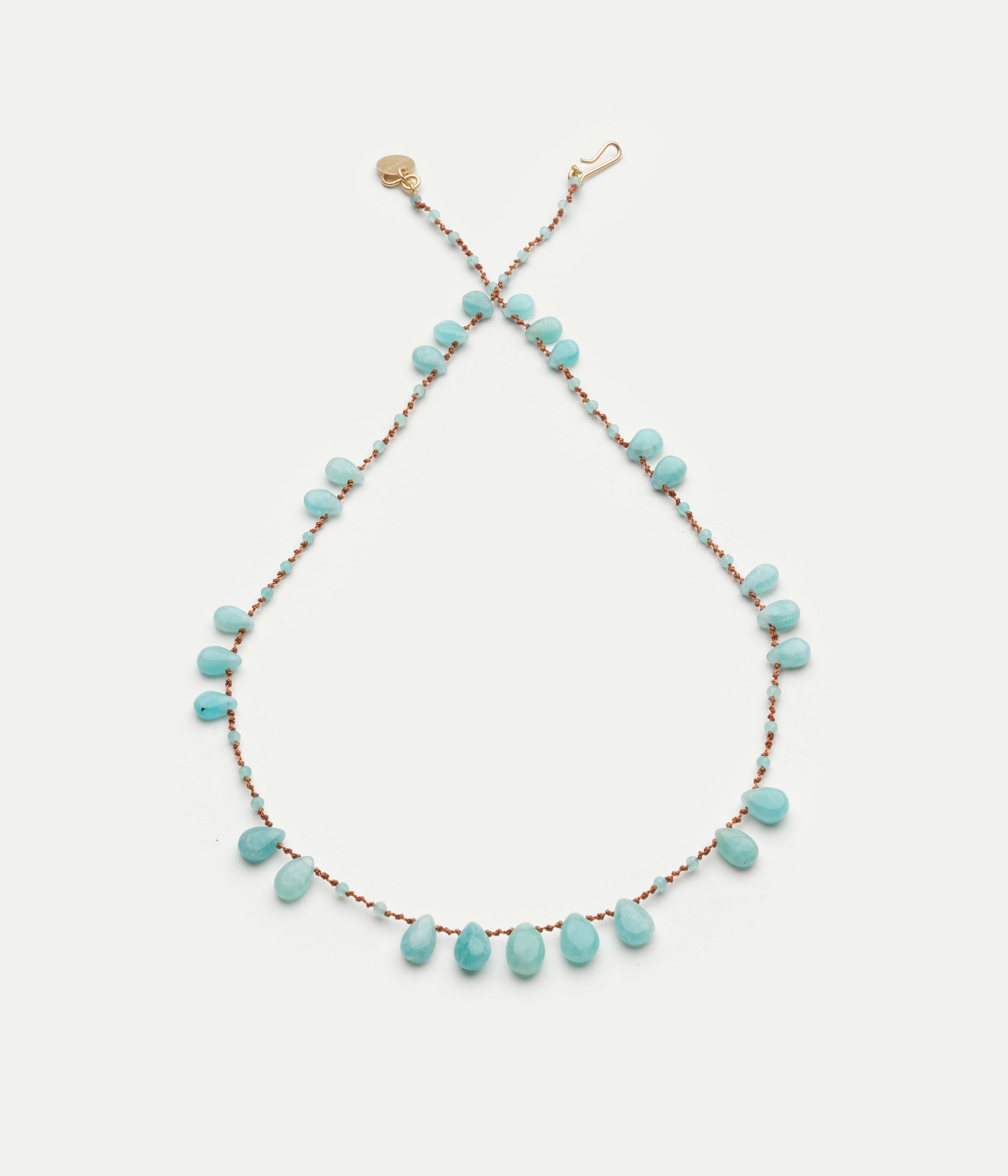
Sapphire

Sapphire takes its name from the ancient Greek sappheiros, meaning “blue stone,” though some trace it to the Hebrew saphar, “to engrave.” Known for its exceptional resistance to scratching — second only to diamond — sapphire is used not only in fine jewellery but also in watch crystals, camera lenses and certain smartphone components. Found in the United States, Canada and various tropical regions, sapphire belongs to the corundum family. While it is most often associated with blue, its spectrum is remarkably wide: greens, purples, pinks, oranges, yellows, and the celebrated star sapphires, displaying an asterism created by multidirectional light refraction. Across traditions, sapphire symbolises truth, loyalty and strength. Its saturated colour and steady brilliance give it a quiet authority, often linked to clarity and sincerity. In contemporary jewellery, designers such as Polly Wales and Ruth Tomlinson value sapphire for its versatility and expressive palette, using it to create pieces that feel both textured and luminous.
Sapphire

Pearl

Whether South Sea, freshwater, Keshi, Akoya, Melo, cultured or natural, pearls have long held a status equal to that of precious stones. Formed when a mollusc coats an internal irritation with successive layers of nacre, pearls emerge as softly glowing beads in shades of white, cream, grey or deep iridescent black. Once abundant in Tahiti’s lagoons, natural pearls declined sharply due to overharvesting and pollution, leading to the rise of pearl farming in the 20th century. They are also sourced from the Persian Gulf, Japan and the many archipelagos of the Pacific. Among the great historical pearls, La Peregrina remains one of the most remarkable: discovered in the 15th century in the Gulf of Panama, weighing nearly 56 carats, it was gifted to King Philip II of Spain, later worn by Mary Tudor and immortalised by Velázquez. In 1969, Richard Burton famously purchased it for Elizabeth Taylor, who had Cartier redesign it as a necklace. It sold at auction in 2011 for $11.8 million. Reinterpreted today by designers such as Sophie Bille Brahe, Lia Di Gregorio, WWAKE and Alighieri, the pearl continues to assert its quiet power. Its natural glow—subtle, refined, unmistakably tactile—offers a timeless balance between restraint and elegance.
Pearl

Garnet

Garnet takes its name from the Latin malum granatum, “seeded fruit,” a reference to the pomegranate whose vibrant red seeds echo the colour of many garnet varieties. It is not a single gemstone but a broad family, each type with its own hue and identity: the purple almandine, the deep orange hessonite, the vivid pink rhodolite, and the green tsavorite, whose brightness can rival that of an emerald. Found in Brazil, Sri Lanka, India, Thailand, Madagascar, Tanzania and the United States, garnet deposits reflect the breadth of this mineral family. Its crystalline structure allows it to reflect light with remarkable intensity, a quality highly valued in jewellery. Across various traditions, garnet is associated with grounding, courage and emotional stability. Whether red, pink or green, its dense colour carries a sense of warmth and depth. Contemporary designers such as Anaconda, Fernando Jorge and Alighieri are drawn to its vibrancy and generous radiance — a gemstone capable of expressing both strength and softness, depending on its variety.
Garnet

Moonstone

Moonstone takes its name from the Sanskrit words kanta (“beloved”) and chandra (“moon”), referring to the pale, shifting glow it reveals when touched by light. This optical effect, known as adularescence, creates a soft, milky radiance reminiscent of moonlight. Its main deposits are found in Armenia, Australia, Myanmar, India, Sri Lanka and the United States. In 1970, moonstone was chosen as the official gem of the state of Florida, in reference to the lunar missions launched from Cape Canaveral. Linked to Diana, the Roman goddess of the moon and the hunt, moonstone has long symbolised femininity, gentleness, motherhood and tolerance. In India, where it is considered sacred, it is said to enhance intuition and subtle perception. Its pearly, mist-like surface gives the stone a quiet, enveloping presence. Designers such as Pippa Small and Grainne Morton are drawn to its soft luminosity and serene, reflective character.
Moonstone

Chrysoprase

Chrysoprase takes its name from the Greek krisos (“golden,” referring to its brightness) and prason (“leek,” for its distinctive green hue). Sourced from Germany, Australia, the United States and Madagascar, it belongs to the quartz family and is known for its vibrant, even colour that can evoke the purity of jade. Often cut into cabochons, chrysoprase is among the oldest documented gemstones. It is said to have been worn by figures such as Alexander the Great and Frederick II of Prussia, drawn to its luminous presence and bold green tone. Through the centuries, various traditions have associated it with harmony and calm — a stone thought to ease tensions and support emotional balance, sometimes linked to friendship and personal growth. Its vivid colour and natural freshness continue to inspire contemporary designers such as Lito, Brooke Gregson, Cathy Waterman and Ivarene, who value its bright, expressive character.
Chrysoprase

Amethyst

The purple colour of amethyst has inspired stories for centuries. Its name comes from the Greek a-methustos, meaning “not intoxicated,” and is linked to the legend of the nymph Amethystos. To protect her from the unwanted advances of Dionysus, god of wine, she was turned into rock crystal; enraged, Dionysus spilled his cup of wine over her, staining the stone with a deep violet hue. Once considered rare in antiquity, amethyst was later discovered in large deposits in Brazil and Mexico, and subsequently in Belgium, France, Madagascar, Finland and Canada. Admired by the Etruscans and Egyptians for its ornamental beauty, it remained for centuries a material reserved for royalty and high religious figures. Today, its colour and luminosity make it a favourite among designers such as Ivarene, Dorette and Lena Skadegard. Across various cultures, amethyst is associated with symbolic meanings. Some traditions believe it can help ease fear, stress or anger, and support a sense of calm or clarity. It is also sometimes linked with ideas of purification.
Amethyst

Taking care of your jewels

Pieces of jewelry are delicate little objects. Even if they are made of resistant materials in order to be worn every day, it is still important to follow some general advice for them to keep their original beauty.

Read Guide

Frequently asked questions

Looking for a quick answer? You’ll find detailed information on our Payment, Delivery and Returns & Exchanges pages. If you need any further assistance, our team will be happy to help — feel free to contact us using the form below.

CONTACT US
Do you ship internationally?

Yes. We ship worldwide from Paris with trusted carriers such as DHL Express or Colissimo. Delivery options and fees are calculated at checkout according to your destination and the value of your order.

  • France: Colissimo for orders up to €1,000, DHL Express above.
  • European Union: Prices are calculated with local VAT applied at checkout, based on the delivery address.
  • United Kingdom & United States: Import duties and VAT are included. No additional charges upon delivery.
  • For deliveries outside the European Union, customs procedures may apply depending on the destination.
When will my order be delivered?

Orders can be collected in one of our Paris boutiques, or shipped to your address.

  • In-stock pieces are usually dispatched within 2 to 5 business days.
  • Delivery times vary depending on destination and carrier.
  • For made-to-order or special pieces, production delays are indicated on the product page.

You will receive a confirmation email with tracking details as soon as your order is shipped.

Are returns or exchanges possible?

Yes. If your piece does not fully suit you, you may request a return or exchange:

  • Within 14 days of receipt (28 days for deliveries to the USA)
  • The piece must be unworn, unaltered, and returned in its original condition.

Please note that engraved, resized or custom-made pieces cannot be returned or refunded. Return shipping costs are at the customer’s expense; however, exchanged items are shipped free of charge within the European Union.

Need advice before choosing?

Our team is here to guide you. For questions about sizing, availability, gemstones or gifting, we offer personalised support by phone or email. You may also book a private video consultation (WhatsApp or FaceTime) to view pieces live, receive styling advice or explore a curated selection — just as you would in our boutiques.

  • Tel : +33 (0)1 42 60 52 39
  • Email : contact@whitebirdjewellery.com