Skip to content

Your cart is empty

Continue shopping

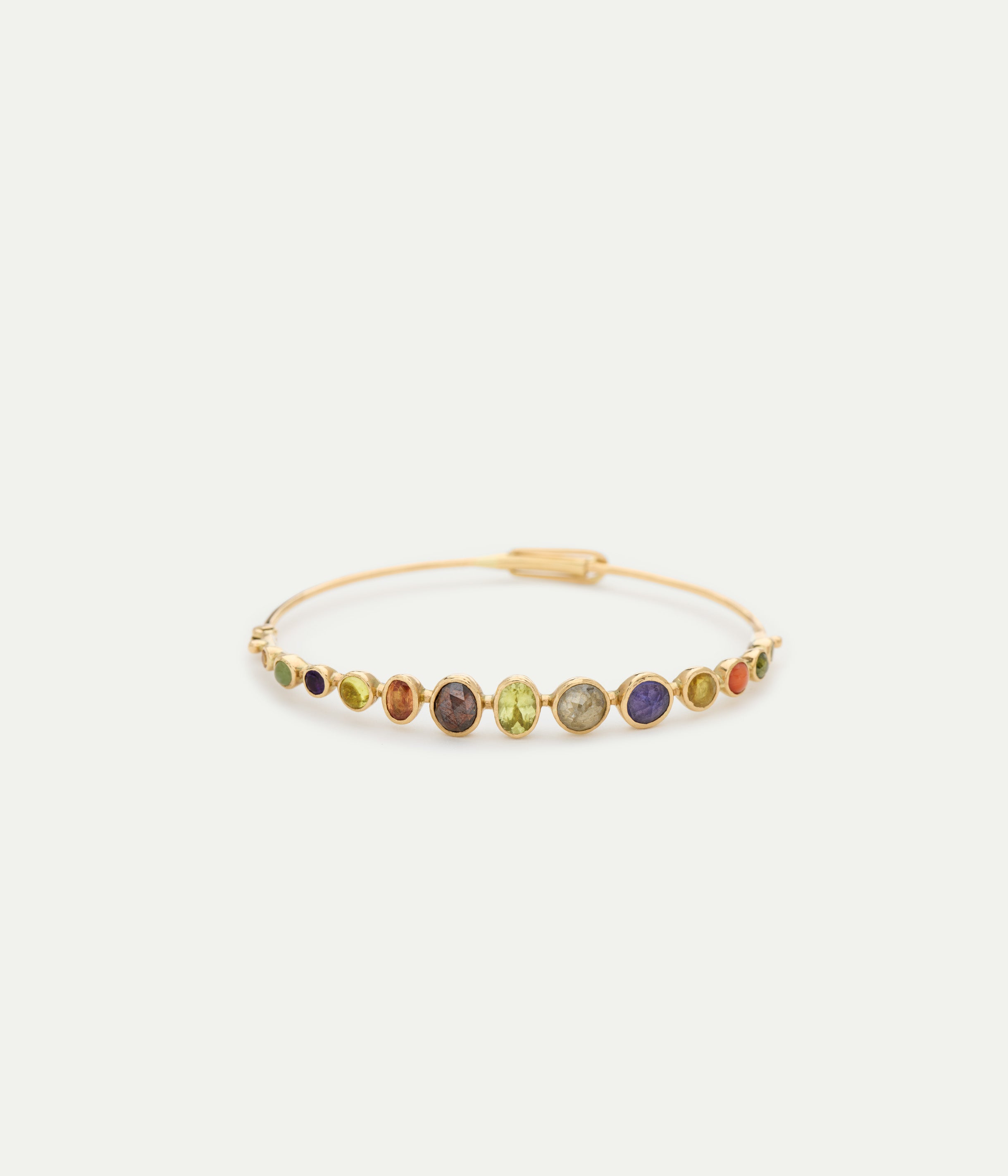
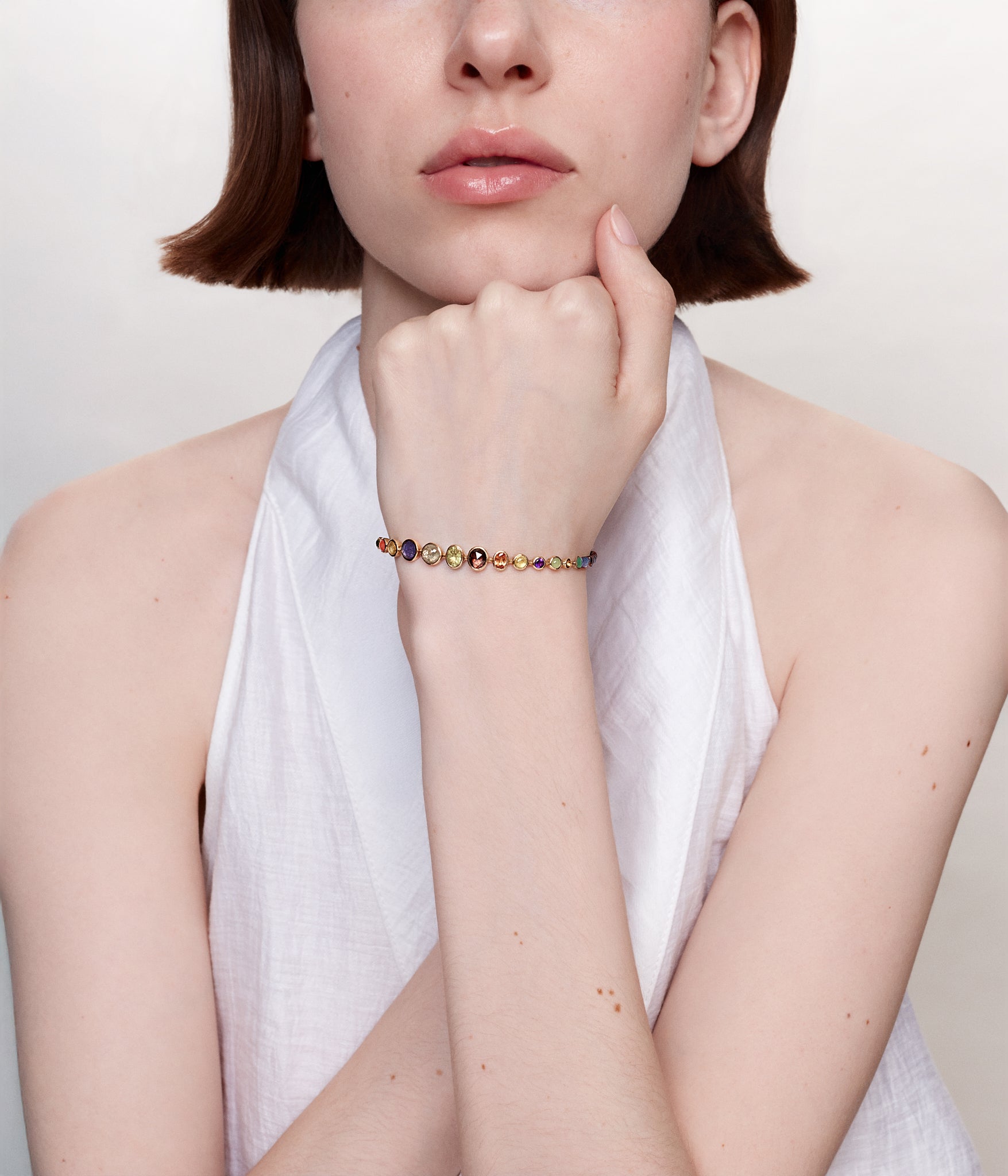
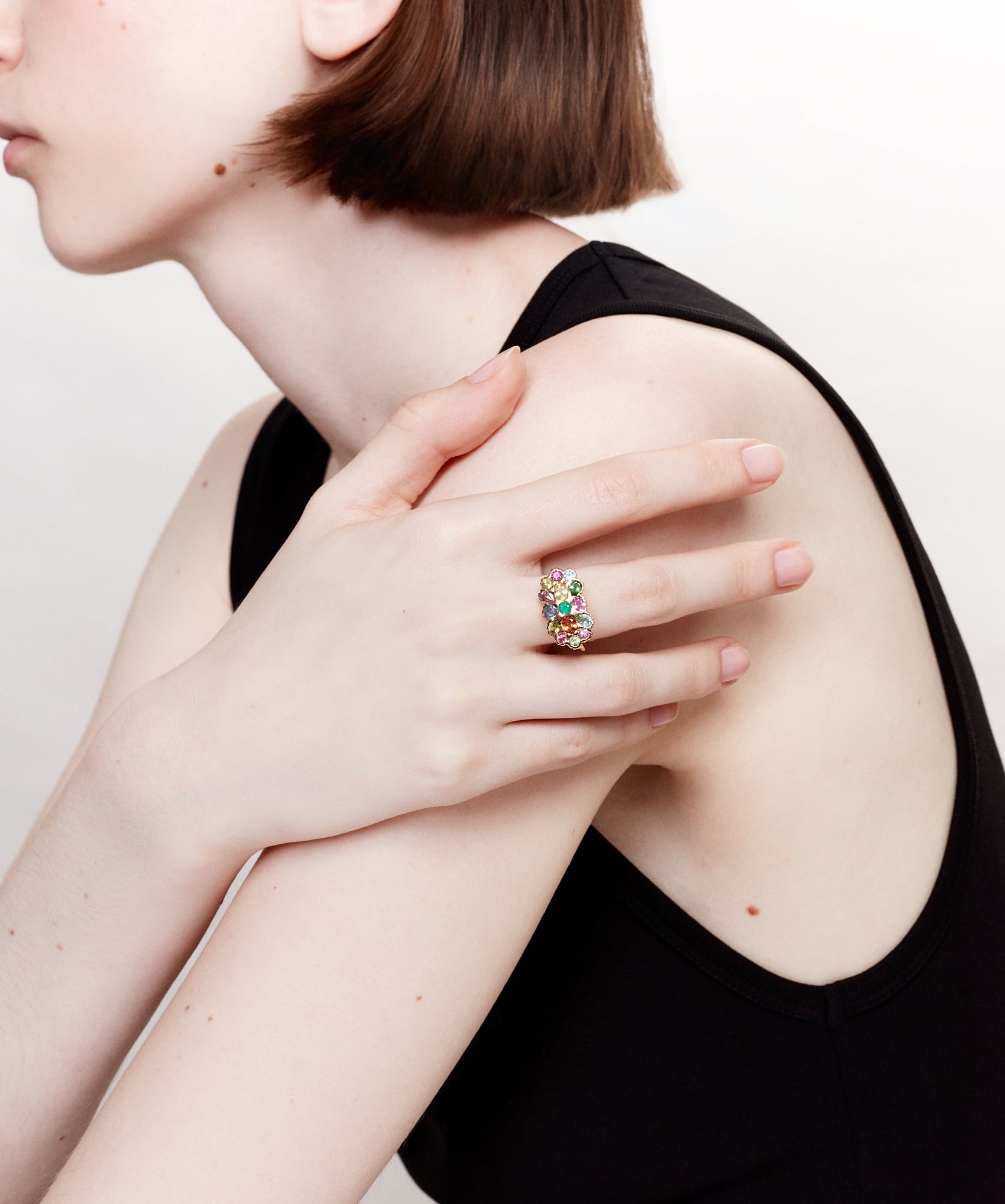
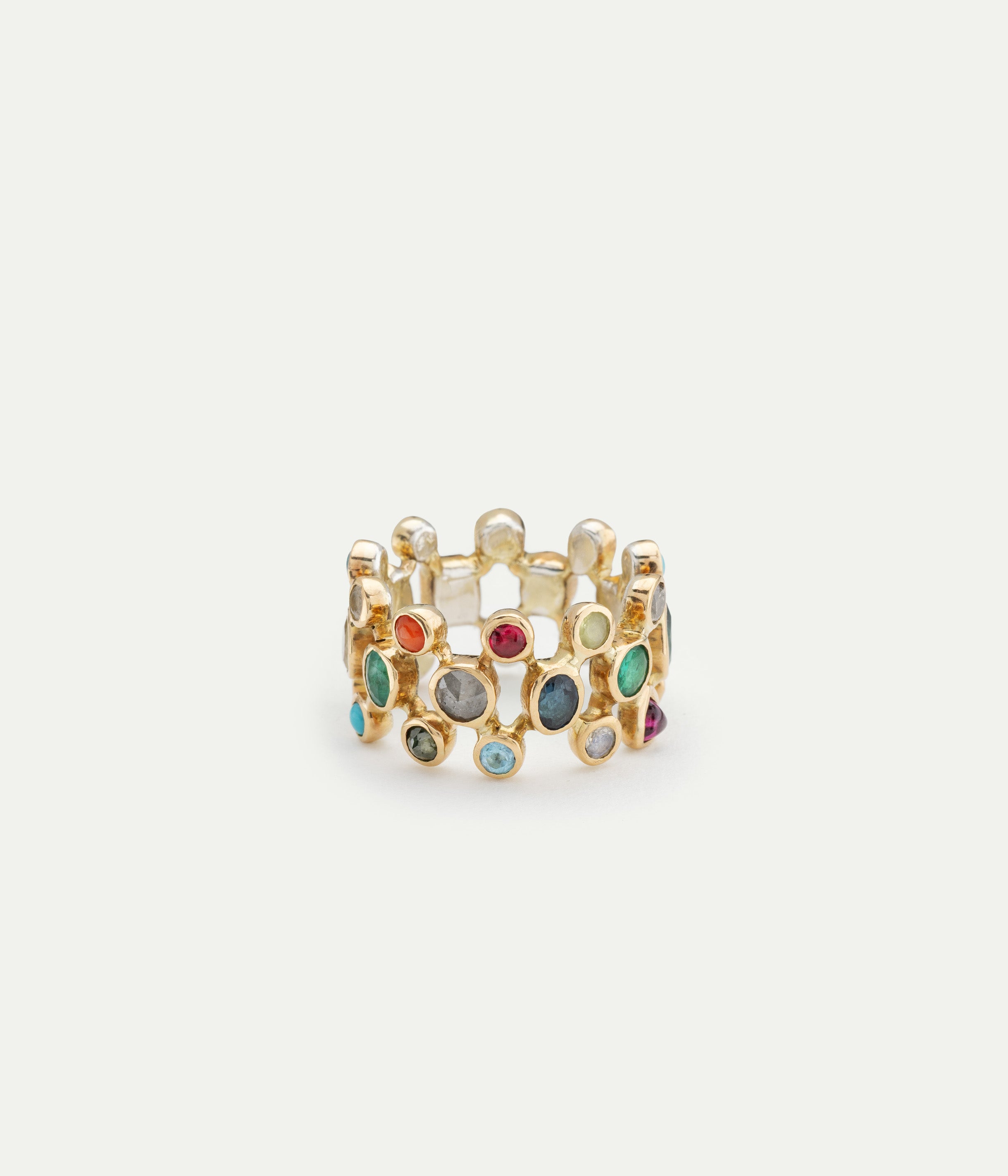
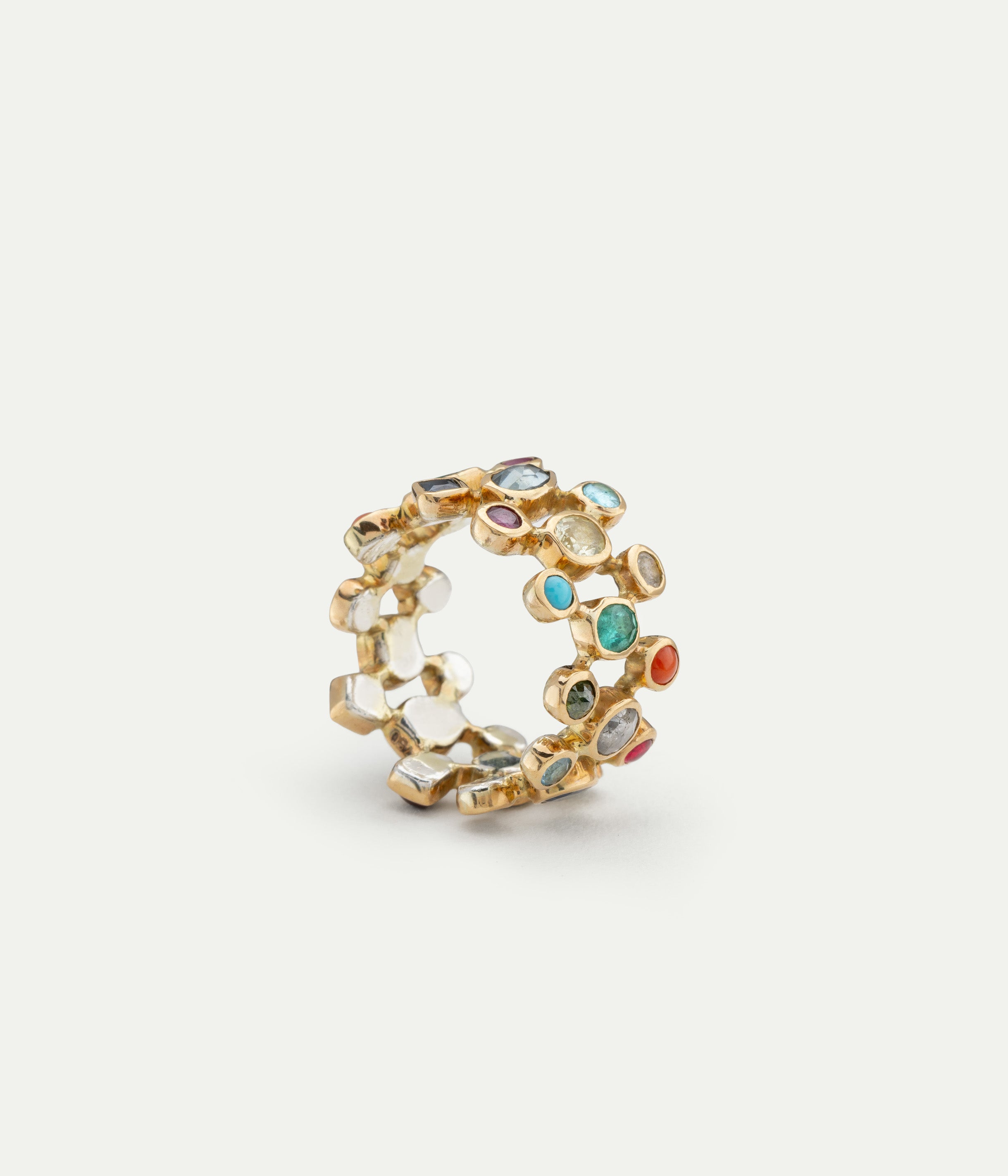
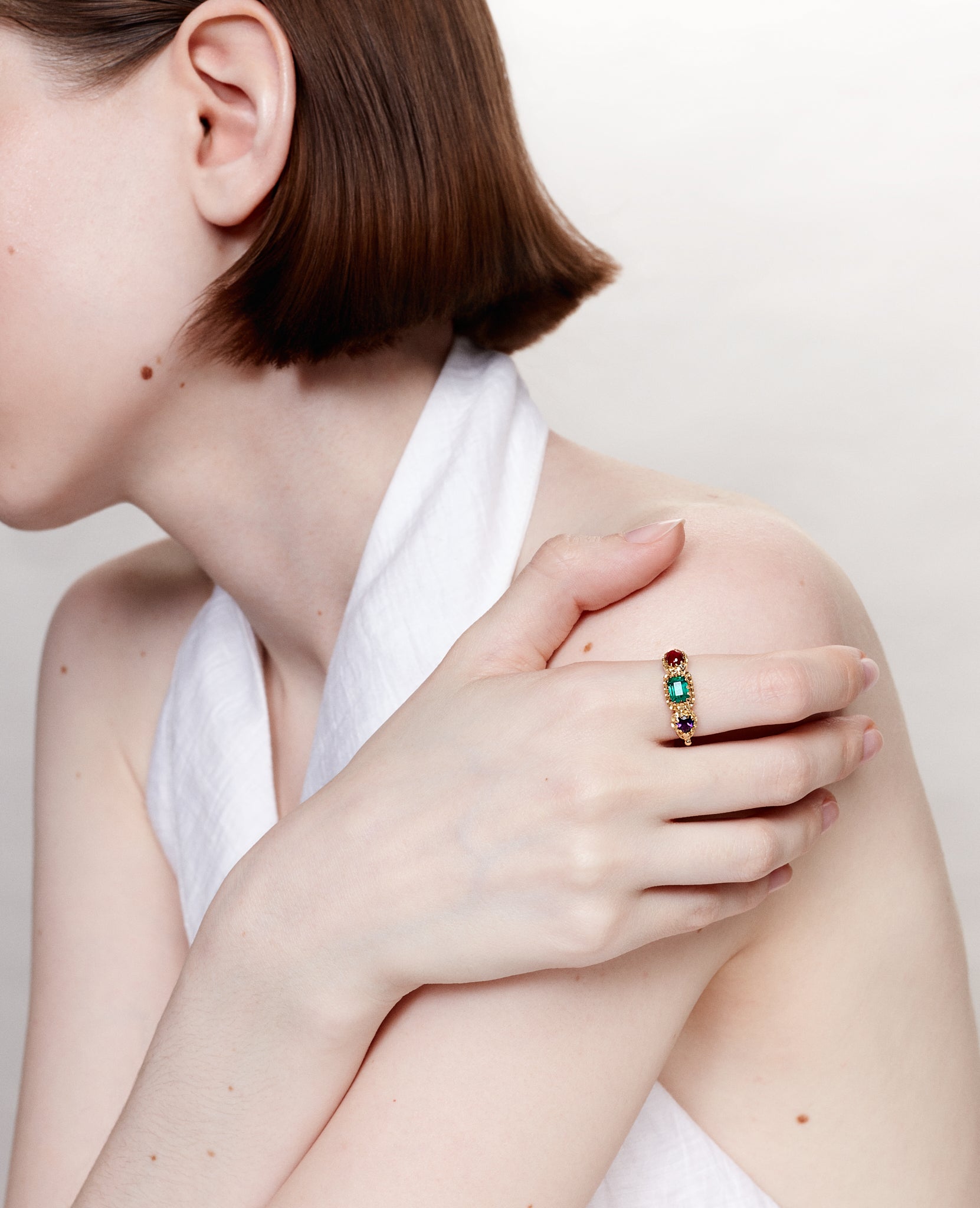
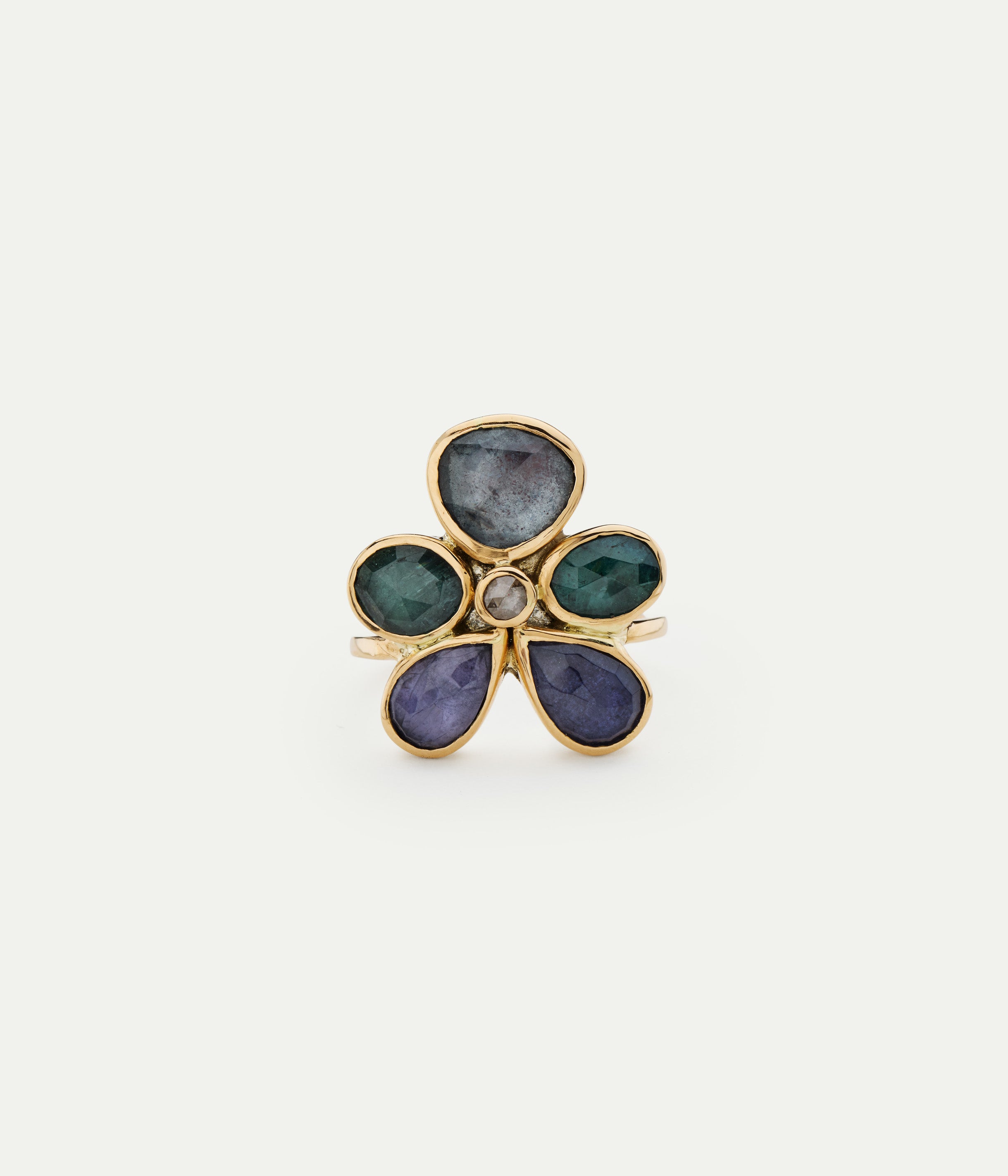
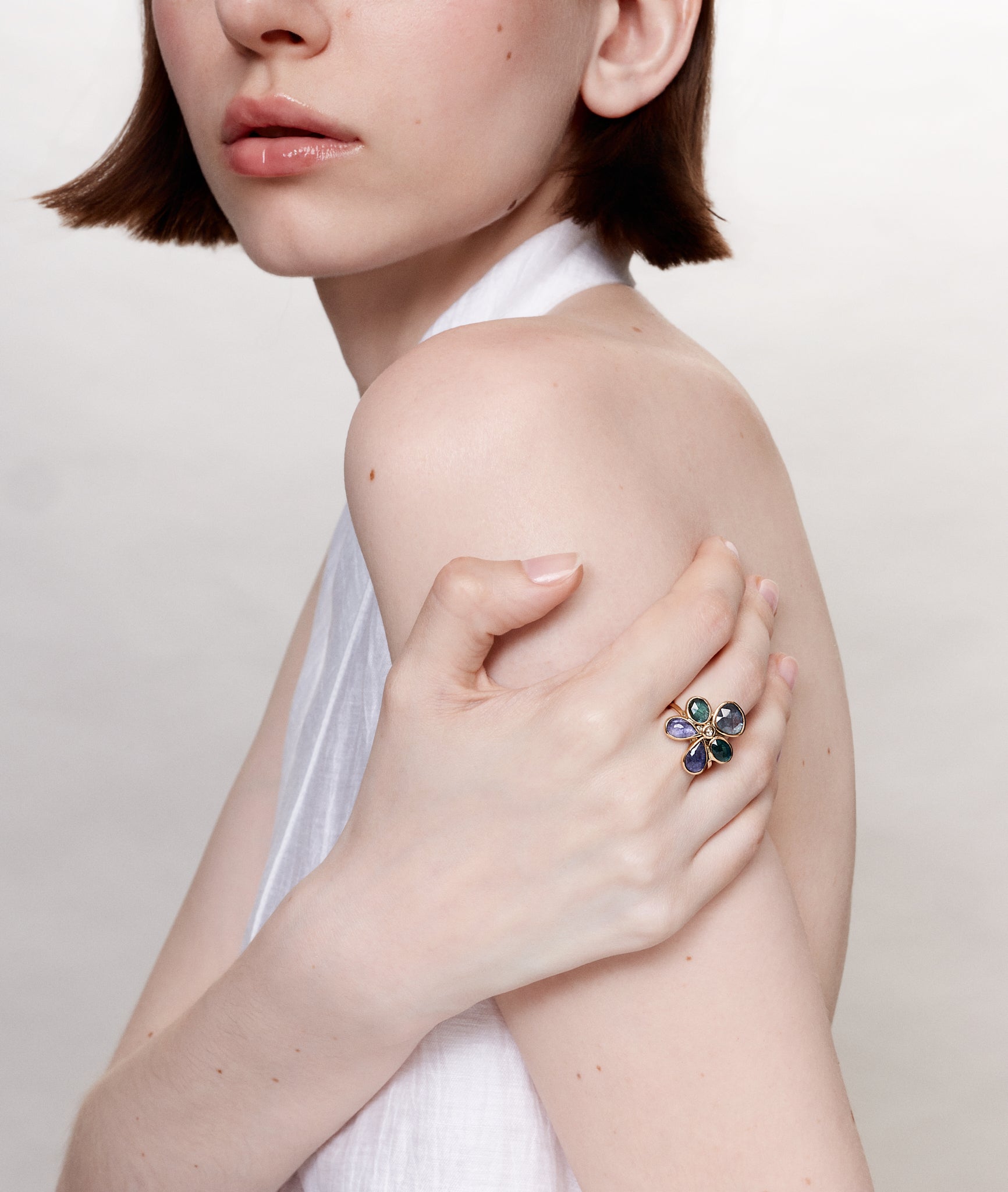
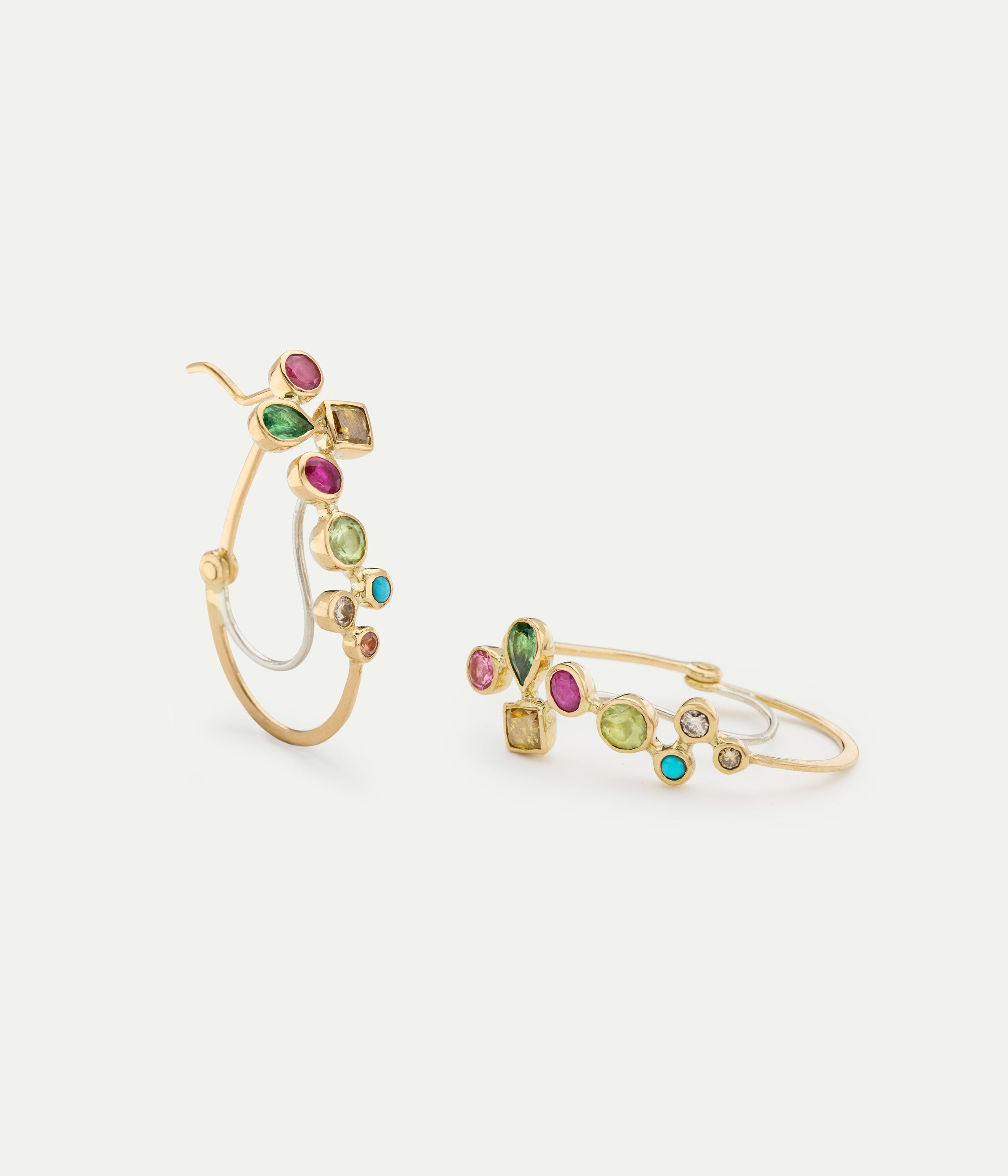
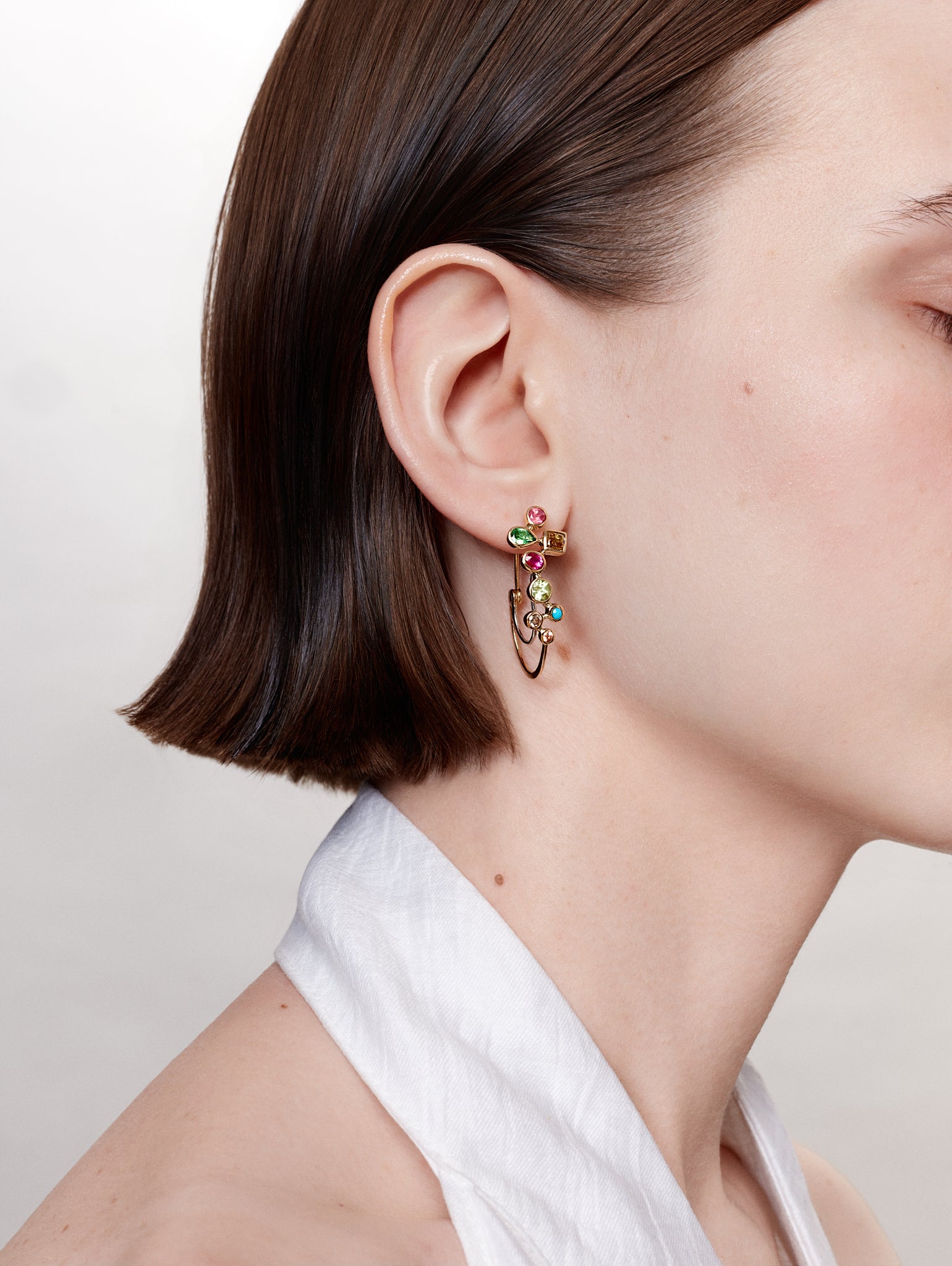
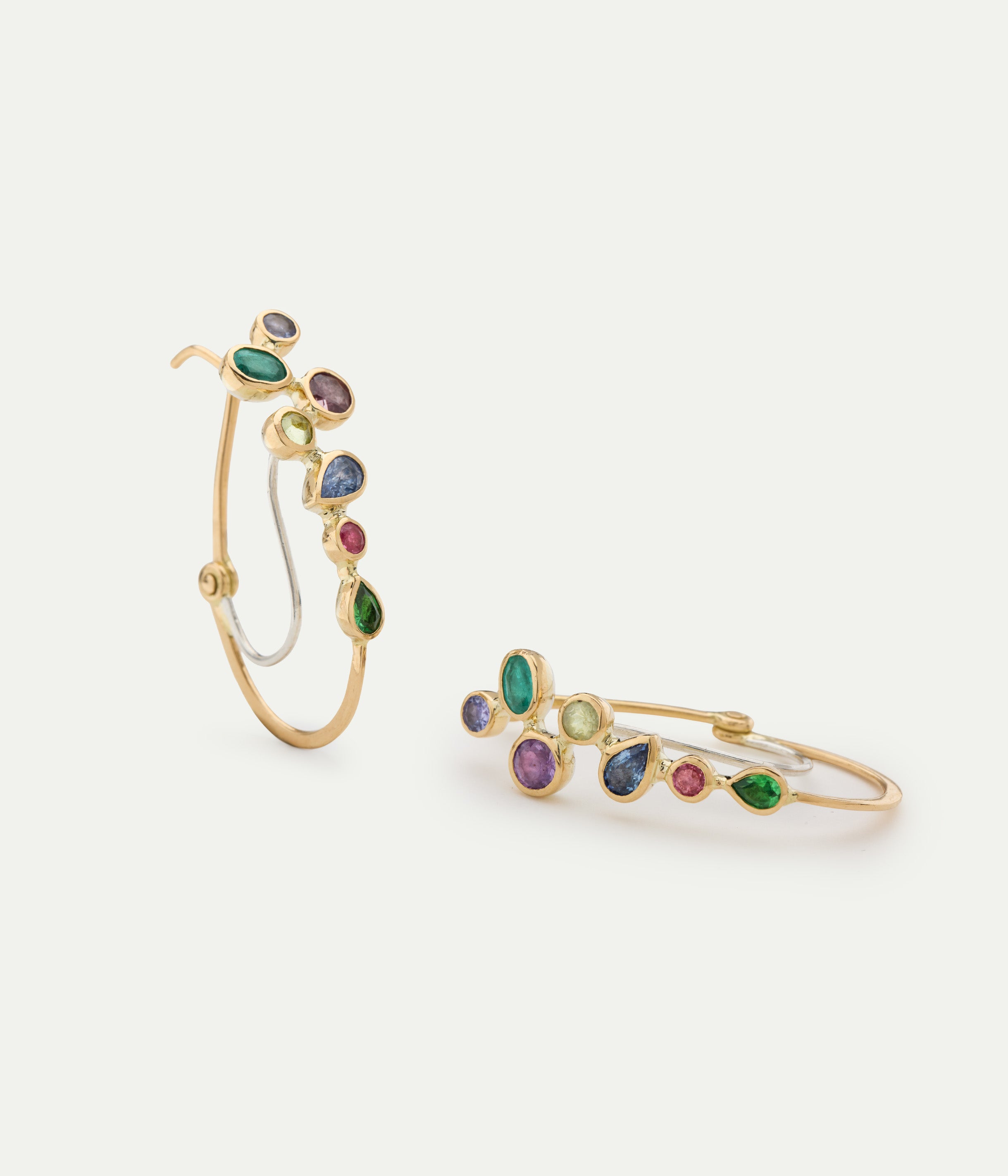
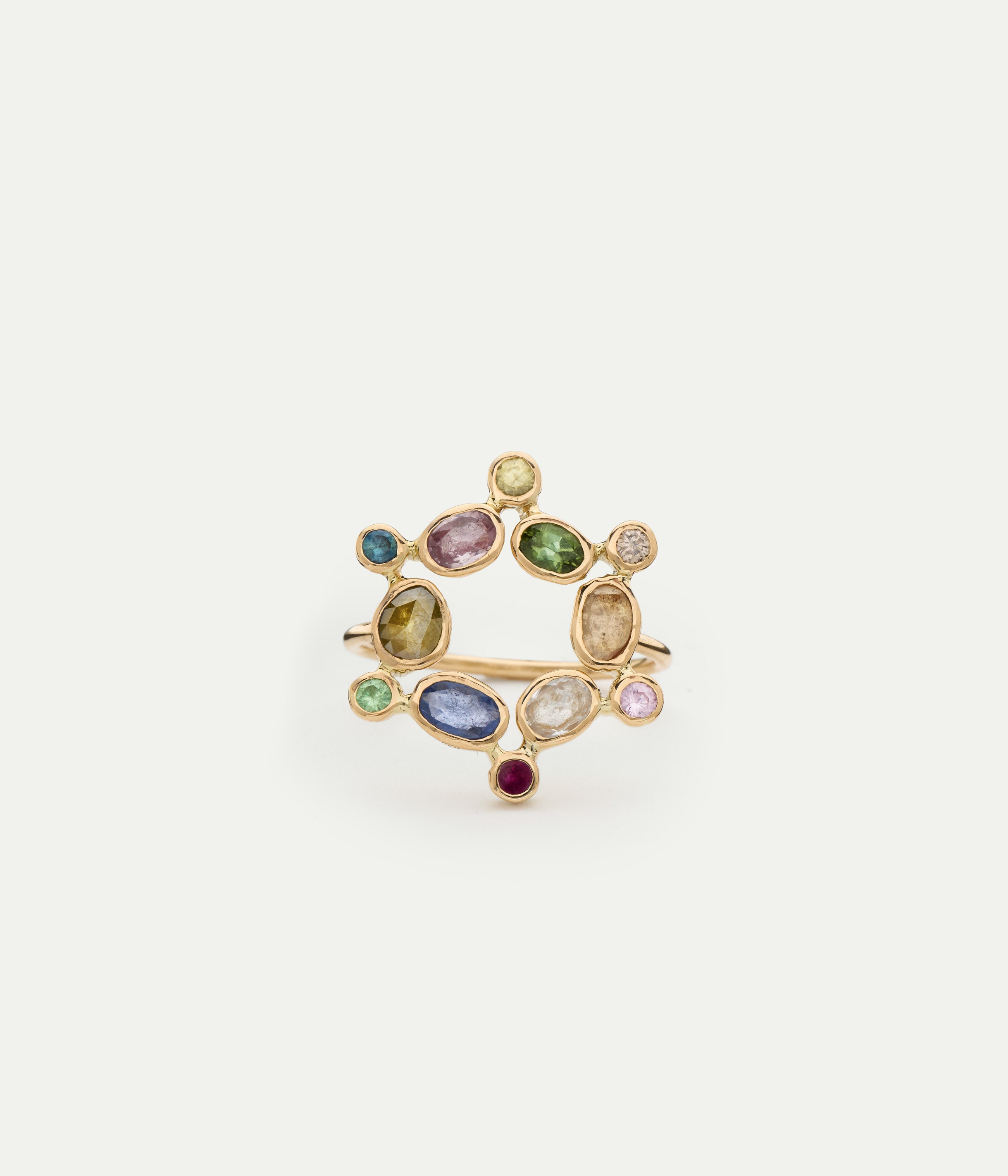
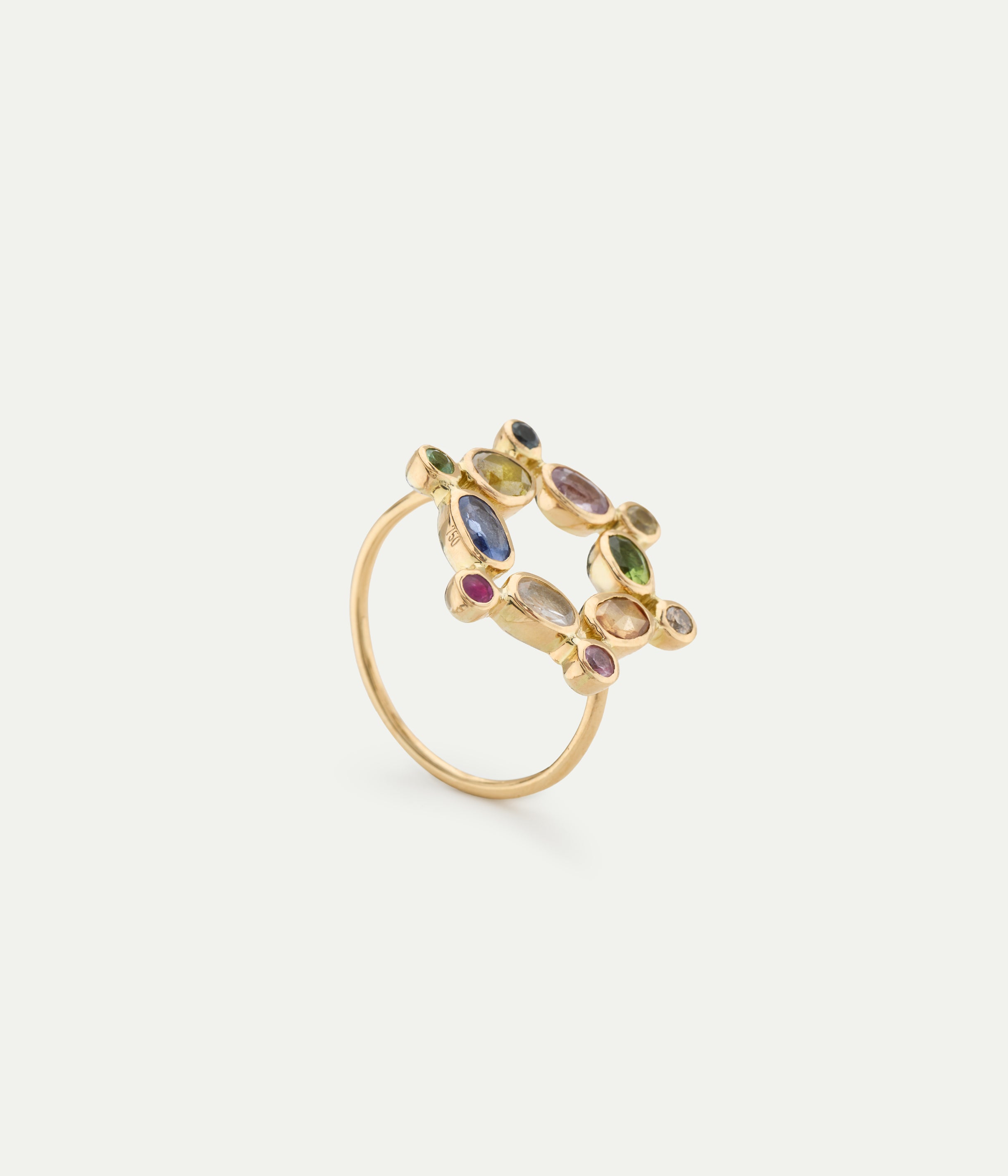
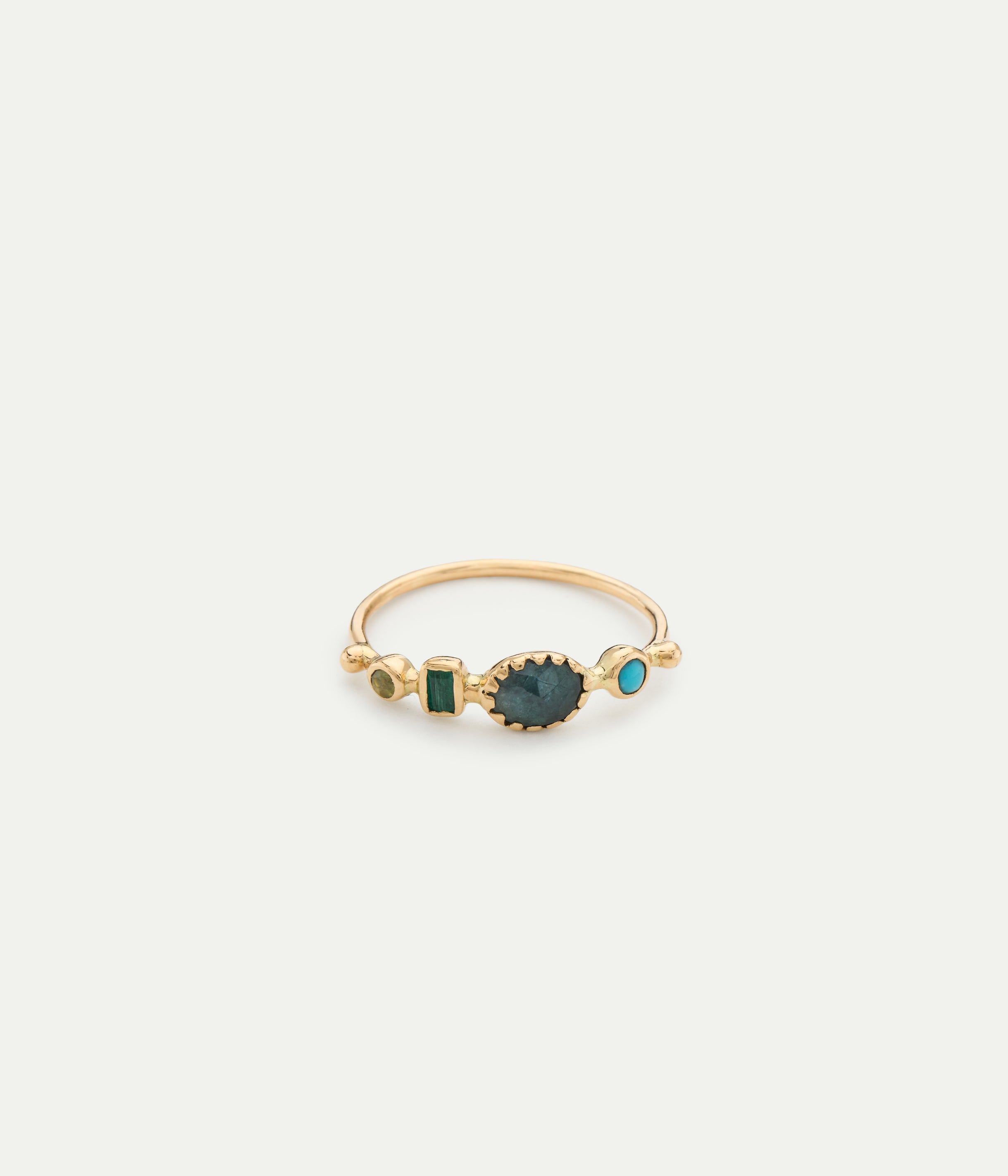
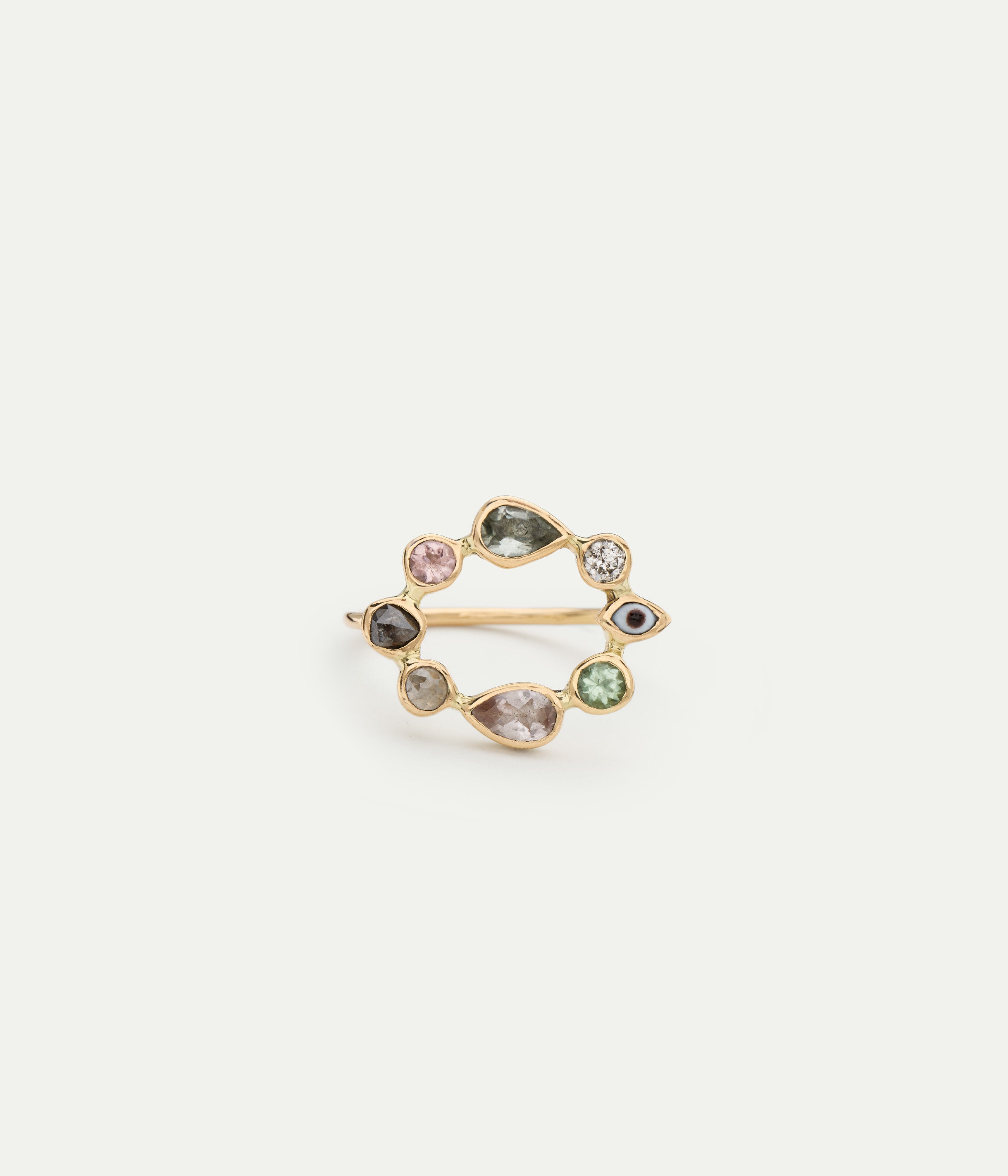
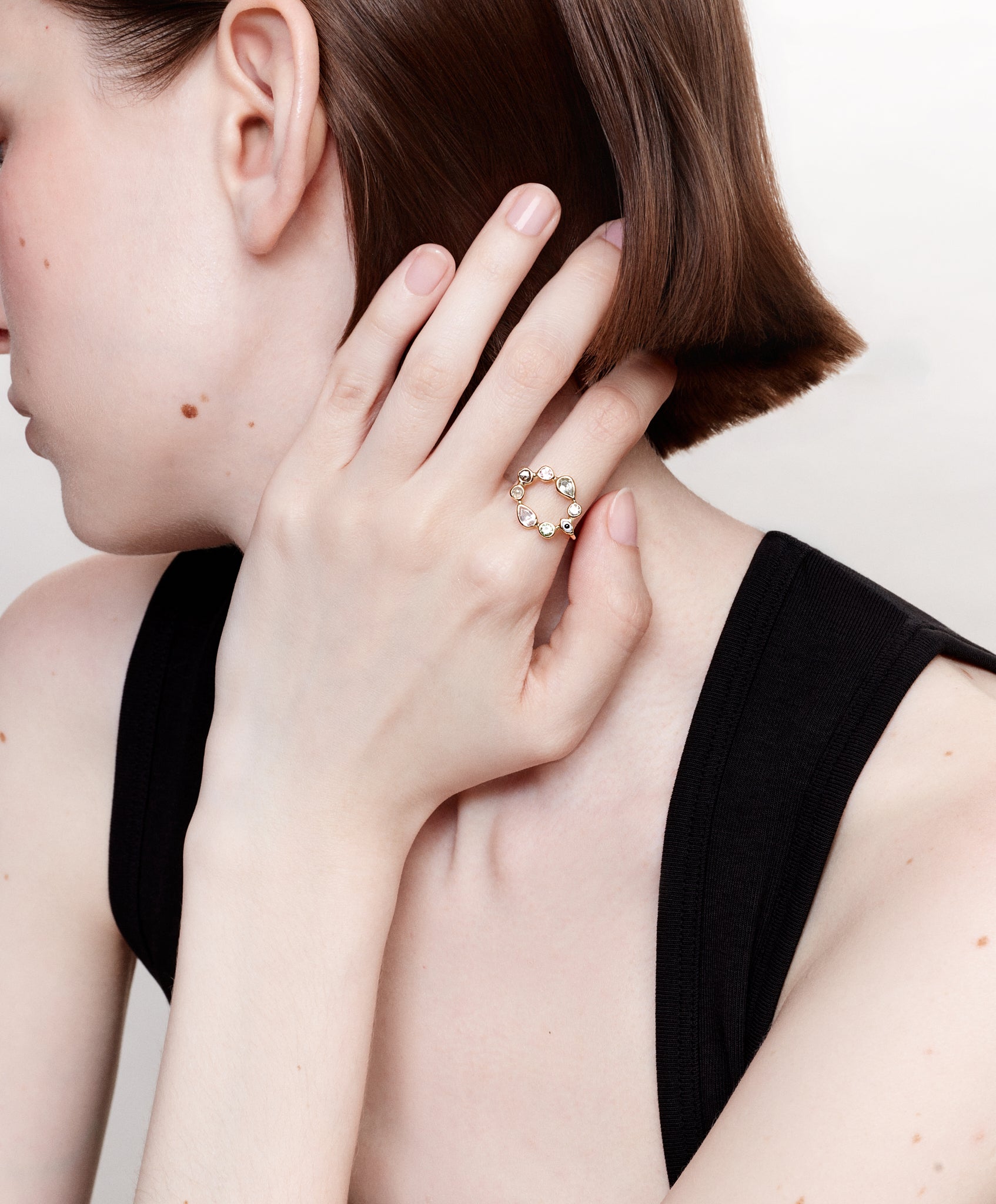
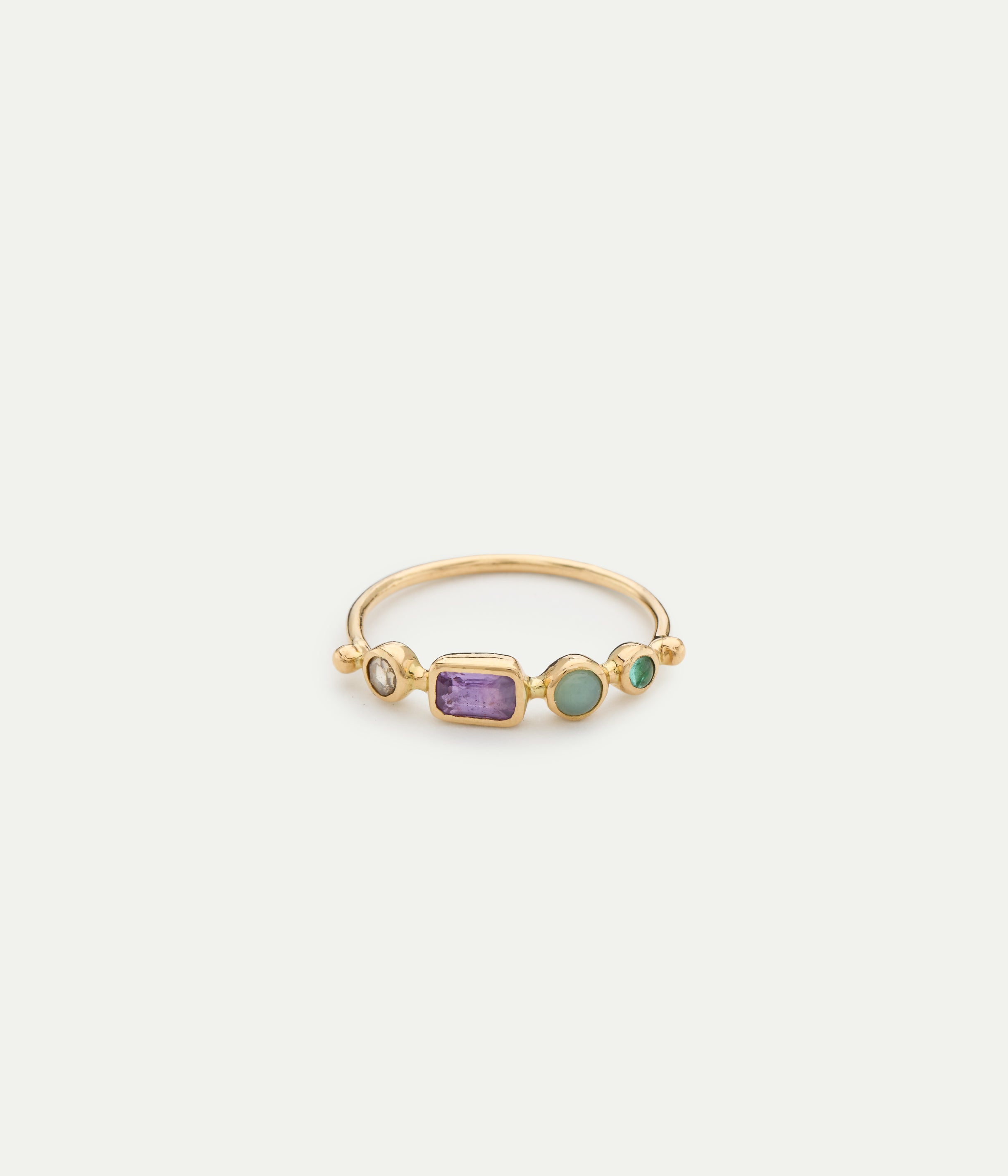
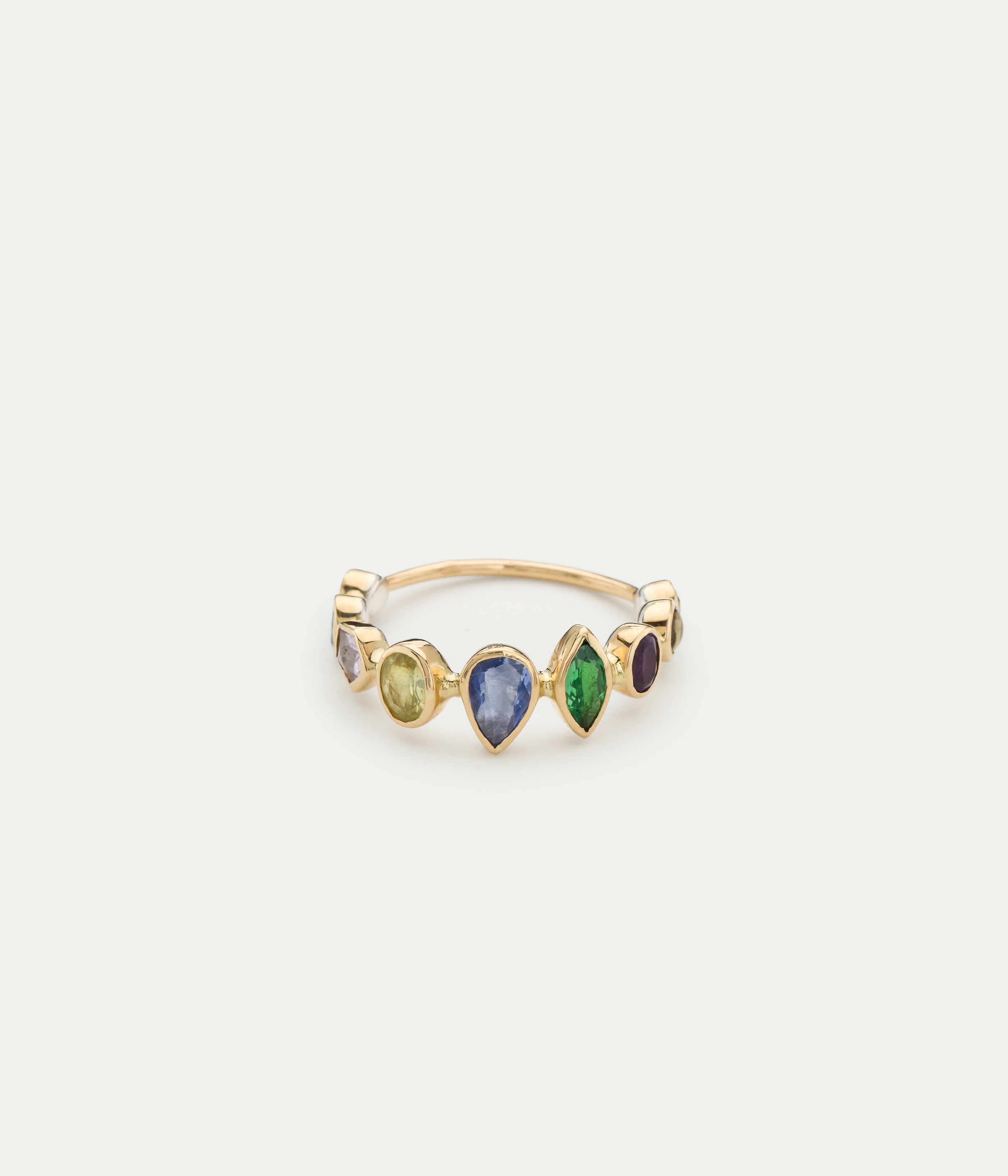
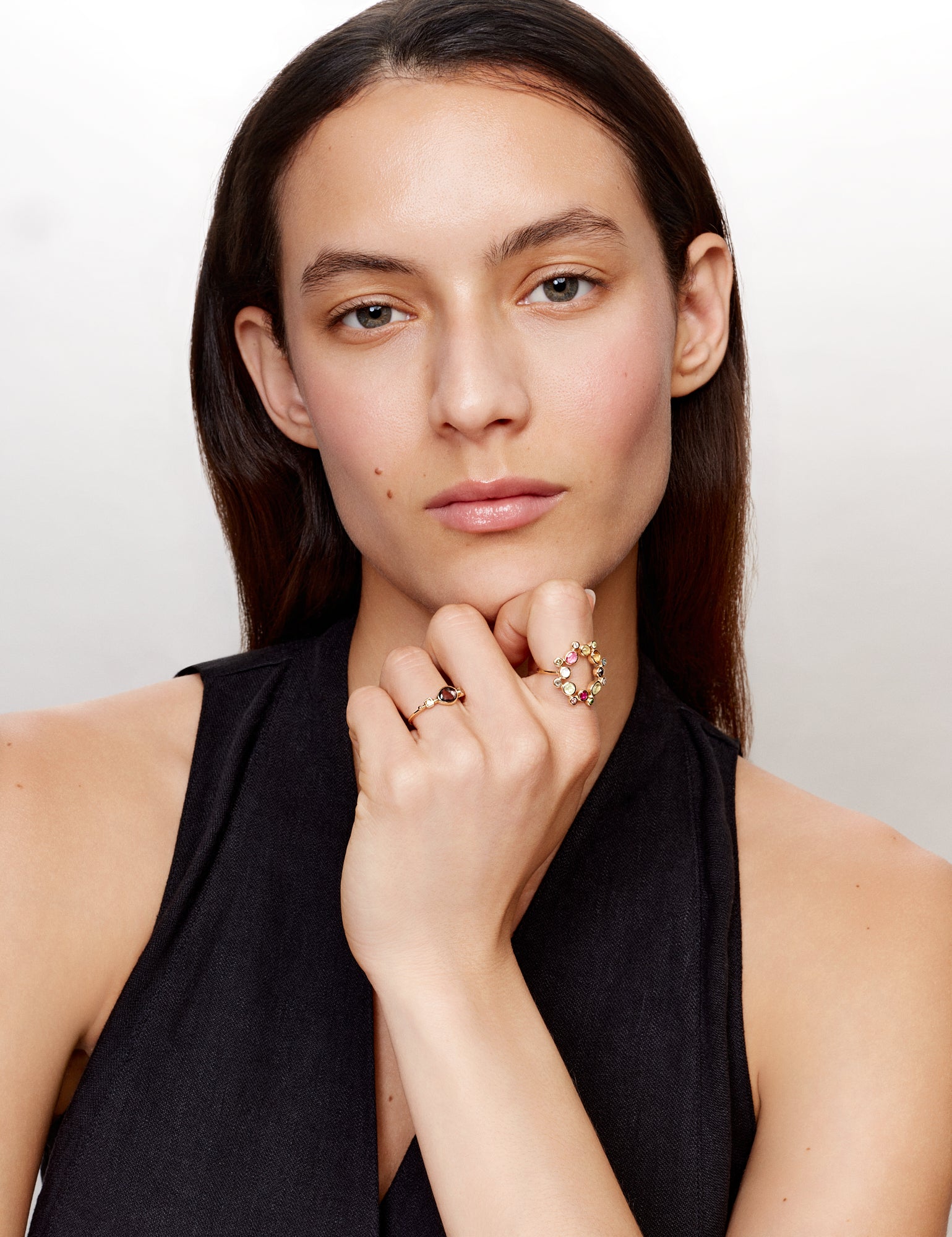
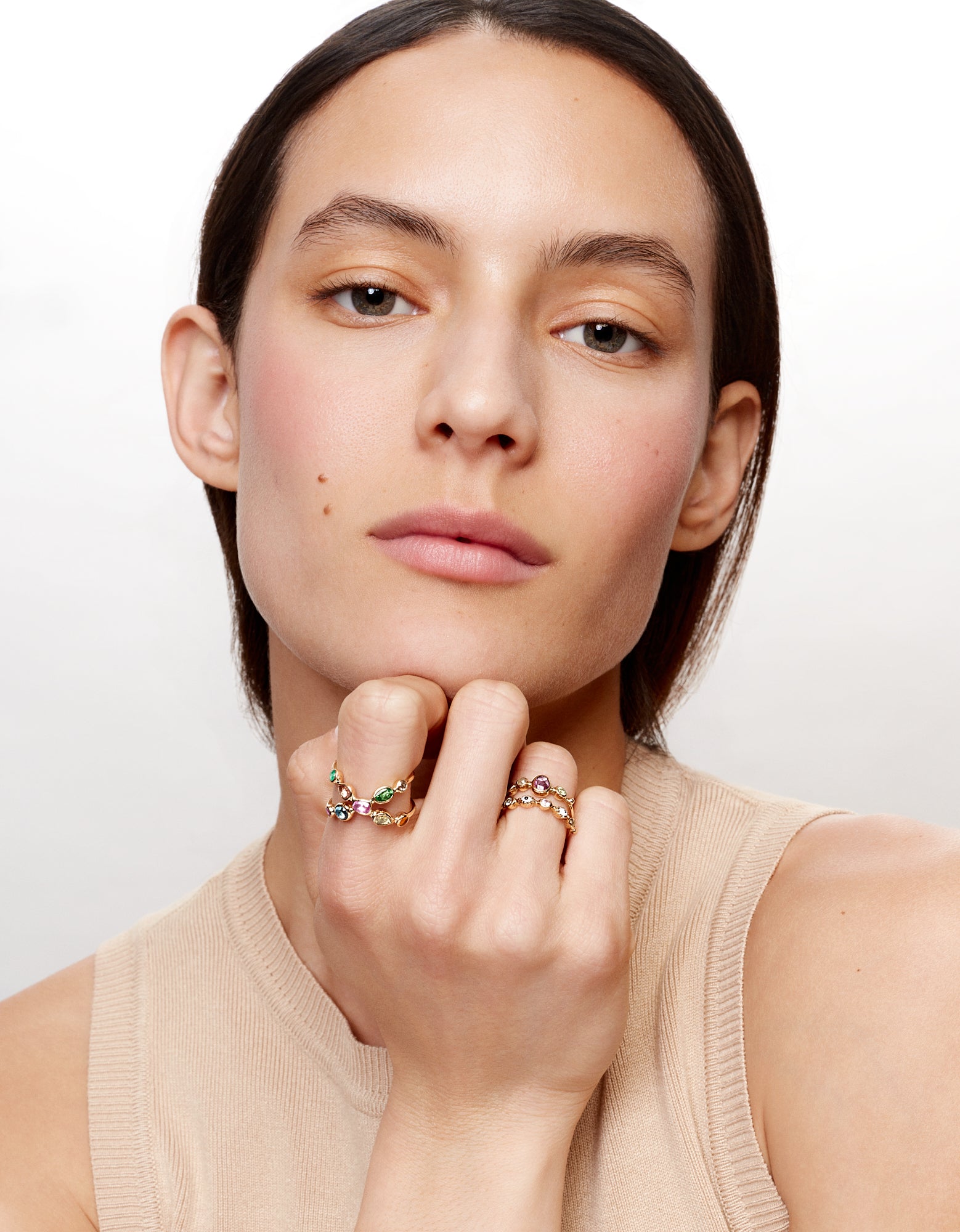
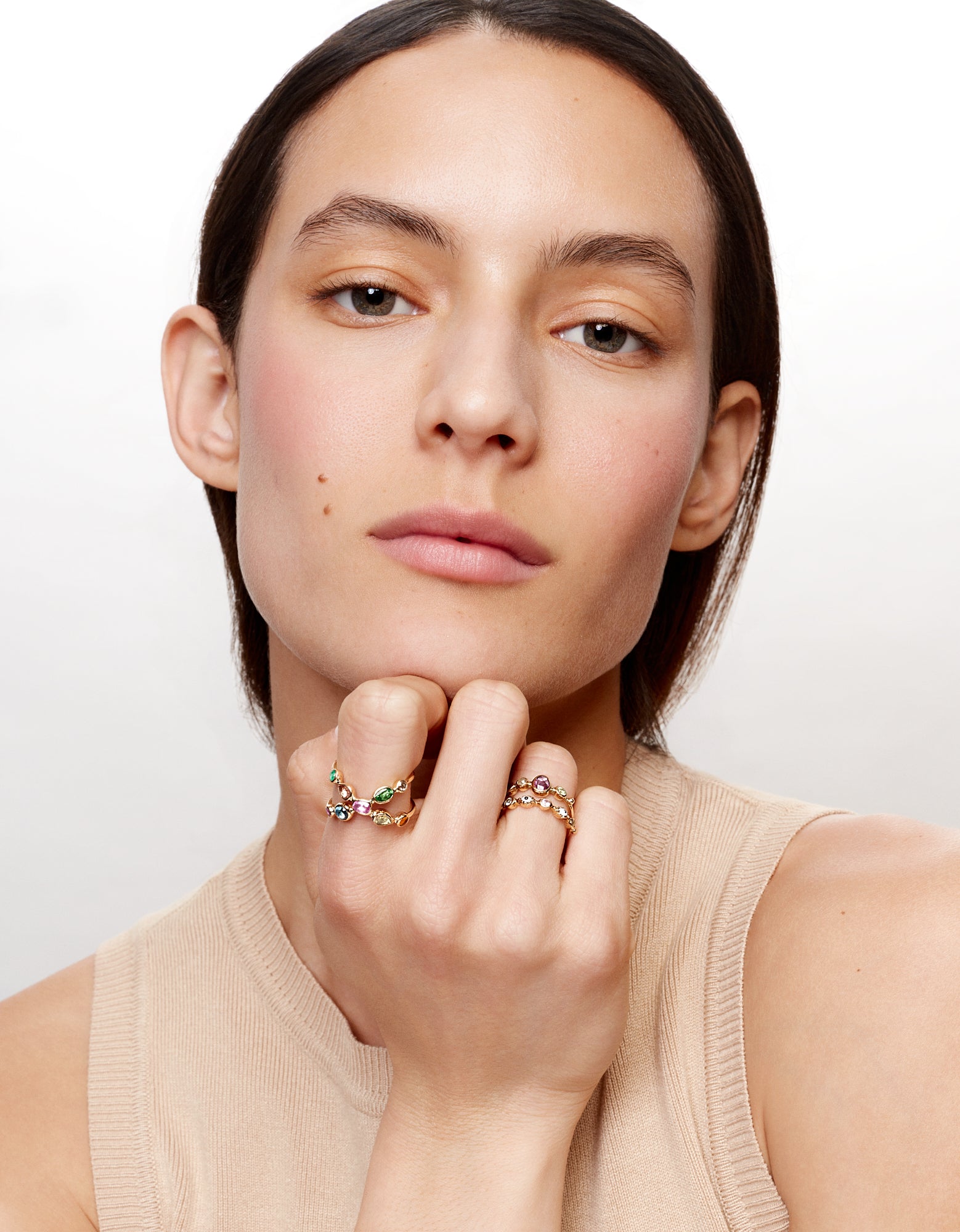
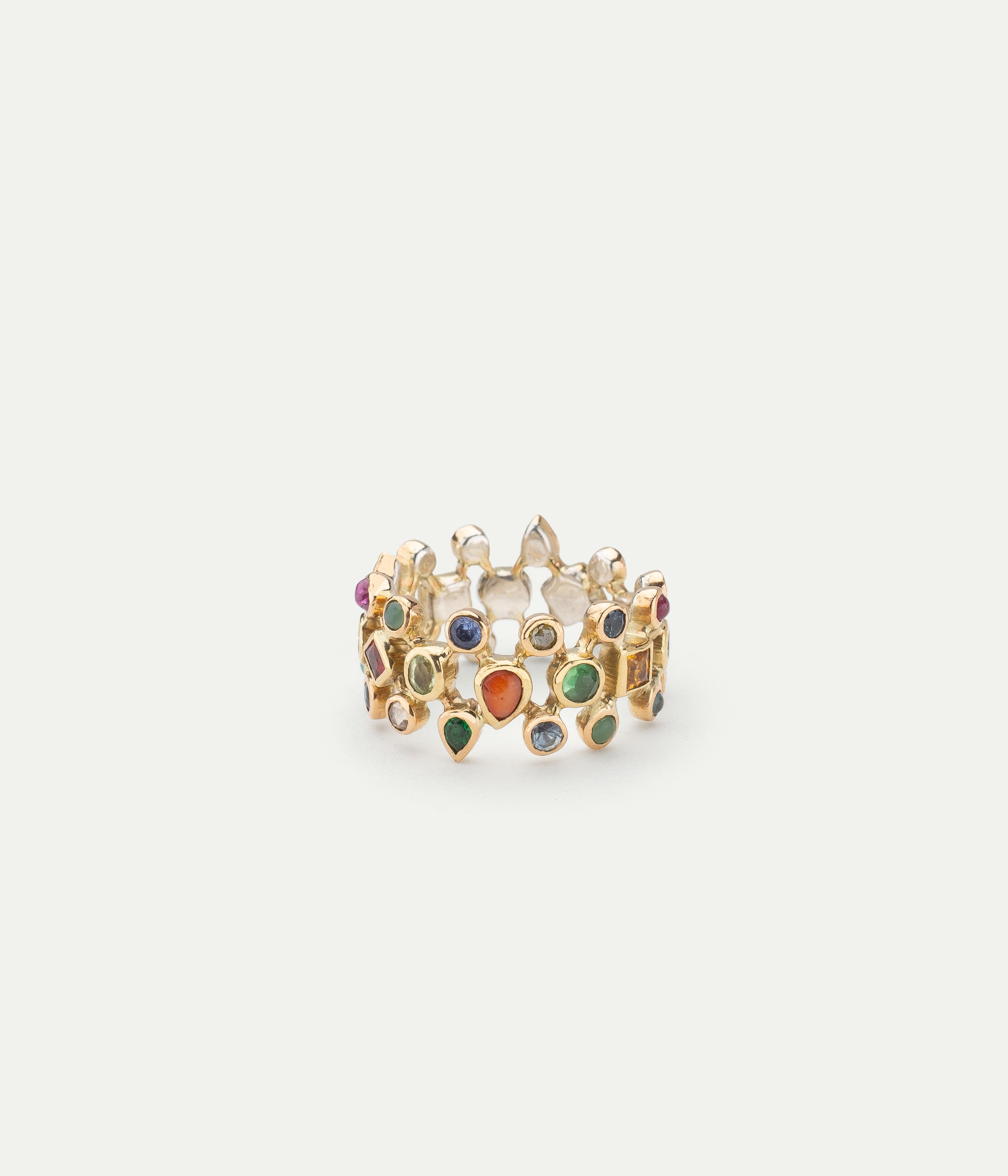
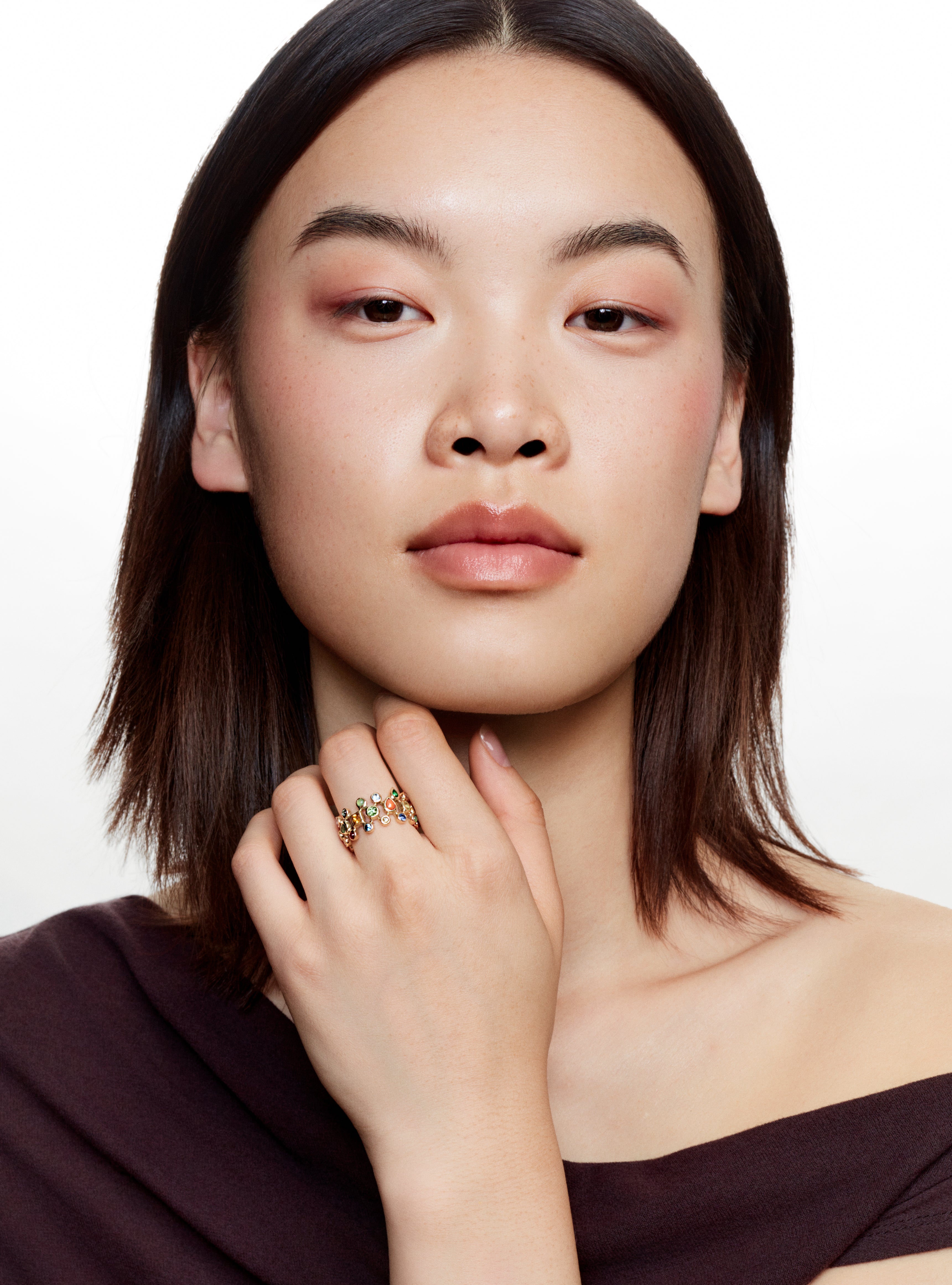
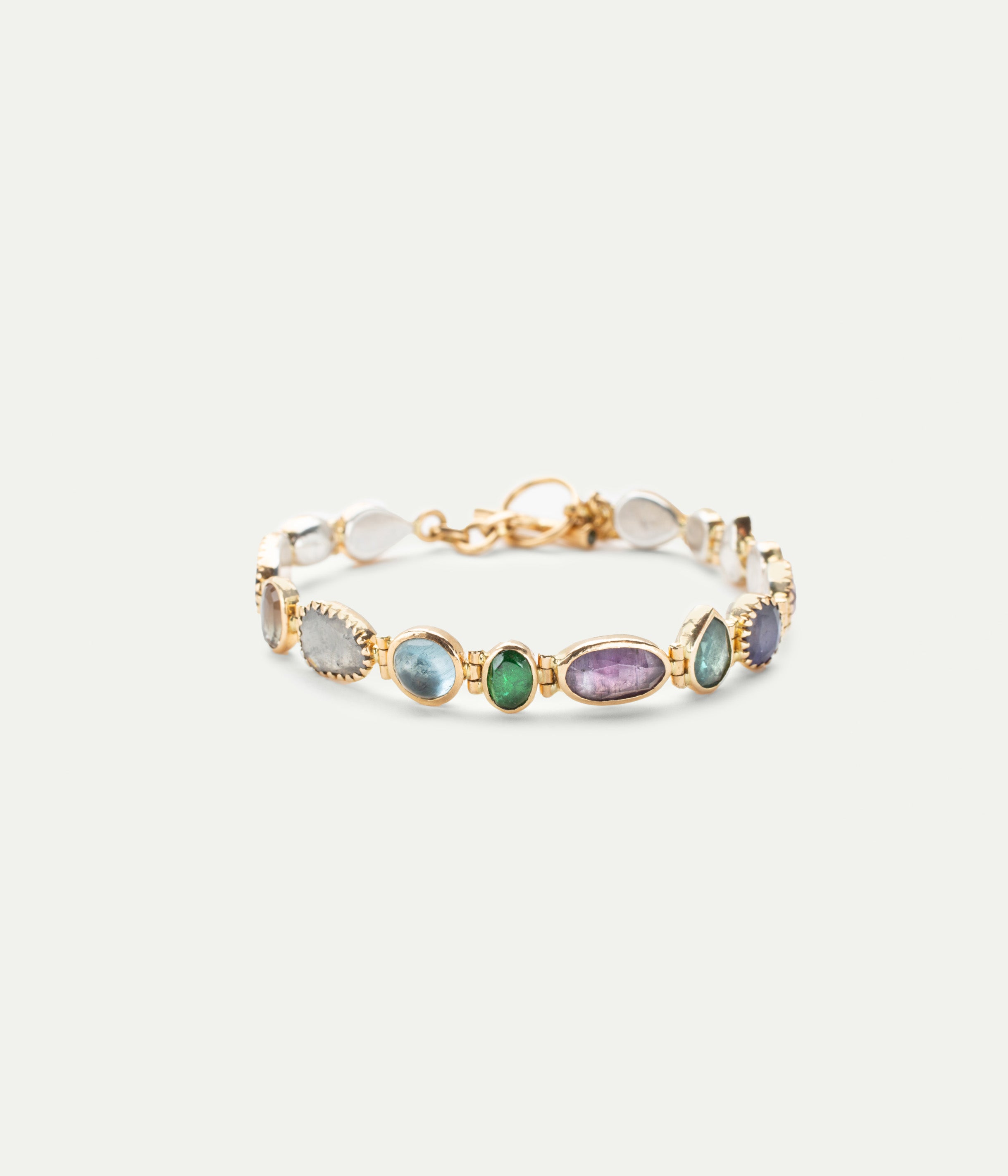
Souriant yellow gold and sapphire bracelet

Tax included.

Sale price€8.157,50
Metal Yellow gold Yellow gold / Silver Silver
Stone Sapphire Sapphire / Chrysoprase Chrysoprase / Amethyst Amethyst / Tourmaline Tourmaline / Chrysoberyl Chrysoberyl / Tanzanite Tanzanite / Coral Coral / Diamond Diamond
Details
Yellow gold Silver Sapphire Chrysoprase Amethyst Tourmaline Chrysoberyl Tanzanite Coral Diamond

750/1000 Yellow gold
925/1000 Silver
Multi stones
Sapphire
Chrysoberyl
Diamond

Payment in 2, 3 or 4 installments with Alma.

SKU: DO-85-BRA-B01-AS170425_U
Dorette
Souriant yellow gold and sapphire bracelet
€8.157,50
Souriant yellow gold and sapphire bracelet
Yellow gold, Silver / Sapphire, Chrysoprase, Amethyst, Tourmaline, Chrysoberyl, Tanzanite, Coral, Diamond
Sale price€8.157,50
Dorette
At Dorette, stones travel between India and France, between the precious and the everyday. Spinels, emeralds, tourmalines and sapphires meet freely, forming joyful, intuitive compositions. Founded by Catherine Lévy, the house celebrates jewellery as a talisman — a living object infused with emotion and memory. Today, her sisters Juliette and Marion continue the story, true to Dorette’s spirit of freedom, colour and craftsmanship.
Dorette
Dorette

What is this piece made of?

This piece contains: Yellow gold Silver Sapphire Chrysoprase Amethyst Tourmaline Chrysoberyl Tanzanite Coral Diamond
Yellow gold

Gold has long been celebrated for its warmth, its glow and its remarkable versatility. Yellow gold, in particular, is the metal in its most traditional expression — the colour that traverses centuries and civilisations. Designers sculpt it, texture it, hammer it or set it with diamonds and coloured stones, revealing a material that is both noble and endlessly adaptable. China, Australia and Russia remain today the world’s leading gold producers. Yet the limited ethical regulations governing extraction have long cast a shadow over its use in jewellery. This is why the Fairmined label was created in 2004: to guarantee the traceability of gold and ensure its positive impact on social development and environmental protection. Thanks to this certification, gold can now be considered “clean”, as opposed to conflict gold or gold extracted using harmful processes. Used since prehistory, gold was one of the first coloured metals mastered by ancient metallurgists. In Egypt, it was collected in small quantities along the Nile and elevated through religious ornamentation. Later, European conquistadors seized its value, while the American Gold Rush shaped an entire region of the West. Today, gold still plays a central economic role and is traded on major international exchanges. In its pure form, however, it remains too soft to be used alone in jewellery. It must be alloyed with other metals, measured in karats. The French market recognises 9k, 14k and especially 18k gold — the latter composed of 75% pure gold, ideal for its durability, stability and non-allergenic properties. 22k gold, intensely yellow and emblematic in India, is also used by certain designers.
Yellow gold

Silver

Silver is a precious metal that takes its name from the Latin word for shiny, argentum. After having been a resource of great value in Greece and Crete during Antiquity, silver was subsequently extracted largely in Spain, and later in central Europe. In the 19th century, thanks to numerous advances in production (including the technique of drilling by steam engines and the improvement of transport), many silver mines were discovered and exploited throughout the world. Today, silver is found in the form of veins and nuggets mainly in Mexico, Peru, Australia and China. In traditional jewellery-making, silver is often covered with a thin layer of rhodium which gives it a more homogeneous and stable colour over time. But today designers favour its natural colour and rarely "rhodium" their silver pieces. Instead, they set it with stones and allow it to oxidise for a modern and elegant look. Like gold, silver is malleable. It is therefore impossible to use it at 100% purity for the creation of jewellery. In France, silver is recognised as a precious metal from 800 thousandths of pure silver in the alloy. However, the silver most commonly used in jewellery is 925 thousandths, that is to say an alloy composed of 92.5% pure silver. Different hallmarks are used to classify silver according to its purity. The 925 thousandths silver is marked by a Minerva head. Alloys made up of 80% pure silver are represented by a head of Minerva followed by the number 2. Silver jewellery tends to oxidise on contact with oxygen in the air. This natural oxidation disappears quite easily with specific products for silverware. These must be applied with a soft cloth, then rinsed and dried. At WHITEbIRD, designer Sophie Buhai’s sculptural and often voluminous pieces inspired by the modernist tradition put silver in the spotlight. De Jaegher also use silver in their precious jewellery.
Silver

Sapphire

Sapphire takes its name from the ancient Greek sappheiros, meaning “blue stone,” though some trace it to the Hebrew saphar, “to engrave.” Known for its exceptional resistance to scratching — second only to diamond — sapphire is used not only in fine jewellery but also in watch crystals, camera lenses and certain smartphone components. Found in the United States, Canada and various tropical regions, sapphire belongs to the corundum family. While it is most often associated with blue, its spectrum is remarkably wide: greens, purples, pinks, oranges, yellows, and the celebrated star sapphires, displaying an asterism created by multidirectional light refraction. Across traditions, sapphire symbolises truth, loyalty and strength. Its saturated colour and steady brilliance give it a quiet authority, often linked to clarity and sincerity. In contemporary jewellery, designers such as Polly Wales and Ruth Tomlinson value sapphire for its versatility and expressive palette, using it to create pieces that feel both textured and luminous.
Sapphire

Chrysoprase

Chrysoprase takes its name from the Greek krisos (“golden,” referring to its brightness) and prason (“leek,” for its distinctive green hue). Sourced from Germany, Australia, the United States and Madagascar, it belongs to the quartz family and is known for its vibrant, even colour that can evoke the purity of jade. Often cut into cabochons, chrysoprase is among the oldest documented gemstones. It is said to have been worn by figures such as Alexander the Great and Frederick II of Prussia, drawn to its luminous presence and bold green tone. Through the centuries, various traditions have associated it with harmony and calm — a stone thought to ease tensions and support emotional balance, sometimes linked to friendship and personal growth. Its vivid colour and natural freshness continue to inspire contemporary designers such as Lito, Brooke Gregson, Cathy Waterman and Ivarene, who value its bright, expressive character.
Chrysoprase

Amethyst

The purple colour of amethyst has inspired stories for centuries. Its name comes from the Greek a-methustos, meaning “not intoxicated,” and is linked to the legend of the nymph Amethystos. To protect her from the unwanted advances of Dionysus, god of wine, she was turned into rock crystal; enraged, Dionysus spilled his cup of wine over her, staining the stone with a deep violet hue. Once considered rare in antiquity, amethyst was later discovered in large deposits in Brazil and Mexico, and subsequently in Belgium, France, Madagascar, Finland and Canada. Admired by the Etruscans and Egyptians for its ornamental beauty, it remained for centuries a material reserved for royalty and high religious figures. Today, its colour and luminosity make it a favourite among designers such as Ivarene, Dorette and Lena Skadegard. Across various cultures, amethyst is associated with symbolic meanings. Some traditions believe it can help ease fear, stress or anger, and support a sense of calm or clarity. It is also sometimes linked with ideas of purification.
Amethyst

Tourmaline

Tourmaline takes its name from the Sinhalese turmali, meaning “stone of mixed colours,” a fitting tribute to its remarkable diversity — more than thirty varieties ranging from subtle hues to striking colour combinations. Among them are elbaite, which can appear colourless, blue, green or pink, and the sought-after “watermelon” tourmaline with its pink centre and green rim. Found in Afghanistan, Mozambique, Brazil, Madagascar, Russia and the United States, tourmaline is one of the most versatile gemstones in the mineral kingdom. Across cultures, it is associated with protection and balance. In parts of Africa, among Native American communities and within Australian Aboriginal traditions, it is regarded as a talisman capable of absorbing negative energy. In contemporary jewellery, its vibrant palette appeals to every sensibility. Our designers love the way its colours recall a collection of precious confections — a joyful, expressive and endlessly varied stone.
Tourmaline

Chrysoberyl

Lesser-known yet deeply compelling, chrysoberyl stands out for its unmistakable brightness. Its name comes from the Greek chrysos (“gold”) and beryllos, echoing both its golden glow and its structural kinship with beryl. Colours range from lemon yellow to soft golden green, often marked by a clear, almost glassy luminosity. Sourced mainly from Brazil, Sri Lanka and Madagascar, chrysoberyl forms within pegmatites and metamorphic rocks. Some rare varieties — such as alexandrite, a unique form of chrysoberyl — display remarkable optical effects, but even its more understated expressions retain a strong visual presence. Historically, the stone has often been associated with clarity and determination. Across cultures, it is seen as a gemstone linked to focus and inner precision. With its clean colour and confident radiance, chrysoberyl continues to appeal to contemporary jewellery designers seeking a distinctive, luminous stone with a modern edge.
Chrysoberyl

Tanzanite

Tanzanite takes its name from Tanzania, where it was discovered in the 1960s after storms around Mount Kilimanjaro. Originally brownish, it develops its blue-violet colour when exposed to heat. A trichroic gemstone, it can display blue, violet and bronze tones depending on the crystal’s orientation. Some fancy tanzanites even show striking multicoloured flashes. Found only in a 20 km² area in northern Tanzania, it is one of the rarest gemstones in the world. The Queen of Kilimanjaro, a 242-carat tanzanite set by Tiffany, remains its most famous example. Associated with creativity and self-expression, tanzanite inspires designers such as Brooke Gregson and Pippa Small, who value its balance of depth and softness.
Tanzanite

Coral

Coral is a marine material that grows underwater in branching, tree-like formations. Used in jewellery since antiquity, it exists in several varieties: red coral from Japan or the Mediterranean, golden coral from China, and black coral from the Pacific, all originating from reefs in warm seas. Today, its harvesting is strictly regulated to protect the ecosystems in which it thrives. Valued for its vibrant presence, coral is often used sparingly by designers who appreciate its bold colour and symbolic resonance. Commonly associated with vitality and joie de vivre, coral is also linked to confidence and courage. In various traditions, it is seen as a comforting material with protective or healing qualities. Highly prized since antiquity, it once adorned Celtic helmets, Chinese miniature talismans and the ceremonial finery of African kings. A unique material — between mineral and organic — that continues to inspire contemporary jewellery.
Coral

Diamond
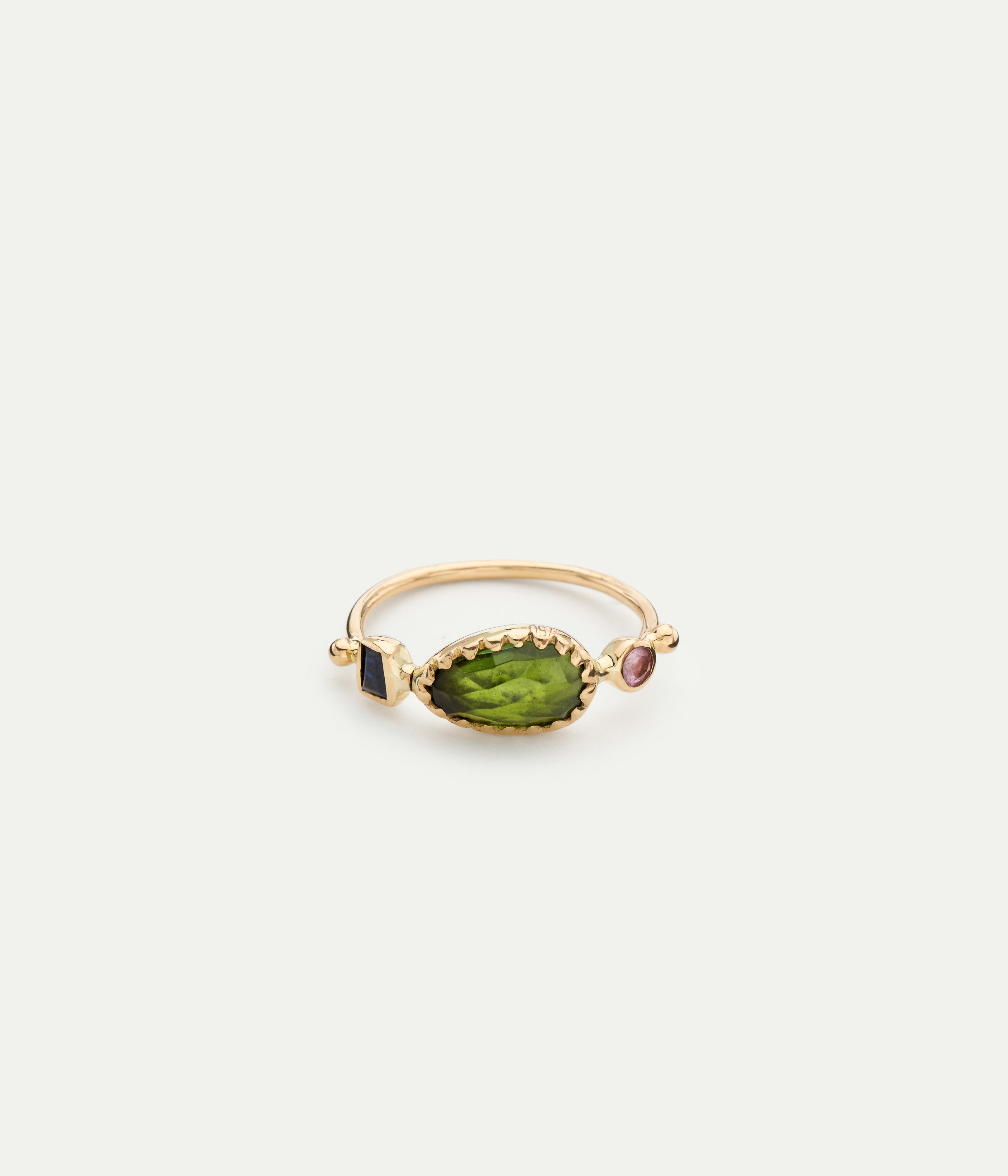
A diamond has long been seen as pure light made solid — a material shaped deep within the earth, revealed through cut, proportion and care. To a jeweller, every facet is a choice, every reflection a quiet exchange between the stone and the hand that guides it. Traditionally celebrated in its colourless form, the diamond today speaks in a much broader, more expressive language. The 4Cs — Colour, Clarity, Cut and Carat — remain essential markers of quality: colour graded from D to Z, clarity from FL to VS, the precision of the cut, the weight measured in carats. Yet these criteria no longer define beauty in absolute terms. Designers and collectors increasingly embrace shades beyond classic white: warm browns, subtle yellows, soft greys, frosted tones, and stones with delicate inclusions. Features once labeled as imperfections now offer character, depth and a sense of authenticity. These singularities trace the story of each diamond — its growth, its internal tensions, the minerals encountered along the way. They remind us that a diamond is not only a symbol but a living material shaped by time. Whether perfectly clear or crossed by a gentle haze, the diamond continues to embody precision, endurance and emotion. A light that no longer strives for flawless uniformity, but embraces the truth and beauty of its own individuality.
Diamond

Taking care of your jewels

Pieces of jewelry are delicate little objects. Even if they are made of resistant materials in order to be worn every day, it is still important to follow some general advice for them to keep their original beauty.

Read Guide

Frequently asked questions

Looking for a quick answer? You’ll find detailed information on our Payment, Delivery and Returns & Exchanges pages. If you need any further assistance, our team will be happy to help — feel free to contact us using the form below.

CONTACT US
Do you ship internationally?

Yes. We ship worldwide from Paris with trusted carriers such as DHL Express or Colissimo. Delivery options and fees are calculated at checkout according to your destination and the value of your order.

  • France: Colissimo for orders up to €1,000, DHL Express above.
  • European Union: Prices are calculated with local VAT applied at checkout, based on the delivery address.
  • United Kingdom & United States: Import duties and VAT are included. No additional charges upon delivery.
  • For deliveries outside the European Union, customs procedures may apply depending on the destination.
When will my order be delivered?

Orders can be collected in one of our Paris boutiques, or shipped to your address.

  • In-stock pieces are usually dispatched within 2 to 5 business days.
  • Delivery times vary depending on destination and carrier.
  • For made-to-order or special pieces, production delays are indicated on the product page.

You will receive a confirmation email with tracking details as soon as your order is shipped.

Are returns or exchanges possible?

Yes. If your piece does not fully suit you, you may request a return or exchange:

  • Within 14 days of receipt (28 days for deliveries to the USA)
  • The piece must be unworn, unaltered, and returned in its original condition.

Please note that engraved, resized or custom-made pieces cannot be returned or refunded. Return shipping costs are at the customer’s expense; however, exchanged items are shipped free of charge within the European Union.

Need advice before choosing?

Our team is here to guide you. For questions about sizing, availability, gemstones or gifting, we offer personalised support by phone or email. You may also book a private video consultation (WhatsApp or FaceTime) to view pieces live, receive styling advice or explore a curated selection — just as you would in our boutiques.

  • Tel : +33 (0)1 42 60 52 39
  • Email : contact@whitebirdjewellery.com