
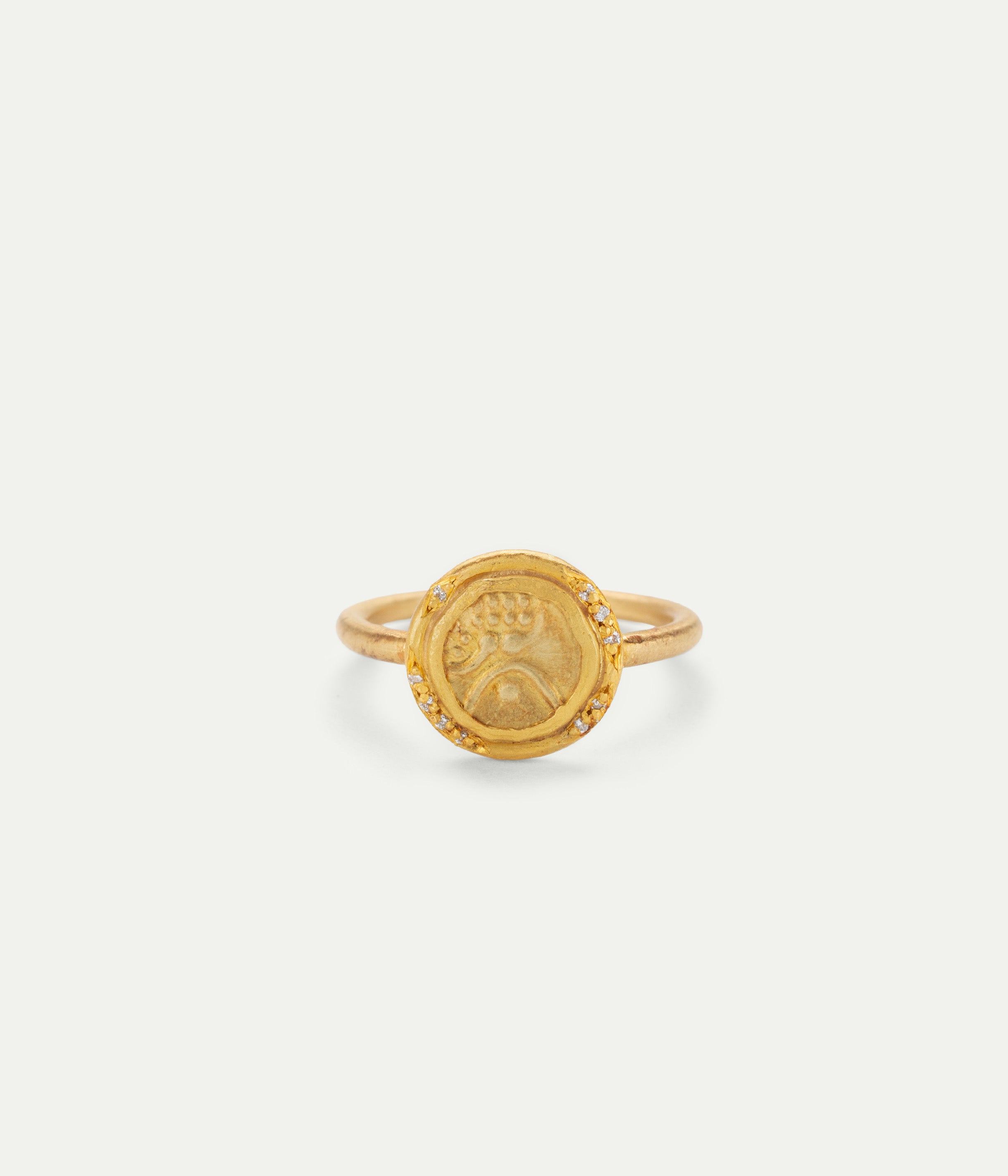
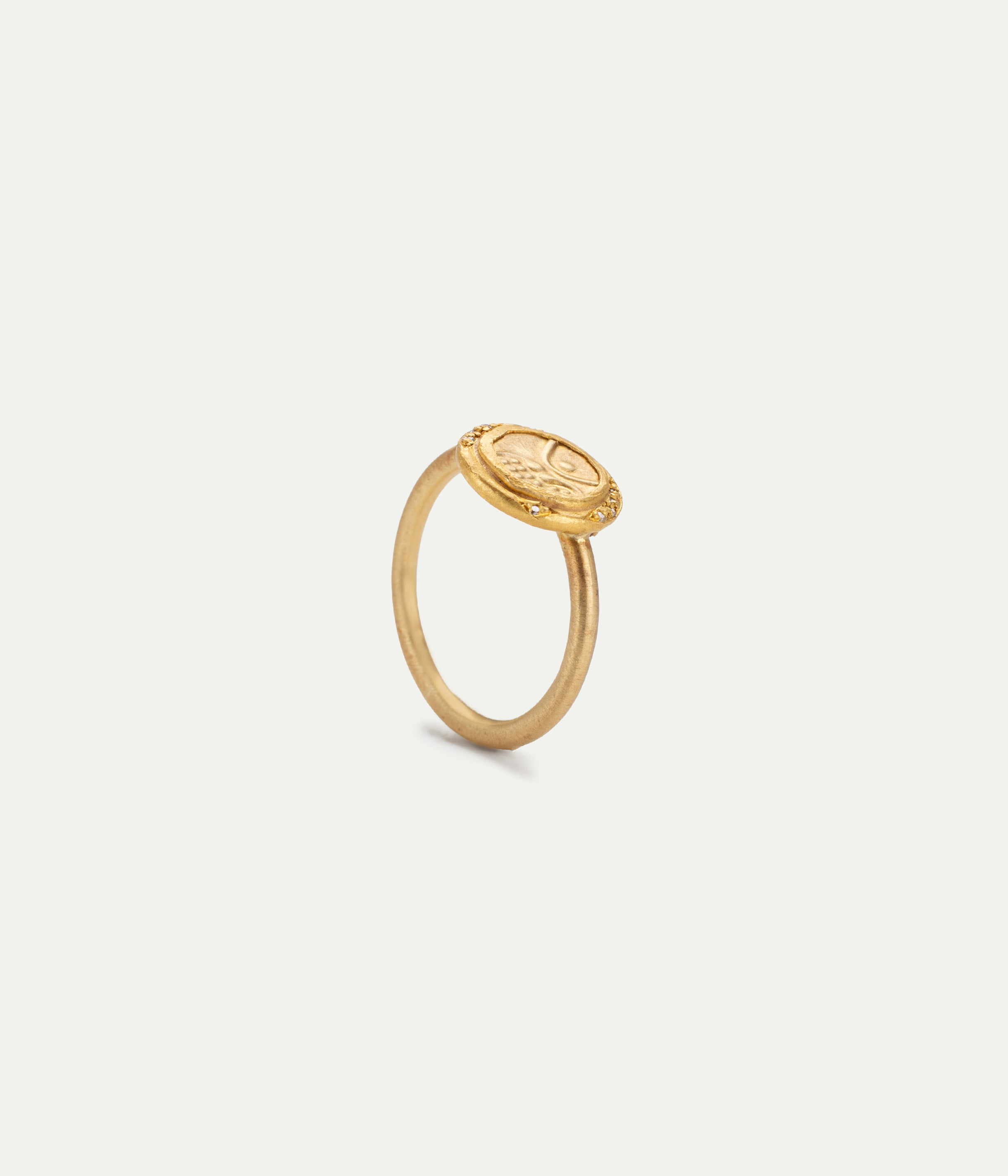
Antique Bronze Coin ring
Tax included.


Each Antique Coin ring by Karen Liberman is a unique piece, crafted around a genuine bronze coin from the Constantinian era. Engraved with the inscription “VOT XX” and encircled by a crown, it symbolizes imperial vows for twenty years of rule. A precious historical imprint framed in yellow gold and set on a silver band—for those who love to carry a fragment of the past against their skin.
Details
Where to buy this jewel?


Karen Liberman


What is this piece made of?
Yellow gold

Silver

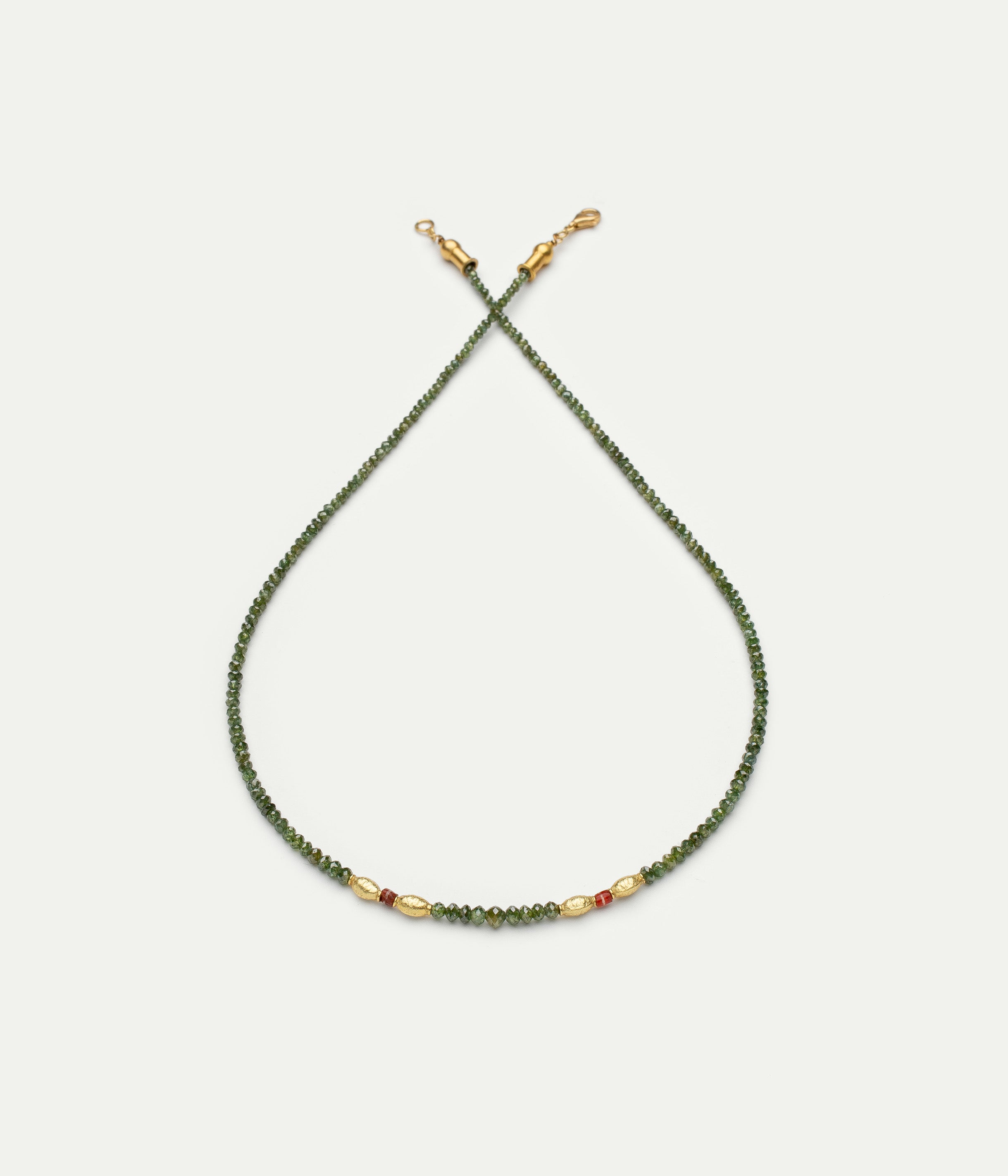

Collier Beads diamants verts et cornaline


Peach Cabochon tourmaline ring


Collier Arizona turquoise et agate
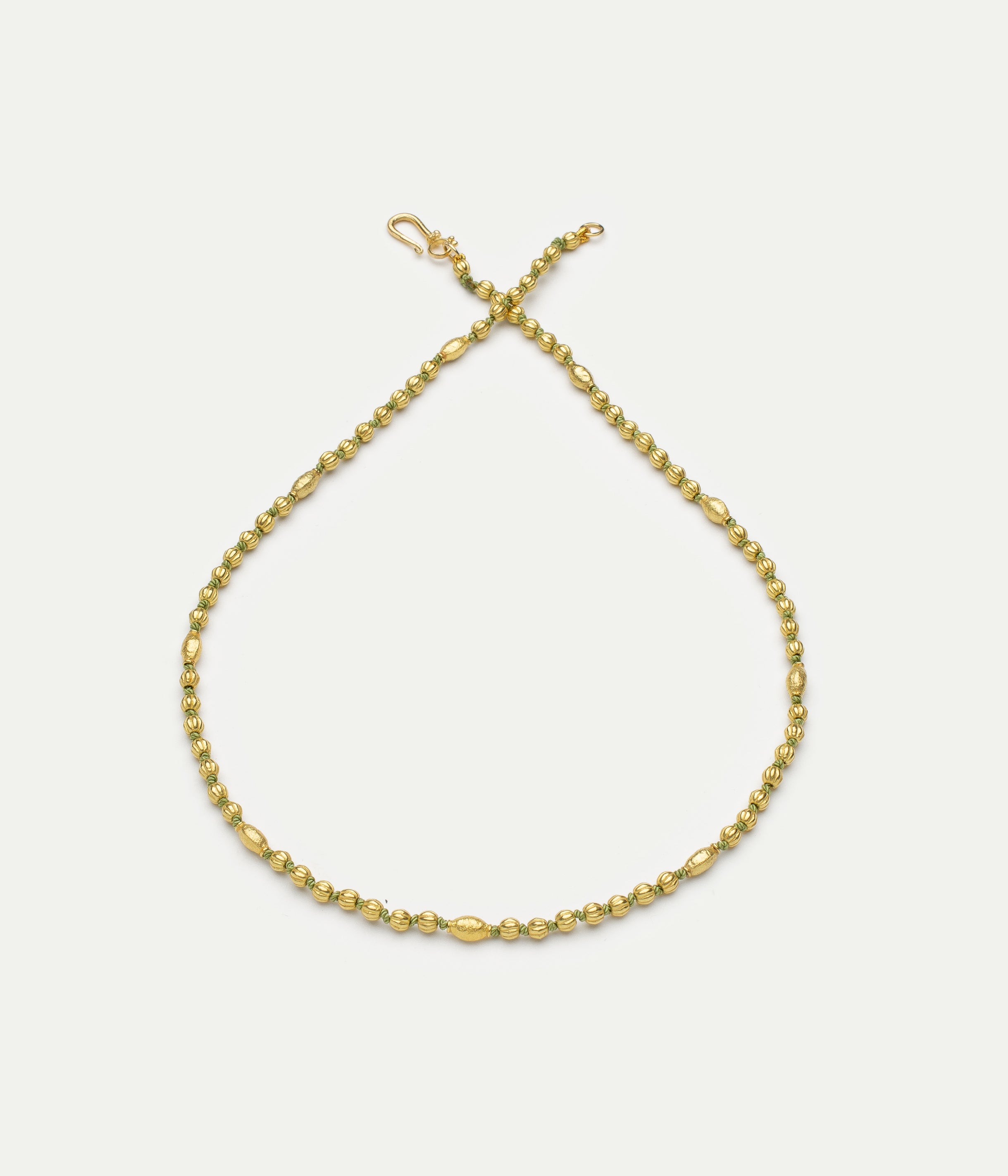

Collier Beads Knotted


Pendentif Antique Coin


Abeille yellow gold and diamond ring

Italian Cameo yellow gold and diamond pendant


Pear shaped yellow gold and brown diamond ring


Collier Goutte or jaune et rubis


Bague Pièce Romaine or jaune et argent
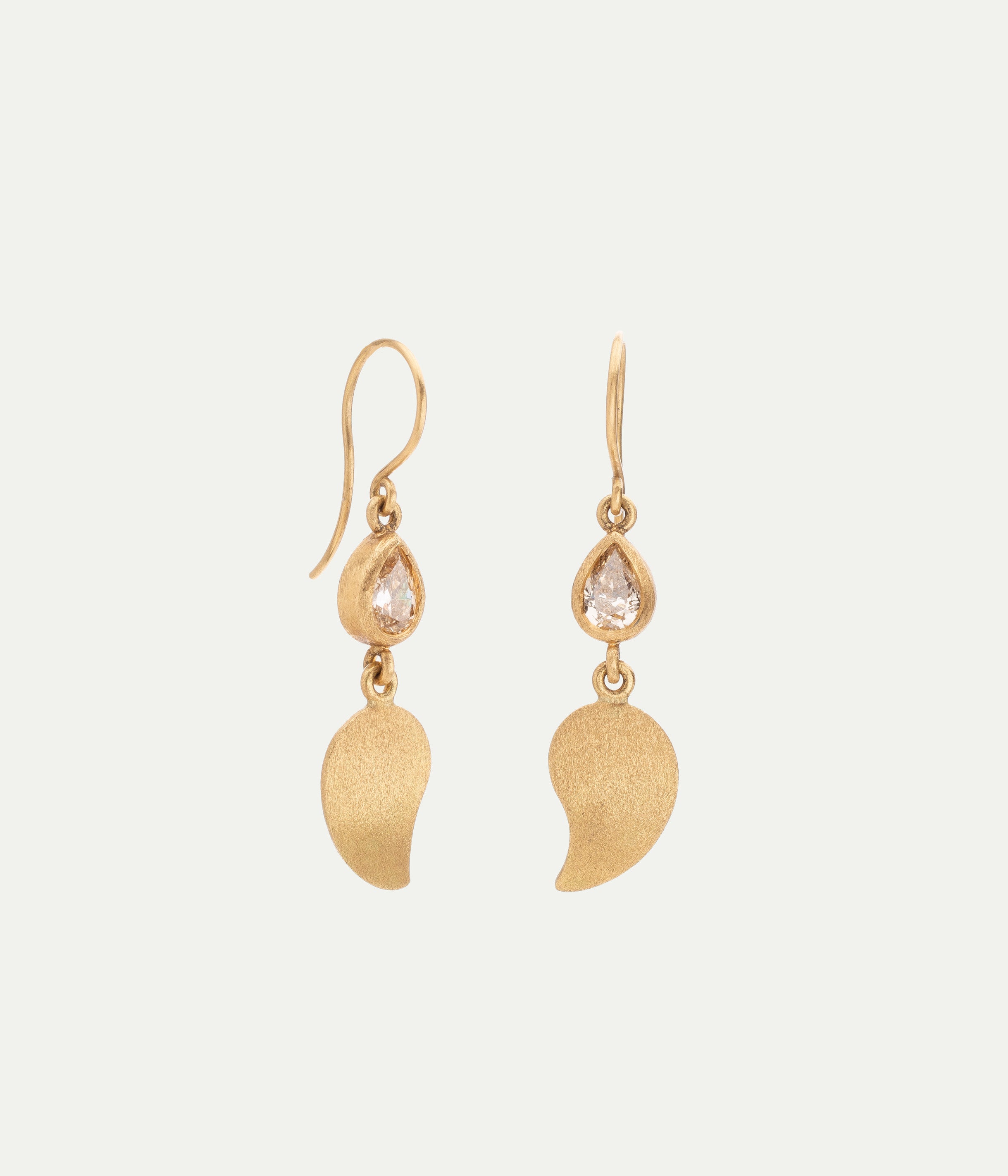

Paisley white diamonds earrings
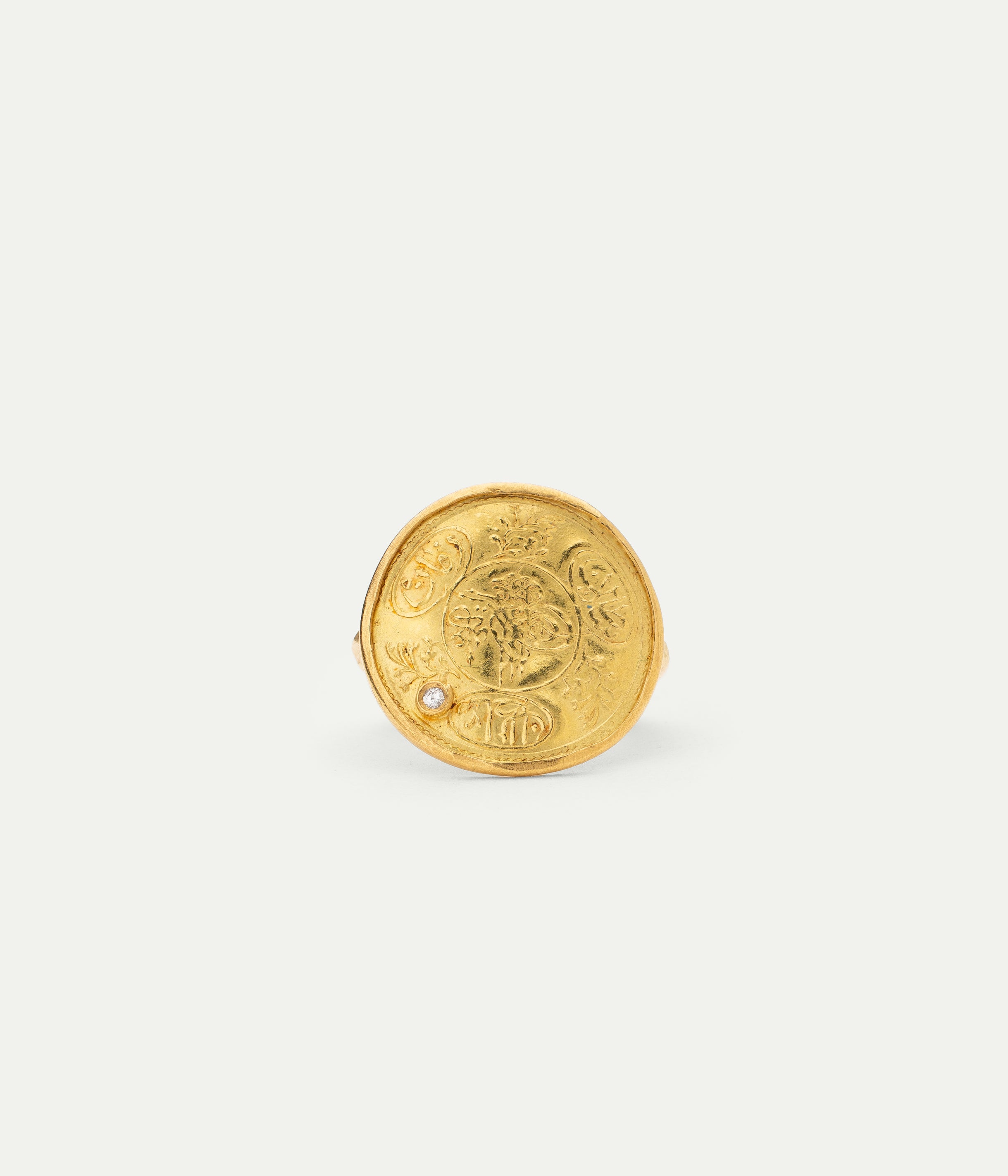
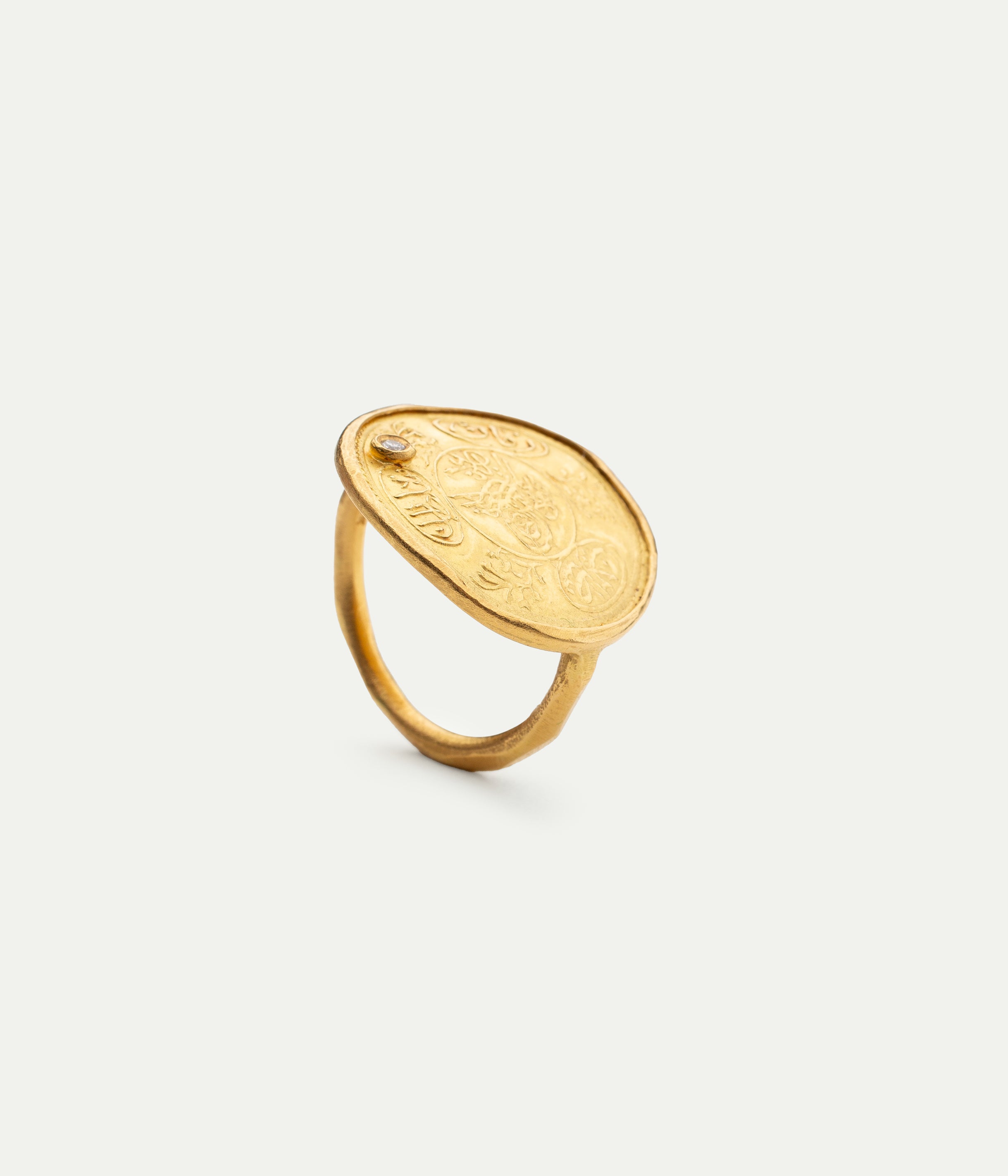
Ottoman coin one diamond ring


Indian coin yellow gold coin


Diamonds champagne ring


Calcedony necklace
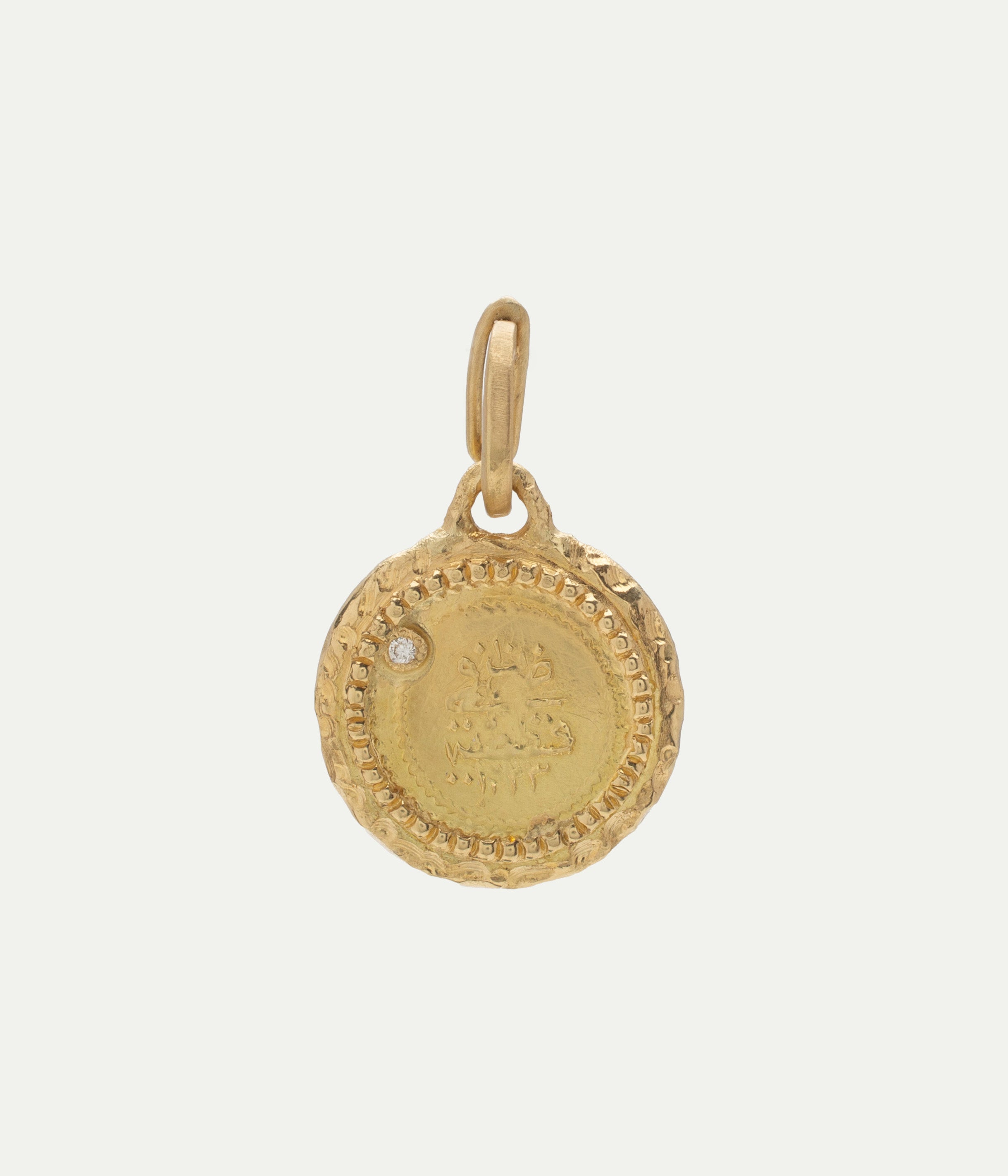

Antique Pendant
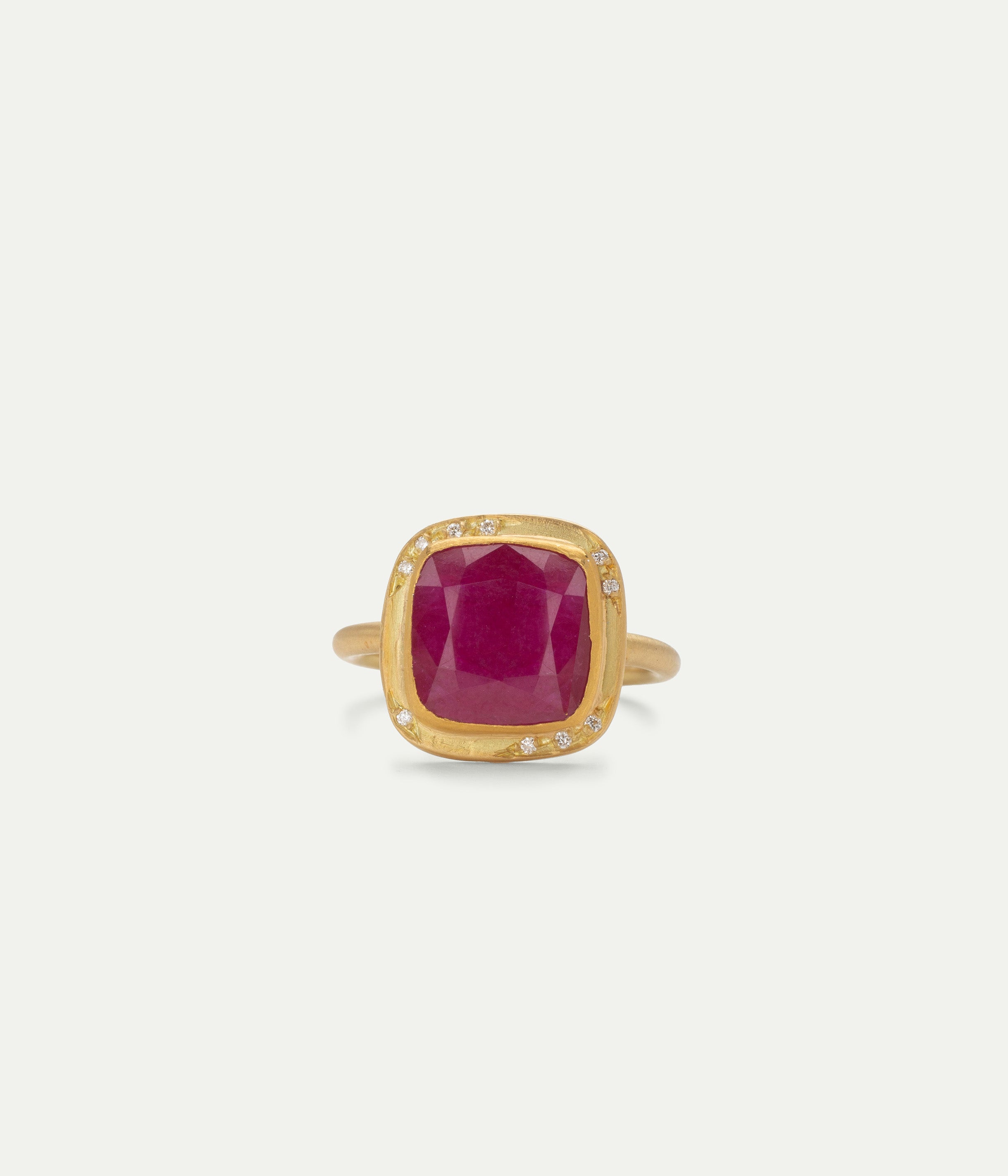

Mozambique Ruby Ring
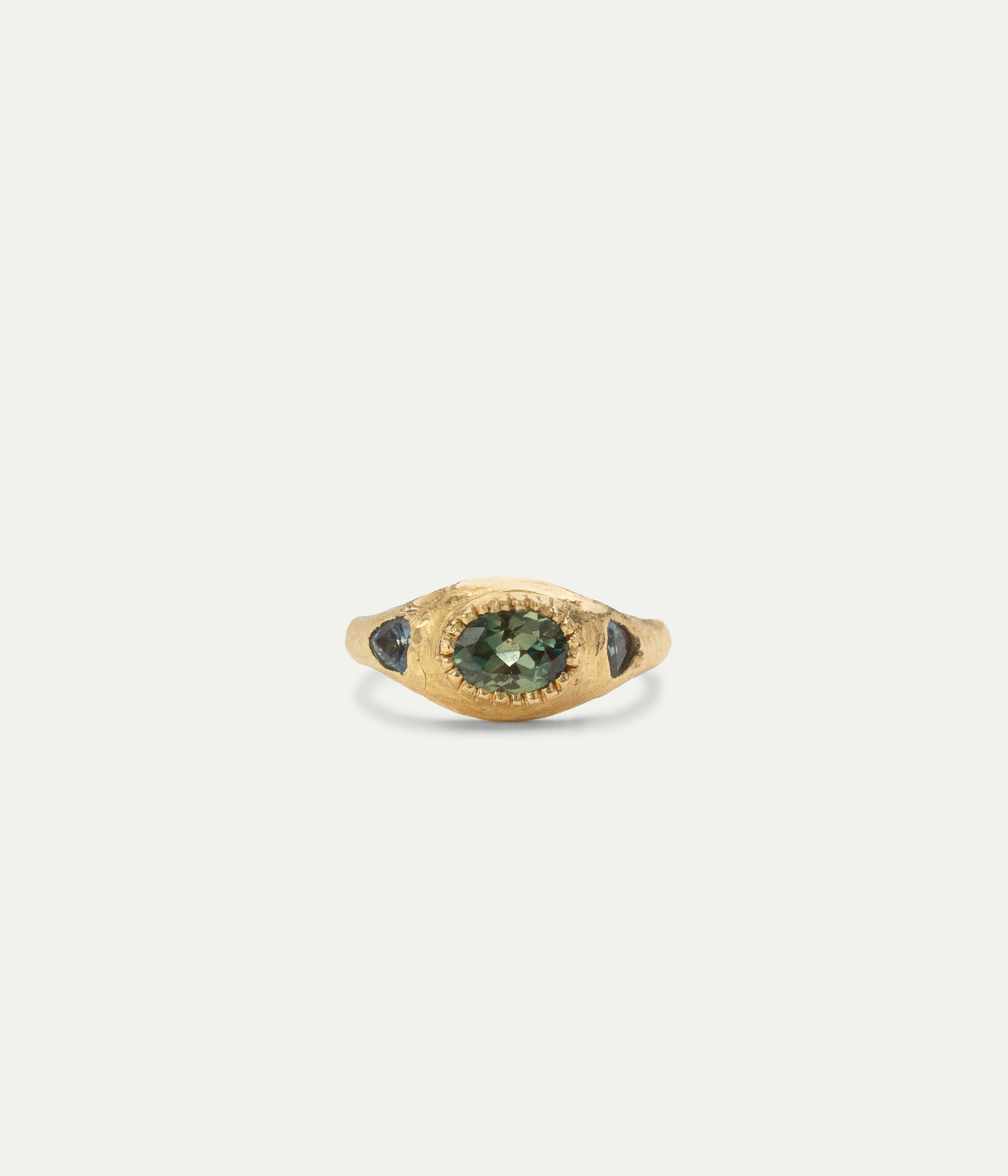
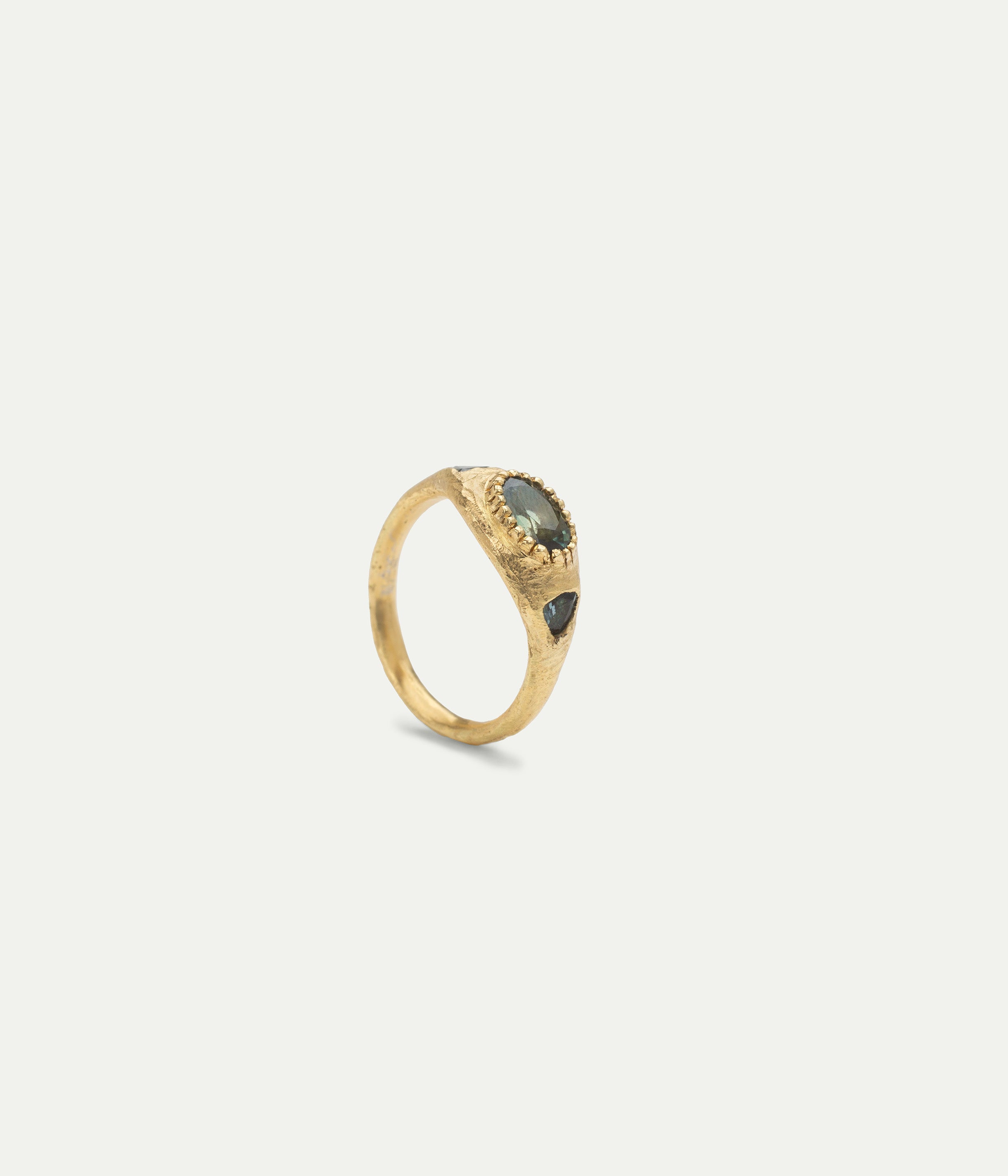
Australian Green Sapphire Ring
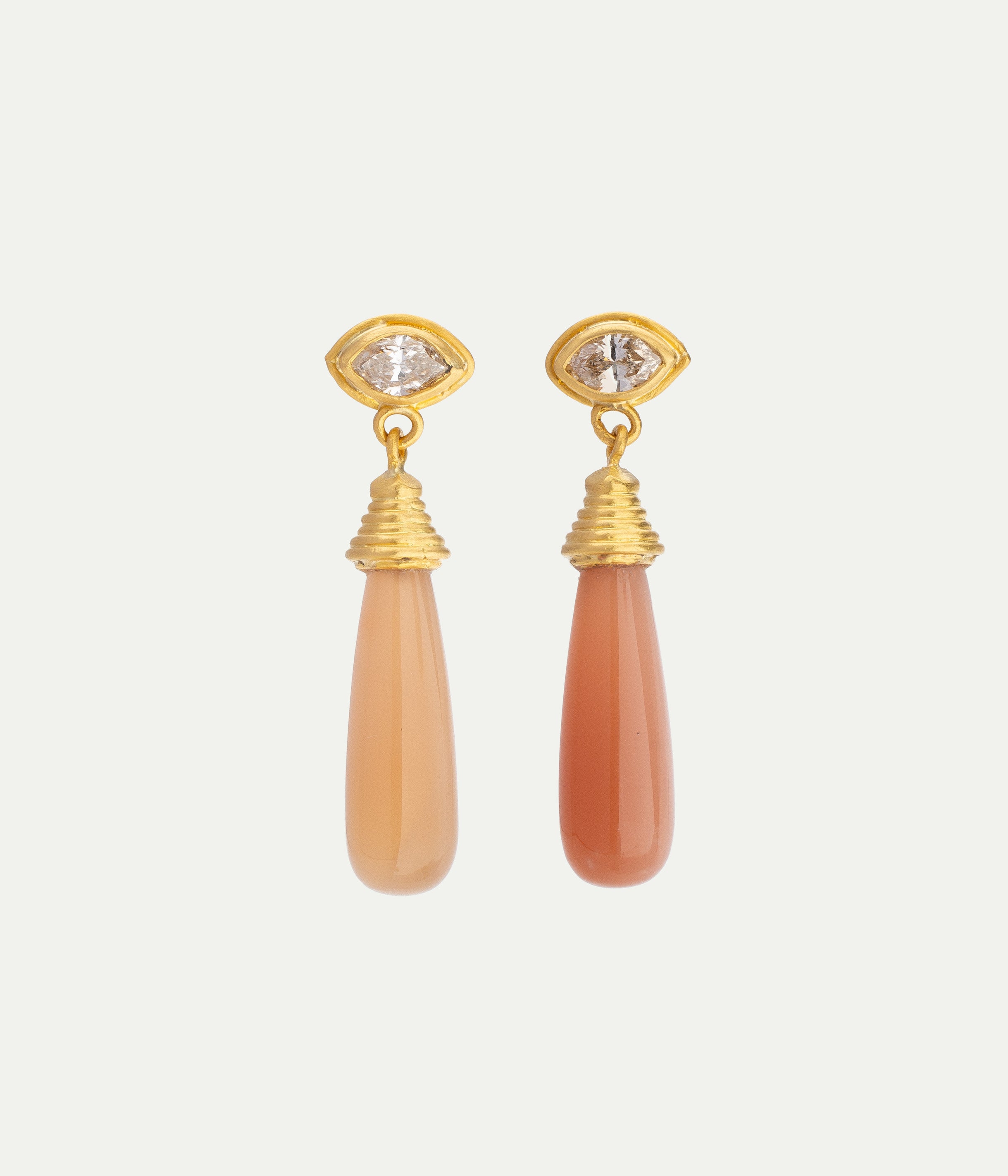

Marquises moonstone earrings
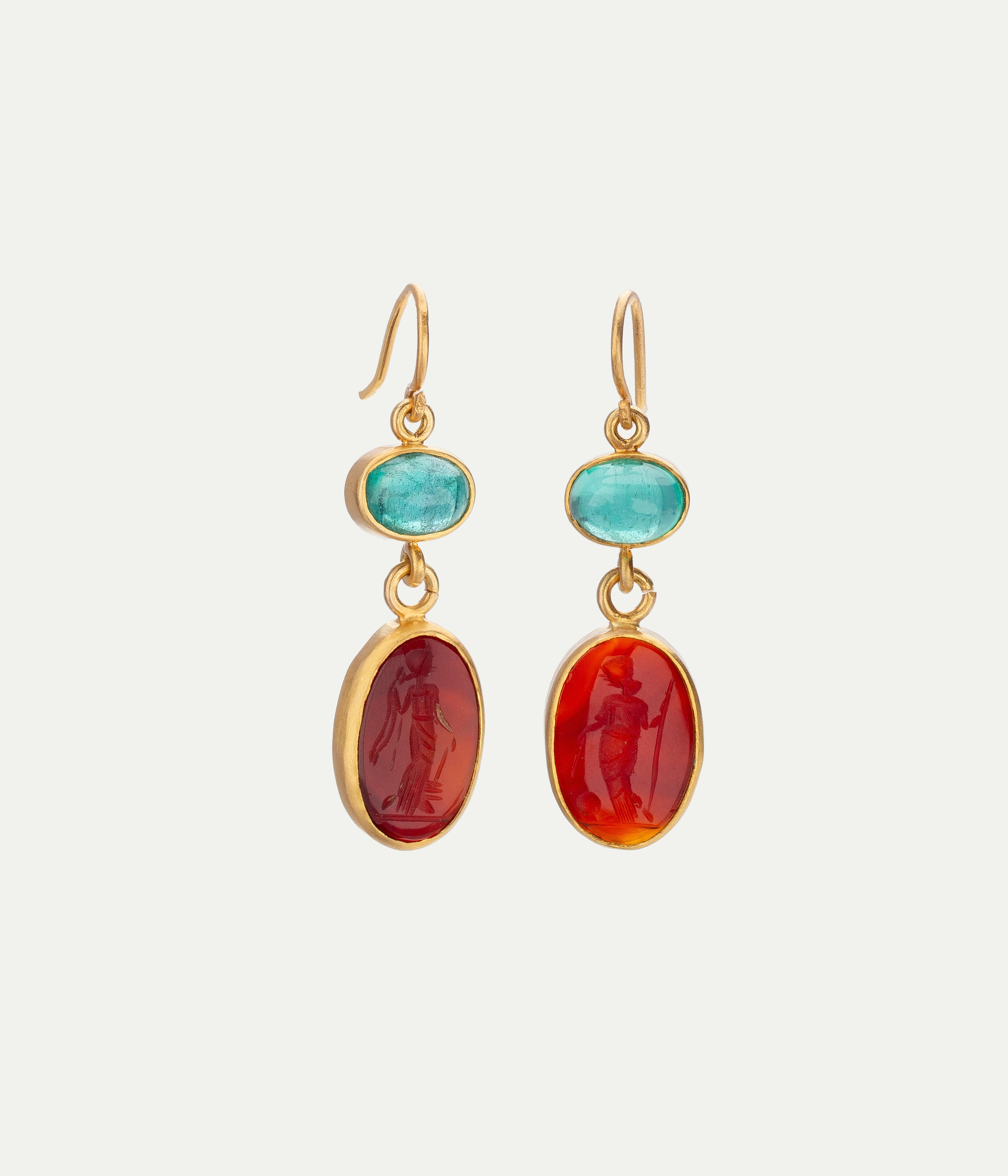

Italian Intaglio Cornelian earrings
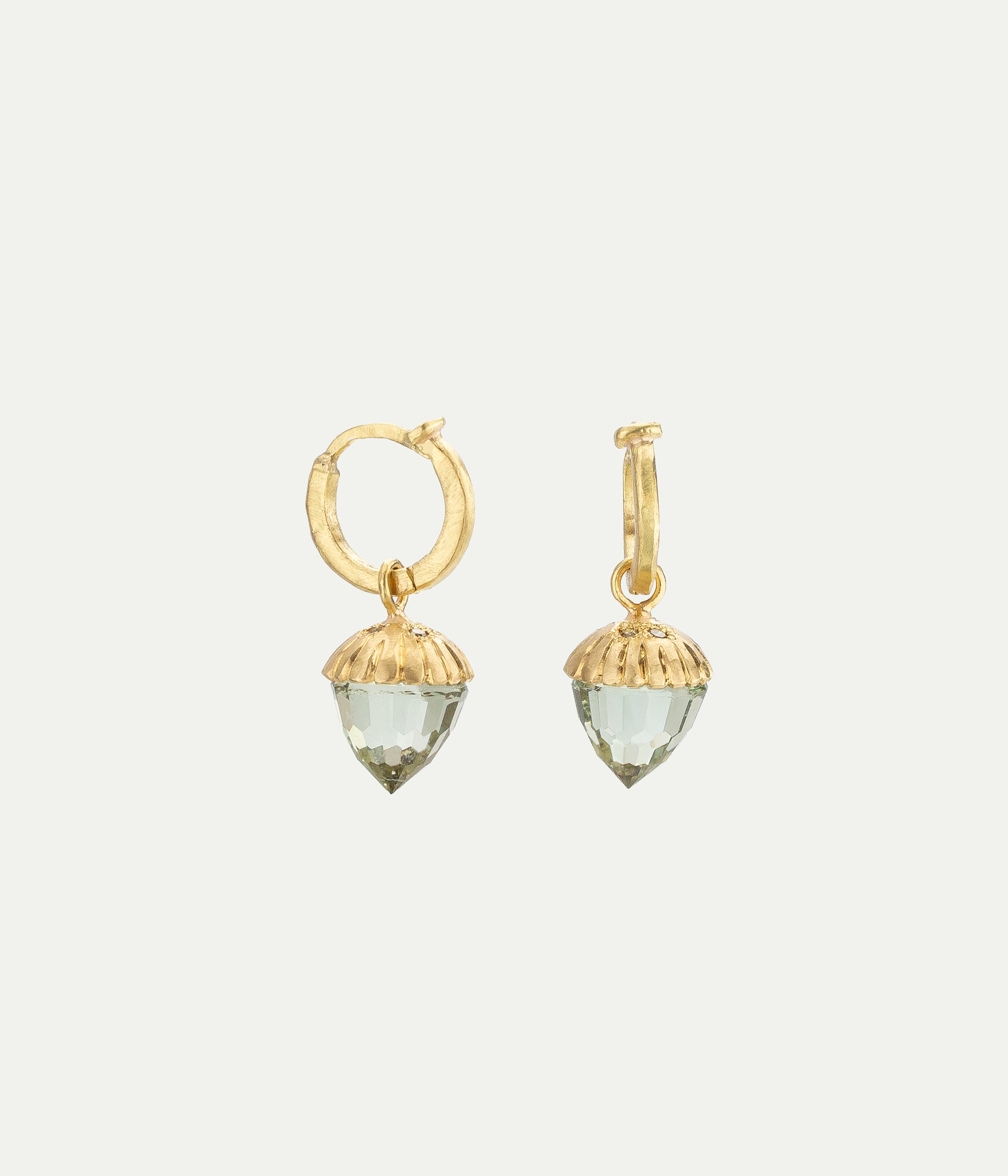

Briolette Prasiolite earrings


Antique Coin Turquoise Earrings
Antique Coin n°2 ring

Chrysoprase Lavender necklace

Roman Coin Cornelian Necklace
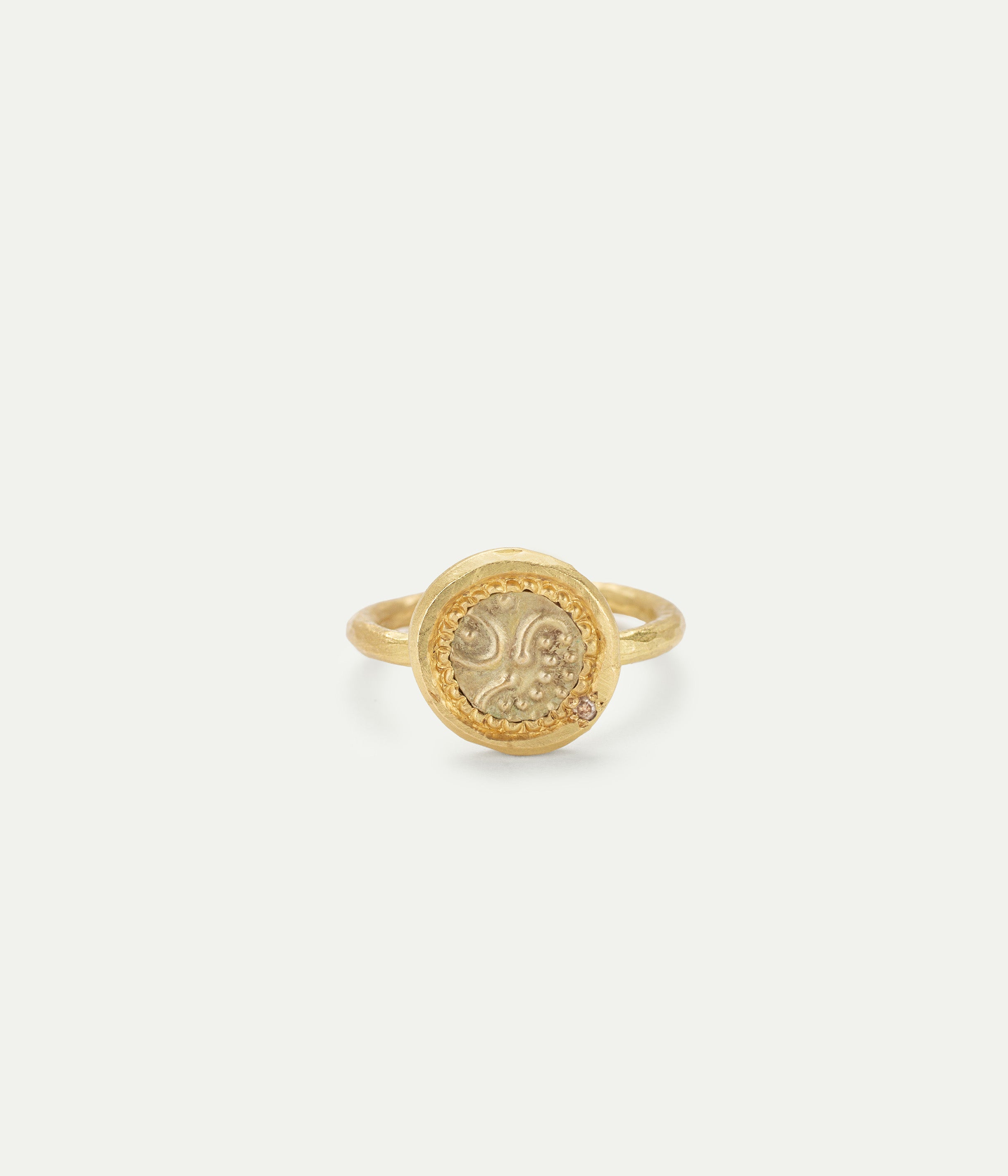
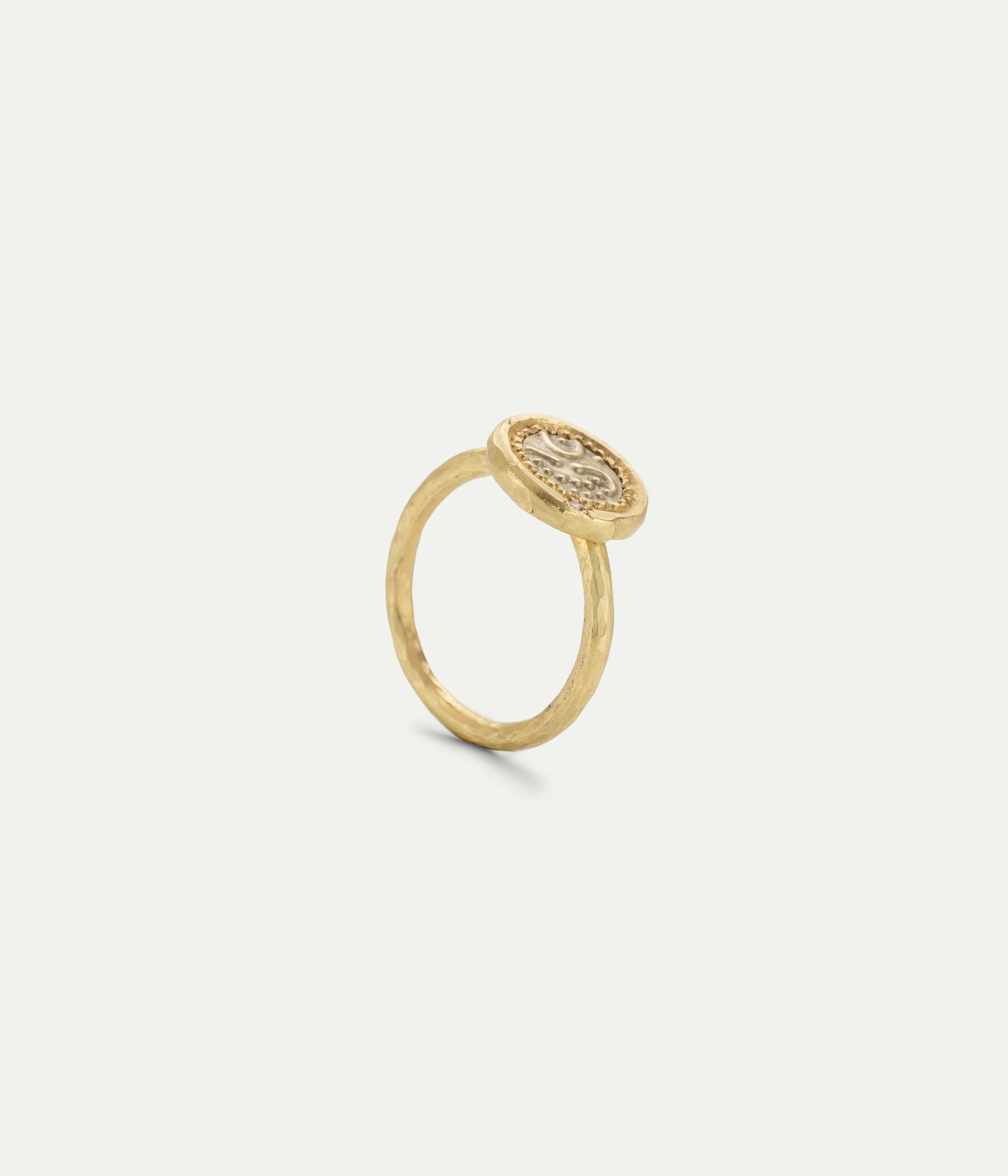
Antique Coin n°3 ring
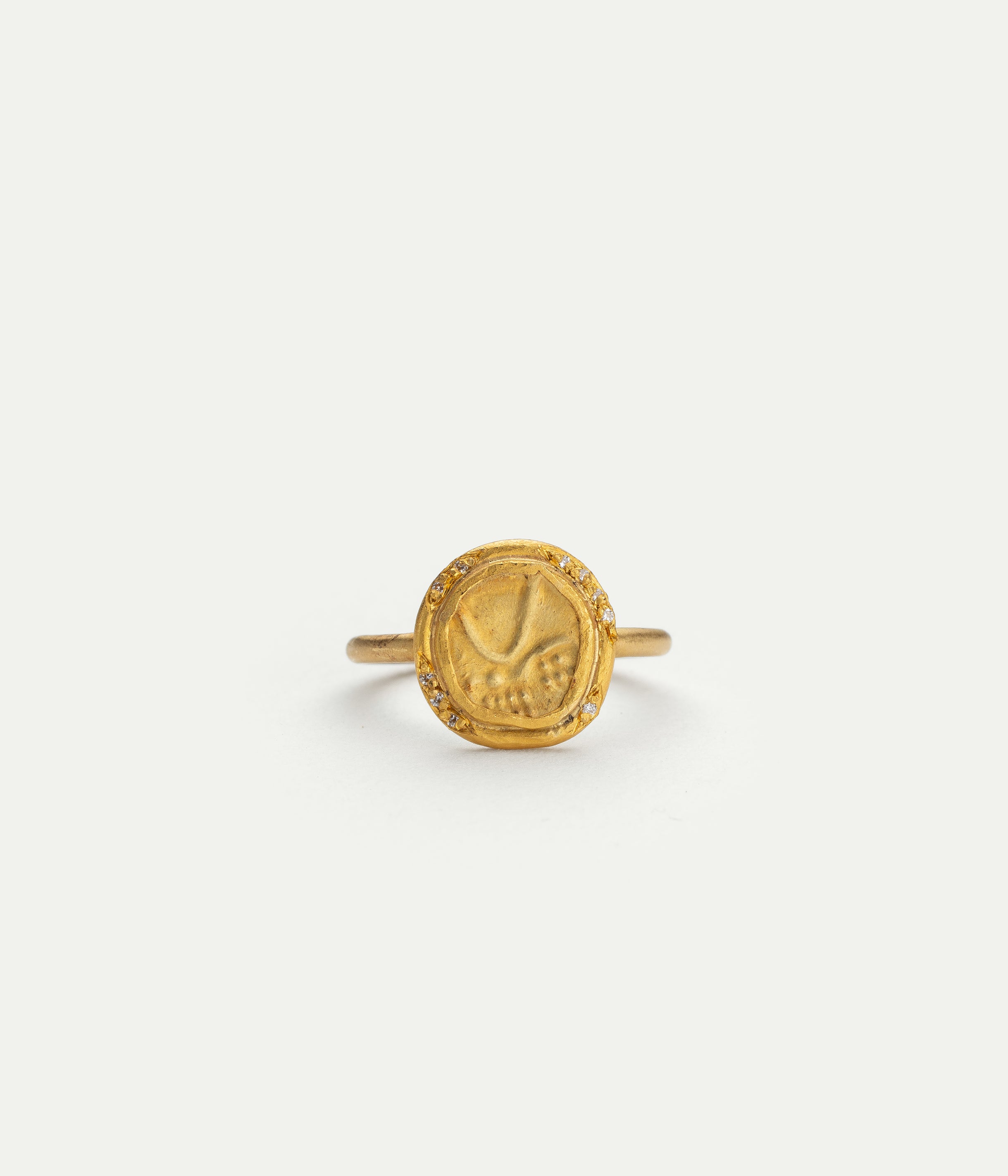

Antique Coin n°1 ring
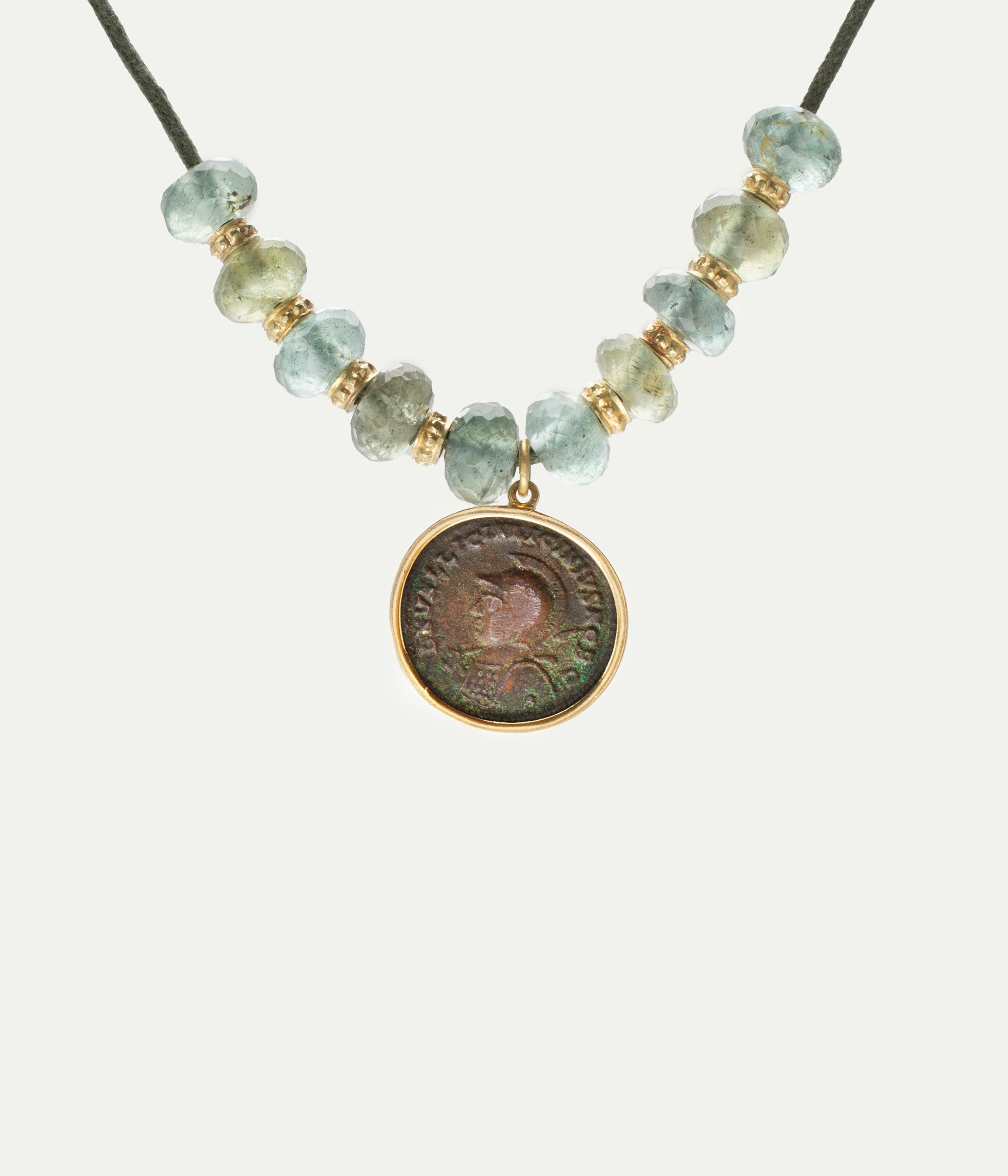

Antique Bronze Coin Aquamarine Necklace


Green Leaf Peridot ring
Antique Bronze Coin ring
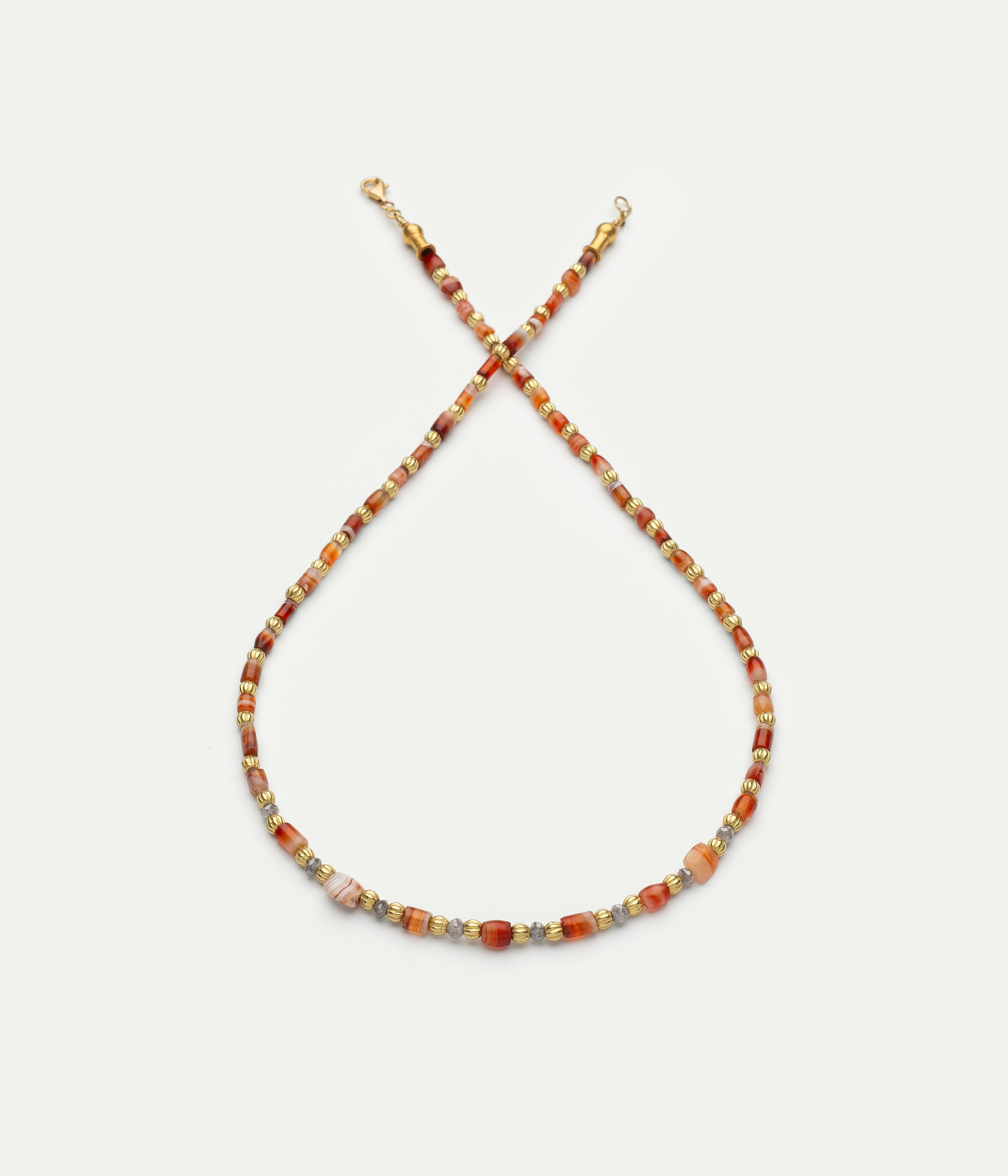

Collier Cornelian Beads
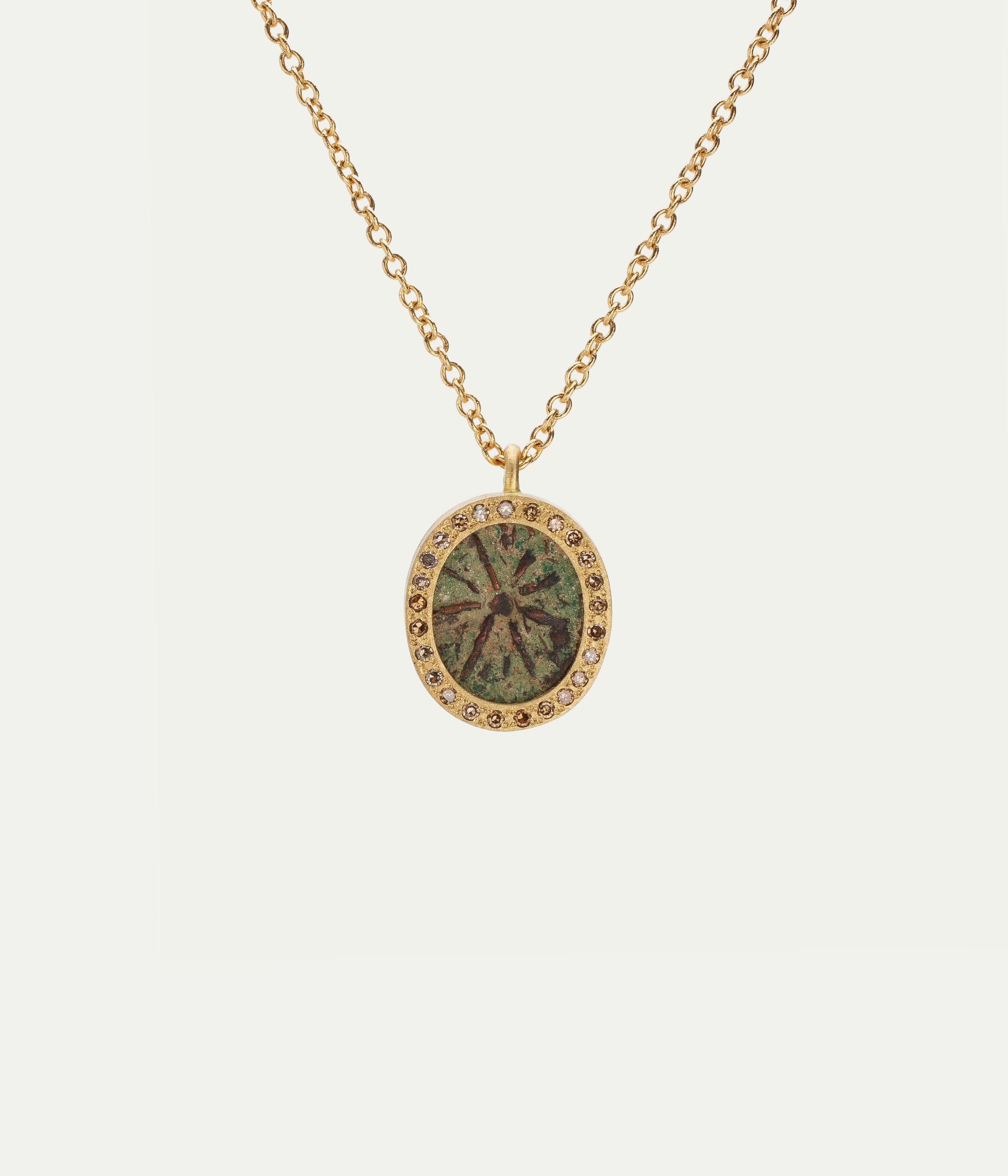

Collier Antique Bronze Biblical diamants
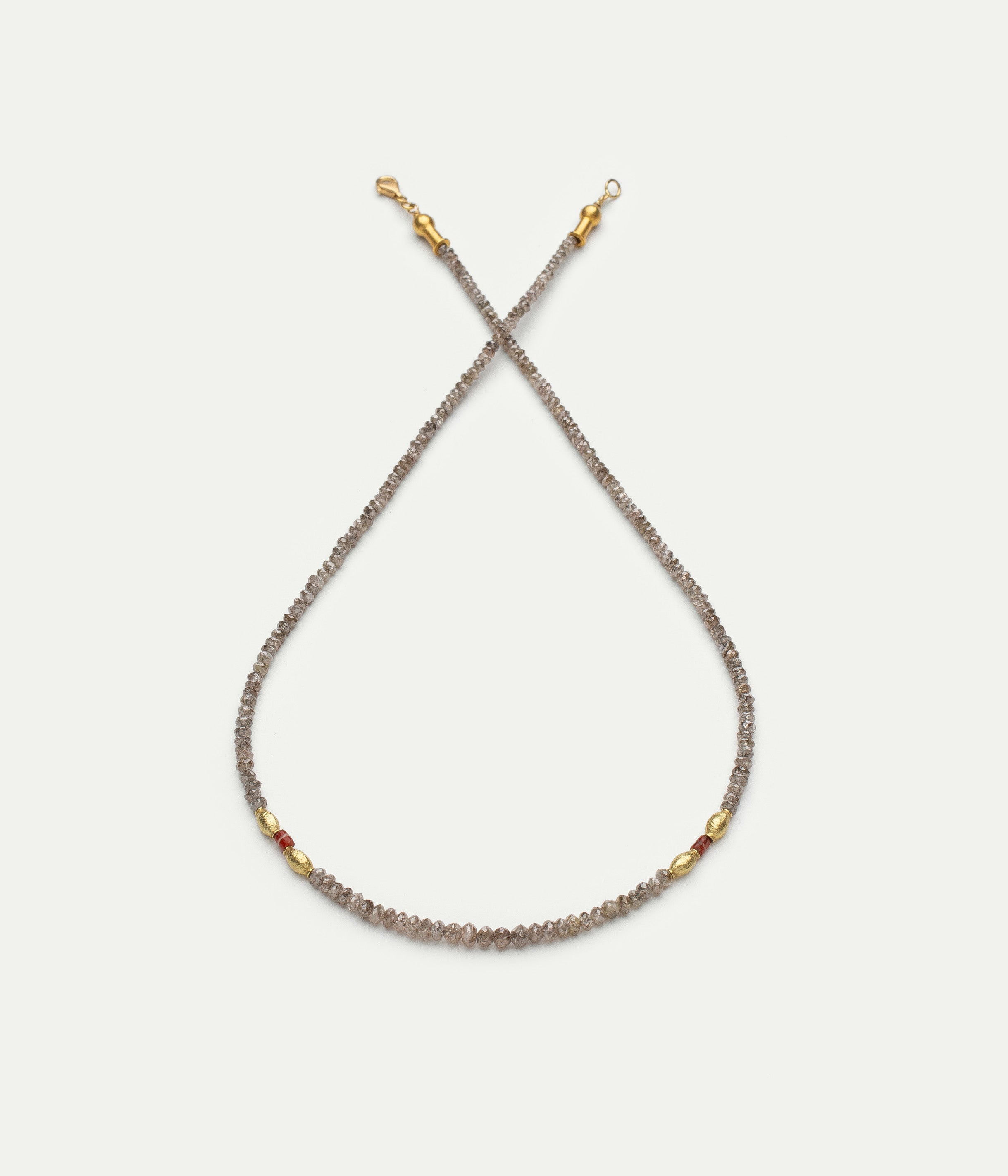

Collier Beads diamants gris et cornaline
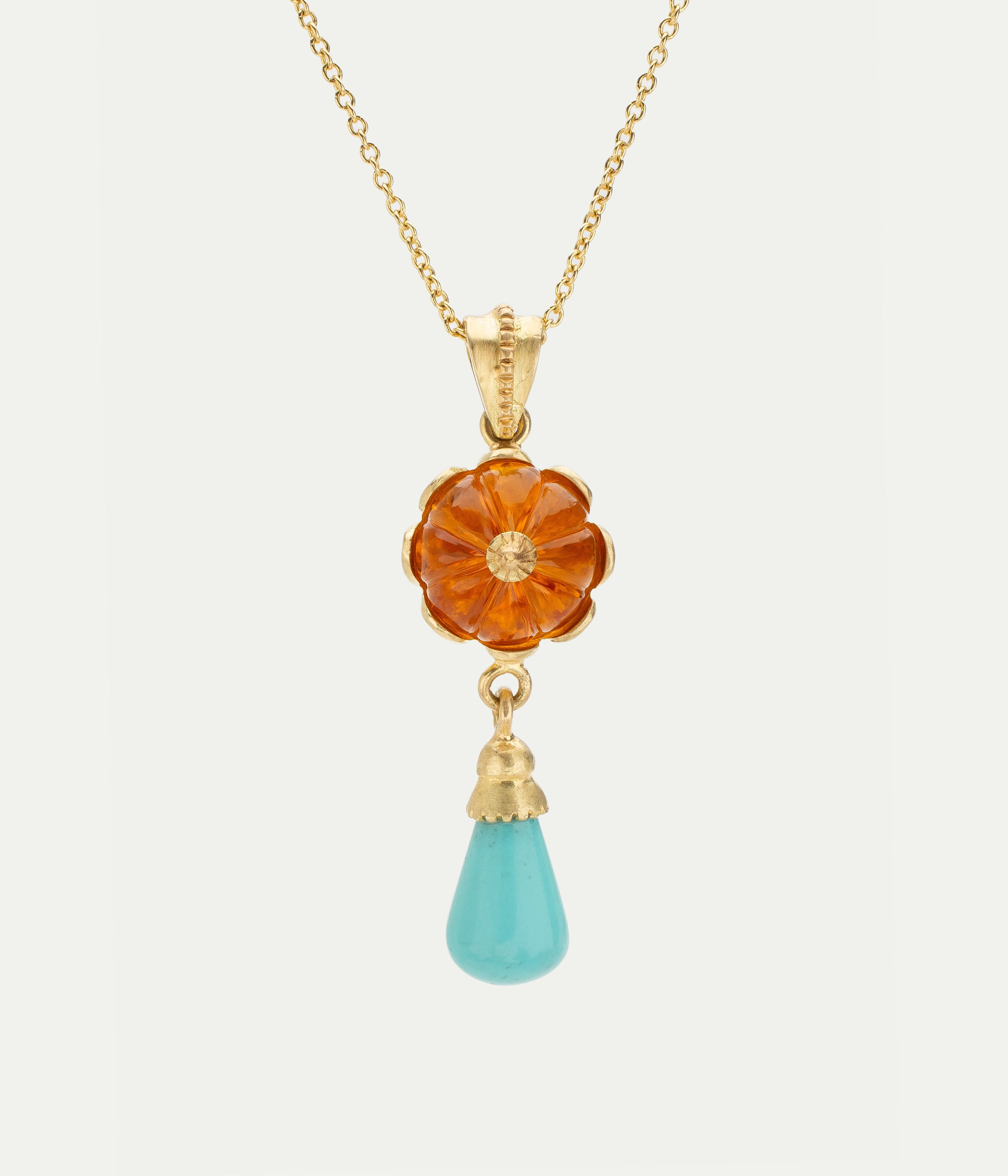

Collier Pumkin citrine et turquoise
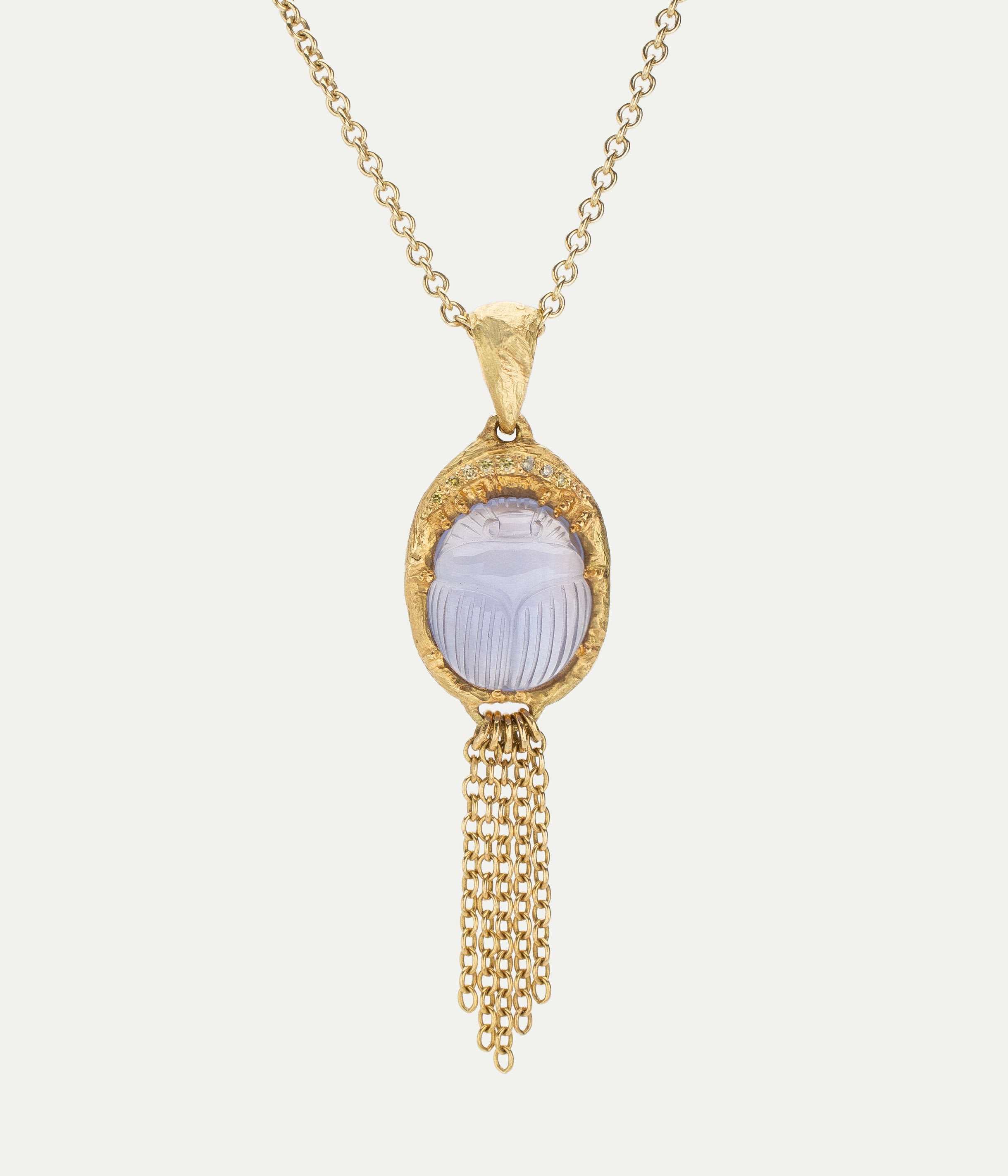

Collier Scarabe Calcédoine


Bracelet Ottoman Coin diamants
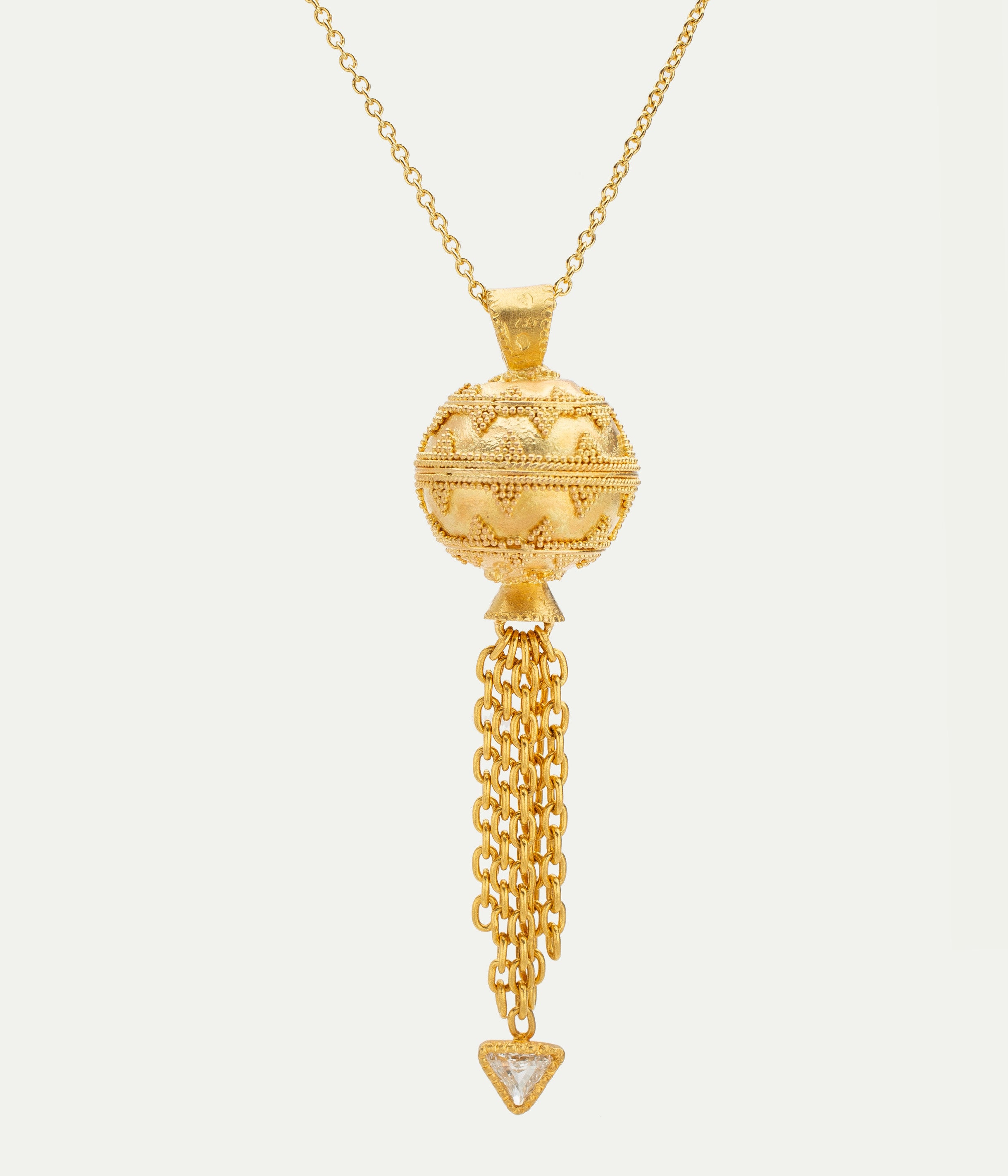

Collier Granulation Sphere diamant


Pendentif Italian Intaglio Cornaline


Pendentif Seal diamants


Bracelet Bronze Roman Coin diamants
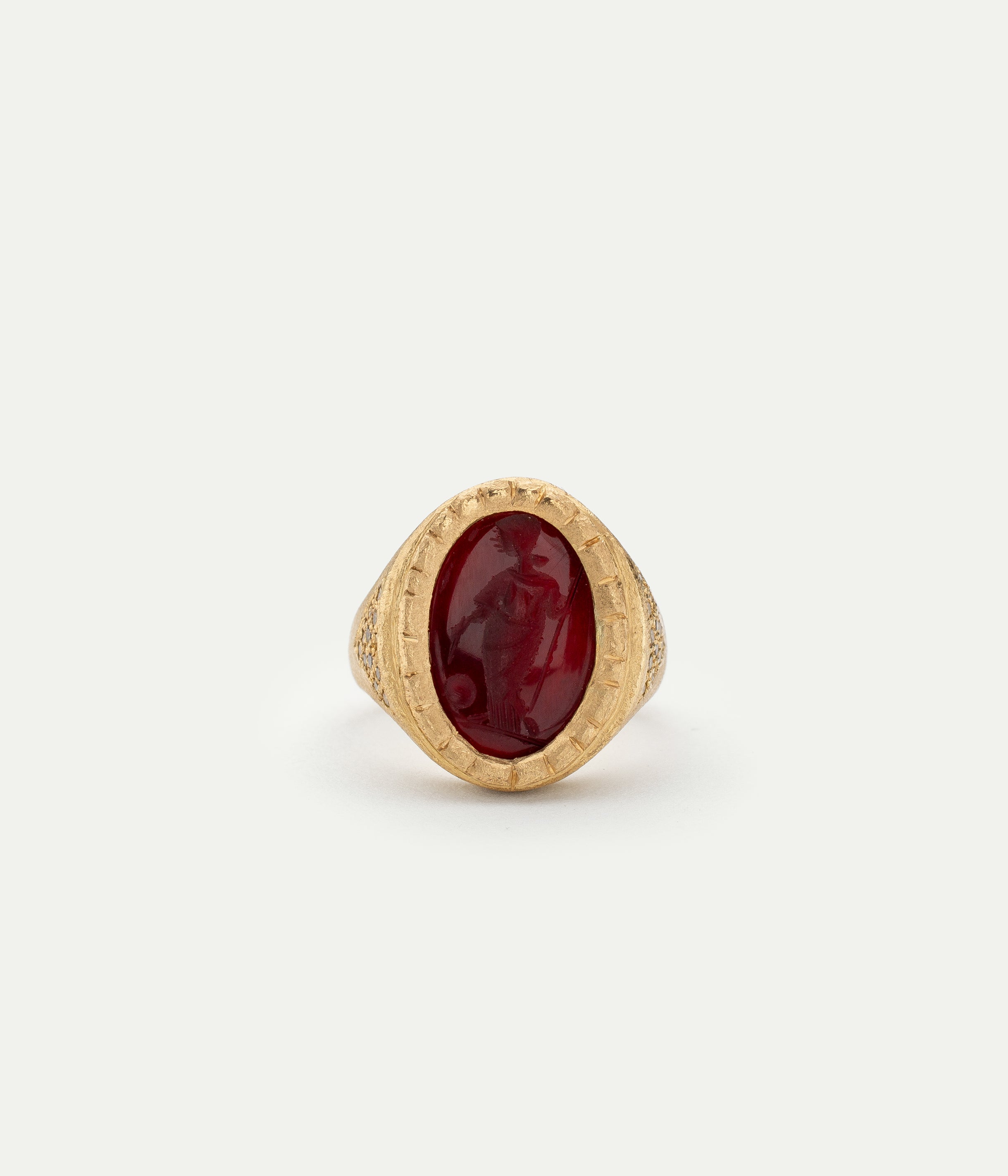

Italian Intaglio cornelian Ring

Taking care of your jewels
Pieces of jewelry are delicate little objects. Even if they are made of resistant materials in order to be worn every day, it is still important to follow some general advice for them to keep their original beauty.
Frequently asked questions
Looking for a quick answer? You’ll find detailed information on our Payment, Delivery and Returns & Exchanges pages. If you need any further assistance, our team will be happy to help — feel free to contact us using the form below.
Yes. We ship worldwide from Paris with trusted carriers such as DHL Express or Colissimo. Delivery options and fees are calculated at checkout according to your destination and the value of your order.
- France: Colissimo for orders up to €1,000, DHL Express above.
- European Union: Prices are calculated with local VAT applied at checkout, based on the delivery address.
- United Kingdom & United States: Import duties and VAT are included. No additional charges upon delivery.
- For deliveries outside the European Union, customs procedures may apply depending on the destination.
Orders can be collected in one of our Paris boutiques, or shipped to your address.
- In-stock pieces are usually dispatched within 2 to 5 business days.
- Delivery times vary depending on destination and carrier.
- For made-to-order or special pieces, production delays are indicated on the product page.
You will receive a confirmation email with tracking details as soon as your order is shipped.
Yes. If your piece does not fully suit you, you may request a return or exchange:
- Within 14 days of receipt (28 days for deliveries to the USA)
- The piece must be unworn, unaltered, and returned in its original condition.
Please note that engraved, resized or custom-made pieces cannot be returned or refunded. Return shipping costs are at the customer’s expense; however, exchanged items are shipped free of charge within the European Union.
Our team is here to guide you. For questions about sizing, availability, gemstones or gifting, we offer personalised support by phone or email. You may also book a private video consultation (WhatsApp or FaceTime) to view pieces live, receive styling advice or explore a curated selection — just as you would in our boutiques.
- Tel : +33 (0)1 42 60 52 39
- Email : contact@whitebirdjewellery.com