

White gold
Gold stands out for its rarity and its ability to transform. White gold offers a contemporary interpretation of this precious metal: luminous, refined, and appreciated for its discreet elegance. Designers polish it, texture it and set it with diamonds or coloured stones, revealing a material that balances radiance with modernity.
The world’s major production hubs — China, Australia and Russia — remain central to gold extraction. Yet the absence of strict ethical standards has long complicated its use in jewellery. The Fairmined label, created in 2004, addresses this by guaranteeing traceability and supporting both social development and environmental protection. It allows jewellers to work with clean gold rather than conflict or chemically extracted gold.
Gold has accompanied human history since antiquity. Egyptians collected it along the Nile and elevated it through ceremonial adornments; centuries later, it became the centre of conquest in Europe and the catalyst of the American Gold Rush.
As a material, pure gold is too soft for jewellery. It must be alloyed — the level of purity measured in karats. France recognises 9k, 14k, and especially 18k gold, the latter composed of 75% pure gold and prized for its resistance, stability and hypoallergenic qualities.
To obtain white gold’s characteristic tone, the alloy naturally includes metals such as palladium or silver. Its understated colour has made it a favourite of contemporary designers who appreciate its ability to highlight diamonds and subtle textures without excess.


Suzanne white gold and diamonds Earcuff


Julie white gold small hoop


Julie white gold medium hoop


Twelve diamonds white gold ring
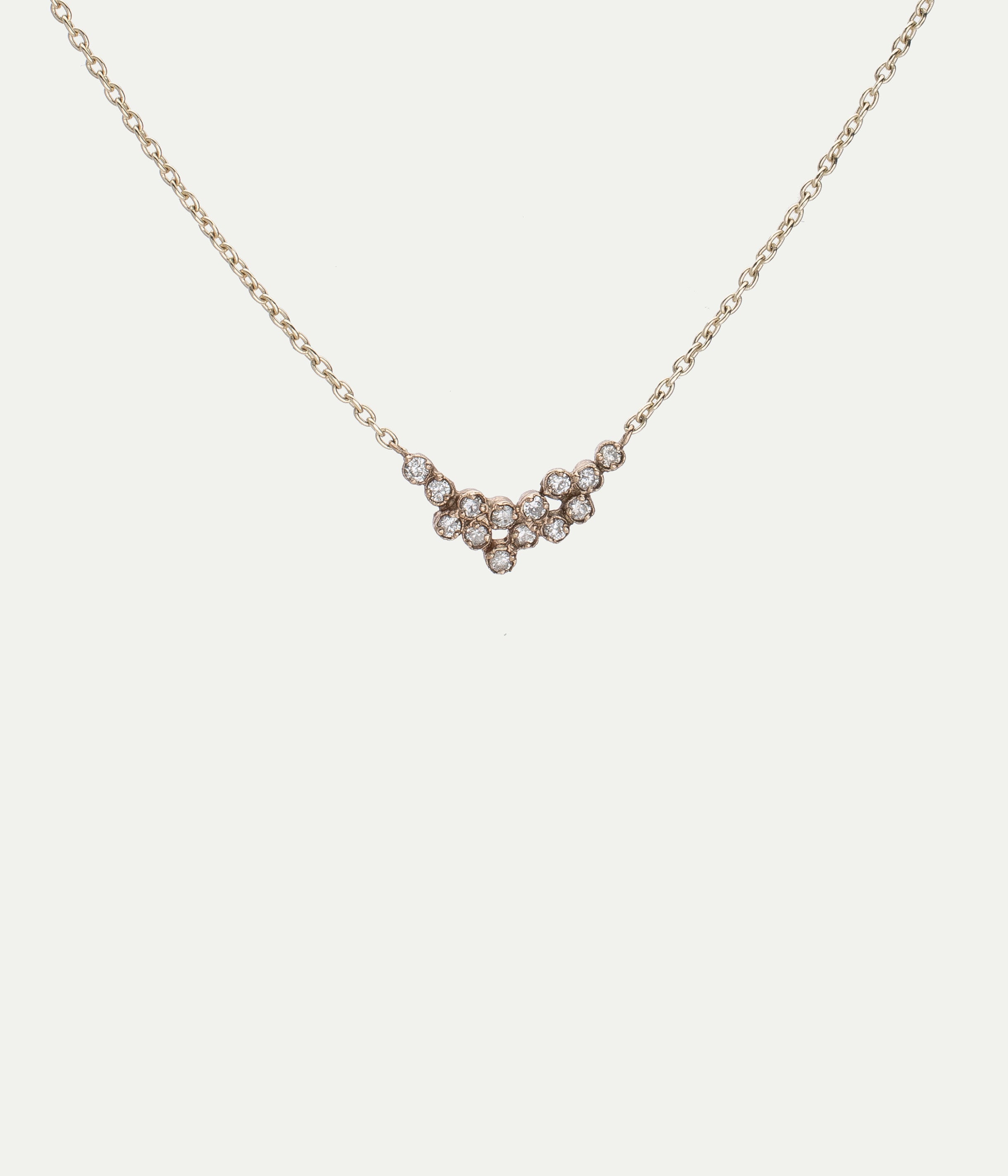

Cluster White gold and diamonds necklace


Joséphine white gold and diamonds earcuff


Julie white gold large hoop


White gold Clarisse Rich Bracelet with 8 diamonds


White gold Studs diamonds earrings
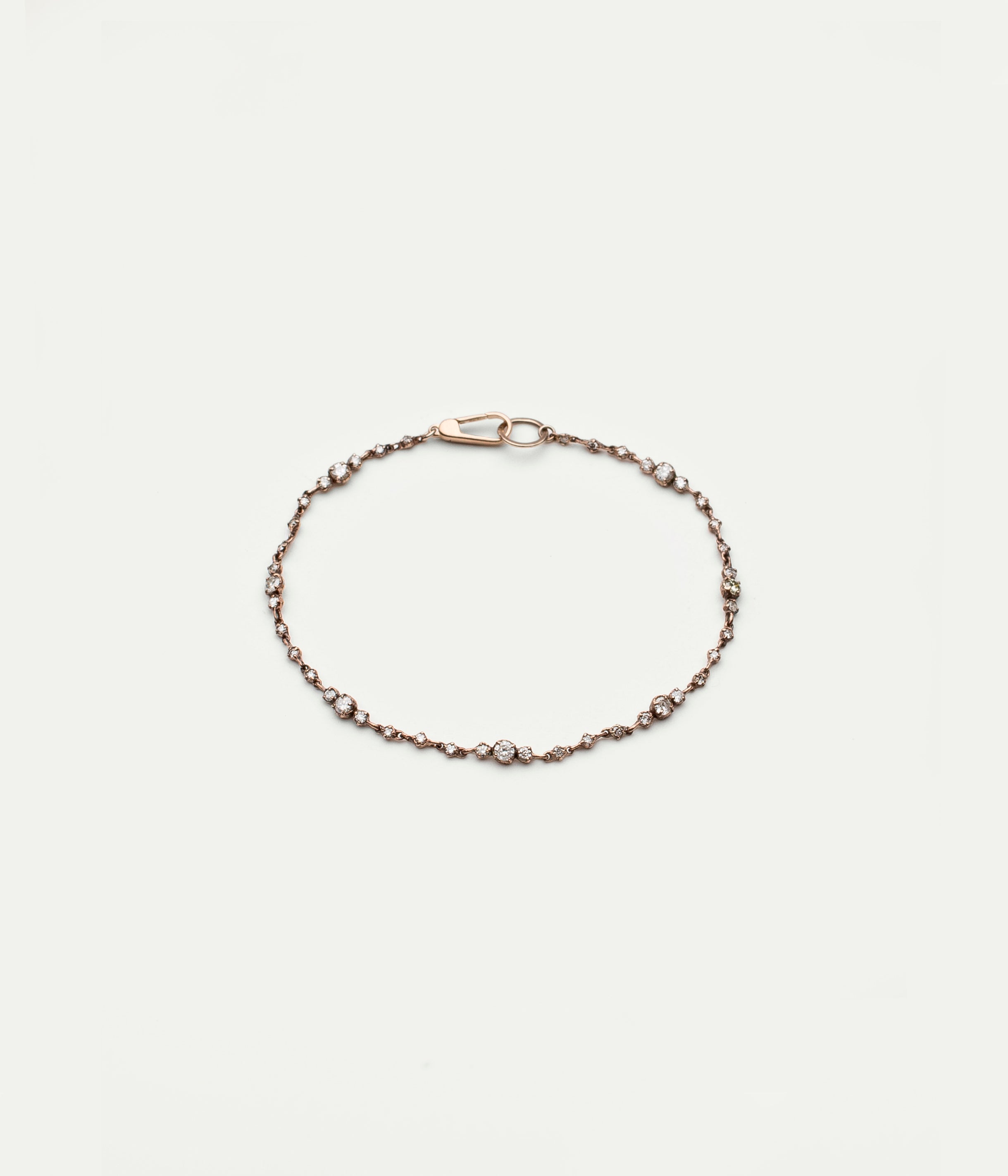

Trio white gold and diamonds bracelet


Suzanne white gold earcuff


Margot White Gold and Diamonds Small hoop
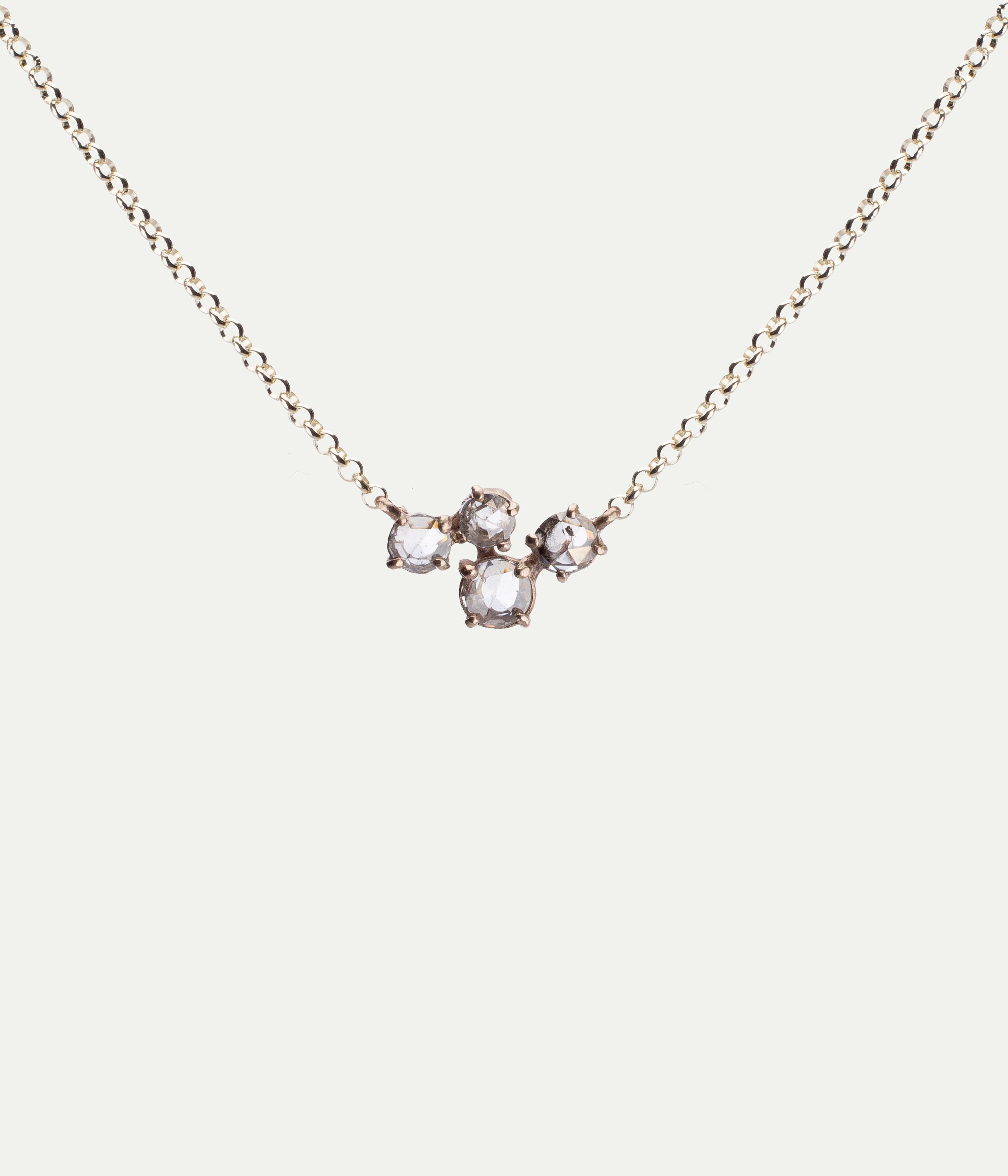

Shimmer white gold and diamonds necklace


Double White Gold and Diamond Ring
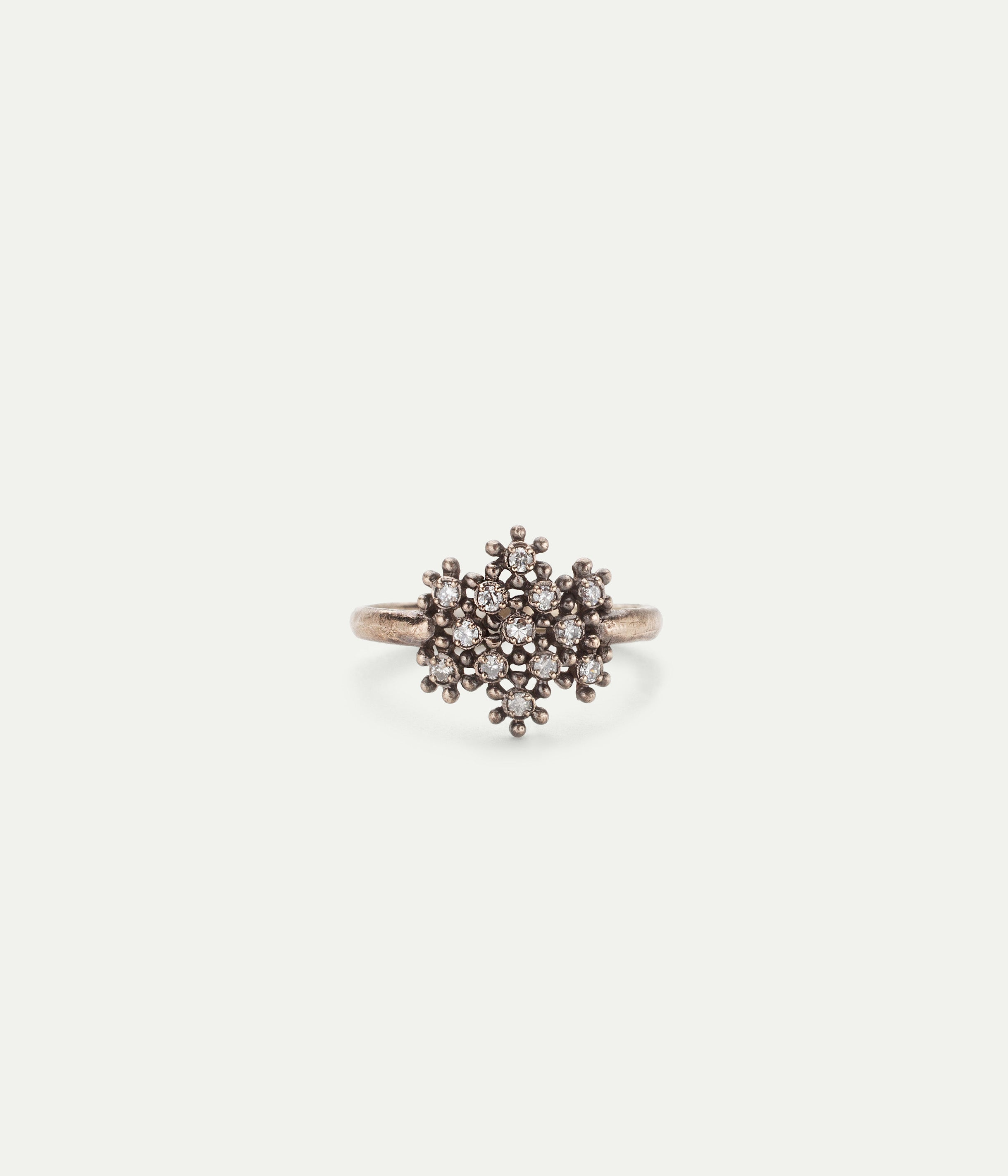

Neige white gold and diamonds ring


Rosée small white gold and diamonds necklace
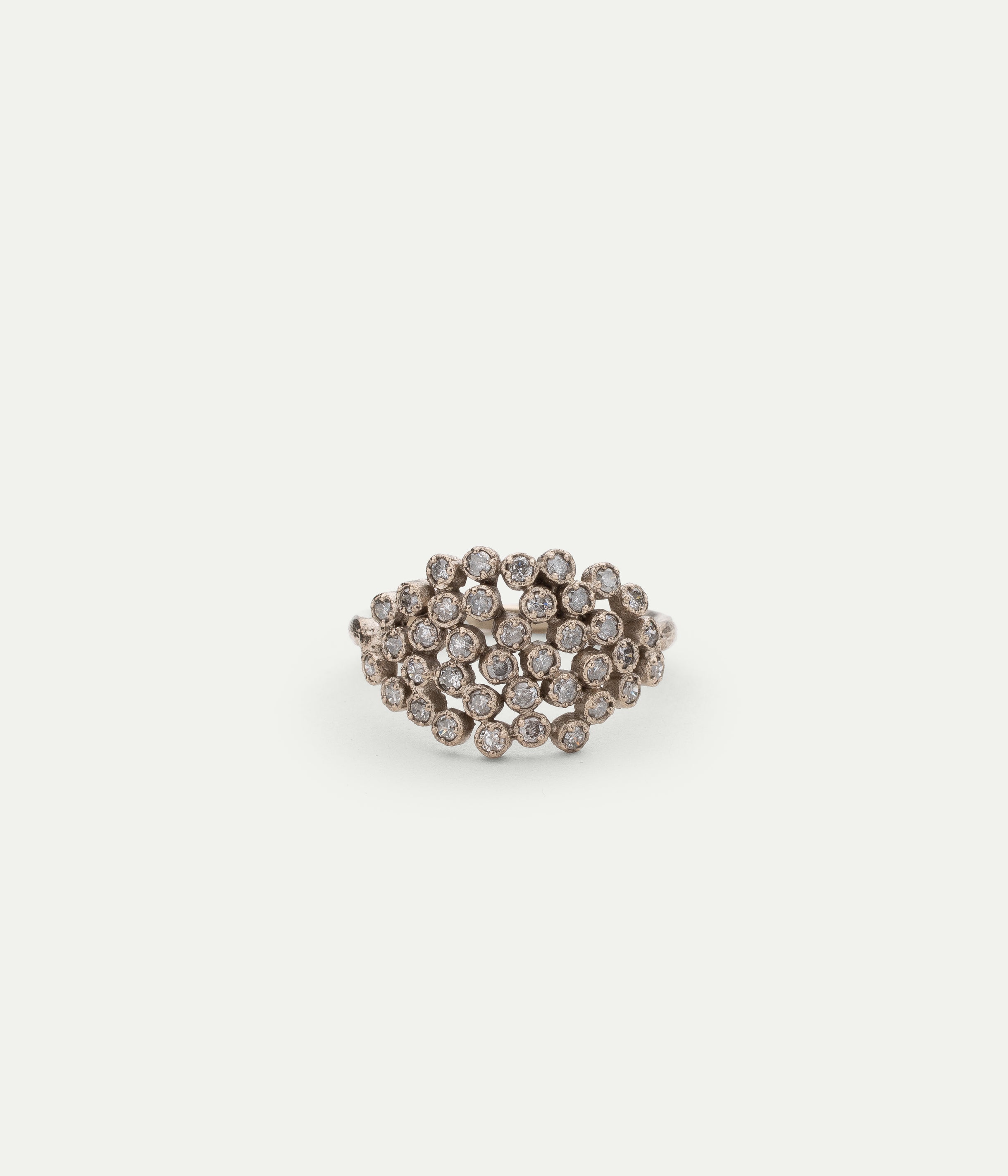
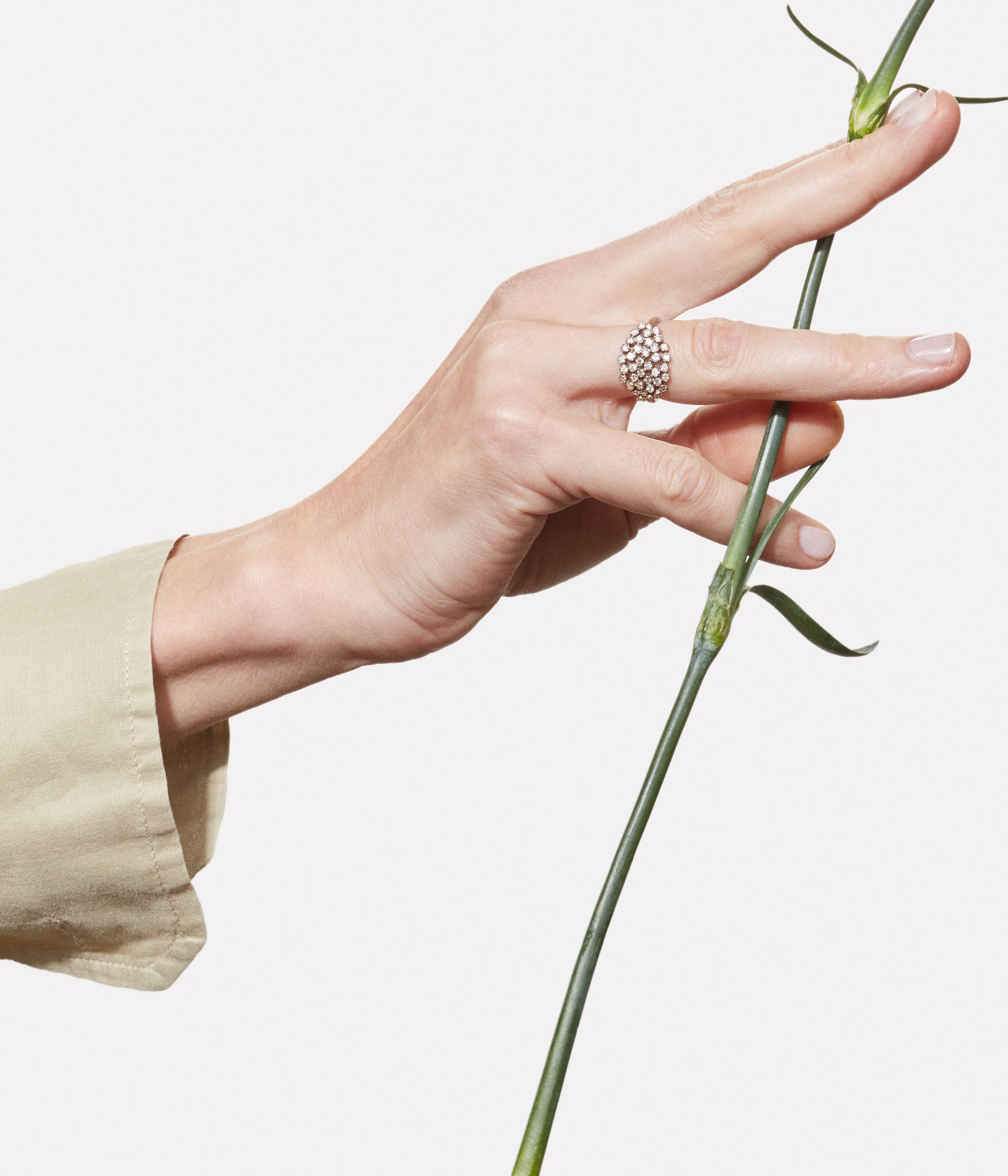
Nuage white gold and diamonds ring


Solange rich white gold diamond band


Justine White Gold and Diamond Large hoop


Justine white gold and diamond medium hoop
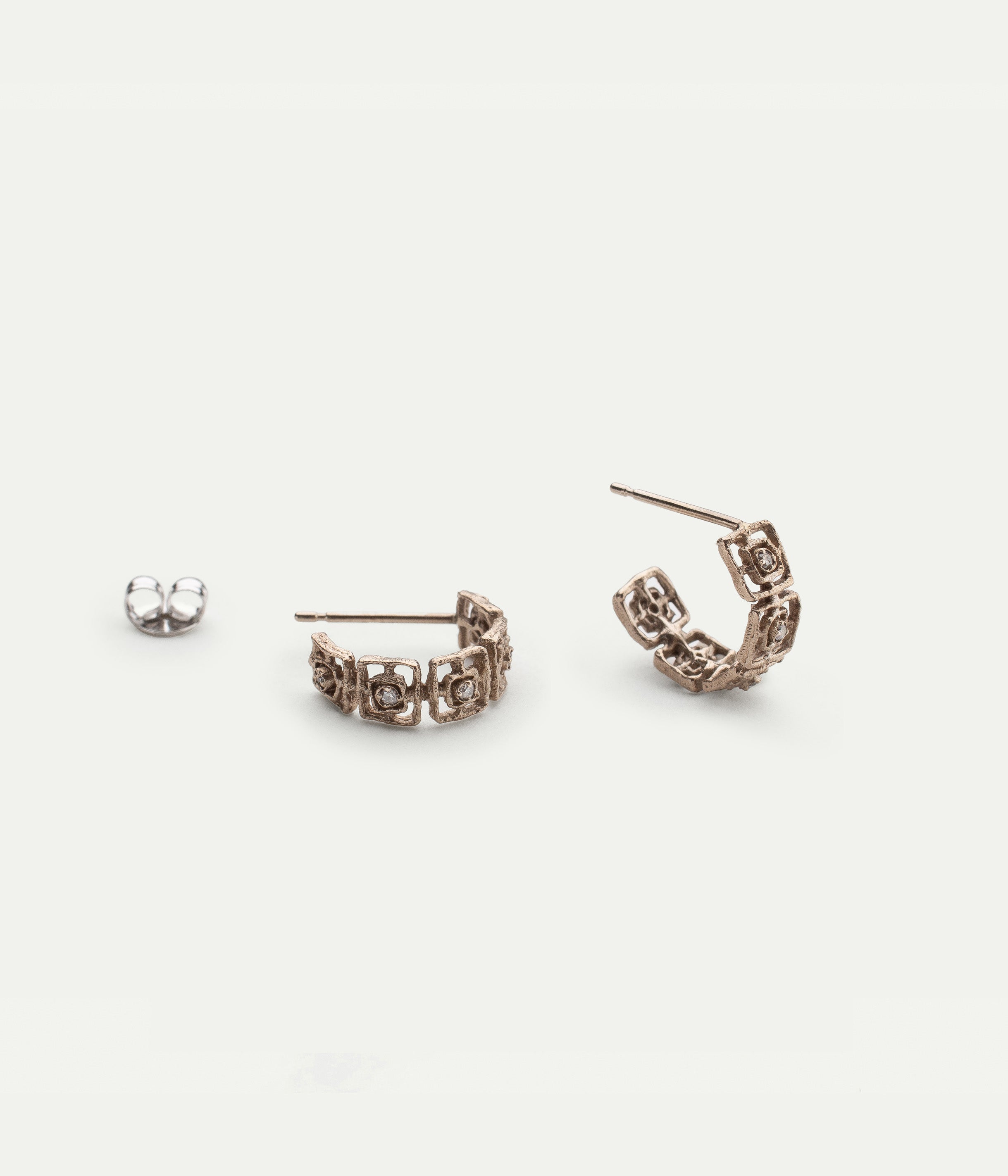

Maze white gold and diamonds earrings


Gunilla white gold and diamond ring


Pleiades diamond ring


Paulette white gold diamond bracelet
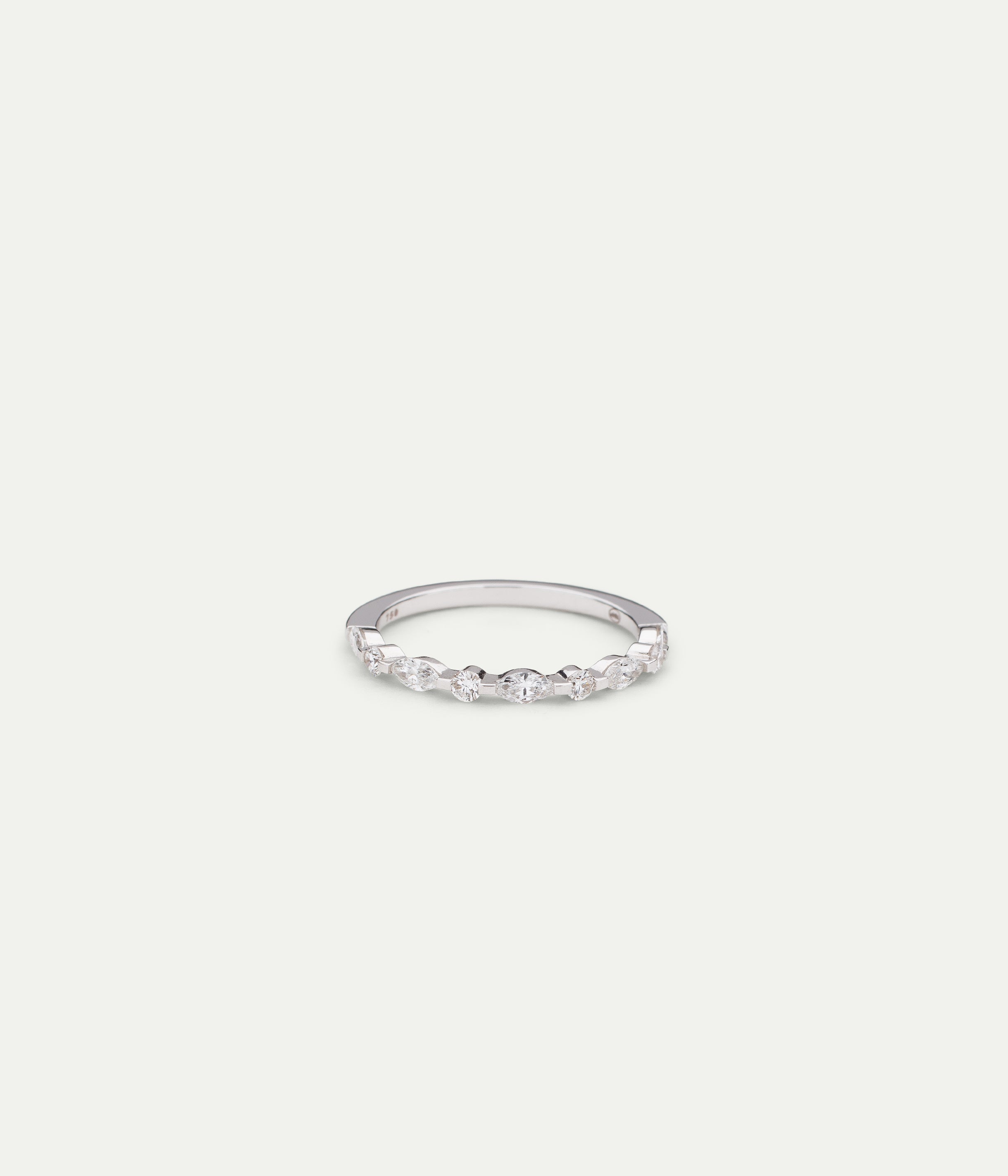

Marilyn white gold and diamonds band
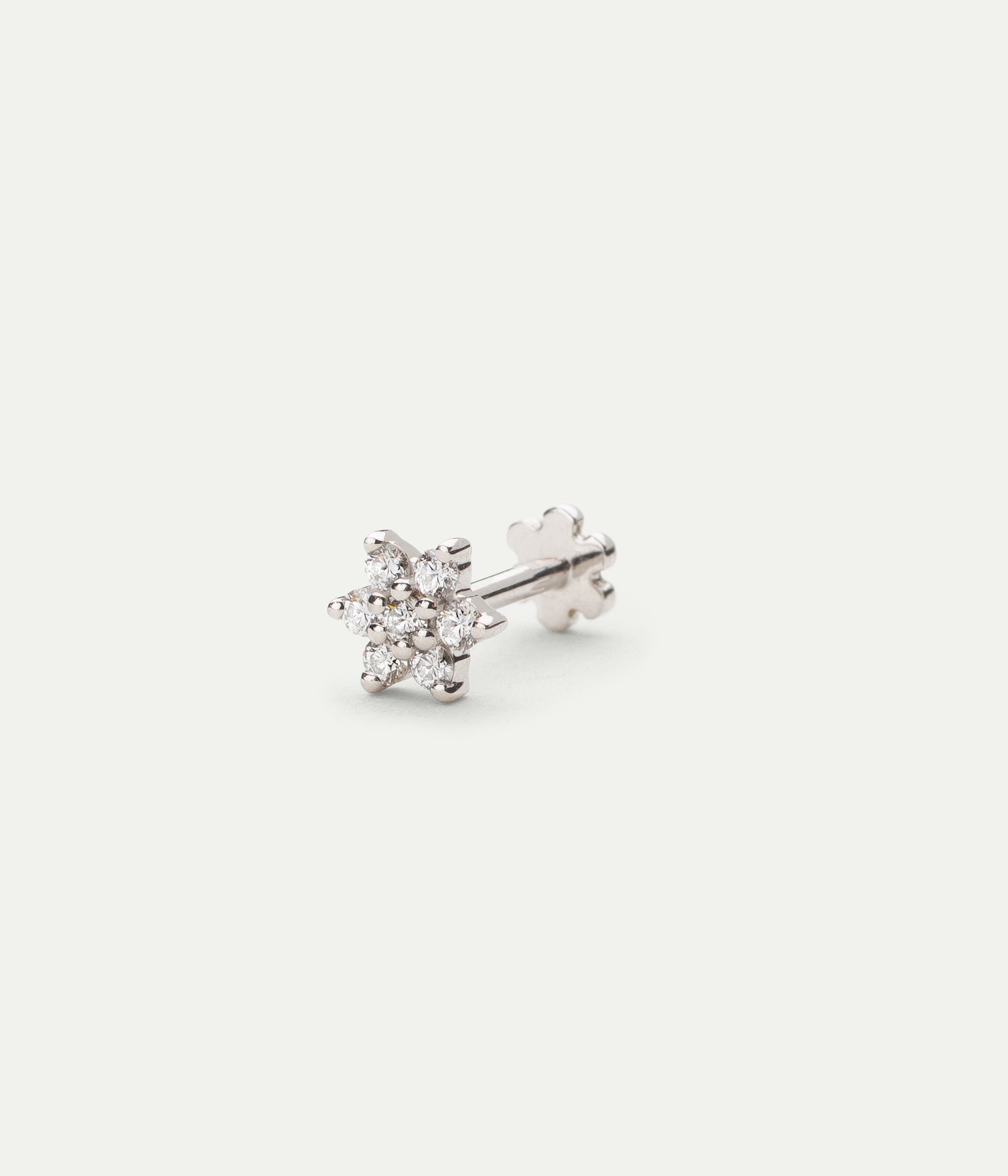

Pear white gold single stud


Margot White Gold and Diamonds Large hoop


Princess white gold and diamond stud
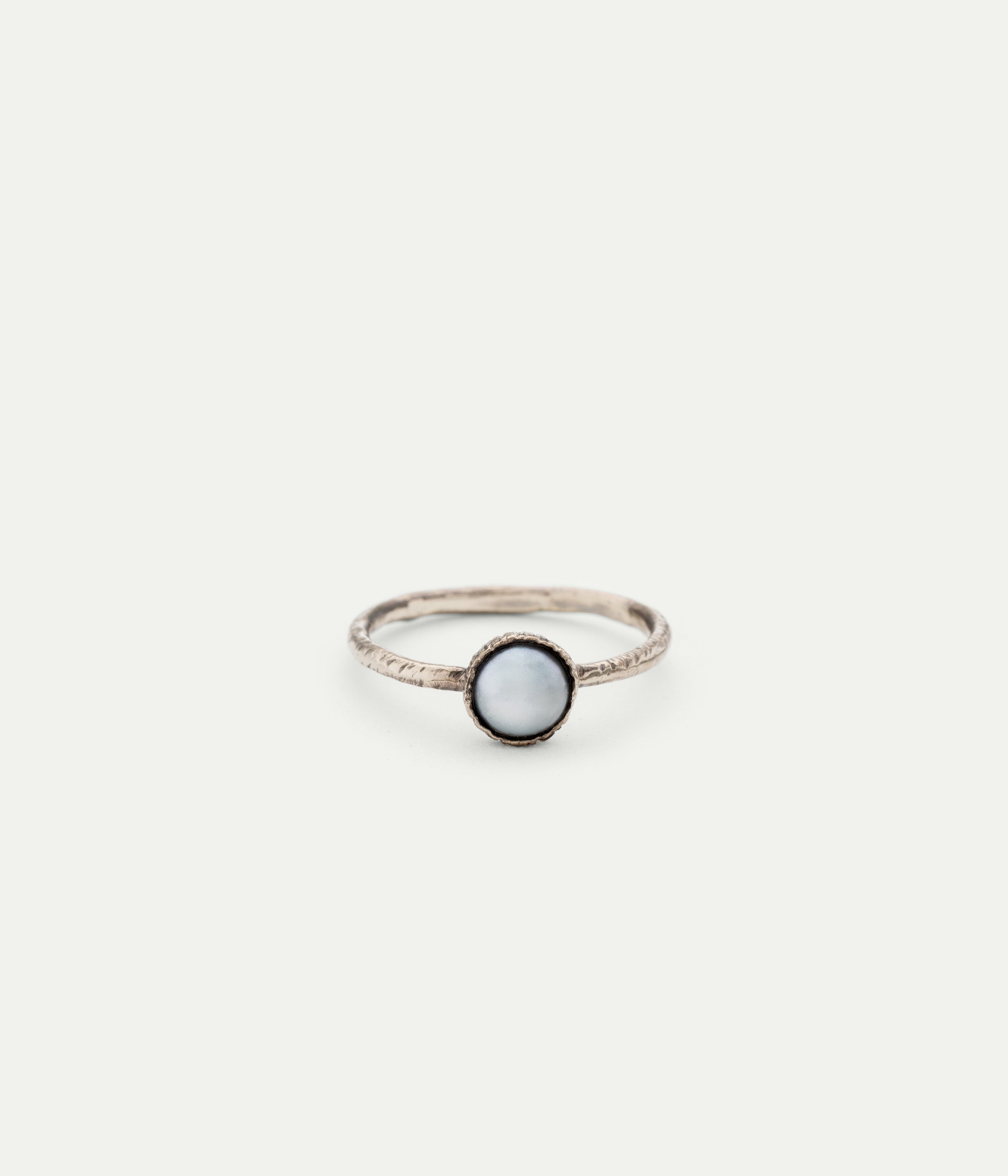

Akoya white gold and pearl ring
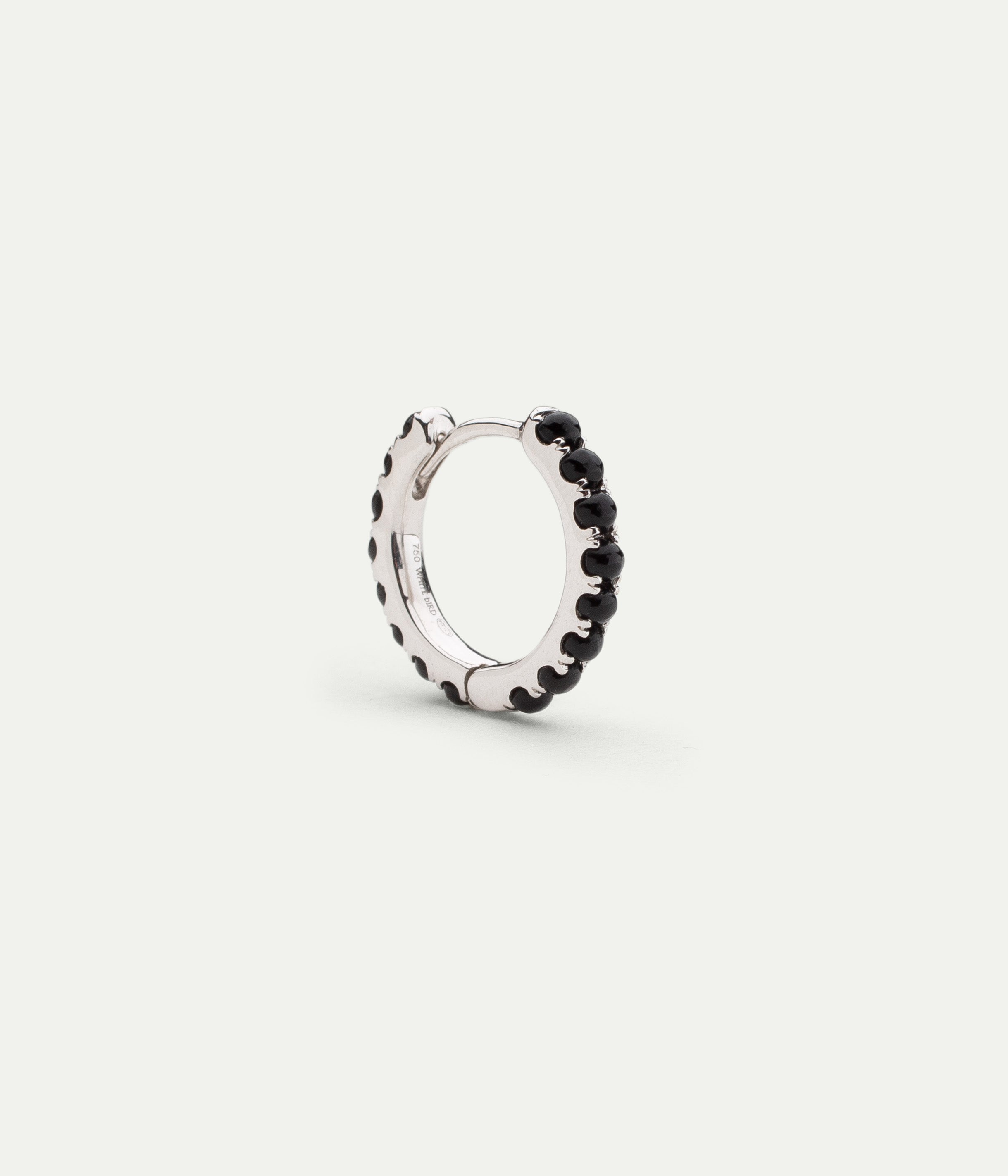

Ismène XL white gold and onyx hoop


Emilie white gold & diamond necklace


Yasmine large white gold bracelet


Stick White gold and diamonds bracelet

