
Yellow Gold
Gold has long been celebrated for its warmth, its glow and its remarkable versatility. Yellow gold, in particular, is the metal in its most traditional expression — the colour that traverses centuries and civilisations. Designers sculpt it, texture it, hammer it or set it with diamonds and coloured stones, revealing a material that is both noble and endlessly adaptable.
China, Australia and Russia remain today the world’s leading gold producers. Yet the limited ethical regulations governing extraction have long cast a shadow over its use in jewellery. This is why the Fairmined label was created in 2004: to guarantee the traceability of gold and ensure its positive impact on social development and environmental protection. Thanks to this certification, gold can now be considered “clean”, as opposed to conflict gold or gold extracted using harmful processes.
Used since prehistory, gold was one of the first coloured metals mastered by ancient metallurgists. In Egypt, it was collected in small quantities along the Nile and elevated through religious ornamentation. Later, European conquistadors seized its value, while the American Gold Rush shaped an entire region of the West.
Today, gold still plays a central economic role and is traded on major international exchanges. In its pure form, however, it remains too soft to be used alone in jewellery. It must be alloyed with other metals, measured in karats. The French market recognises 9k, 14k and especially 18k gold — the latter composed of 75% pure gold, ideal for its durability, stability and non-allergenic properties. 22k gold, intensely yellow and emblematic in India, is also used by certain designers.


Trinity Yellow gold and diamonds stud


Star Yellow gold and diamonds stud


Serena pearls single earring


Justine Yellow Gold and Diamond Large hoop


Justine Rose Gold and Diamond Large hoop


Justine White Gold and Diamond Large hoop
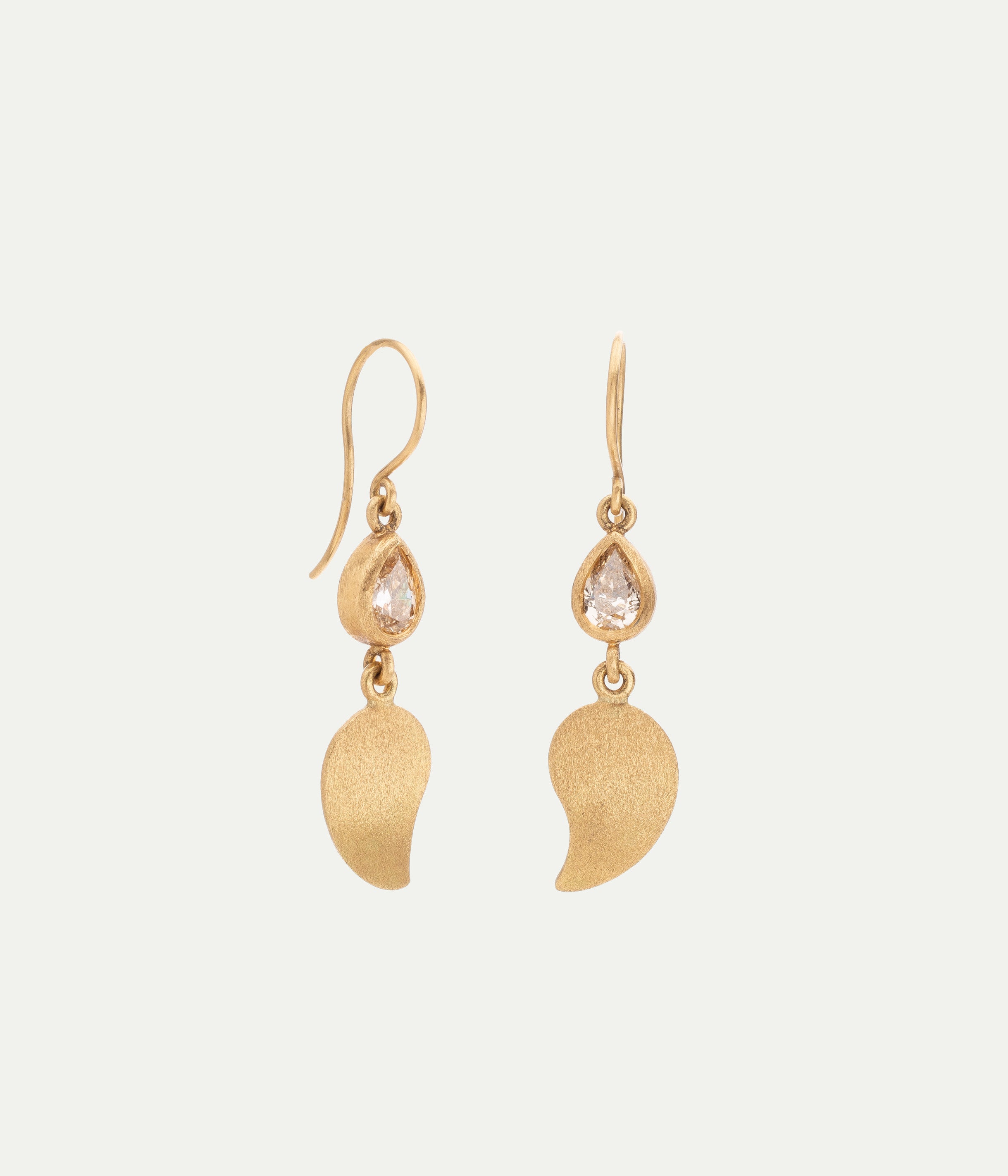
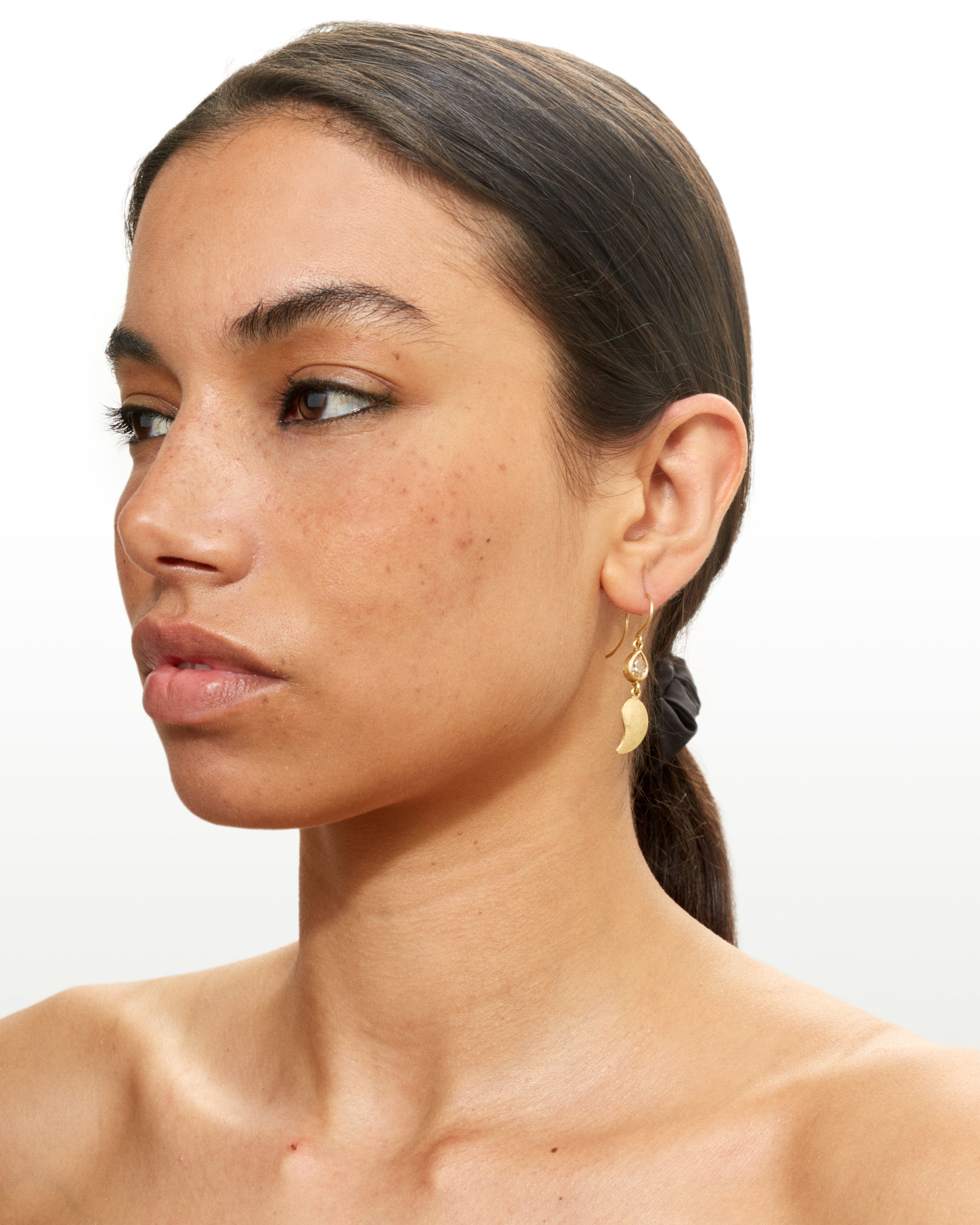
Paisley white diamonds earrings


Jeanne yellow gold diamond single earring
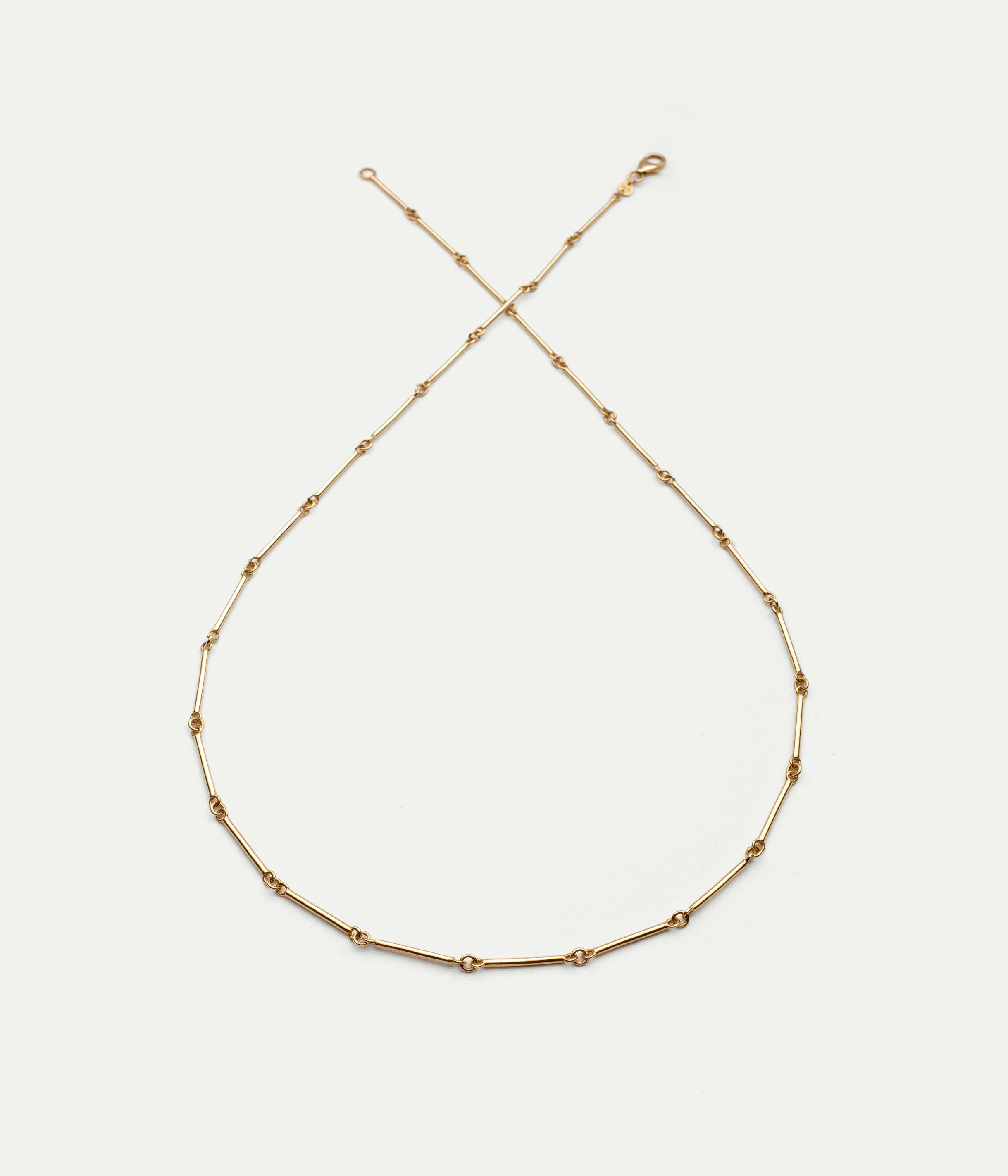
Yasmine L yellow gold chain


Clarisse Rich diamonds and emerald bracelet


Heart Yellow gold stud


Star Yellow gold stud


Moon crescent Yellow gold stud


Virgule yellow gold stud


Pleine Lune Yellow gold stud


Princess yellow gold and diamond Stud


Flicker ring
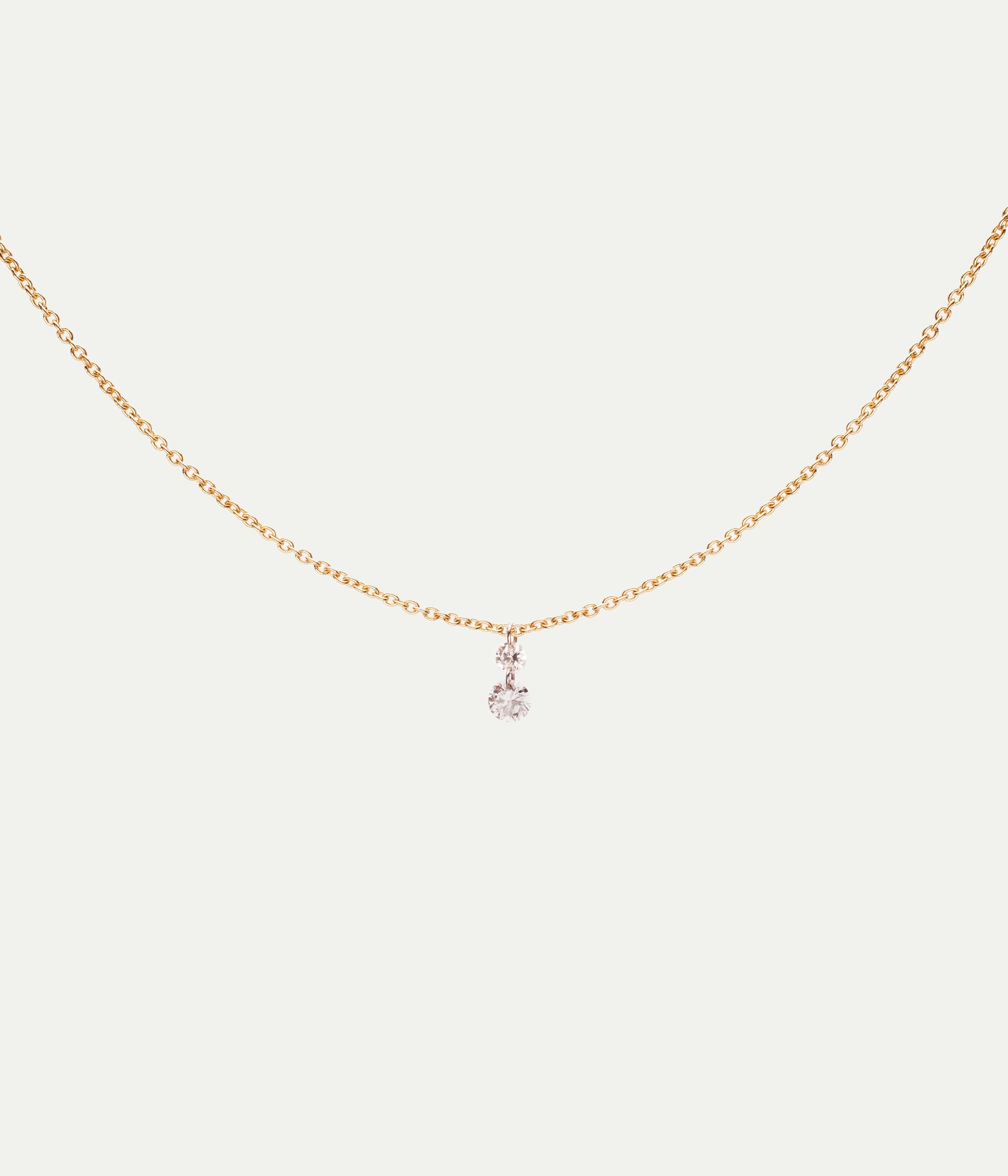

Capucine yellow gold and two diamonds necklace


Chevalière Bee In Love diamants


Flat Rose gold bracelet


Rayon malachite diamond ring


Diamonds 13 Bezels necklace


Nodino rose gold bracelet


Clarisse Rich Yellow gold 8 diamonds bracelet


Roxanne Yellow Gold earcuff


Mia yellow gold earcuff


Yvette yellow gold medium single hoop


Yellow gold Yvette small single hoop
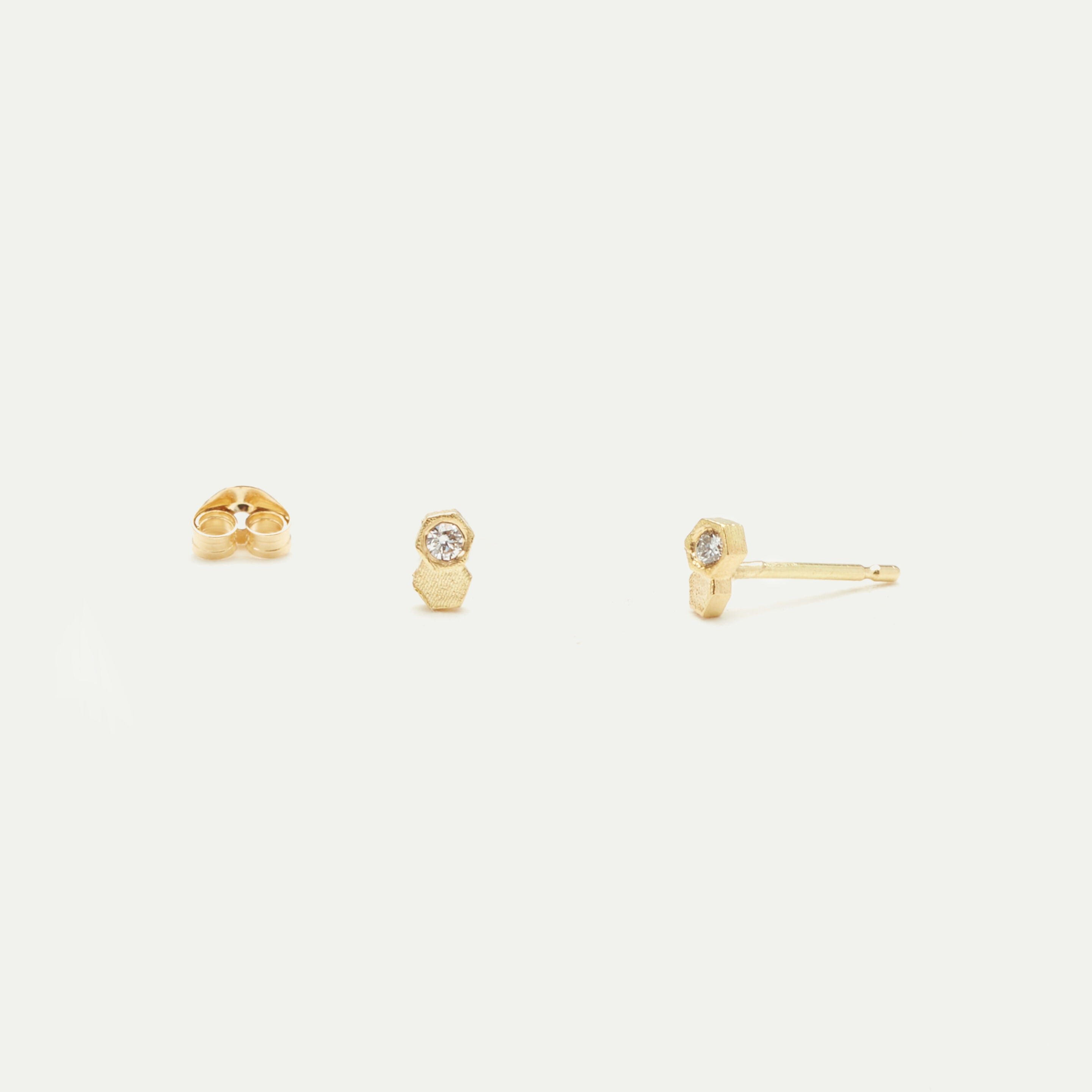
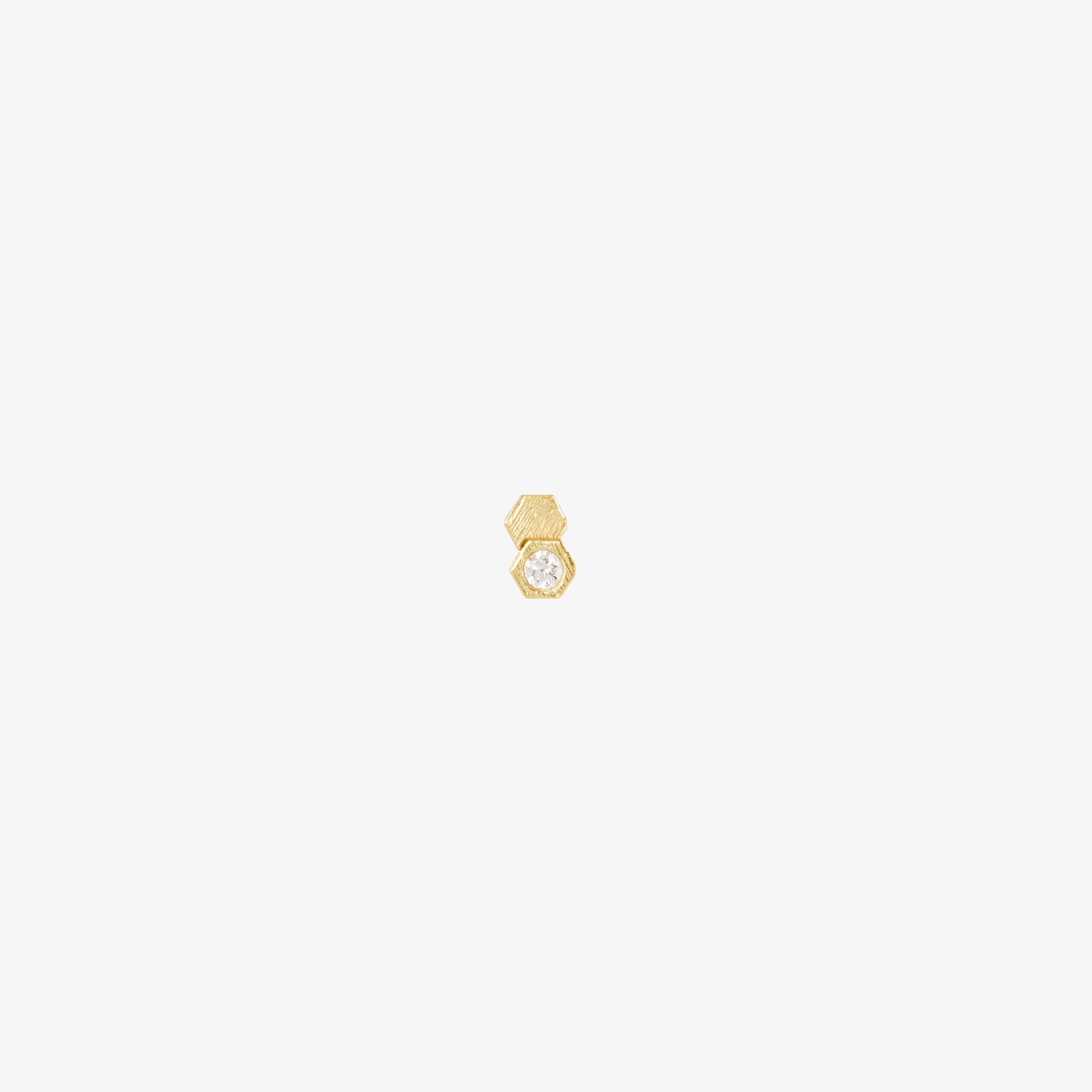
Chaos Hex single earring


White gold Clarisse Rich Bracelet with 8 diamonds
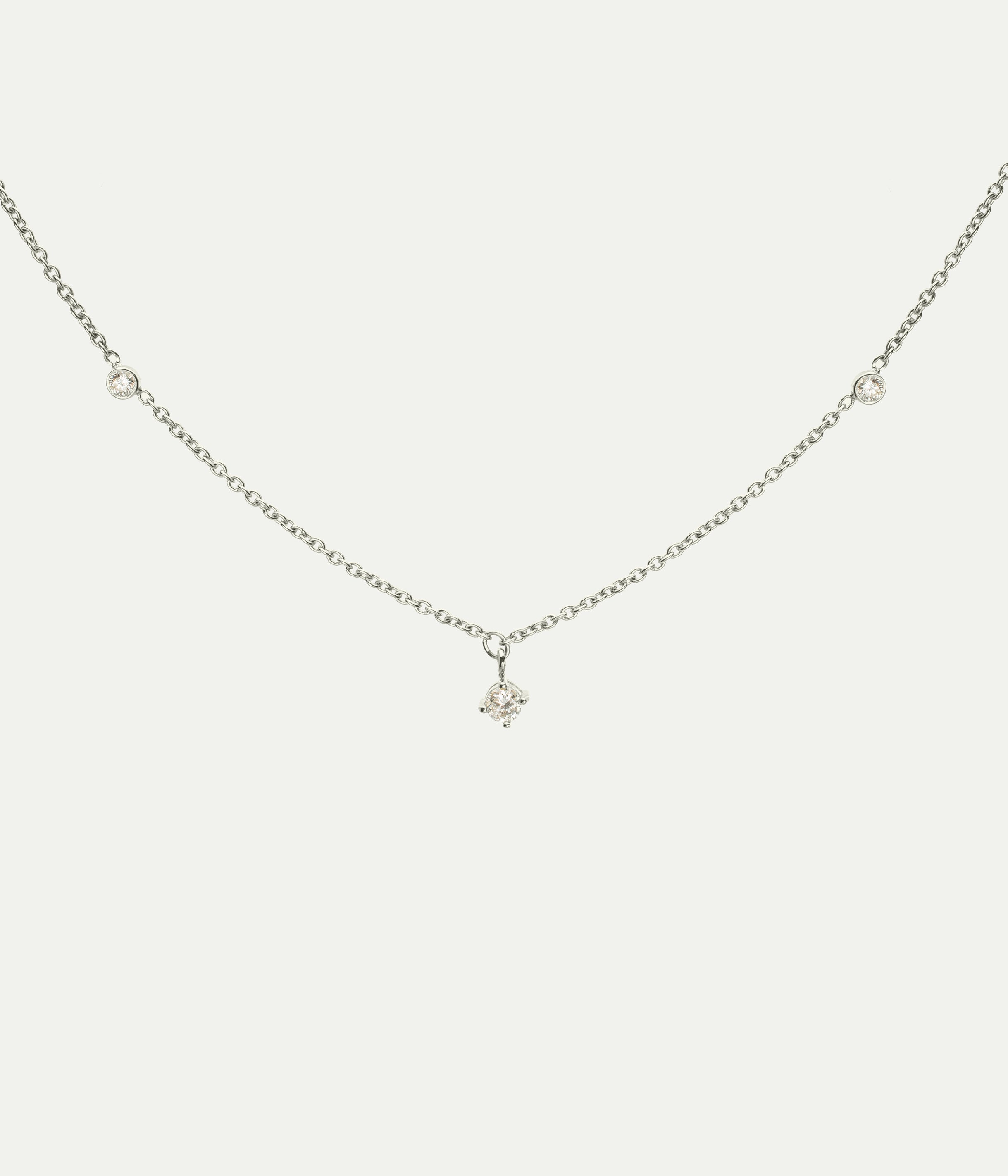

Holly white gold 9 diamonds necklace

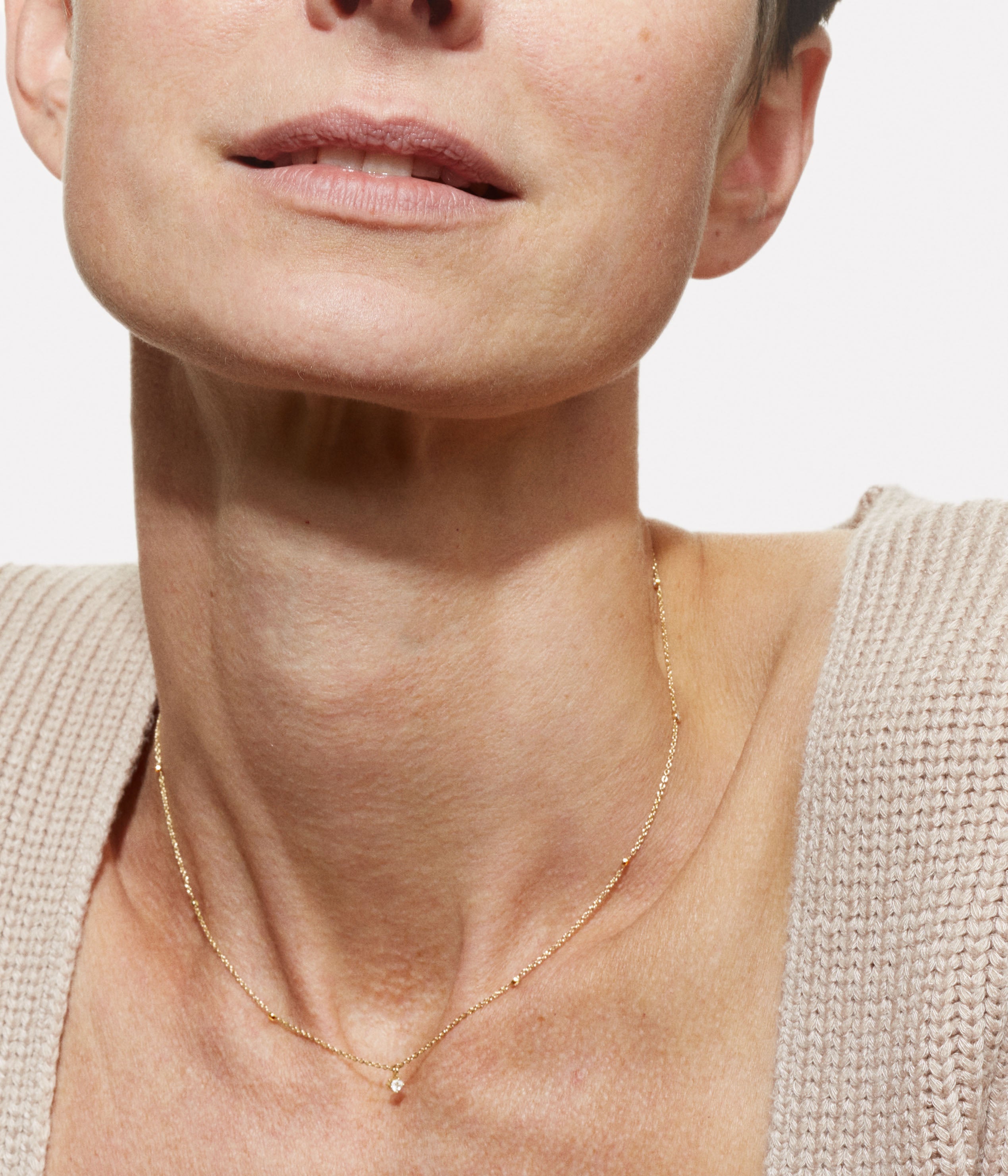
Holly yellow gold 9 diamonds necklace


Rose gold Mo bracelet


Solange Rich diamonds ring


Giulia Black gold and diamonds hoop
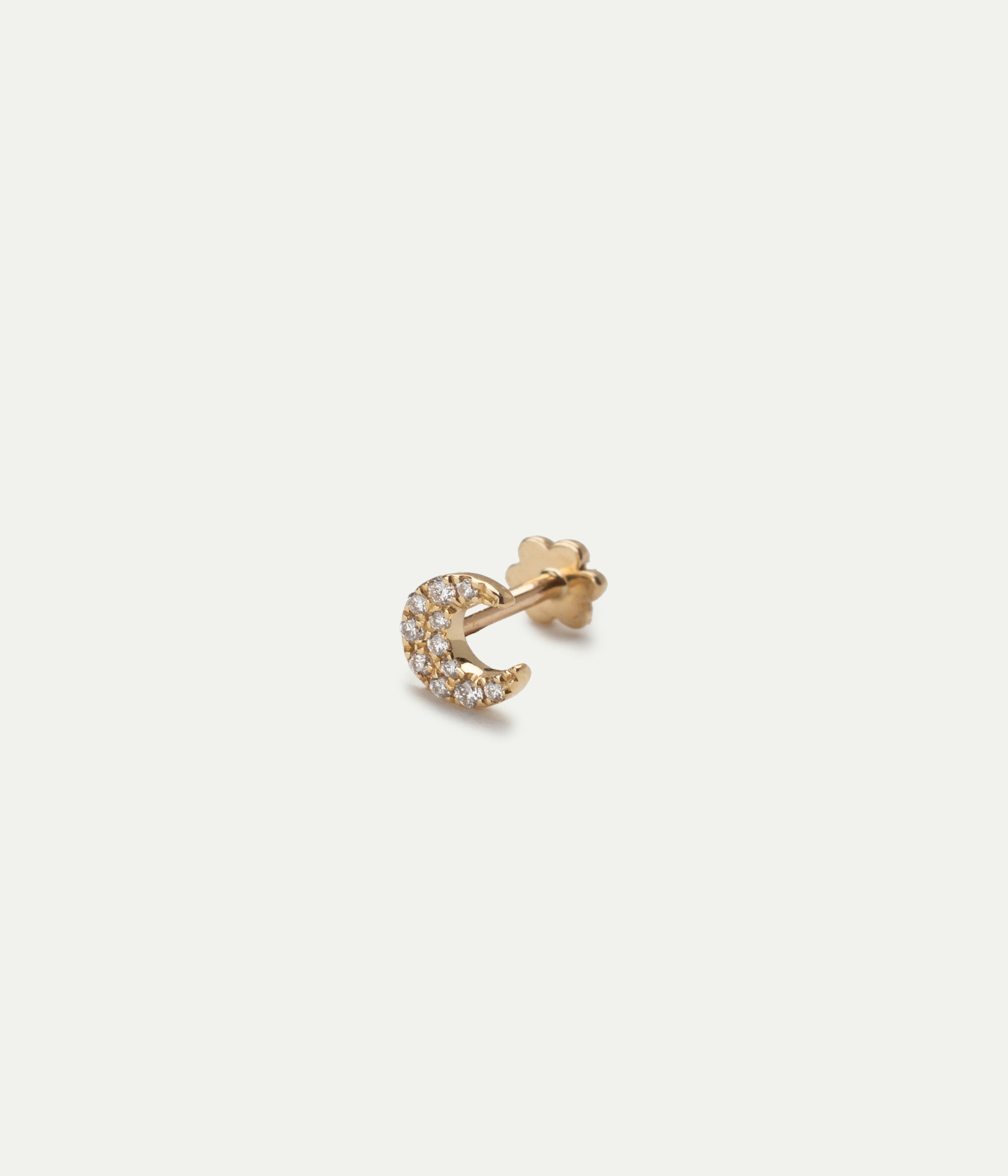
Moon yellow gold and diamonds Single Stud

